Category Archives: Wine

The Auteur of Sonoma


10152641_697451416983141_339819465455328866_n

Winemaker Kenneth Juhasz

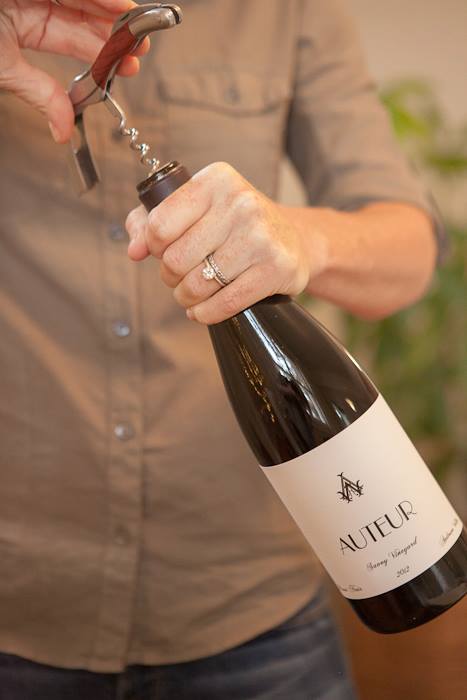
The French word for author, “auteur” is used in the film industry to describe when a film fully reflects the creative and imaginative perceptions of one person.  Auteur Winery, home to some of the truly fine wines available for tasting on the Sonoma Square, reflects the passion and meticulous energy of Kenneth Juhasz, whose efforts in creating high quality cool-climate chardonnay and pinot noir has earned him recognition as a “winemaker who has made a difference” from Wine Spectator magazine.  Kenneth owns Auteur with his wife, Laura, sourcing grapes from some of Sonoma and Napa County’s outstanding vineyards to create his exceptional wines.

Juhasz has a hands-on approach at all stages of winemaking resulting in a prodigious collection of low production, high quality wines that are becoming more recognized.  I was introduced to Auteur a few years ago and enjoyed the wines tasted, but with the expanding market and choices, lost contact.  Eager to re-visit the experience, we made arrangements for a tasting of 2012 releases.

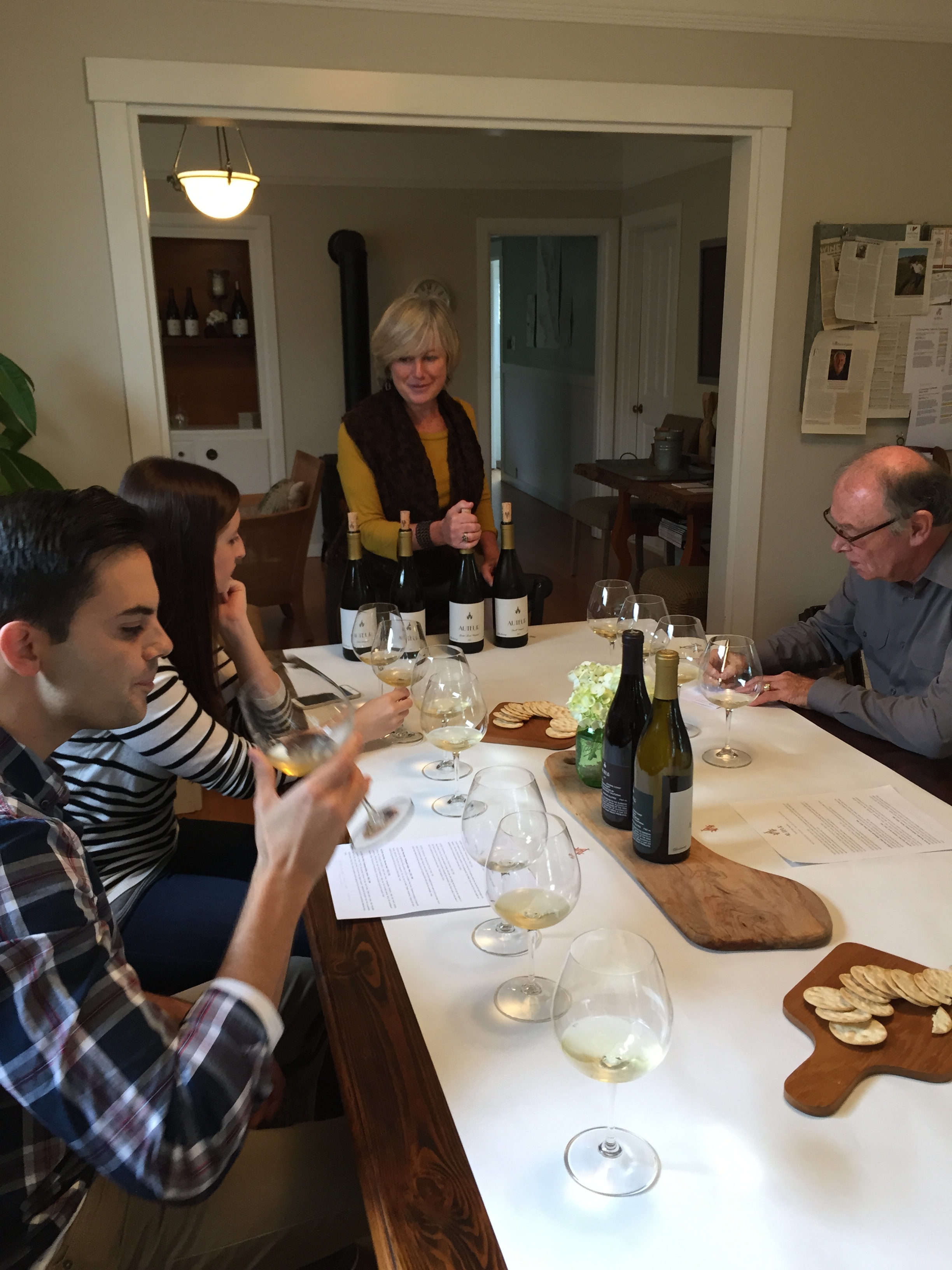
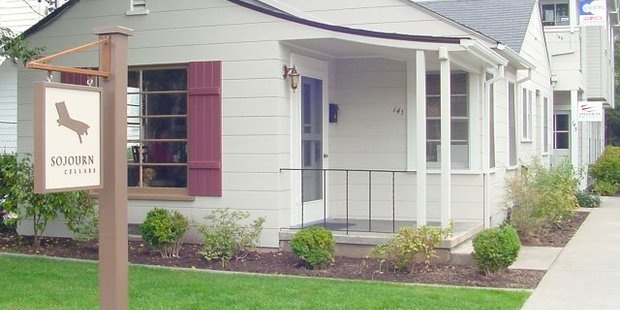
Among many options near the Sonoma Square, Auteur Winery and Sojourn Cellars offer the best environment for an informative and personalized tasting, all for $25.00 per person.  Located in a quaint cottage on First Street, a few doors from Sondra Bernstein’s “The Girl and the Fig” restaurant, the Auteur tasting room provides a very comfortable setting for a comprehensive tasting that leaves one with the impression of a more refined wine acumen.  Today, we are joined by my son, his fiancee and our host, Bobbi Cohen, to discover the different nuances of each vineyard producing the fruit for their chardonnay and pinot noir.

We began tasting the coastal influenced chardonnay, some from Napa County’s Carneros region and the others from the Sonoma Coast.  Like many modern auteur_greenacres_chard_12winemakers, Juhasz does not own a vineyard, so selection of those from which to source grapes is an essential part of the production process.  The 2012 Auteur Carneros Green Acres Chardonnay ($42), receiving a 90-point rating from Wine Spectator, lived up to its reviews with expressive fruit and a crisp acidity. Stone fruit and green apple flavors with an extended finish will definitely get your attention.

10268623_697451180316498_8354893611371958406_n

Auteur cottage tasting room

Once again from the Carneros region, the 2012 Auteur Carneros Hyde Vineyard Chardonnay ($45)closely resembled a Burgundian wine with crisp, complex flavors and a nice, rich minerality. Robert Parker labeled it a “California grand cru,” reviewing the wine at 94-points.

I have, in my cellar, at least three different wines from the Durell Vineyard at the Sonoma coast, all of them standing out, all with a similar opulence. The 2012 Auteur Durell Vineyard Chardonnay ($45) is no exception. A rich, creamy mouthfeel with ripe flavors of peach, pear, melon and spice has led to ratings in the mid-nineties.  For me, this was the one to take home.

Actually originating from vineyards in Green Valley, Carneros and Sonoma Coastauteur_durell_chard_12 appellations, the 2012 Auteur Sonoma Coast Chardonnay ($32) is a terrific wine and outstanding value. The Durell, Dutton and Green Acre Vineyards all contribute to fresh fruit-forward flavors, a rich minerality, a lingering finish and a 90-point rating from Wine Spectator.

The warm, relaxed setting of the cottage made the perfect environs to discover the nuances of this varietal from different micro-climates.  There is truly a chardonnay here for all palates.  With ideal climate conditions for the 2012 vintage, many experts feel these white wines can age several years in the bottle.

We anticipate that repetition of this process with Auteur’s pinot noir releases will be equally rewarding. Having previously tasted a past vintage of the Manchester Ridge, we were prepared to compare the subtleties  of four diverse pinot noir vineyards. Autuer’s pinot vineyards are a bit more eclectic in that they are represented by Oregon’s Willamette Valley, Mendocino County’s Anderson Valley as well as the Sonoma Coast.

A popular wine, the 2012 Auteur Manchester Ridge Pinot Noir ($45) comes auteur_manchesterridgepn_12from a coastal vineyard 2,000 feet above sea level.  Described as a “discontinuous AVA,” it is composed of varying ridges and pinnacles overlooking the Sonoma coast.  This wine can be simply summed up as a flavorful combination of berries, herbs and spice.  Consisting of two Dijon clones, it is co-fermented in 50% new French oak for added richness.  After receiving a 91-point rating, demand increased and the 2012 vintage is sold out. I suggest you put a reminder of future vintages in your “tickler file.”

Organically farmed and clearly the most savory of the current releases, the 2012 Auteur Savoy Pinot Noir ($45) comes from an Anderson Valley vineyard, acclaimed for the past two decades.  An exceptional bouquet and concentrated, layered flavors result in a special wine, limited only by small production and high demand.  Another 90-point rating, another sell-out leads to anticipation of the spring release.

IMG_1095

Host Bobbi Cohen led the tasting

There has been much written about the 2012 vintage of Oregon pinot noir, describing it as the best in years.  Add the Yamhill Carlton AVA Shea Vineyard that has produced many luscious pinot’s over the years and the 2012 Auteur Shea Vineyard Pinot Noir ($60) is a wine that deserves attention.  Wonderfully aromatic and balancing a multitude of flavors, it warrants the accolades it has garnered and can be cellared for a few years to fully blossom.

Our last wine, the only multi-vineyard pinot noir of the tasting, was blessed with inviting aromas and a surprisingly complex array of savory and concentrated fruit flavors.  The 2012 Auteur Sonoma Coast Pinot Noir ($42) offers an eloquent bouquet and complex fruit and spice on the palate. An excellent wine for the price and boasting mid-nineties ratings, it became the one for me.

With no shortage of high quality chardonnay and pinot noir in Sonoma County, Auteur Winery is a pleasant find and their wines can stand up to any, deserving the attention of those who are serious.  The winery establishes a mailing list to inform interested consumers of new releases that are all available on-line.  With growing popularity, four of the fall wines that we tasted are now sold out, emphasizing the need to network.

1613859_697451380316478_6471096889845669972_nWith an abundance of vineyards and wineries in Sonoma County, some care must be taken when selecting wines.  Auteur wines has the accolades and will soon to be discovered by fine palates everywhere.


Wine Spectator’s Top 100 Wines of 2014


In the world of wine, 2014 will forever be remembered as a premier year for Portuguese releases.  In fact, it is not about the year 2014, but the 2011 vintage in northern Portugal’s Douro River Valley.  Exceptionally warm, dry temperatures in 2011 pushed the fruit forward, resulting in robust, yet pristine ports and tables wines, so much so that it landed three wines in the top five, averaging 98pts on Wine Spectator magazine’s most exciting wines of 2014 list including the Dow’s Vintage Port 2011 (99pt/$89)as the top wine of the year.

2014 WS Wine of the Year

2014 WS Wine of the Year

I always anticipate Wine Spectator’s annual list that emerges from a  laborious process beginning with some 20,000 wines tasted by their staff throughout the year, hard work but someone has to do it. Their criteria are quality (only wines rate 90+ are considered), cost ( is it a reasonable value for the price) and accessibility (how many cases were produced).

From the wines tasted throughout the year, approximately 5,000 met the 90pt+ criteria and moved on to the blind taste test. Next, those extremely high-priced or low produced wines are eliminated.  Finally, numerous votes are taken after and during intense discussion, allowing the panel to be subjective in defending their wine’s special characteristics such as unique region, varietal, etc.  The final product is a list of the year’s Top 100 exciting releases.

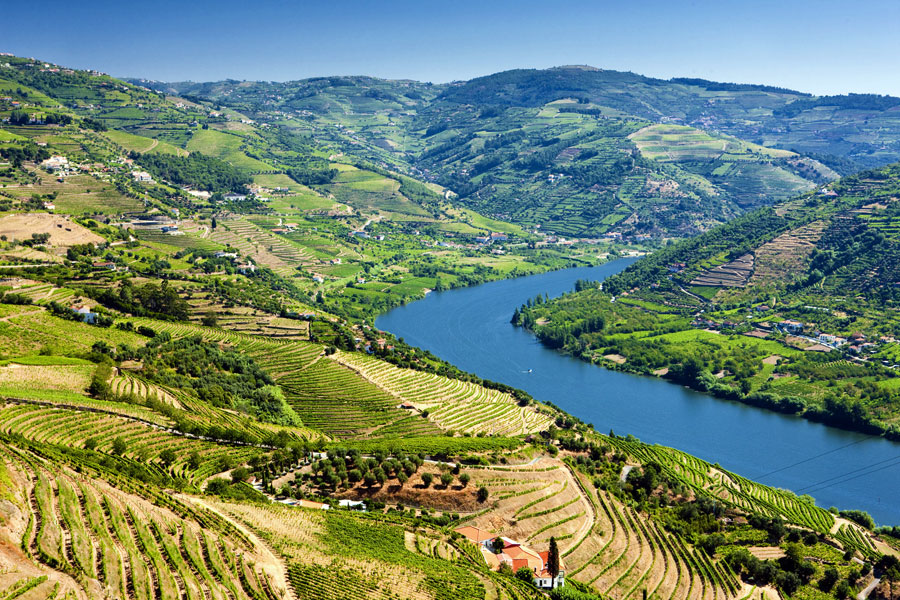
Dow’s Vintage Port 2011 is no stranger to the list, slipping into the top twenty in 2010 with the perfect 100 pt rating for the 2007 vintage. It originates from the Cima Corgo region along the Douro River near the village of Pinhão, known for

Portugal's Douro Valley

Portugal’s Douro Valley

higher temperatures, lower rainfall and premier grapes.  The Symington family, the region’s largest land owner with 2,400 acres, oversees all vineyards and production including the 2011 vintage of native varietals, touriga franca (40%), touriga nacional (36%), souzão (10%) and a few mixed-grape plantings.

Wine writer Jancis Robinson compared the relationship of the main varietals with that of Bordeaux’s Cabernet Franc to Cabernet Sauvignon.  Touriga franca adds the exceptional flavor, touriga nacional the power and souzão the color.  Managing Editor Kim Marcus chronicles the Dow’s Vintage Port 2011 as simply “the best of the best of a great vintage,” with a reference to the other fine Douro River Valley wines on the 2014 list.

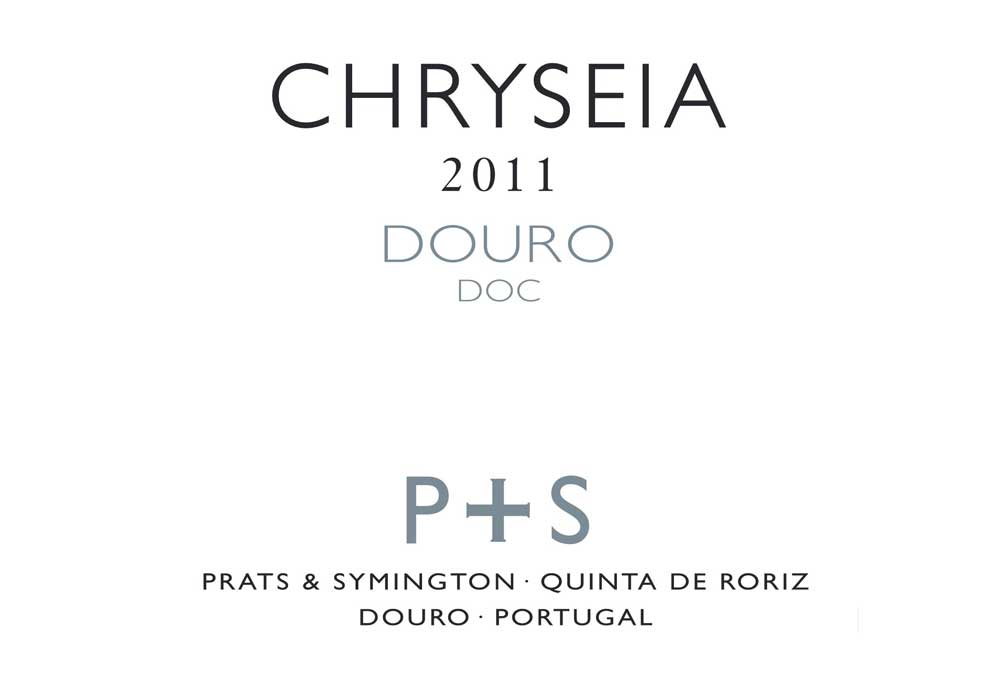
At the cusp of yet another top rated release, the Symington family, in partnership with Bruno Prats, created the #2 Prats and Symington Douro Chyseia 2011 (97pt/$55), another red wine hailed for the flair and capacity of Douro’s 2011

Prats & Symington Douro Chryseia 2011

Prats & Symington Douro Chryseia 2011

vintage.  From the upper Douro valley, the #4 Qunita Do Vale Meao Douro 2011 (97pt/$76) continues the regions dominance with a red table wine with, as Marcus described, “plenty of cream and spice notes.”

Aside from the strong showing from Portugal, the “Big 3,” Italy (19), France (14) and California (19) contributed 52% of the wines. California was represented by nine different varietals, with pinot noir and chardonnay topping the list including the #11 Mount Eden Vineyards Chardonnay Santa Cruz Mountains 2011 (95pt/$60), a perennial addition and always one of the best among the varietal. Fermented in mostly new oak with full mall-lactic fermentation, sur lie for 10 months makes my mouth water for this creamy, California classic.  There has been much discussion this year 134876lregarding chardonnay from Napa’s Peter Michael. His #20 Peter Michael Chardonnay Knights Valley Ma Belle-Fille 2012 (95pt/$90)remains one of 2014’s best although at a bit higher price.

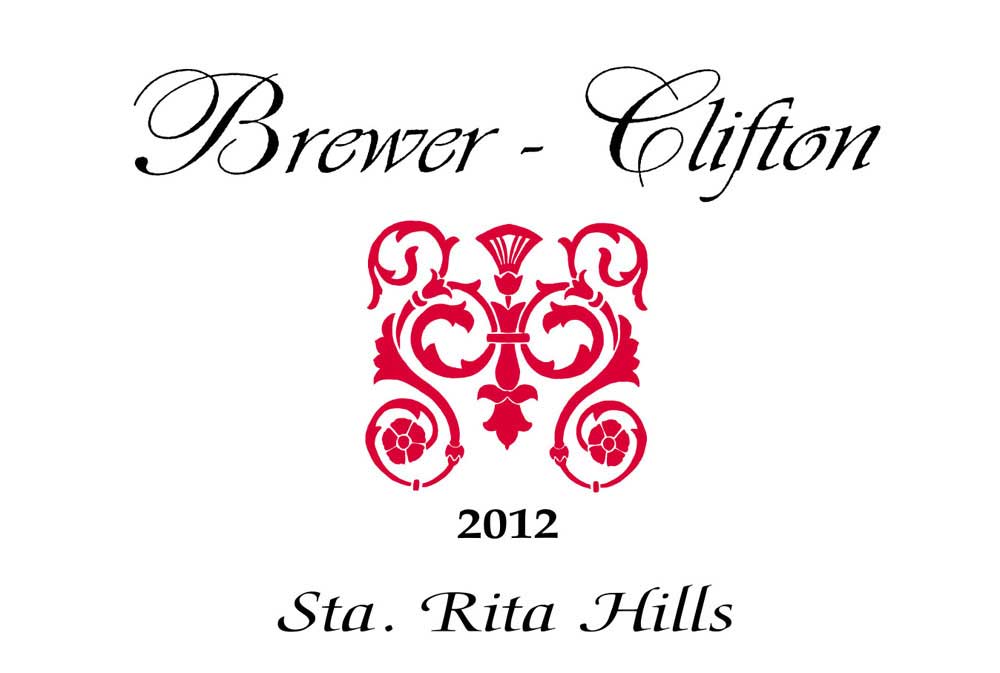
Among the California pinot noir, I was pleased to see current releases of two favorites make the list, especially the #8 Brewer-Clifton Pinot Noir Santa Rita Hills 2012 (94pt/$40) The Greg Brewer-Steve Clifton partnership has produced pinot noir from this appellation for two decades.  As Brewer also serves as the winemaker at Melville Winery, I has recently enjoyed wines from his distinctive style of whole-cluster fermentation sans new oak.  This wine is competitively priced and, from

Brewer-Clifton Pinot Noir Sta. Rita Hills 2012

Brewer-Clifton Pinot Noir Sta. Rita Hills 2012

all accounts, is deserving of its new status.

I have enjoyed, over the years, pinot noir from winemakers statewide who have sourced their grapes from Garys’ and Rosella’s Vineyard in the highly regarded Santa Lucia Highlands appellation of Monterey County. Roar Wines is a special project of Gary and Rosella Franscioni to produce limited amounts of fine pinot noir, syrah and cool-climate chardonnay in their “Highlands” vineyards.  There is much excitement at ROAR these days with the #71 ROAR Pinot Noir Santa Lucia Highlands Rosella’s Vineyard 2012 (93pt/$52), earning deserved recognition as they have produced fine wines like this for years. My friend, David, a long-time ROAR aficionado, has two bottles, one of which will be shared at our next fork ’n cork gathering.

Launched by ideal weather, the 2012 Oregon vintage was excellent and #17 Soter Pinot Noir Yamhill-Carlton District Mineral Springs Ranch 2012 was the highest ranked pinot noir on the list.  If you have a preference for pinot noir, pay close attention to the 2012 vintage in Oregon.

Three special California wines should be noted, first for their accomplishments and also for their story. The magazine

The Bedrock Heritage Sonoma Valley 2012

The Bedrock Heritage Sonoma Valley 2012

recognized a blend from 120-year old vines in the Sonoma Valley, done in an old-style of winemaking.  The #15 The Bedrock Heritage Sonoma Valley 2012 (95pt/$42), a blend primarily of zinfandel and carignane has a “yummy” review and releases at a reasonable price.  As one who enjoys the juice of grenache, the #52 Herman Story Grenache California On the Road 2011 (93 pt/$42), from north Santa Barbara County sounds intriguing.

Finally, as a sports fan, I have delighted in watching the skills of former Heisman Trophy winner, current

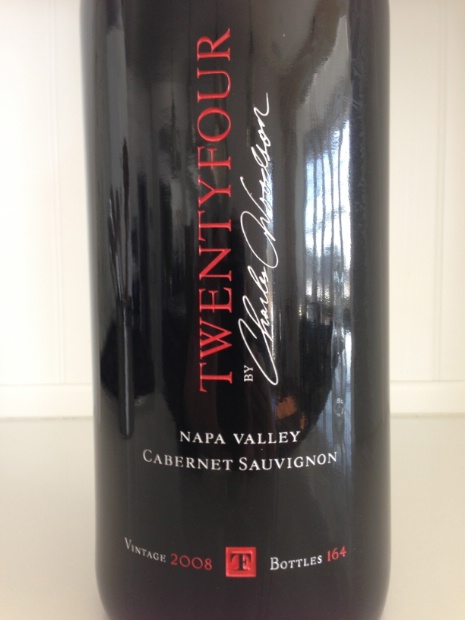
all-Pro NFL defensive back Charles Woodson. I have also heard some buzz about the #58 Twenty-four Cabernet Sauvignon Napa Valley 2010 (93pt/$112), but did not make the connection.  It seems that Mr. Woodson has

Twenty-four Cabernet Sauvignon 2010

Twenty-four Cabernet Sauvignon 2010

secured a vineyard in north Napa Valley, found the right partners/winemakers and turned a hobby into one of the highest ranked California cabernet sauvignon on this year’s list.

Internationally, 15% of the wine’s on the 2014 list were produced below the equator. Australia contributed six wines, two in the top five.  The #2 Mollydocker Shiraz McLaren Vale Carnival of Love 2012 (95pt/$75), no stranger to the list, is defined for the same richness as past vintages I have tasted. Chardonnay from the westerly Margaret River appellation is renown, but the magazine was most impressed with the #5Leeuwin Chardonnay Margaret River Arts Series 2011 (96pt/$89), making it the highest ranked in the varietal.  The #16 Two Hands

Mollydocker Shiraz McLaren Vale Carnival of Love 2012

Mollydocker Shiraz McLaren Vale Carnival of Love 2012

Shiraz Barossa Valley Bella’s Garden 2012 (95pt/$69), once again made the list, confirming it’s place as one of the fine wines produced by the Aussies with a superb 2014 release.

Ten percent of the 2014 list are wines from South America, namely malbec from the Uco Valley/Mendoza region of Argentina and red wines from the Colchaqua Valley in Chile.  On my radar since the 2005 vintage was named Wine Spectator’s 2008 wine of the year, the #42 Lapostolle Clos Apalta Limited Release Colchagua Valley 2010 (94/$89) has remained a first-class wine since Alexandra Marnier-Lapostolle began the project in the late nineties.  This wine has a fascinating story and it’s own state-of-the-art facilities.  The #19 Luca Malbec Uco Valley 2012 (93pt/$32) seems to be a wine that is available and at a moderate price.

Of course, we could not discuss any list without acknowledging the wonderful wines from Italy and France, who contributed 19 and 14 wines respectively, mostly from the famed Tuscany, Piedmont, Bordeaux and Rhone Valley regions.

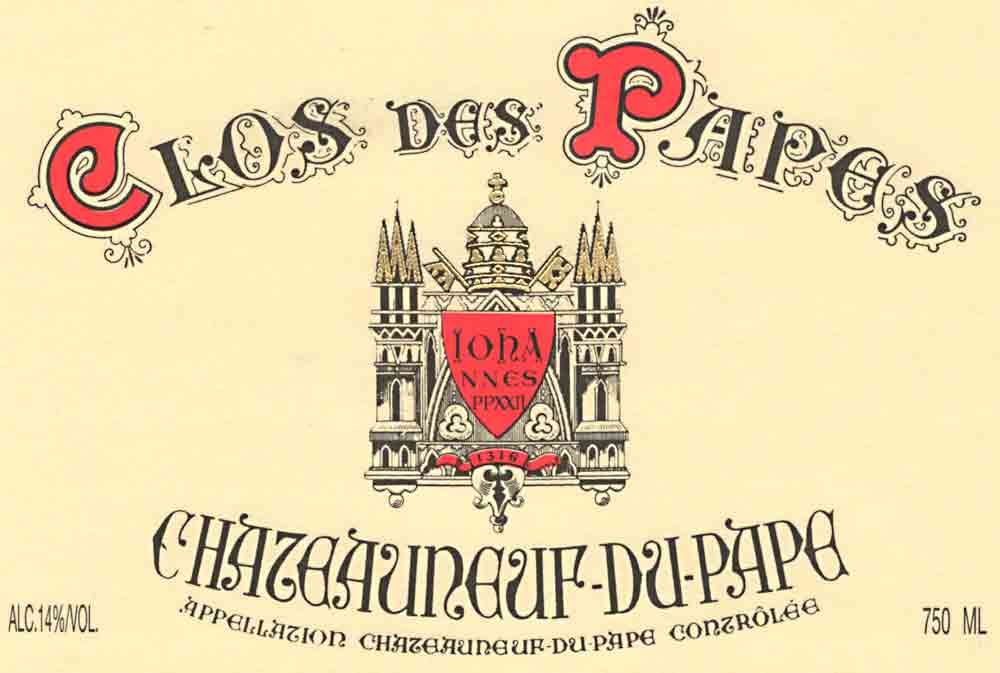
When the region has a good vintage, the #7 Clos Des Papes Chateaunef-du-Pape 2012 (97pt/$135), from the

Clos des Papes Chateau-du-Pape 2012

Clos des Papes Chateau-du-Pape 2012

Rhone Valley, is usually ranked in the top ten.  Likewise with the #14 Fontodi Colli della Toscana Centrale Falccianello 2011 (95pt/$120) Having had the pleasure of tasting earlier vintages of each, assuredly, they are very special wines, though a bit above my pay-grade.  For the money and based upon the magazines descriptions, let me discover a bottle of #6 Castello Di Ama Chianti Classico San Lorenzo Gran Selezione 2010 (95pt/$52).

So, congratulations to Portugal, Australia, Chile and Argentina for helping to define the unique 2014 list.  Their wines, including releases from South Africa, will continue to emerge and, when a vintage comes together, will compete with all great wines throughout the world.  As for California, we continue our place among the world’s great appellations and, from Santa Barbara to Mendocino, great wines are ours to explore.


Sojourn Cellars of Sonoma


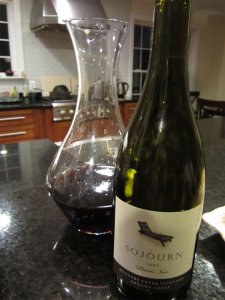
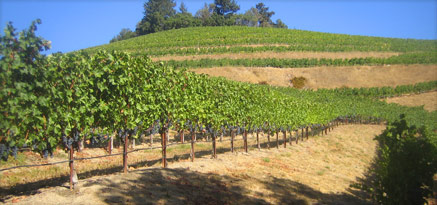
I was first introduced to wines from Sonoma’s Sojourn Cellars a few years ago at a 2013 “Pinotfest” event in Pasadena. After tasting pinot noir selections, a representative asked, in a soft voice, if I was ready to try their “dark pinot,”  which turned out to be my introduction the 2009 Sojourn Cellars Cabernet Sauvignon Home Ranch Vineyard($48)that I described to be as opulent and complex as many of the $100 Napa Valley cabernets. I have continued to participate with Sojourn Cellars and they have since added chardonnay 5260fb3d201bed141bf51ae469e98f84to their menu of pinot noir and cabernet sauvignon. While picking up my Fall order at the quaint tasting224b9c459364583836464098455c8656 room off the historic Sonoma Square, I arranged to taste the new releases and discover more of their history.

Sojourn Cellars literally emerged from two men who met playing tennis, bonding over the game and fine Burgundy. Former Dot-Com exec Craig Haserot and winemaker Erich Bradley, formerly of

Arrowhead Winery, partnered to pursue their passion for pinot noir and, more interestingly, their desire to produce small bottling of cabernet sauvignon through sources at a few of Napa Valley’s prestigious vineyards.  Their first cabernet sauvignon release was 2001, followed by the 2003 Sojourn Cellars Pinot Noir Sangiacamo Vineyard.  They now produce nine different single-vineyard pinot noir wines, four img_sojourn cabernet sauvignon and, in 2011, released their first chardonnay.  Today, their annual total production ranges from 6,000-8,000 cases, concentrating on new vineyards to expand their profile with the three varietals.

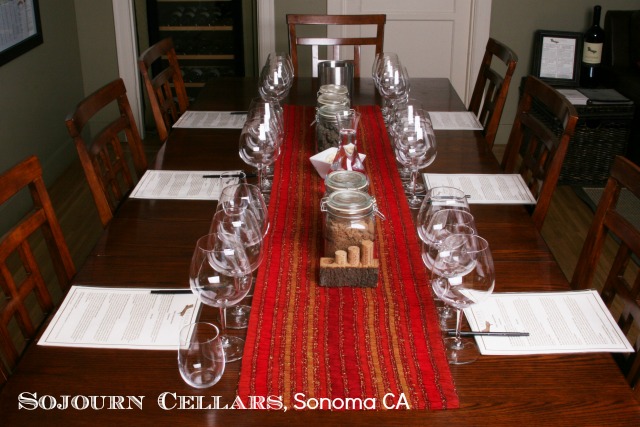
Sojourn has “by appointment only” tastings most days and it is an ideal setting and format for small groups serious (or not) about good wine.  Today, I met up with Tasting Salon Manager Sarah Congress to taste new wines, including some that I was picking up.

Having concentrated on their pinot noir and cabernet sauvignon, my first opportunity to taste some of their chardonnay releases was at hand, a varietal that has recently grown in my modest inventory. All four wines are cool-climate “chards” from the Sonoma coast appellation.

Carefully chosen clones from three prominent Sonoma Coast vineyards contribute to the crispy 2012 Sojourn Chardonnay Sonoma Coast ($38), spending eight months in oak barrels, 30% new.  Pressed 2009sojurnwhole cluster, this vintage has soft stone fruit and apple flavors with a nice acidity that earned a 90 pt. rating from Robert Parker’s Wine Advocate.

From the same vineyard as their outstanding pinot noir, the 2012 Sojourn Chardonnay Sangiacamo Vineyard ($45), also pressed whole cluster, delivers pleasant melon and citrus on the nose and a splendid minerality to the palate.  It has a rich fruit character and mouthfeel and a 91 pt. rating from Parker.

Based upon the reputation of the vineyards, I purchased two new single-vineyard chardonnay in my Fall allotment. About to taste them, I can now determine if my instincts were true.


The Durrell Vineyard, in the Sonoma Coast appellation, has sourced grapes to some of the finest chardonnay producers in California. The inaugural release 2012 Sojourn Chardonnay Durrell Vineyard ($48) was pressed whole-cluster with full malolactic fermentation before resting sir lie in 40% new French oak barrels, bearing the opulent touch of a classic California chardonnay.

With only 175 cases produced, the début 2012 Sojourn Chardonnay Campbell Ranch Vineyard ($45) has all the fine qualities expected from this cool-climate, low-yield vineyard that manages large variations in temperature that produce complex aromas and flavors of melon, tropical fruit through a lush texture.  I savored both wines and I’m feeling good about my instincts.17881b5f9beb8f4338cd7bd8f0e20caa

Much of Sojourn’s pinot noir comes from cool-climate vineyards along the Sonoma Coast that, along with the Russian River Valley, constantly yield some of the world’s best. The next four wines of our tasting were from vineyards within these appellations that turns out so many world-class pinot noir releases.

The most classic, and possibly my favorite, the 2012 Sojourn Pinot Noir Rogers Creek Vineyard ($59),comes from an elevated vineyard in the Sonoma coastal hills above the Petaluma Gap.  Nice vanilla and cinnamon on the nose foreshadowed dark fruit and hints of spice through the finish.

In the remote hills, above the Sonoma coastline lies a low-yield vineyard, known for years of quality farming that is the source for the 2012 Sojourn Pinot Noir Ridgetop Vineyard ($59), a wine with pepper on the nose, concentrated fruit flavors and a silky texture that extends throughout the finish.  The grapes are di-stemmed prior to open-top fermentation and are highly influenced by thirsty new oak.

A right turn at the intersection of River and Wohler Roads drops you into the heart of the renown Russian 105299994c0c65f4e63f2ef883ab6845River Valley appellation near Forestville.  Less than one-half mile ahead is the origin vineyard for the 2012 Sojourn Pinot Noir Wohler Vineyard ($48). A bit austere, this wine has more earthy qualities with nice expressions of fruit and spice that should “open-up” with an hour or more decanting.

Yet another vineyard in the coastal hills, surrounded by redwoods, produces, according to winemaker Erich Bradley, “The best fruit I have ever tasted.” Since I was taking home a bottle of the 2012 Sojourn Pinot Noir Campbell Ranch Vineyard ($59), his 17881b5f9beb8f4338cd7bd8f0e20caa statement caught my attention.  As advertised, I found it to be the most aromatic of the pinots with nice tannins, cherry dominant flavors and texture, drinkable today, yet rewarding patience.  Not being able to taste the 2012 Sojourn Pinot Noir Sangiacamo Vineyard ($54), their original, most elegant and highly rated wine, was a disappointment, but left me someone to discover on our next visit.

Enthusiasm for Sojourn Cellars Pinot Noir is also shared by the experts.  The PinotReport, a Sonoma-based newsletter has consistently rated Sojourn’s pinot’s from 92-96 points. In a crowded arena of big high-end pinot producers, Sojourn can certainly compete in both quality and cost.

Next, we moved to a couple of reasonably priced Napa Valley cabernet sauvignon wines including the sold-photo_springmountainout 2012 Sojourn Cabernet Sauvignon Georges III Rutherford that was fruit-forward  with hints of blueberry and cocoa on the finish.

The 2012 Sojourn Cabernet Sauvignon Spring Mountain District ($59), from the hills above the town of St. Helena, was a very nice surprise with complex aromas and flavors of vanilla, cassis to accompany the dark fruit that has, to employ an overused term, a nice, long finish.

All and all, the Sojourn Cellars tasting experience is extraordinary.  A picture perfect setting, a personalized Sojourn-Cellars-Sonoma-Tasting-Salon2tasting, at tables with proper glasses and, of course, the previously described fine wines are in store for any group of wine lover’s. The opportunity to add a nice meal on the Square makes the day a sojourn not to be missed.


The Anatomy Of A Wine

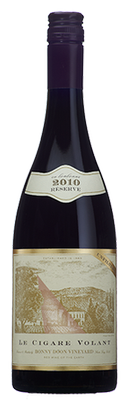
Having recently received a fine bottle of wine as a part of my D.E.W.N. (Distinguished Esoteric Wine Network) membership with Bonny Doon Vineyards near Santa Cruz, I am always eager to read

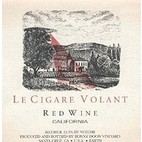
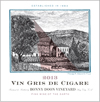
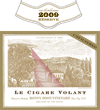
2010 Bonny Doon Le Cigare Volant Reserve

2010 Bonny Doon Le Cigare Volant Reserve

Founder/Winemaker Randall Grahm’s esoteric wine descriptions.  He has a colorful, yet informative writing style that compliments his inventive style of winemaking.  My grand idea is to share Randall’s knowledge and rendition of his very distinctive, flagship wine and offer my own interpretations to help you understand wine descriptions and make more educated choices in the future. Randall’s comments on this 2010 vintage was typically rarefied, yet told me everything I need to know to become intrigued or not with drinking the wine.  His descriptions are in bold. 

2010 Le Cigare Volant Reserve ($79)

28% syrah, 22% grenache, 17% cinsault, 17% mourvedre,  16% carignane

His signature, aged Rhone-style blend with varietals used in the famous Chateaunef-du-Pape appellation in France’s Rhone Valley.

Appellation:  Central Coast Santa Cruz, Monterey, San Luis Obispo Co.

Production:  511 cases Slightly over 6,000 bottles

Alcohol by Volume:  13.3%  Average

Cellaring: Ideally hold for a year or two. 15-20+years ageability

This wine already has some age on it, but can handle as much time as you want to give it.

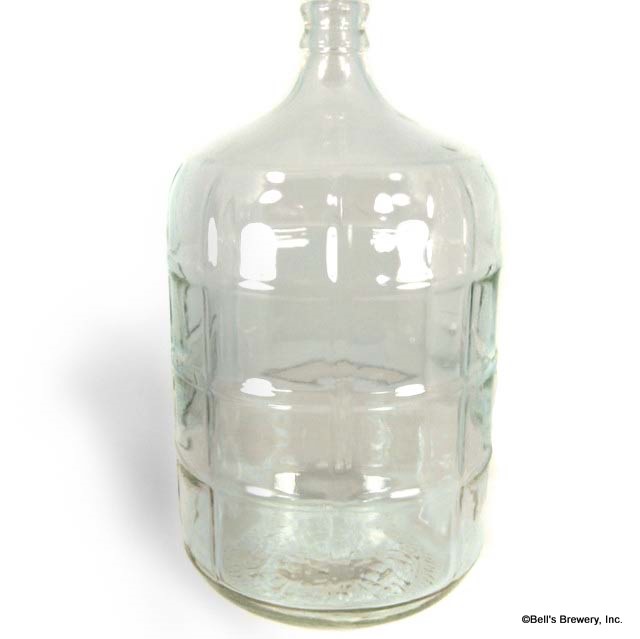
“This special cuvee’ of Le Cigare Volant is identical to our normal bottling but, owing to its unorthodox elevage, appears quite different in presentation.  After a short tenure in barrel, assemblage and completion of malolactic fermentation, the wine was removed to 5-gallon glass carboys (boubonnes)where it reposed sur lie for 20 months.  This practice yields a fare degree of integration and complexity plus a preternatural degree of savoriness.”

The French word “elevage” is literally defined as “upbringing the wine,” but also describes the art of maturing a wine which begins with the crush and ends in the glass.  Here, Randall tells us that after the

5-gallon carboy or "boubonnes"

5-gallon carboy or “boubonnes”

varietals spend a short time in the barrel alone, they are blended by formula before the malolactic fermentation process is initiated through the introduction of bacteria that consumes the harsh, astringent “malic” acid, leaving more of the softer “lactic” acid.  This technique is used with many varietals, most prevalent in California pinot noir and chardonnay. The word cuvee’ has several meanings, but is used here to simply reference a blend of several varietals.  A carboy or “boubonne” is a rigid glass container ranging in size from 5 to 15 gallons. Here, Randall uses

Aging wine "sur lie" with layer of yeast at bottom

Aging wine “sur lie” with layer of yeast at bottom

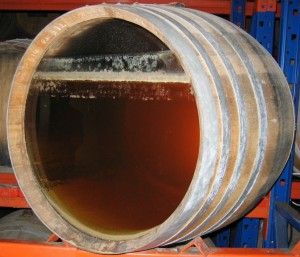
smaller 5-gallon glass containers where he allows the wine to rest “sur lie” for nearly two years; clearly unorthodox. Lees are deposits of residual yeast that forms on the bottom and sides of oak barrel during the early fermentation process.  Often, the juice is filtered, called racking, and transferred to clean barrels.  In many wines, notably those great ones from Burgundy in France,  the juice and yeast are left together described as “sur lie,” which tends to give a creaminess to the finished product.  Randall tempts us to crave an aged Rhone blend with very creamy texture and mouthfeel by informing us that he has left the wine “sur lie” for 20 months, not in oak barrels rather glass containers.  While “sur lie” tends to minimize the impacts of oak, glass containers is a new concept to me.  He also informs us that this wine is not fruit-dominant, developing its structure around more savory herb flavors.

“On the nose, tobacco, cherry wood ash, wild blackberry, bramble, cigar box, leather and garrigue.  Ia that a note of brandy?  Raw ginger?  Definitely a sweet spice layer.”

Firstly, Randall is not referring to the stench of someone smoking in a public place, more like the smell that permeates a cigar factory in the French Quarter in New Orleans.  The bouquet has some fruit but is clearly dominated by hearty, pleasant cedar wood aromas often found in cabernet sauvignon from the Bordeaux region of France.  Notes of leather signify that the wine has healthy tannins and will age exceptionally well, but can be harsh in young wines.  Drinking a young tannic wine can often fashion the sensation of sucking on a piece of raw leather. References to brandy, used to fortify sweet wines and raw ginger signifies that Randall is preparing us for a hearty or “earthy” wine, that has enough time in the bottle to drink now, but will improve significantly as it ages.  Apparently, garrigue is an aromatic shrub that grows in the Mediterranean region and heightens herbaceous elements to the bouquet, courtesy of the dominant syrah in this blend.

“Cinsault lends the Montmorency cherry, one of the flavor elements typically associated with Cigare (and also, coincidentally seems to get the final word in over the protestations of the vocal syrah).  But, don;t let that fool you – this is no fruit bomb.  There are strong suggestions of iodine – meaty and bloody.  This wine is all about elegance, and seems to disarmingly suggest a Burgundian take on Chateauneuf, if such a notion can be fashioned.  This is not an ordinary wine.  What is most noteworthy about it is its amazing silky texture, savoriness and infinite length.

Here, Randall references this particular cherry that, according to my research, is noted for its tartness, slightly sour on the palate which will add to the spicy profile of the wine, a role normally reserved solely for the syrah varietal.  However, he quickly reminds us that, in spite of the enhanced bouquet and soft fruit flavors, the cinsault cannot overcome the strong earthy aspects derived from the other varietals and the fermentation process. References to iodine flavors are most typically associated with wines that are grown near the sea.  Hints of

2012 Bollig-Lehnert Piesporter Goldtropfchen Riesling Spatlese

2012 Bollig-Lehnert Piesporter Goldtropfchen Riesling Spatlese

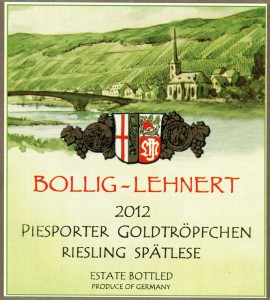
iodine, petrol and other mineral elements in wines are soft and subtle, often influenced by large deposits of limestone in the soil.  I was skeptical of these flavor references until I tasted a 1996 Bollig Lehnert Piespoter Goldtropfchen Riesling Spatlese ($20) at Cava Restaurant in San Francisco. When our sommelier used the word “petrol” in describing the wine’s superb minerality, I finally understood what the excitement was all about. Comparing great Burgundian to great Rhone Valley (Chateaunef-du-Pape) wines is risky.  They are two of

Chateauneuf-du-Pape vineyard in Rhone Valley

Chateauneuf-du-Pape vineyard in Rhone Valley

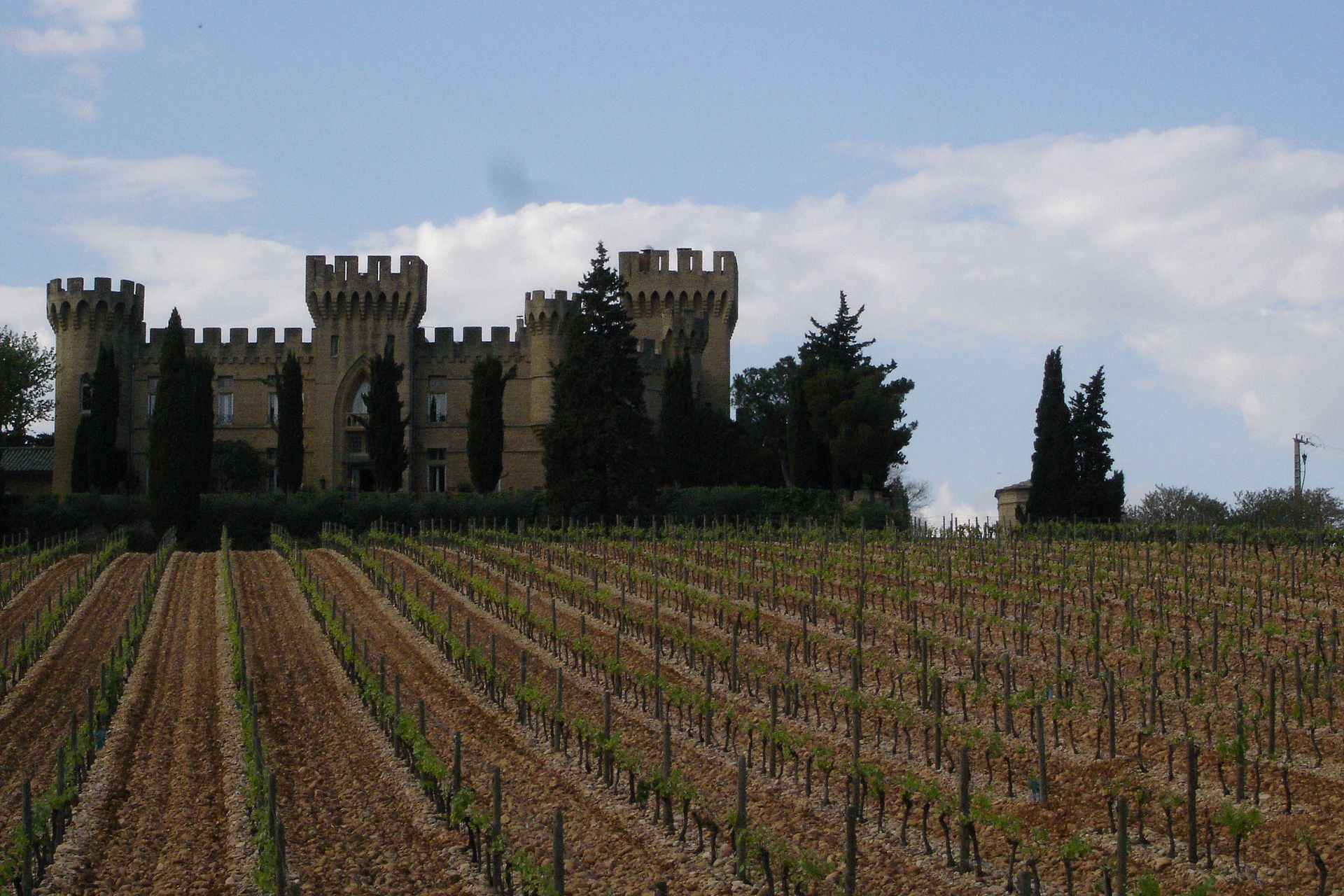
the world’s finest wine regions and consumers are passionately loyal for each.  Le Cigare Volant is actually a blend of southern Rhone grapes, but here Randall is referring to its significant spice elements that are the cornerstone of pinot noir from the Burgundy region.  For what its worth, these comparisons make the wine sound very intriguing.  Again emphasizing the savory over fruit elements, Randall reminds us that the wine is also silky smooth with a very long finish.

“The 2010 Le Cigare Reserve’ is wine to be savored and studied over a long meal with friends.  Will benefit enormously from a gentle decanting or even sitting in large glass for 30 minutes, especially when consumed young,  This bodes well for the wine’s great aging potential”.

All noted wine makers believe that good wine is not for thirsty people, but to be enjoyed slowly while in discussions with others.  It is always better for wines such as the Le Cigare Volant to be decanted for an hour or two and a few minutes more in the glass before imbibing, allowing the exposed juice to “open up” to your palate. Wines that require the most effort before consuming are the ones that are improving while they age. For many of the features illustrated by Randall, Wine Enthusiasts magazine awarded this wine 92 points, the highest of any Le Cigare Volant

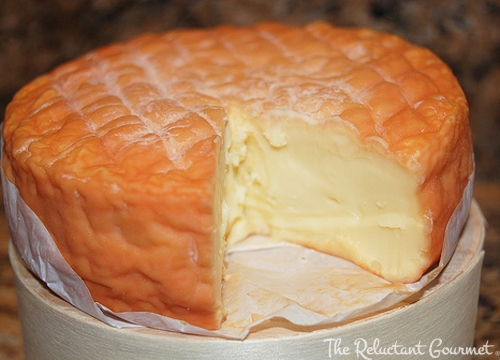
Epoisses cheese

Epoisses cheese

vintage.  While descriptions such as “earthy,” “spicy” or “savory” can help us match features to our palates, the word “elegance” makes it an easy choice for me. Although we have enough information to determine that the 2010 is a bold, hearty wine, we can also surmise that the additional time in the bottle will enhance its soft side and make it more accessible With the proper decanting outlined above, pairing this wine with tri-tip or rack of lamb will compliment the wine and help the flavors of each to reach their potential.  For us “pescatarians,” pairing it with Epoisses cheese, an odiferous, silky cheese from the Burgundy region in France is highly desirable.

Le Cigare Volant

Le Cigare Volant

I have tasted most vintages of Le Cigare Volant since 1990, each unique on to itself. Though I have not yet tasted this vintage, preferring to let it age longer, I would recommend it based on my interpretations of Randall’s comments and knowing that he has taken steps to create a distinctive wine from the 2010 harvest. Despite the fact that D.E.W.N. members do not pay the retail price, this will be a special occasion wine to be shared with family and good friends.


Sweet Dessert Wines


With the holidays just a few months away, we may want to include some dessert wines in our entertaining plans.  People are beginning to substitute a big piece of apple or pumpkin pie for fruit, cheeses and a nice sweet wine.  The most famous, and most expensive, dessert wines on the planet are called Sauternes, from France.  More specifically, they hail from the Sauternes region of Bordeaux and consist of Sauvignon Blanc and Semillon, the

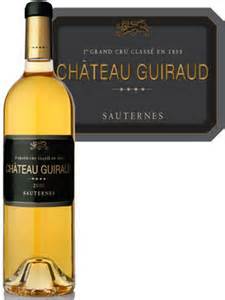
2001 Guirard Sauternes

2001 Guirard Sauternes

same varietals used in the classic Bordeaux white wines.  The difference lies in something nicknamed the “noble rot.”

Mold is a natural enemy in the vineyards, something that can quickly destroy plants.  However, the renowned Sauternes are among those “botrytized” wines, that oddly benefit from a mold called Botrytis cinerea.  High humidity make the plant susceptible to the rot which, primarily late in the growing season, turns the grapes to raisins, enhancing the ripened flavors that sweeten the wine.  Botrytis can sugar-coat the Sauternes, but cannot change that fact that these are old vines from the Bordeaux region, known for producing complex flavors.  Sauternes have all the attributes of white wines from this region, but sweeter.

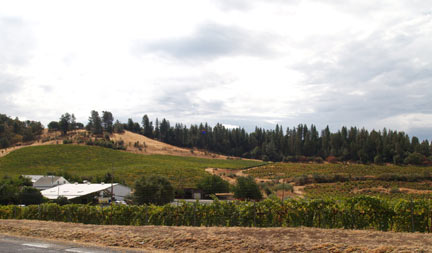
SE-Fall2010vineyards

Sobon Estate Vineyards

Although the Sauternes I have tasted are unmatched by any other sweet wine, with price points beginning in the $50 range, they are beyond my and many wine budgets. The same stands true with the mighty Portuguese “ports”, the Italian Moscato d’Asti and the German late-harvest Riesling Spatlese, so special that they command an exceedingly high tariff.  Though I would never dissuade someone from the opportunity to experience the world’s greatest dessert wines, common sense suggests that we look for other available choices that can still meet high standards at a more reasonable cost.  The following are the current vintages of some of my favorite dessert wines from California and the Pacific Northwest.

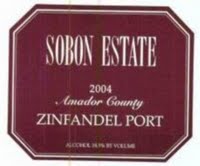
Sobon Estate has been a leading winery along the Shenandoah Trail in Amador County for several years, producing primarily zinfandel in the hills of Gold Rush country.  Sobon could provide one-stop shopping for all your dessert wine needs with their orange muscat, zinfandel port and a distinct white port consisting of Rhone grapes, roussanne and viognier.  The 2012 Sobon Estate Zinfandel Port ($13), like earlier vintages, is a wonderful port-style wine that includes the rich, fruitiness of good zinfandel.  This wine is perfect for discovering the complexities of modern dessert wines, moderately priced and high on quality.

One of the most unique California port-style wines available is the 2012 Sobon Estate Amador County White Port ($14) in which three Rhone

Sobon Estate Amador County Zinfandel Port

Sobon Estate Amador County Zinfandel Port

grapes are combined with orange muscat.  In that the grand white grapes from Portugal are not available, the French roussanne, viognier and marsanne are able substitutes, providing a rich, luscious wine that requires no other dessert.  The new 2012 ReZeerve Orange Muscat ($12) rounds out Sobon’s big three with the caution that they are all above 18% alcohol.

CSM-Ethos-Late-Harvest-Riesling.png_store

2011 Chateau Ste. Michelle Ethos Reserve Late-Harvest Riesling

As previously mentioned, late-harvest rieslings, mostly from Germany and the Alsace region of France, are among the most beautiful, aromatic and rich dessert wines anywhere.  Rated 92 pts by Wine Spectator magazine and still somewhat available at a few suburban outlets, the 2011 Chateau St. Michelle Ethos Reserve Late-Harvest Riesling ($35), from the Columbia Valley in Washington State is simply elegant throughout and the best finish to any meal.  A bit pricy, but bottles can be found and high ratings for dessert wines are not common.

Vincent Arroyo Winery in north Napa Valley has produced their petite sirah port-style wine for over twenty years in the authentic method of using grapes from one vintage only.  Petite sirah is accessible to many palates and some of the best comes from this region.  Clearly identified by a striking silver embossed label, 2012 Vincent Arroyo Port ($25) is fortified with wine spirits and, as most dessert wines, has rich, age-worthy flavors and a high alcohol content.

Visiting the winery years ago, I acquired two bottles of the 2009 vintage and one remains in my cellar.  We can only imagine how good it will be.

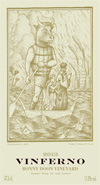
Bonny Doon Vineyards has released many creative and excellent dessert wines over the years. The latest 2013 Bonny Doon “Vinferno” ($24), made from 100% grenache blanc grapes, will certainly sustain their reputation.  From the Arroyo Seco appellation in Monterey County, these grapes were planted with the “botrytis rot” in mind, but our drought has not yet allowed that to happen.  It has extended the growing season enough that the “Vinferno” drinks like a late-harvest wine, perfect with after dinner cheeses.

2013 Bonny Doon "Vinferno"

2013 Bonny Doon “Vinferno”

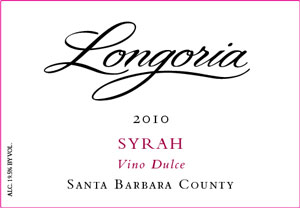
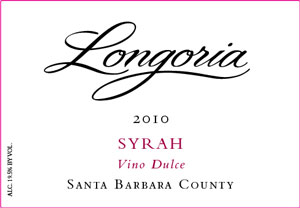
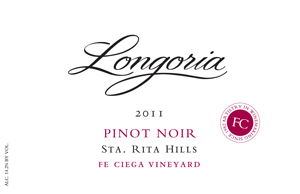
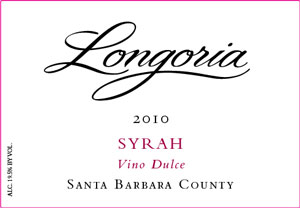
A few months ago I wrote of a dessert wine discovery from the Santa Ynez Valley in Santa Barbara County.  I first tasted the full-bodied 2010 Richard Longoria “Vino Dulce” Syrah Santa Barbara County ($23) paired with fine chocolate and all self-control immediately dissipated.  I have since shared the experience with others at the conclusion of a syrah and cheese tasting.  What I love about these new port-style, single-varietal wines is that, although they are fortified, one can smell and taste the complexities of the zinfandel, syrah and other grapes as well as the rich sweetness.  In nose and on palate, the  “Vino Dulce,”  spices are protuberant and the cherries are baked; balanced yet expressive.

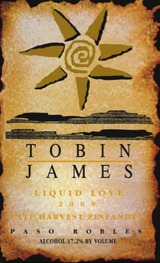
Tobin James Late-Harvest Zinfandel "Liquid Love"

Tobin James Late-Harvest Zinfandel “Liquid Love”

The best place to shop for any type of dessert wine under one roof is still Tobin James Cellars in Paso Robles.  Aside from their classic 2010 Tobin James Late-Harvest Zinfandel ($14), dubbed “Liquid Love”, they produce a late-harvest Riesling, a muscat, a sparkling muscat, a port and the 2012 Tobin James “Charisma ($20), a zinfandel dessert blend that I have enjoyed for years.

While most of the Tobin James dessert wines are moderately priced at $12, the 2011 Tobin James Port, “James Gang Reserve” ($25) is a bit more expensive but worth pursuing.

The now defunct Martin & Weyrich Winery, formerly in Paso Robles, for years, produced an award-winning dessert wine called “Muscato Allegro.”  Apparently there are still some older vintages of the Martin & Weyrich Muscato Allegro that have recently appeared on shelves of some suburban outlets.  Look for a distinctively shaped bottle in the dessert wine section and, if you find some, it may be very competitively priced.

2010 Longoria Syrah "Vino Dulce" Santa Barbara County

2010 Longoria Syrah “Vino Dulce” Santa Barbara County

For those curious about Sauternes, I did a quick net search of K&L Wines in both San Francisco and Hollywood and found several Sauternes priced in the $20-$30 range.  The top-rated wine was the 2001 Guiraud Sauternes ($65), which

received a 96 pt rating from Wine Spectator and was actually #23 on their Top 100 Wines of 2004 list describing flavors of “butterscotch and vanilla with hints of ripe apples.”  It’s there for the taking, but, as you have discovered, there are many delectable options.


Melville of the Santa Rita Hills


If your interest in viticulture and gardening evolves into a passion for the great Burgundian wines, the Santa Rita Hills appellation, north of Santa Barbara is where you want to be.  That, in a nutshell, is the story of Ron

Melville Estate vineyard

Melville Estate vineyard

Melville who left the business world to grow grapes in Sonoma’s Knights Valley area, leaving again nearly 30 years ago for north Santa Barbara County to pursue perfection in pinot noir and cool-climate chardonnay.  For years, the Melville Winery has been a staple among the many good wine makers in the prestigious Santa Rita Hills appellation near Lompoc.  With the understanding that everything evolves, now seemed to be a good time to re-visit the winery for an update.

Founder Ron Melville

Founder Ron Melville

The climate of this area can be described as consistently diverse enjoying morning fog, mid-day warmth and afternoon coastal breezes most days.  Managing the vineyards in this terroir to produce high quality fruit evolved into the production of Melville wines with the 1997 partnership between Melville and veteran winemaker, Greg

Winemaker Greg Brewer

Winemaker Greg Brewer

Brewer who was connected to many wineries, mostly known for his small-

production Brewer-Clifton Wines.  The collaboration has enjoyed sustained success that they credit to their desire to maintain small production values as the business grows.

As I sat down with General Manager Kurt Ammann to hear the Melville story, he stressed their efforts to ”stay in touch” with the wine.  One expression of this value is Brewer’s insistence on personally hand-pressing all juice at the early stages of fermentation, something that requires a seven-day work week during harvest season.

Our discussion also focused on three basic techniques or philosophies that best identify Melville:  1. Longer maceration periods, 2. Balancing whole-cluster fermentation vs. di-stemming and 3. No new oak in any wines. Although not unique to winemaking, here they are part of a conscientious effort to maintain intimacy and achieve a natural purity in their wines.

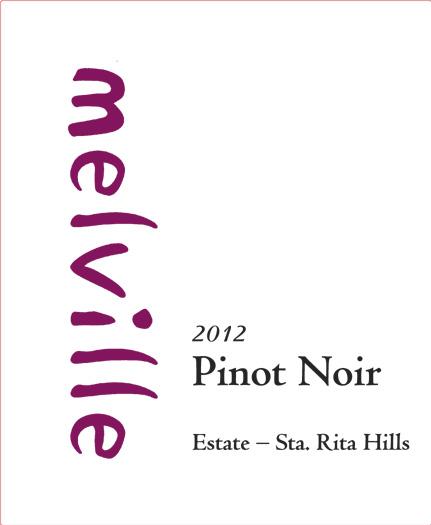
2012 Melville Estate Pinot Noir Santa Rita Hills

2012 Melville Estate Pinot Noir Santa Rita Hills

Whole cluster fermentation leaves the grape cluster intact, stems and all, while di-stemming frees only the individual grape for the crusher.  Melville believes that stems can add to the flavor of the wine and manage a balanced whole-cluster vs. di-stemming approach in their profile.  One example is the 2012 Melville Estate Pinot Noir($36) which uses grapes from all clones, 40% of them whole-cluster that adds an earthiness or “forest floor” element to the flavor of the wine.  I also found this wine to be wonderfully aromatic with a hint of vanilla in a classic pinot noir bouquet.

Maceration describes the process of exposing the primary juice to the grape skins.  It affects the color of the wine, adds tannins and enhances the aroma.  The impacts of maceration are best illustrated in a rose’ wine beginning with regular grapes that, with very limited skin exposure, evolve with pale colors, subdued aromas and are very drinkable at release. Melville chooses longer maceration periods for their juice, seeking balanced, age-worthy wines with depth.

Another unique attribute of Melville is that they use no (zero) new oak in any of their wines.  All of their oak barrels are two years or older.  I recently met a winemaker who produced one “zero” pinot noir, but here it is inclusive to all wines. The flavors of these wines are controlled solely by the terroir and the conviction that a “hands-on” approach can create flavors naturally.

Due west of the winery is a row of large, mature poplar trees that shield outdoor tasters and picnickers, and much of the vineyards from the afternoon winds.  The westerly vineyard clones thrive without their protection which secures the role of the poplar trees as a major factor in defining the different microclimates at Melville.

From the westerly side, Block M sits upon a mesa of clay loam soil that receives both strong wind and sun.

2012 Melville Pinot Noir Block M

2012 Melville Pinot Noir Block M

From some of the finest clones on the westside, the 2012 Melville Estate Pinot Noir Block M ($56), consisting of 80% whole-clustered grapes, is an exceptionally well-structured wine with a creamy mouthfeel and balanced flavors.  The “Block M” is aromatic; slightly floral with spice and the flavors are concentrated and lengthy, good traits for aging.

In California, we generally compare chardonnay by new oak vs stainless steel. Many consumers have learned

2013 Melville Estate Chardonnay Santa Ritas Hills

2013 Melville Estate Chardonnay Santa Ritas Hills

the benefits of each, principally when paired with food. Melville presents a new twist, differentiating stainless steel from bland, neutral oak only.  The “no new oak” 2012 Melville Estate Chardonnay ($26) expressed a nice Burgundian minerality followed by balanced citrus, tropical fruit, melon flavors and a very soft finish.

The French refer to stainless steel as “inox,” something that is prominent to the vast majority of their chardonnay.  The 2012 Melville Estate Chardonnay “Inox”($36) is cold-filtered and no oxygen is added to the juice.  While effective in

2013 Melville Chardonnay Clone 76 "Inox"

2013 Melville Chardonnay Clone 76 “Inox”

balancing the flavors, oxygen tends to restrict aromas which explains why this wine has such a striking bouquet of ripened melon.

The “Inox” is chardonnay in its purist from.  Hand-selected grapes are cold-fermented in small stainless steel tanks to retard any natural malolactic fermentation, yet still enhance the natural fruit flavors. There are floral hints and a creamy texture on the palate with a nice finish.  This wine’s 90-point ratings are well-deserved and I had to take a bottle home.

Cooler temperatures in the Santa Rita Hills appellation extends the growing season, at times, into November, allowing the grapes to fully ripen.  Aside from well-known calcareous soils, the natural sand along with the distinctive fog produce grapes that can literally be pressed into wines with fully balanced flavors and acidity.

Differences between cool-climate and warm-climate wines are very evident with the syrah grape, expressing higher acid and lower alcohol when temperatures cool and the opposite when they rise. The spice, peppery profile of syrah is most evident in the cooler microclimates of the Santa Rita Hills.  Such is true of the next wine in our tasting.

2012 Melville Estate Syrah Santa Rita Hills

2012 Melville Estate Syrah Santa Rita Hills

The 2012 Melville Estate Syrah ($32), fermented in neutral oak barrels, is wonderfully balanced with spice and floral hints present from the nose through the palate. Initially drawn to its deep, dark color, the multiple flavors and heavy texture intensify the complexity of the wine. Syrah from this region begs comparison with the fine Northern Rhone releases.

For me, the initial appeal of Melville Winery is their focus on Burgundian and Rhone varietals produced from 14 pinot noir clones, nine syrah and six chardonnay.  A closer look reveals a group that has a philosophy and commitment to making pure, distinctive wines that rely on nurturing the juice with “old school” processes and wonderful terroir.  For me, enjoying these varietals sans new oak was a unique experience, one that I will always identify with Melville wines.

Melville is one of a number of wineries to visit along Highway 246 in the Santa Rita Hills appellation between Buellton and Lompoc.  The Tuscan-style tasting room and outdoor patio area offer a wonderful

General Manager Kurt Ammann

General Manager Kurt Ammann

setting for tasting their wines and picnic areas are available for those who choose to bring a lunch.

Melville Winery tasting room

Melville Winery tasting room

Other wineries along this route include Foley Estate and Babcock, while adventuring a bit further into Lompoc, one can discover Fiddlehead Cellars, Loring Wine Company, Ampelos Cellars and other worthy wine makers.  Investing more time will “open up” additional wineries along the parallel Santa Rosa Road at the southern part of the appellation.  The appellations of Santa Barbara County are “at the table” with our State’s best wine regions and we are all fortunate to have them at our fingertips.


Anderson Valley Wines, 2014


Our second “Fork ‘n Cork 2014” adventure took us to the remote Buchner Estate in the mountains outside of Booneville to enjoy good food, some time with friends and explore wines in the Anderson Valley, the heart of California’s Mendocino County. Described in a 2013 WineOLYMPUS DIGITAL CAMERA Spectator article as the “New Frontier of Pinot Noir”, the region has managed through economic difficulties, a forest fire and obscurity to remain a wonderful terroir for the production of pinot noir, chardonnay, gewürztraminer, Riesling and others.
 

Webpage-photoTwo of the valley’s top rated pinot noir producing wineries listed in the 2013 article, Londers and Breggo, are no longer in business. So, these three days will be about exploring new and established small production wineries that represent the diversity and spirit of the region.


Foresight Wines


Upon my friend’s recommendation, we drove directly from San Francisco to Foresight Wines, located on CA128 at the south entrance to Booneville. Some good history with another winery sourcing grapes from their Charles Vineyard and the intrigue of a small vintner with long local lineage drew us to Foresight.


Bill and Nancy Charles made their mark in the Anderson Valley through lumber and construction before establishing the 15 acre Charles Vineyard in 2000, sourcing grapes to other vineyards with their first vintage in 2006. Today, daughter Kristi Charles and husband Joseph Webb work together to produce small lots of pinot noir, sauvignon blanc and, to my delight, Semillon from their estate vineyard.


The tasting began with the bone-dry 2011 Foresight Charles Vineyard Sauvignon Blanc ($20), from 100% stainless steel tanks with full malolactic fermentation, more indicative of the New Zealand style wines with a lively acidity and hints of citrus and lemongrass.

 

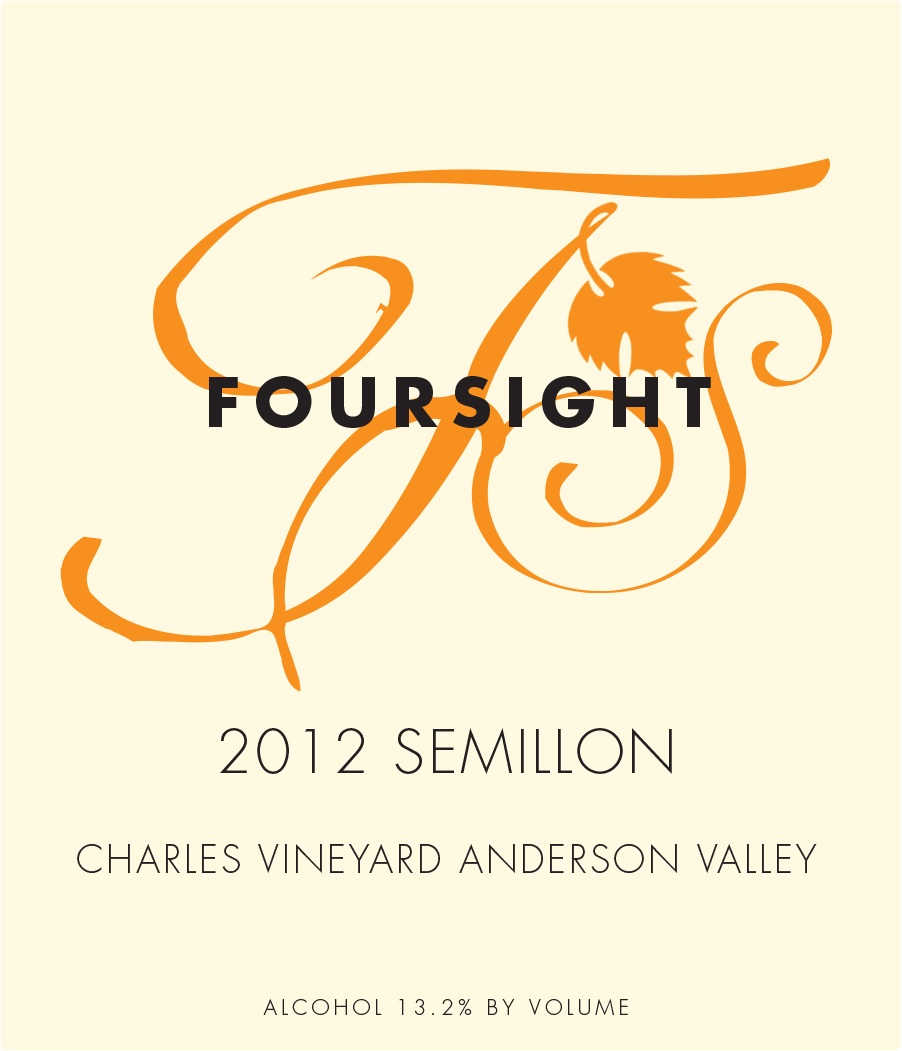
2012 Foresight Semillon Charles Vineyard

2012 Foresight Semillon Charles Vineyard

Rare to the Anderson Valley, Semillon is one of the three approved white grapes in the Bordeaux region of France where it is most often blended with Sauvignon Blanc. Also fairly abundant in Australia, I enjoy the soft “stone” that it typically conveys. The 2012 Foresight Charles Vineyard Semillon ($20) leads with a mineral nose and ends with a creamy texture and nice acidity. Unfiltered, fermented mostly in stainless steel, this wine lives up to its 90-pt ratings and was a perfect pair with the shrimp and scallop dish we serve the following evening.


Joseph the winemaker explained that eliminating any “new oak” influences to pinot noir enable a more true expression of its fruity flavors. The unique 2011

Foresight “Zero” Charles Vineyard Pinot Noir ($38) uses only oak barrels that are at least two years old, resulting in a wine with a vibrant fruity nose with matching flavors of cherries and dark berries.

2011 Pinot Noir "Zero"

2011 Pinot Noir “Zero”


Billed as their house-style pinot, the 2011 Foresight Charles Vineyard Pinot Noir ($46) is a blend of grapes from the vineyard’s four clones. Apparently, 2011 was an exceptionally cold year in the Anderson Valley giving advantage to those easterly vineyards, like Charles, that can still pick fully ripened grapes before the Fall rains. This result is a well-balanced wine with soft spice on the finish.


Catering to the need of the “heartbreak grape” to balance both hot and cold, the Anderson Valley offers unique opportunities and challenges to those seeking the perfect pinot noir. It has the largest temperature change, day to night, of any wine-growing region in the world, as high as 50 degrees. Any native knows that the middle of California’s far north gets extremely hot during the summer while the coast is encased in fog. The altitude and the welcome coastal breezes combine, with proper care, push it closer to perfection.


2011 Foresight Clone 05 Pinot Noir

2011 Foresight Clone 05 Pinot Noir

The best pinot noir that I tasted on this trip was the 2011 Foresight Clone 05 Charles Vineyard Pinot Noir ($48), 100% Pommard Clone with extended maceration and aged in two-thirds new French oak. The family has learned that this quality clone, in this terroir, does exceptionally well with new French oak. Pinot noir flavors are distinct, but texture and balance of this wine have resulted in well-deserved ratings in the nineties.

A few library wines and a barrel tasting concluded a very informative experience and great new discovery. Among the older wines, the 2009 vintage Charles Vineyard Pinot Noir ($49) was noteworthy with strong hints of star anise (licorice) on the nose and palate.


The barrel tasting revealed something special with local history involved. The well-known Londers Winery, no longer producing wine, created a popular pinot noir they called “Paraboll”, a wine that Joe Webb worked on. He is now crafting his own “Paraboll” to honor the Londers wine and, if the young juice in the barrel is any indication, the 2014 Foresight Charles Vineyard “Paraboll” would be something to buy futures in. In fact, I was impressed with detailed approach to winemaking, surely foresight that will lead to long-term, sustainable success.


Toulouse Winery
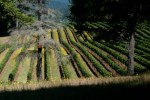
 

Toulouse Vineyard

Toulouse Vineyard

The Toulouse Winery began as a retirement venture for Vern and Maxine Boltz when they purchased, in 1997, a 160-acre parcel near the town of Philo. Today, they farm 320 acres of sustainable vineyards in a terroir that is ideal for pinot noir, but I was also searching for some little known white varietals that also thrive in this climate.


In lieu of typical crackers, our host at Toulouse dispensed fennel seeds to prepare and cleanse our palates before tasting each wine. Fennel seeds have a licorice, anise flavor that can also compliment the wine. Serving tasty dried cherries, spiced with sassafras and star anise with the 2010 Toulouse Anderson Valley Pinot Noir was also a clever idea. They complimented the earthy rhubarb and cola flavors of the wine in decadent fashion.
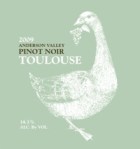
2009 Toulouse Pinot Noir Anderson Valley

2009 Toulouse Pinot Noir Anderson Valley


Our initial tasting was a very crisp, nicely astringent blend of Riesling (30%) and pinot gris (70%), balanced and flavorful at a low price. I found the 2011 Lautrec “Can-Can” White Table Wine ($12) to my liking with hints of grapefruit throughout a nice finish. A good quality food wine at this price is difficult to pass up.


In my subtle pursuit of unique California white varietals, I have learned that much of the state’s best Gewürztraminer comes from the Anderson
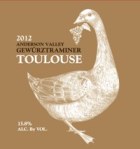
label_gewuerztraminer_2012

2012 Toulouse Gewürztraminer Anderson Valley

Valley. The 2012 Toulouse Gewürztraminer ($24) is a cool climate white wine, sourcing grapes from nearby vineyards and produced in an Alsatian-style, dry and aromatic. It is very floral, with honeysuckle, jasmine followed by nice hints of citrus, stone and tropical fruits.


Our group was also impressed with the pale; pink Toulouse Rose’ of Pinot Noir, a dry wine,expressing melon on the bouquet with nice strawberry essence throughout. Of course, we could not leave without tasting the 2008 Lautrec Pinot Noir, their very drinkable fire damaged release with “everything smoky.” Serve it with BBQ ribs right off the grill and see when happens.


As I was leaving, a woman stopped and invited me to taste their 2010 Toulouse Riesling Estate ($24) that became one of the most notable wines of the trip. Reminding me of Riesling from the Spatlese appellation in Germany, the wine expressed soft floral bouquet and a nice mouth-feel with stone fruits, pineapple and spice flavors, balanced and dry.


Phillip Hill Winery


Our third boutique winery, Phillips Hill, started making wine in 2002, producing less than 1,500 cases annually. Aside from their nice wines, I appreciate the effort it took to create an olfactory “smell” room to assist people in identifying typical bouquets and flavor in wine.


In an “old barn” setting, the tasting started with the 2013 Phillips Hill Chardonnay “Ridley Vineyard” ($30) with a nice mineral element to balance the stone fruits. However, the white wine that stood out was the 2013 Phillips Hill Gewürztraminer ($20) an
2012 Phillips Hill Gewürztraminer

2012 Phillips Hill Gewürztraminer

austere, but fruit forward release with hints of apple and grapefruit that converted a few of our members to the varietal.


We soon moved from whites to tasting a flight of the four current pinot noir releases. I recommend all of them, including 2011 Phillips Hill “Boontling” Pinot Noir ($25), named for the local jargon and utilizing grapes from various valley vineyards to create classic pinot aroma and taste. Although the Cerise and Ridley Vineyards are both in the Anderson Valley, they represent two distinct AVA designated

2011 Phillips Hill Two Terroirs Pinot Noir

2011 Phillips Hill Two Terroirs Pinot Noir

appellations or “two terroirs.” The 2011 Phillips Hill “Two Terroirs” Pinot Noir ($40) was the big, earthy wine of the flight, with healthy tannins, spice on the finish and a prosperous future.


The final wines were single-vineyard releases, one from Elk, CA and the other from Comptche, five miles inland from the Pacific Ocean.   Both the 2011 Phillips Hill Oppenlander Vineyard Pinot Noir ($40) and the 2012 Phillips Hill Valenti Vineyard Pinot

2012 Phillips Hill Valenti Vineyard Pinot Noir

2012 Phillips Hill Valenti Vineyard Pinot Noir

Noir ($45) expressed the complexities and rich texture throughout and were both exceptional wines. Because of stories of a superb 2012 vintage in the vineyards surrounding Elk, Ca, I chose the younger Valenti Vineyard release that is already showing forward fruit flavors of pomegranate and strawberry along with full spice on the finish. One can only imagine what a few more months in the bottle can bring.


Two hours north of San Francisco, Booneville and the Anderson Valley deliver a slower, more remote lifestyle to relax and also discover emerging, innovative wine makers producing unique wines of high quality. The people are friendly, the stories are abundant and the stars exploding in the night sky is worth the effort to get there.


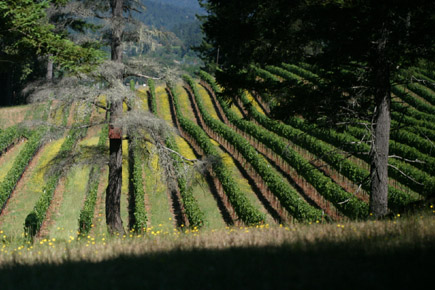
Our second “Fork ‘n Cork 2014” adventure took us to the remote Buchner Estate in the mountains outside of Booneville to enjoy good food, sometime with friends and explore wines in the Anderson Valley, the heart of California’s Mendocino County. Described in a 2013 Wine vineyard_1Spectator article as the “New Frontier of Pinot Noir”, the region has managed through economic difficulties, a forest fire and obscurity to remain a wonderful terroir for the production of pinot noir, chardonnay, gewürztraminer, Riesling and others.


Two of the valley’s top rated pinot noir producing wineries listed in the 2013 article, Londers and Breggo, are no longer in business. So, these three days will be about exploring new and established small production wineries that represent the diversity and spirit of the region.


Foresight Wines


Upon my friend’s recommendation, we drove directly from San Francisco to Foresight Wines, located on 128 at the south entrance to Booneville. Some good history with another winery sourcing grapes from their Charles Vineyard and the intrigue of a small boutique with long local lineage drew us to Foresight.


Bill and Nancy Charles made their mark in the Anderson Valley through lumber and construction before establishing the 15 acre Charles Vineyard in 2000, sourcing grapes to other vineyards with their first vintage in 2006. Today, daughter Kristi Charles and husband Joseph Webb work together to produce small lots of pinot noir, sauvignon blanc and, to my delight, Semillon from their estate vineyard.


The tasting began with the bone-dry 2011 Foresight Charles Vineyard Sauvignon Blanc ($20), from 100% stainless steel tanks with full malolactic fermentation, more indicative of the New Zealand style wines with a lively acidity and hints of citrus and lemongrass.


Rare to the Anderson Valley, Semillon is one of the three approved white grapes in the Bordeaux region of France where it is most often blended with Sauvignon Blanc. Also fairly abundant in Australia, I enjoy the soft “stone” that it typically conveys. The 2012 Foresight Charles Vineyard Semillon ($20) leads with a mineral nose and ends with a creamy texture and nice acidity. Unfiltered, fermented mostly in stainless steel, this wine lives up to its 90-pt ratings and was a perfect pair with the shrimp and scallop dish we serve the following evening.


Joseph the winemaker explained that eliminating any “new oak” influences to pinot noir enable a more true expression of its fruity flavors. The unique 2011

Foresight “Zero” Charles Vineyard Pinot Noir ($38) uses only oak barrels that are at least two years old, resulting in a wine with a vibrant fruity nose with matching flavors of cherries and dark berries.


Billed as their house-style pinot, the 2011 Foresight Charles Vineyard Pinot Noir ($46) is a blend of grapes from the vineyard’s four clones. Apparently, 2011 was an exceptionally cold year in the Anderson Valley giving advantage to those easterly vineyards, like Charles, that can still pick fully ripened grapes before the Fall rains. This result is a well-balanced wine with soft spice on the finish.


Catering to the need of the “heartbreak grape” to balance both hot and cold, the Anderson Valley offers unique opportunities and challenges to those seeking the perfect pinot noir. It has the largest temperature change, day to night, of any wine-growing region in the world, as high as 50 degrees. Any native knows that the middle of California’s far north gets extremely hot during the summer while the coast is encased in fog. The altitude and the welcome coastal breezes combine, with proper care, push it closer to perfection.


The best pinot noir that I tasted on this trip was the 2011 Foresight Clone 05 Charles Vineyard Pinot Noir ($48), 100% Pommard Clone with extended maceration and aged in two-thirds new French oak. The family has learned that this quality clone, in this terroir, does exceptionally well with new French oak. Pinot noir flavors are distinct, but texture and balance of this wine have resulted in well-deserved ratings in the nineties.

A few library wines and a barrel tasting concluded a very informative experience and great new discovery. Among the older wines, the 2009 vintage Charles Vineyard Pinot Noir ($49) was noteworthy with strong hints of star anise (licorice) on the nose and palate.


The barrel tasting revealed something special with local history involved. The well-known Londers Winery, no longer producing wine, created a popular pinot noir they called “Parabol”, a wine that Joe Webb worked on. He is now crafting his own “Parabol” to honor the Londers wine and, if the young juice in the barrel is any indication, the 2014 Foresight Charles Vineyard “Parabol” would be something to buy futures in. In fact, I was impressed with detailed approach to winemaking, surely foresight that will lead to long-term, sustainable success.


Toulouse Winery


The Toulouse Winery began as a retirement venture for Vern and Maxine Boltz when they purchased, in 1997, a 160-acre parcel near the town of Philo. Today, they farm 320 acres of sustainable vineyards in a terroir that is ideal for pinot noir, but I was also searching for some little known white varietals that also thrive in this climate.


In lieu of typical crackers, our host at Toulouse dispensed fennel seeds to prepare and cleanse our palates prior to tasting each wine. Fennel seeds have a licorice, anise flavor that can also compliment the wine. Serving tasty dried cherries with sassafras and star anise with the 2010 Toulouse Anderson Valley Pinot Noir was also a clever idea. They complimented the earthy rhubarb and cola flavors of the wine in decadent fashion.


Our initial tasting was a very crisp, nicely astringent blend of Riesling (30%) and pinot gris (70%), balanced and flavorful at a low price. I found the 2011 Lautrec “Can-Can” White Table Wine ($12) to my liking with hints of grapefruit throughout a nice finish. A good quality food wine at this price is difficult to pass up.


In my subtle pursuit of unique CA white varietals, I have learned that much of the state’s best Gewurztraminer comes from the Anderson Valley. The 2012 Toulouse Gewurztraminer ($24) is a cool climate white wine, sourcing grapes from nearby vineyards and produced in an Alsatian-style, dry and aromatic. It is very floral, with honeysuckle, jasmine followed by nice hints of citrus, stone and tropical fruits.


Our group was also impressed with the pale; pink Toulouse Rose’ of Pinot Noir, a dry wine,expressing melon on the bouquet with nice strawberry essence throughout. Of course, we could not leave without tasting the 2008 Lautrec Pinot Noir, their very drinkable fire damaged release with “everything smoky.” Serve it with BBQ ribs right off the grill and see when happens.


As I was leaving, a woman stopped and invited me to taste their 2010 Toulouse Riesling Estate ($24) that became one of the most notable wines of the trip. Reminding me of Riesling from the Spatlese appellation in Germany, the wine expressed soft floral bouquet and a nice mouth-feel with stone fruits, pineapple and spice flavors, balanced and dry.


Phillip Hill Winery


Our third boutique winery, Phillips Hill, started making wine in 2002, producing less than 1,500 cases annually. Aside from their nice wines, I appreciate the effort it took to create an olfactory “smell” room to assist people in identifying typical bouquet in wine.


In an “old barn” setting, the tasting started with the 2013 Phillips Hill Chardonnay “Ridley Vineyard” ($30) with a nice mineral element to balance the stone fruits. However, the white wine that stood out was the 2013 Phillips Hill Gewurztraminer ($20) an austere, but fruit forward release with hints of apple and grapefruit that converted a few of our members to the varietal.


We soon moved from whites to tasting a flight of the four current pinot noir releases. I recommend all of them, including 2011 Phillips Hill “Boontling” Pinot Noir ($25), named for the local jargon and utilizing grapes from various valley vineyards to create classic pinot aroma and taste. Although the Cerise and Ridley Vineyards are both in the Anderson Valley, they represent two distinct AVA designated appellations or “two terroirs.” The 2011 Phillips Hill “Two Terroirs” Pinot Noir ($40) was the big, earthy wine of the flight, with healthy tannins, spice on the finish and a prosperous future.


The final wines were single-vineyard releases, one from Elk, CA and the other from Comptche, five miles inland from the Pacific Ocean.   Both the 2011 Phillips Hill Oppenlander Vineyard Pinot Noir ($40) and the 2012 Phillips Hill Valenti Vineyard Pinot Noir ($45) expressed the complexities and rich texture throughout and were both exceptional wines. Because of stories of a superb 2012 vintage in the vineyards surrounding Elk, Ca, I chose the younger Valenti Vineyard release that is already showing forward fruit flavors of pomegranate and strawberry along with full spice on the finish. One can only imagine what a few more months in the bottle can bring.


Two hours north of San Francisco, Booneville and the Anderson Valley deliver a slower, more remote lifestyle to relax and also discover emerging, innovative winemakers producing unique wines of high quality. The people are friendly, the stories are abundant and the stars exploding in the night sky is worth the effort to get there.


Syrah and Cheese Pairing


A well-known “wine sage’ recently told me that California consumers don’t respect syrah. I disagreed, highlighting its adaptability to our diverse regions and, of course, the great Rhone blends coming out of Paso Robles. Then, my friend asked me how much syrah I actually drink.


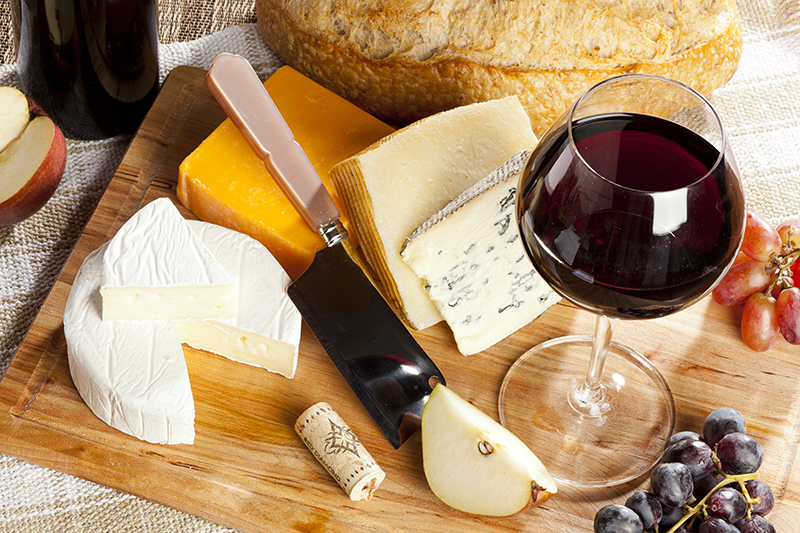
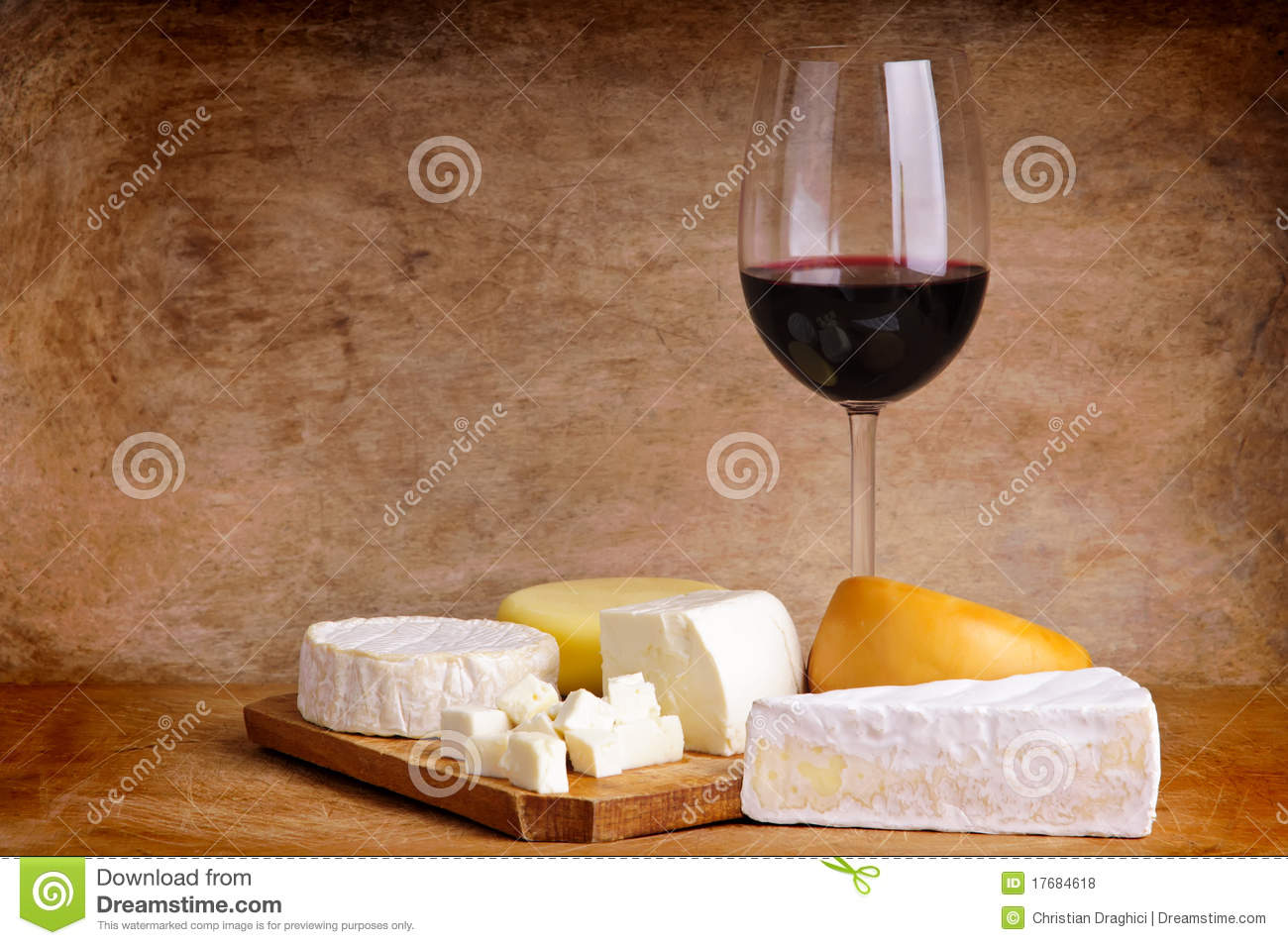
Admittedly, eliminating meat from my diet has minimized syrah as a food pairing choice, but a quick inventory of my cellar confirmed that wineandcheesetasting1some very good wines have been waiting too long for attention. The pride in my collection of syrah wines was not making it to my palate.


I quickly resolved to share my finest syrah, pair it with some world cheeses and host a tasting event to support a local high school art project. Contrary to the fairly uncomplicated selection of the wines, the cheeses would require more research.


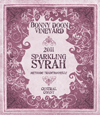
As fate would have it, weeks after deciding to host the event, I received, as a D.E.W.N. member, a bottle of 2011 Bonny Doon Sparkling Syrah ($36), another Randall Grahm experiment. This was a wonderful coincidence that resolved the issue of our welcoming toast in a very unique way. Pairing it with a cheese creates a new thorny issue.

2011 Bonny Doon Sparkling Syrah

2011 Bonny Doon Sparkling Syrah


Pairing cheese with syrah is difficult because the grape is so diverse and a limited number of cheeses will stand up to its earthy, spice flavors. Another small disappointment is that the popular triple crème and brie cheeses are out of the question even though they are generally excellent pairs with sparkling wine.


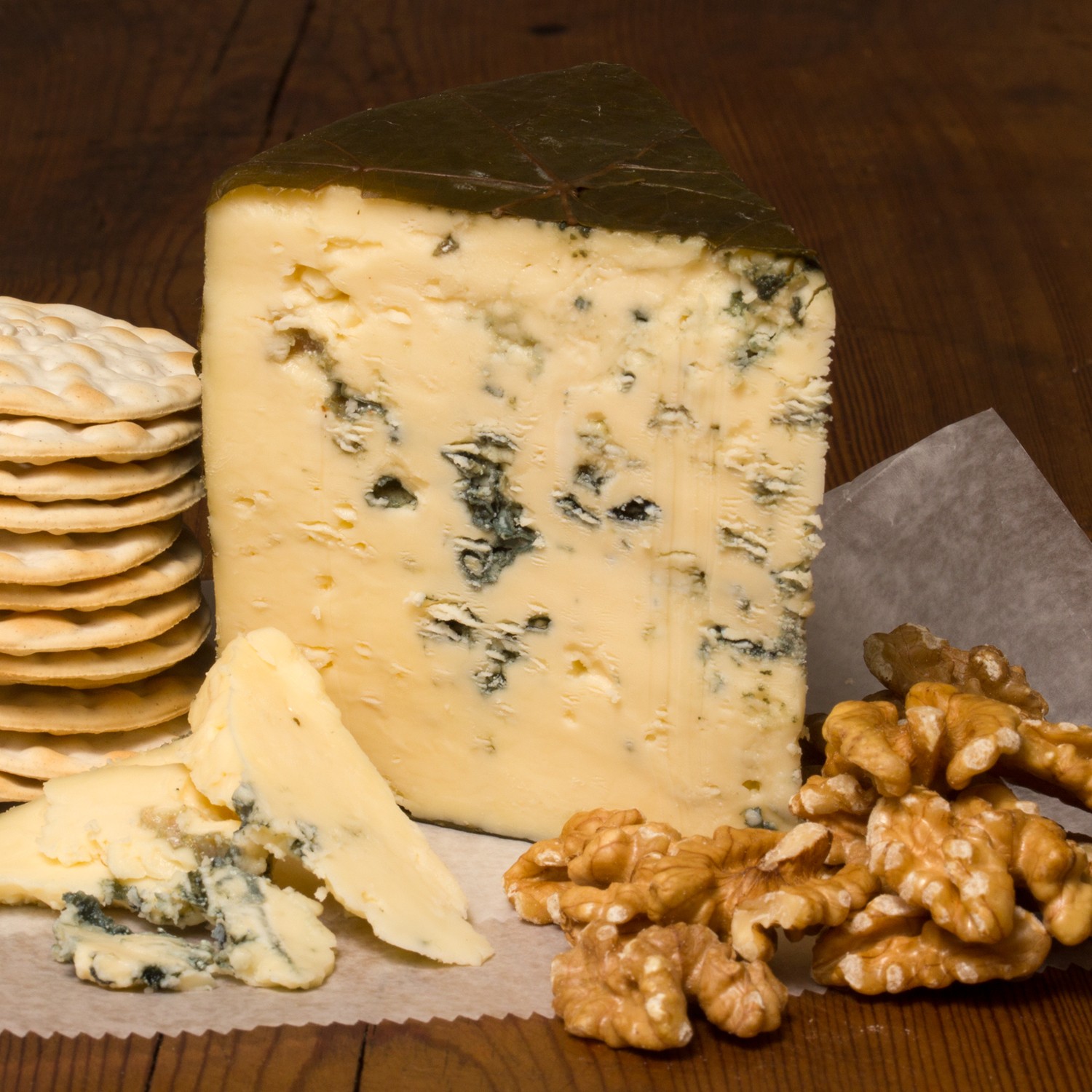
Taking a bit of a risk, I chose the Rogue River Blue from the Rogue Creamery in Southern Oregon to pair with our sparkling syrah. As a

Rogue River Blue from Rogue Creamery

Rogue River Blue from Rogue Creamery

blue cheese, the Rogue River lacks the aggressive bite and has an exceptionally creamy texture. The fact that the cheese is wrapped with syrah grape leaves soaked in brandy was novel, but would it balance the smoky, candied fruit flavors of the sparkling syrah. The answer will come from the tasters.


My desire to showcase the breadth of syrah demanded that we include, in addition to my California selections, examples from Australia and the northern Rhone Valley in France where it originated. My resources at Monopole Wine in Pasadena recommended a syrah/Grenache blend from the Barossa Valley in South Australia and a Northern Rhone syrah. We are ready to complete our pairings


Generally, semi-firm cheeses with intense flavor profiles are the best matches for seasoned syrah. Old World cheddars, blues and Spanish sheep cheeses with forceful flavors seem to balance the wine on the palate and add a global perspective.


Our guests were reminded to judge each wine for color, texture, bouquet and flavor. The cheeses were unique and were rated individually as well as their compatibility to the wine. Of course, the progression is always a sip of wine, a taste of cheese and a second sip of wine.


To my previous point, I was relieved that our “welcome pairing” of the 2011 Bonny Doon Sparkling Syrah and the Rogue River Blue cheese from Oregon worked and was one of the day’s favorites. I typically serve the Rogue River Blue covered in honey as a dessert. Its darker color, buttery texture and more austere creamy flavors make it approachable even for those who avoid blue cheeses. The deep violet color, atypical for a sparkling wine, delivered a blend of candied berries and savory flavors. Aside from 17% Grenache, all of the remaining syrah grapes (83%) were sourced from the Jespersen Vineyard in San Luis Obispo County, a nice transition to our next pair.

2010 Bonny Doon Syrah Jespersen Vineyard

2010 Bonny Doon Syrah Jespersen Vineyard


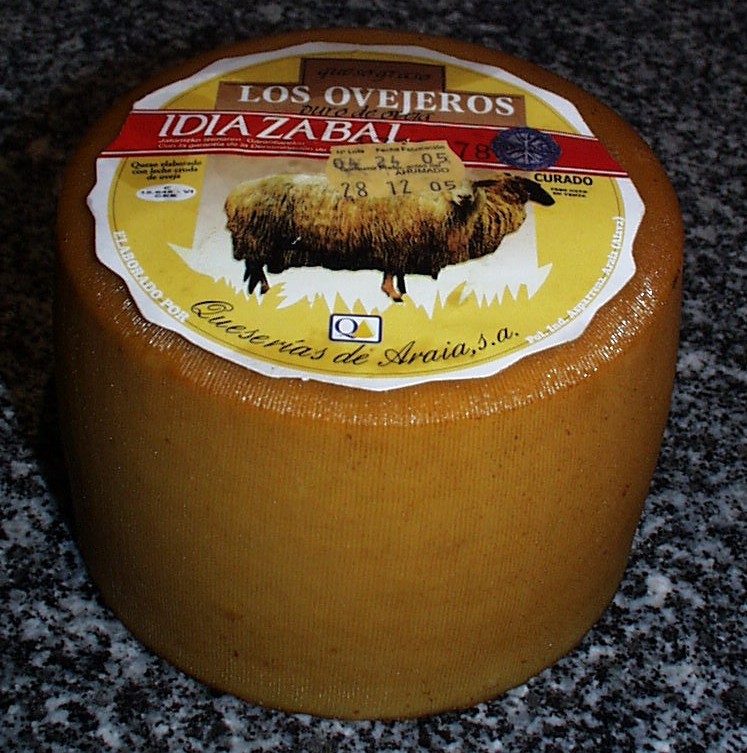
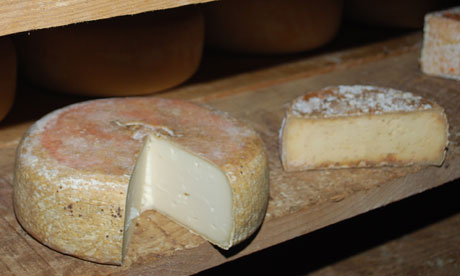
Since the 2007 vintage, Bonny Doon’s Randall Grahm has introduced four 100% syrah wines, each sourced from hand-selected vineyards throughout the state. All of the grapes for our next wine, the 2010 Bonny Doon Syrah “Jespersen Vineyard” ($45) come from the same vineyard as the sparkling syrah. I matched the wine with the smoky Idiazabal, a semi-firm, raw sheep cheese from the northern Spain Basque region near the Pyrenees Mountains.


Idiazabal ewe cheese from Spain

Idiazabal ewe cheese from Spain

The “Jespersen” syrah is more fruit forward then others with slightly pronounced berries and plum flavors supported by an earthy mouth-feel. Idiazabal is best when it is mature, but not over-aged. The smokiness and buttery texture are subdued enough to enhance, not deflect the flavor of the wine.

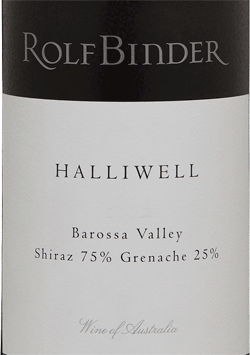
Carrying on with fruit forward syrah, our second pour was the luscious 2007 Halliwell Syrah/Grenache ($30) from the Barossa

2007 Halliwell Syrah-Grenache

2007 Halliwell Syrah-Grenache

Valley in South Australia. Syrah and Grenache are two grapes whose flavor profile is significantly changed by the heat from “down under.” The fruit flavors in syrah emerge to the surface more than in the moderate Rhone Valley climate. In fact, the unblended syrah wines are

such distinctive “fruit bombs” that the Aussies renamed them Shiraz.


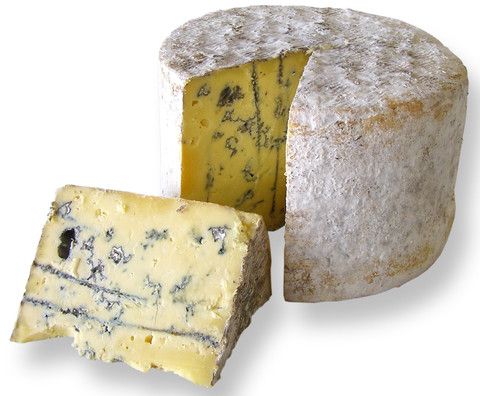
Staying within the continent, I selected the Windsor Blue cow cheese from New Zealand, a full-bodied 2006

Windsor Blue Cheese from New Zealand

Windsor Blue Cheese from New Zealand

Supreme Champion that remains creamy, buttery and as delicate as blues come. This was, possibly, my favorite paring of the day.


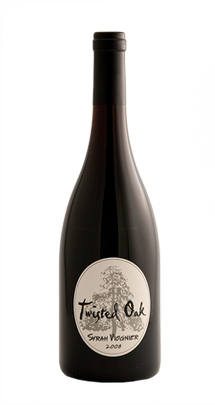
Destined to be the challenging pair of the tasting, the 2008 Twisted Oak Syrah/Viognier ($32) from Calaveras County and the English Barbers 1833 Vintage Reserve Cheddar became the overwhelming

favorite of the group. Always big and earthy, this particular wine has some age to it and, fearful of its tannins, I decanted it for a few hours. The result was a big, earthy wine, boasting flavors of both bacon and caramel that was perfectly balanced throughout.


2008 Twisted Oak Syrah Viognier

2008 Twisted Oak Syrah Viognier

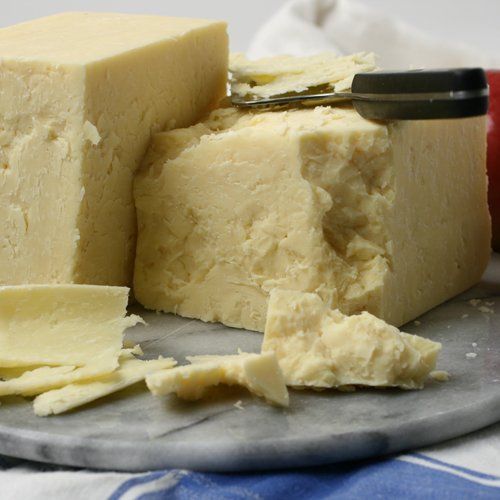
This wine needed the oldest cheddar in the United Kingdom, known for intense, deep flavors and the “Barbers 1833”

Barbers 1833 Vintage Reserve Cheddar

Barbers 1833 Vintage Reserve Cheddar

pushed the pair over the top.


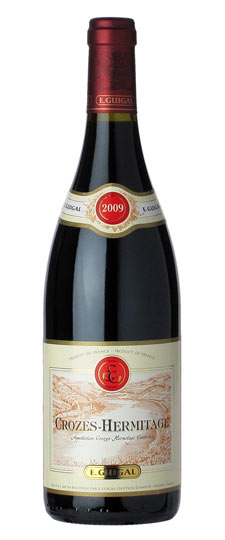
Next, we went all French with the 2009 Crozes-Hermitage Syrah ($35) from the northern Rhone Valley and Ossau-Iraty,

an ewe cheese from the southern Basque region north of the Pyrenees Mountains. While the 92-pt wine and cheese both expressed diverse flavors from black olives and pepper to currants, licorice and caramel, they were exceptionally composed with a healthy earthiness.


In an appellation that takes its name from both the Ossau Valley and nearby Iraty Forest, local producers have

Ossau-Iraty cheese from southern France

Ossau-Iraty cheese from southern France

perfected a cheese that is nutty and salty enough to enhance the right bottle of wine. In reverse, the wine augmented the caramel notes of the cheese. This was also one of my preferred pairs of the day.

2009 Crozes-Hermitage Syrah

2009 Crozes-Hermitage Syrah


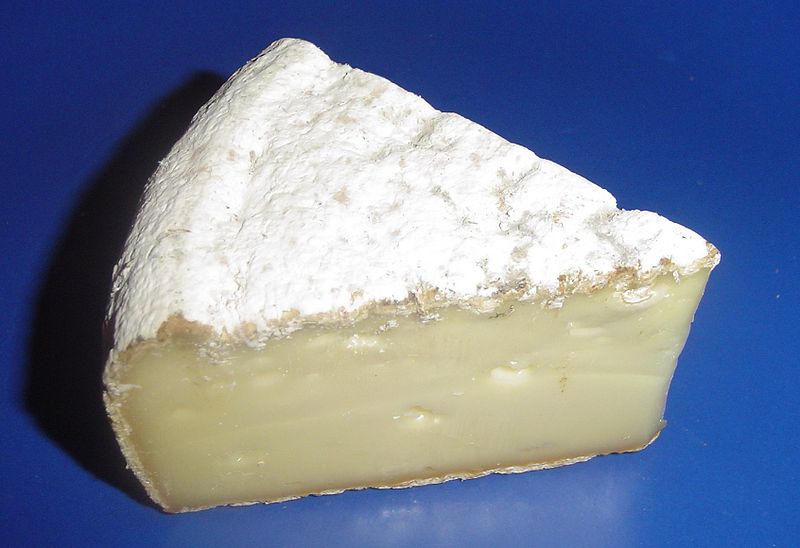
From one of the best and most respected vineyards in California, Bien Nacido in the Santa Maria Valley, Randall Grahm sources grapes for, arguably, his best single vineyard syrah. Those who are familiar with California syrah and pinot noir know that the Bien Nacido Vineyard has been sourcing grapes to top winemakers for years. It is an honor and a good marketing tool to display their name on your label. I chose another French cheese, Tomme de Savoie to pair with the 2007 Bonny Doon Syrah Bien Nacido Vineyard ($55) because of its earthy, meaty qualities that were compatible with

2007 Bonny Doon Syrah Bien Nacido Vineyard

2007 Bonny Doon Syrah Bien Nacido Vineyard

this powerfully elegant wine, sensible and spicy.

Tomme de Savoie

Tomme de Savoie


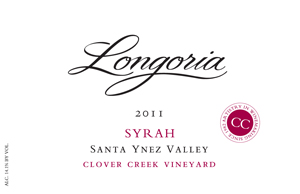
We concluded the tasting with the 2011 Longoria Syrah “Vino Dulce” ($23), a dessert wine fortified with brandy that was aptly paired with chocolate. We recently discovered this complex, yet yummy port-style wine while visiting the well-known Santa Barbara County winemaker’s Los Olivos tasting room and it served as the perfect ending.


I asked each participant to evaluate each wine independently. Of course, with 15 tasters, conversation played a role in determining 2010-Syrah-Port-web-2everyone’s top two preferences. While not the diversity of opinion I expected, the overwhelming choice for top wine was the 2008 Twisted Oak Syrah/Viognier from Calaveras County. I had tasted this wine a few years ago and found it a bit young and acidic, but with good potential. As a precaution, I decanted the wine for nearly two hours before serving which enhanced a syrah that had already evolved into power and elegance. The 2009 Longoria “Vino Dolce” dessert wine was a distant second place followed by the Halliwell Syrah/Grenache from Australia.


As for the cheese, the Rogue River Blue and the Windsor Blue, both moderate flavored cheeses with exceptional creamy texture and balanced flavors were the top choices followed closely by the Barbers 1833 Vintage Reserve Cheddar, the top release from England’s oldest cheddar region.


As for me, I created the pairing and am, obviously, partial to all of them. However, amidst the busy tasting, I did feel a connection between the 2009 Crozes-Hermitage Syrah and the Ossau-Iraty, both from France and with the most diverse flavor profile.?????????????????????????????????????????????????????????????????????????????


I order most of my gourmet cheeses from igourmet.com that delivers huge selections with high quality to your doorstep on a designated date. With some research, good syrah can be found at larger outlets, but if you get serious about the grape, there are shops like Monopole that can walk you through those, foreign and domestic, that will give you the “best bang” within your budget.


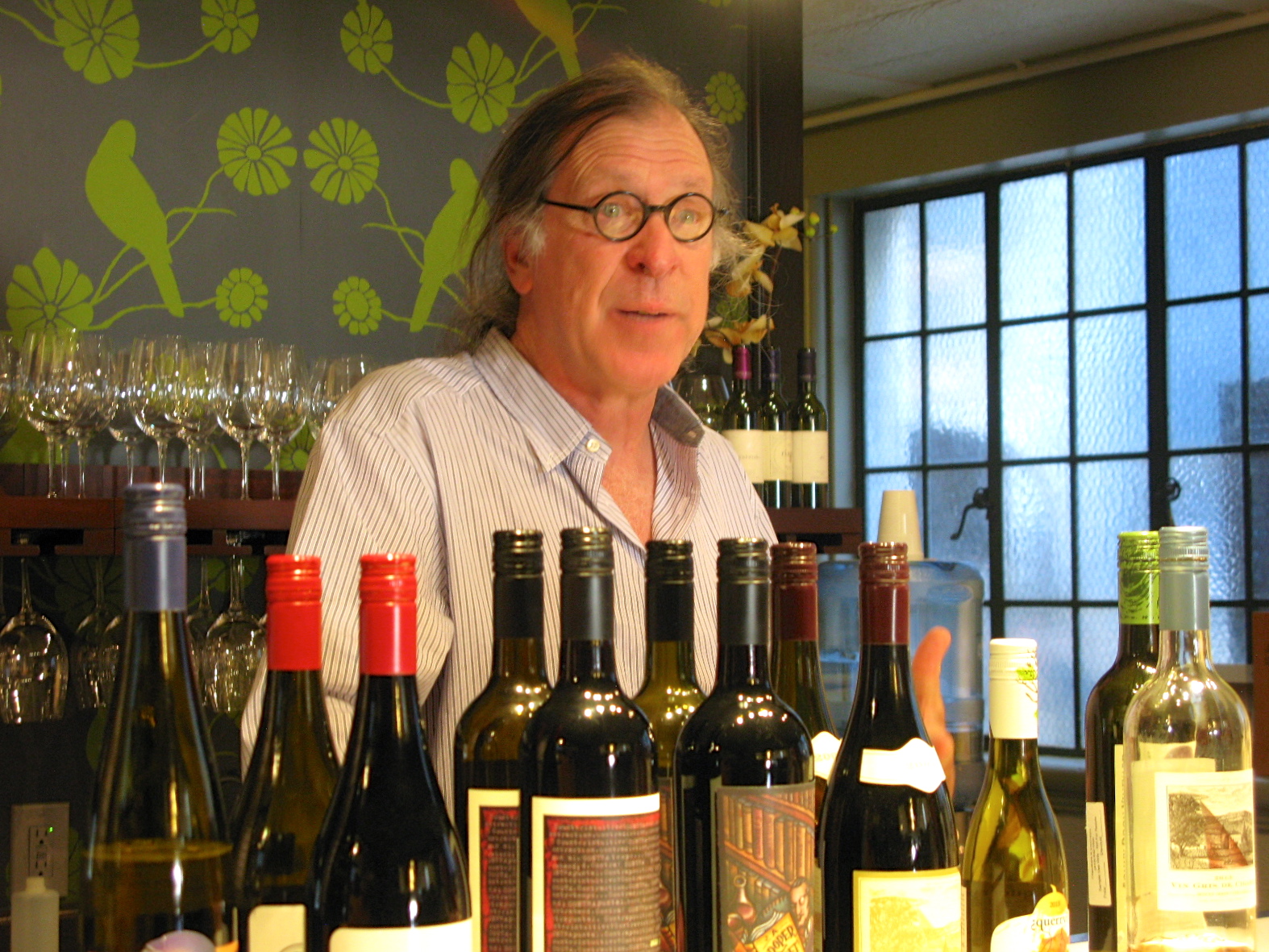
Randall Grahm and his Bonny Doon


Photos by Karen Norton


Randall Grahm is iconic. He is a piece of any discussion of the history of California winemaking. Known as the original “Rhone Ranger”, it all started from his desire to create the perfect pinot noir and believing it could be done in the Santa Cruz Mountains. He began with a thirty-acre parcel in the small burg of Bonny Doon, sharing its Scottish heritage with the other small enclaves like Ben Lomond, Loch Lomond and Scott’s Valley, which have been part of the Santa Cruz Mountains persona forever.

Randall Grahm

Randall Grahm


He still loves the mineral elements and austerity of the great Burgundian wines, but is best known for introducing Rhone varietals and blends to California with Grenache, syrah, mourvedre, cinsault and others. The diversity of his palate, along with a willingness to take risks in the name of creativity has afforded Randall an adventurous appeal with wine lovers over the years.


Having chosen to divest myself from the restricted nature of most wine clubs, I am proud to have been, in good standing, a member of the Distinctive Esoteric Wine Network (D.E.W.N.) for nearly twenty years. With good wine as a given, Bonny Doon Vineyards will often introduce me to new varietals and blends, often produced from vineyards in the most obscure locations, each with a story brought to life through Randall’s arcane tasting notes, carefully selected labels and screw cap bottles, that he fervently contends are superior to cork. I enjoy his newsletters knowing that they will require multiple readings to fully comprehend. Reading them with a glass of wine helps.


logoAn opportunity to taste some current Bonny Doon releases with Randall brought me to Monopole Wine in Pasadena on a Tuesday evening. Always embracing variety and pushing some envelope, no two Bonny Doon tastings are alike and while most of the selected wines were familiar, this one would be special.

"The Flight"

“The Flight”


One of Bonny Doon’s most acclaimed wines begs the question, “What is a Vin Gris?” It is a rose’ wine formed by limited contact with skins,

2012 Bonny Doon Vin Gris de Cigare

2012 Bonny Doon Vin Gris de Cigare

made, not as a byproduct of red wine production, but artistically created with fine grapes blended together in the optimum manner. The acclaimed 2013 Bonny Doon Vin Gris de Cigare ($18) is a blend of seven Rhone Valley grapes, red and white, that balance the dominant Grenache, with the help of some post-fermentation “batonage”, to make a simple wine with extraordinary creamy texture and flavors that don’t “fatigue the palate.”

If you like pink or “salmon” wines, this is a must.


Some time ago, as a loyal D.E.W.N. member, I was sent two bottles of something called “Querry Cider.” Admittedly not a fan of hard cider, this one was of interest not only because it was sparkling but also comprised of natural pear, apple and quince, fermented in their natural yeasts. Quince is a small pome fruit from a deciduous tree that resembles a pear and taste like a “pearapple”.


All of the ingredients are fermented together with mesh bags of milled quince hung in the tanks. The resulting 2011 Bonny Doon “Querry” Sparkling Hard Cider ($16)  is low alcohol, crisp, bone-dry and ready to refresh us all on a warm summer day.  As Randall says, “I never thought I’d see…a pome as lovely as Querry.”

2011 Bonny Doon ?Querry? Sparkling Hard Cider

2011 Bonny Doon ?Querry? Sparkling Hard CiderQuerry Sparkling Hard Cider ($16) is low alcohol, crisp, bone dry and ready to refresh us all on a warm summer day. As Randall says, “I never thought I’d see…a pome as lovely as Querry.”


A discussion of the need for more austere wines prompted Randall to open a bottle of his 2012 Heart Has It’s Riesling ($18), the label adding evidence of his hands-on involvement from soil to shelf and all in-between. With only nine percent alcohol, this wine resembles a German Kabinett-style Riesling, crisp, acidic

2012 Bonny Doon "The Heart Has It's Riesling"

2012 Bonny Doon “The Heart Has It’s Riesling”

with pleasant earthy, mineral nuances.


San Francisco Chronicle Wine Editor Jon Bonne’ described the 2012 Bonny Doon “Clos du Gilroy” ($20) as “uncomplicated delicious” while Wine Spectator magazine called it one of “10 Bold California Reds” with a rating of 91 pt.   Actually coined as “the wine formerly known as Clos Du Gilroy”, the grapes for this Grenache (75%), syrah (17%) and mourvedre (8%) blend now come from the Alta Loma vineyard in Greenfield, CA and vineyards in Santa Maria and the Sacramento Delta.


Described by its maker as “liquid cranberry sauce,” the Grenache dominant wine, fermented in all stainless steel, is peppery like syrah and a nice complement to spicy Asian foods

2013 Bonny Doon "Clos du Gilroy"

2013 Bonny Doon “Clos du Gilroy”


There is nothing ordinary about the 2011 Bonny Doon “Contra” ($18). Firstly, it primarily consists of old vine carignane from the Sacramento Delta communities of Antioch and Oakley in Contra Costa County, east of the San Francisco Bay. These are hardly recognizable vineyards unless you are searching for carignane and mourvedre vines in California.

Secondly, the careful selection of secondary grapes is an education of diverse California appellations in one bottle.


2011 Bonny Doon "Contra"

2011 Bonny Doon “Contra”

Carignane, a Spanish/French grape that is planted throughout the Mediterranean region, adds concentrated fruit and berry flavors, but looks to others for complexity and balance. In the Rioja region of Spain, carignane, known as mazuelo, blends effectively with tempranillo. Here, while Randall explains that carignane vines “must be old to be good”, it leans to mourvedre and a small exotic

array of grapes from Monterey County, San Luis Obispo and the Santa Maria Valley. The concoction is mixed together with some oak chips in stainless steel tanks.


The result is a complex, reasonably priced red wine that will stand up to red meats, even spicy BBQ ribs and, as we were reminded, “all Bonny Doon wines pair well with pork products.” This wine is very drinkable now with some decanting, but Randall estimated that it could age well for another 12-14 years.


“Claret” is the English word for “Bordeaux,” an alien blend to Bonny Doon, produced here through Randall’s predilection for a more austere wine. He declares that “there is this false belief that new Cabernet Sauvignon from Napa Valley must be 14% alcohol,” defending his “anti-fruit bomb” stance in favor of wines, lower in alcohol, that work better with food.


Influential wine critic Robert Parker has maintained such a high regard for the so-called high-alcohol “fruit bombs” that some say he has created new expectations for winemakers. While acknowledging that big wines fit some palates, Randall’s problem with Parker is that he doesn’t see any other viewpoint but his, which inhibits diversity and leads to a

2012 Bonny Doon "A Proper Claret"

2012 Bonny Doon “A Proper Claret”

“homogenization of winemaking.”


Thus, the more suitable 2012 Bonny Doon “A Proper Claret” ($16) is a unique blend of cabernet sauvignon, petit verdot, tannat and petite sirah with moderate tannins and a

nice licorice quality that can be enjoyed now. An abnormally high ration of petit verdot enhances the silky texture and floral hints while the tannat, native to the French Basque region, adds tannins to repress and balance the dominant cabernet sauvignon. This is an exceptional wine for the price.


Known as their flagship wine, the 2009 Bonny Doon Le Cigare Volant ($79) and its predecessors, have carried the “State of the D.E.W.N.” message since the first vintage in 1984. A classic Rhone blend of syrah, Grenache, mourvedre and cinsault, Randall abandons all decorum when he describes it as a “Burgundian Chateaunef du Pape” (Rhone Valley) wine. He explains that wines from the Burgundy region have more feminine qualities, perfumed and floral and both are present here.


2009 Bonny Doon "Le Cigare Volant"

2009 Bonny Doon “Le Cigare Volant”

The “batonage” process allows the juice to mix with the yeast lees, giving the wine a silky texture and earthiness. It’s extended time in the bottle gives balance and length that can be enjoyed now or for years to come.


The prominent labels pays homage to an actual 1954 local ordinance that prohibits all flying saucers or “flying cigares” to penetrate any air space over the vineyards of Chateaunef du Pape. To date, the ordinance has worked.


Not part of this tasting, I highly recommend any of Bonny Doon’s four single-vineyard 100% syrah from the highly respected vineyards, Bien Nacido, Alamo Creek, Jespersen and Chequera.


Every wine tells a story, but most from Bonny Doon are like novels, revealing some little known varietal originating from a strange vineyard or appellation, delivered with humor, witIMG_4118 and the passionate skill to make it a bestseller. Feeling the need to get beyond varietal wines, Randall Grahm lives by his credo that “we need to make original wines…we will never get it as good as the Old World.” I think we can get close.


Richard Longoria Wines


Our first 2014 Brown’s Valley Fork and Cork Society event took place, over three days, deep into the heart of the Santa Ynez Valley, specifically the Vineyard House of the Koehler Winery. With a restricted membership, the Society consists of three couples whose friendship and love of food and wine exceeds forty years. Amid a misty early Spring rain, we set

Longoria Tasting Room in Los Olivos

Longoria Tasting Room in Los Olivos

upon this gorgeous property, tasked with producing one dinner and breakfast each, sampling some local wine and food, finding scenic locations to get our “steps” in and quietly prepare for evening

The "Fe Ciega" Vineyard in Santa Rita Hills

The “Fe Ciega” Vineyard in Santa Rita Hills

cut-throat sessions of “Balderdash” and “Wizard”.


Balancing our desire to enjoy the property and explore local wines mandated the choice of one high quality winery that personifies the diversity in the region, specializes in food-friendly wines and is located nearby. My choice was a no-brainer and, luckily, Longoria Wines and their quaint Los Olivos village tasting room were available and willing to host our group.


My introduction to Richard Longoria Wines began through my passion for pinot noir, when years ago I first tasted his “Fe Ciega” Vineyard Pinot Noir from the Santa Rita Hills appellation.


Established in 1998, the site of this vineyard is as unique of any in the state. The Spanish words for “Blind Faith”, the Fe Ciega Vineyard

2011 Longoria Pinot Noir "Fe Ciega" Vineyard

2011 Longoria Pinot Noir “Fe Ciega” Vineyard

is located on the north side of the imposing Point Conception, above Santa Barbara, that forms the only east-west coastal mountain range in California. This natural feature and proximity to the Pacific Ocean make it ideal terroir for pinot noir.


The 2011 Longoria Pinot Noir “Fe Ciega Vineyard”($48) embodies elegance from the very fruit-forward, spice-driven aromas through the velvety texture long on the palate.

Oak plays a significant role in creating this wine, much of it new and thirsty. Its compatibility with salmon also makes the “Fe Ciega” a personal favorite and one can find it paired with fantastic dishes at local restaurants like Los Olivos Café and Sides Shoes and Hardware.


Longoria produces four additional pinot noir varietals including the accessible Longoria Pinot Noir “Lovely Rita” Santa Rita Hills ($32) and a single vineyard release from the famous Bien Nacido Vineyard.


Richard Longoria has been a winemaker, mostly in this region, for forty years. After a brief stint at Buena Vista Winery, his passion for pinot noir and food-friendly wines led him to this area and the Firestone Winery where he met and later married his wife Diana, who handles business operations for Longoria Wines.

Chardonnay Block at Koehler Winery

Chardonnay Block at Koehler Winery


Richard spent over a decade as winemaker at Gainey Winery near Solvang before starting his own small label in 1982, going full-time with the present winery in 1997.


With an extensive resume, a very special vineyard and long-time friends in the region, Richard has set high standards for the wines that bear his name. The results have been fruitful as Longoria Wines consistently receive outstanding reviews in major periodicals.  On this rainy morning, Diana Longoria and an associate were on-hand to carefully guide us through their story and their wines.


Lottie and Mojo making friends with the sheep

Lottie and Mojo making friends with the sheep

A classic cool climate chardonnay from four different Santa Rita Hills vineyards, including Rita’s Crown and Fe Ciega, the grapes for the

2011 SRH Chardonnay “Cuvee Diana” ($40), named for Richard’s better half, are harvested, oak-barrel fermented and aged separately. The

2011 Longoria Chardonnay "Cuvee Diana"

2011 Longoria Chardonnay “Cuvee Diana”

best of each lot are carefully blended before bottling to meet Richard’s goal of fragrant aromas, good texture and complexity with the mineral elements of a classic Burgundian wine.


This is my preferred chardonnay style, no stranger to oak with some butterscotch on the nose and enough acidity to pair well with seafood, and yes, more seafood. Longoria produces two additional “chards” including an exclusive from Rita’s Crown Vineyard.


Rose’ wines have been back in vogue for the past decade and the new ones have no relationship to your mother’s favorite white zinfandel. The 2012 Longoria Pink WineCuvee’ June” ($18) , their granddaughter, is a dry, not sweet, complex blend of Grenache and syrah resulting

2012 Longoria Pink Wine "Cuvee June"

2012 Longoria Pink Wine “Cuvee June”

in a very nice food friendly rose’. Only 62 cases of this stainless steel fermented “pink wine” were produced making it in high demand.


Longoria has been one of the few wineries in this region to diversify and experiment with Spanish varietals like tempranillo and albarino, both increasingly popular with consumers seeking alternatives to varietals. Their 2011 Longoria Tempranillo Santa Ynez Valley ($36), with small amounts of syrah and merlot and aged in 100% American oak, 45% new, has a nice spice on the nose and toasty rich fruit flavors with manageable tannins.


The top tempranillo aficionado in our group gave it a “thumbs up.” The warmer climate and terroir of the Santa Ynez Valley seems to adapt well to the tempranillo profile and we can anticipate the planting of more vines.


The 2011 Longoria “Blues Cuvee” ($30) and its predecessors first attracted my attention through the label artwork, always depicting a jazz or

2011 Longroria "Blues Cuvee"

2011 Longroria “Blues Cuvee”

blues musician. Primarily a Bordeaux blend today, Richard originally created it as a single varietal Cabernet Franc, so ahead of its time that it preceded demand by California consumers and, hence restaurants. Needing to spark sales for this wine’s survival, he re-established it as a “Cabernet Franc/Red Table Wine. Later, Longoria’s love of blues music led to the artistic label that changes every two years and the wine that no one wanted suddenly became high in demand.


More than a story, the “Blues Cuvee’ delivers a highly complex bouquet with very balanced flavors and tannins.  Cabernet Franc still comprises slightly more than

Longoria "Blues Cuvee'"

Longoria “Blues Cuvee'”

half of a blend with Bordeaux partner’s cabernet sauvignon, merlot, malbec and, a Rhone Valley guest, syrah. Not one for restraint, I forced myself to take a bottle

home.


Speaking of syrah, many Santa Ynez Valley vineyards like Clover Creek in the warm Happy Canyon appellation have become a friendly home for syrah grapes. It is without hesitation that I recommend the Longoria Syrah Clover Creek Vineyard 2011 ($28) as a fine localized representation of the varietal. According to the winemaker, the vineyard is adjacent to the Santa Ynez River and has a cooling effect on the vines that seems to draw the fruit and berry flavors to the surface.

2011 Longoria Syrah Clover Creek Vineyard

2011 Longoria Syrah Clover Creek Vineyard

We also made a note of the long and balanced finish with no hints of harshness.


Once again, syrah was featured in what turned out to be a pleasant surprise of the tasting. The 2010 Longoria ”Vino Dulce” Syrah Santa Barbara County ($23), a port-style fortified wine, expresses the same complexities as any Clover Creek Vineyard syrah, equal to, yet different.


For me, the first test of any rich port-style wine is the bouquet. The “Vino Dulce” aromas of baked cherries and typical spices are clear, but then we are asked if we can sense the chocolate. One more sniff, nose in the glass and we say, “oh yes, definitely cherries and chocolate,” surrendering to the power of suggestion.


This full-bodied dessert wine has a velvety texture and the soft cherries and spicy flavors are integrated and balanced which generally translates to “smooth”. One more taste, paired

2010 Longoria "Vino Dulce" Port-style wine

2010 Longoria “Vino Dulce” Port-style wine

with a piece of chocolate and we were treated to a nice long finish to the wine and the tasting.


Our group, consisting of six adults, Mojo, a standard “party” poodle and Lotti, a soft-coated Wheaten terrior, found the large 3 BR/3BA, pet friendly Vineyard House at Koehler Winery to our liking. They also have smaller units available, all in a beautiful, vineyard setting.


Los Olivos is an ideal place to relax and sampling a flight of Richard Longoria releasess is a great introduction to the diversity of a region that consistently creates wonderfully balanced, food-friendly wines.