Category Archives: Wine

California Family Winemakers


Attending a large event like the California Family Winemaker trade show, March 9th in Pasadena can, at times, be disconcerting.  With too many wineries, too many people, these tastings lack the intimacy, the discussion it takes to truly understand the wine.  With a crowded room and nearly 160 wineries pouring their new vintages, the time for a proven “take-a-way strategy was now.sm_IMG_0111_SMV-1

I scan the booklet, select a few wineries that represent the top end and try to discover new and re-discover old wines that are, in my judgment, worthy of our palates. Great wineries like Fiddlehead (Santa Rita Hills), Ken Volk (Santa Maria Valley) and Adelaida Cellars (Paso Robles) were on-site but removed pic_vyd_pisoni2because I had recently tasted and written about their new vintages.

After tasting their available flights, red and white, the following wineries produced specific wines that rose to the top.

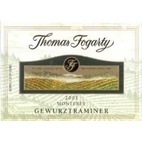
Thomas Fogarty 2011 Gewürztraminer

Thomas Fogarty Winery 1981   


Founded in the late 1970’s by Stanford neurosurgeon Dr. Thomas Fogarty, the winery that bears his name is one of those special Santa Cruz Mountain wineries, near Woodside, CA that we discovered some years ago.  Very good wineries like this legend get lost

2011 Thomas Fogarty Gwerztraminer

2011 Thomas Fogarty Gwerztraminer

in the rapidly changing and increasingly competitive California wine market

In the late 1980’s when Fogarty forged into the new red varietal boom with pinot noir and meritage, we soon forgot that their Gewürztraminer is, annually, as good as any from California.

The Thomas Fogarty Gewurztraminer Monterey County 2011 ($18) has that pleasant combination of floral and tropical fruit flavors and the nice hint of star jasmine on the nose. This is one of the few Fogarty wines with grapes sourced from outside his estate vineyards.  Monterey County’s Santa Lucia Highlands, south of Salinas, seems to be ideal terroir for this soft white wine.

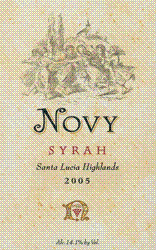
2009 Novy Syrah Santa Lucia Highlands

Siduri/Novy Family Wines 


Novy Family Wines is a spin-off of Siduri, who have made high quality pinot noir from the top vineyards for many years.  Novy

Novy Syrah Santa Lucia Highlands

Novy Syrah Santa Lucia Highlands

Family Wines follows this tradition while focusing on fine syrah.  The 2009 Novy Santa Lucia Highlands Syrah ($28) sourced from the appellations finest “Garys’, “Rosella” and “Susan’s Hill Vineyards,” has full dark fruit and spice driven flavors that are balanced and long-lasting in the mouth. The grapes from each vineyard are fermented and separately then the best barrels are selected for the final blend.

Novy produces several 100% syrah wines and they are all exceptional for my palate.

Rocca “Vespera” Red Blend NV 2009

Rocca Family Vineyards


Years ago, I had an opportunity to discover Rocca Family wines in their, then downtown Napa tasting room. I specifically remember the good, medium-priced cabernet sauvignon from one of their two estate vineyards, Grigsby and Collinetta.

After tasting two very nice single vineyard cabernet sauvignon releases, I was drawn to the Rocca “Vespera” Red Blend 2010 ($50), a cabernet sauvignon dominant blend with 12% each of petit verdot and petite sirah and a touch of syrah.  This

Rocca "Vespera" 2009

Rocca “Vespera” 2009

combination trends toward “big and bold” and this wine does not disappoint. It has a very aromatic bouquet, very forward flavors of dark cherries and berries with a pleasant texture and balance offering a bit of restraint. Although fairly pricey, it is a special wine and only 215 cases were produced.


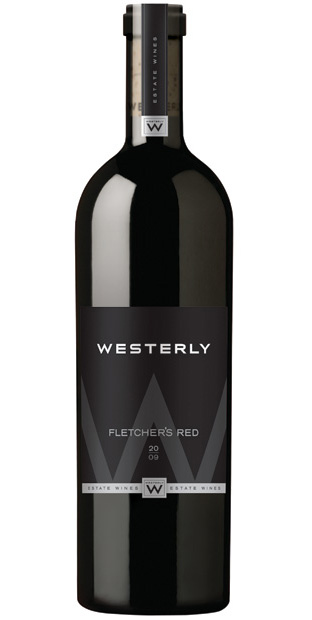
2009 Westerly “Fletcher’s Red” Blend

Westerly/Santa Ynez Valley


A new collaboration between proprietor Roger Bower and winemaker Adam Henkel, Westerly Wines produce both red and white wines that focus on the coastal Santa Rita Hills and the warm, inland Happy Canyon appellation in the Santa Ynez Valley, both in north Santa Barbara County.

Westerly "Fletcher's Red" 2009

Westerly “Fletcher’s Red” 2009

Their flagship 2009 Westerly “Fletcher’s Red” Blend ($75), consisting of merlot (46%), Cabernet Franc (29%), cabernet sauvignon (15%) and syrah, (10%), each fermented separately, exudes nicely focused fruit flavors and, with full malolactic fermentation, is soft enough to drink now.

The 2011 Westerly Cote Blonde ($50), a blend of Rhone varietals syrah (95%) and viognier (5%)is also recommended.

Over 650 individual wines to taste, all from California Family Winemakers, and these are the best based on my unscientific and, somewhat, subjective methodology.


Brunello di Montalcino Wines


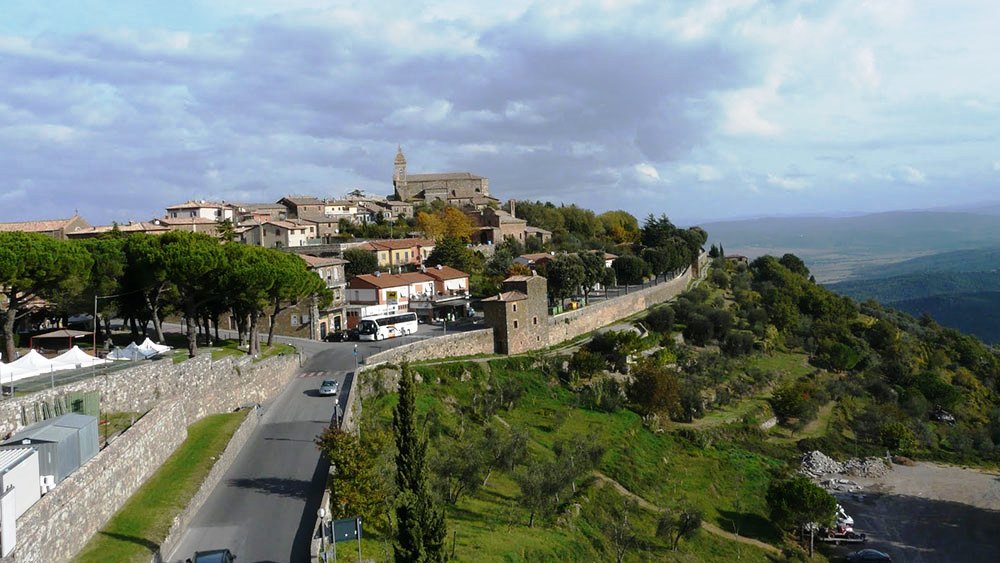
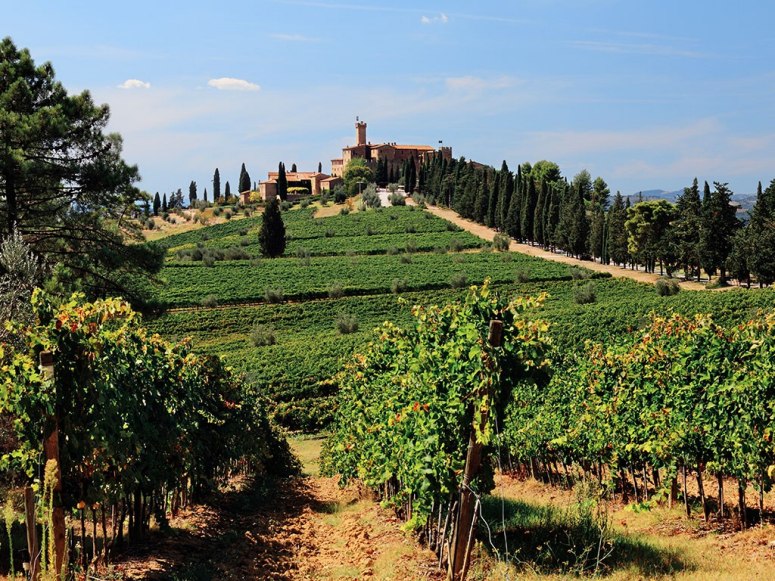
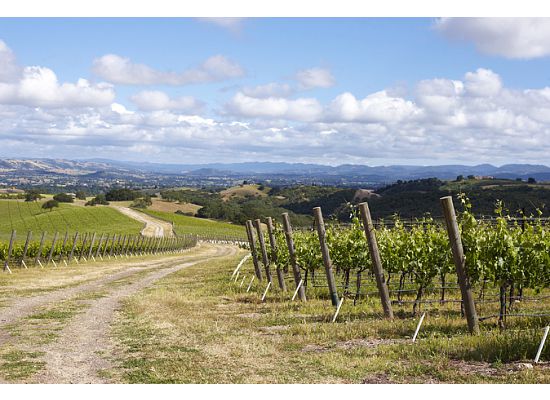
In the heart of the Tuscany wine region, south of Florence, Italy sits the small medieval village of Montalcino, perched on a hilltop in the province of Siena, surrounded by 3,000 acres of vineyards.  Brunello, translated “brown grape”, references the darker color

Montalcino, Italy

Montalcino, Italy

of the sangiovese grape when grown in the diverse local soils of clay, limestone or volcanic matter.  Brunello di Montalcino

Vineyards in Montalcino, Italy

Vineyards in Montalcino, Italy

describes the 100% sangiovese wines that emerge from this unique area, the first to be granted Italy’s DOCG wine region designation in 1980.  Today, over 200 winemakers produce vintages that peak the interest of consumers/collectors throughout the world.

My interest in exploring these big earthy red wines peaked when we were invited by the Consorzio Del brunello_consorzio_logoVino Brunello di Montalcino to attend a private tasting at the Sofitel Hotel in Beverly Hills introducing the region’s 2009 vintage.

This 2009 vintage of Brunello di Montalcino was a four, not five-star release like 2007 or 2006.  Production in 2009 fell by 20% mainly due to two factors:  higher than average temperatures in June-July and late season rains that either rushed or delayed the harvest.  Ironically, these factors were present in some recent California vintages.

It is a known fact that Brunello di Montalcino wines in most instances need years to mature. The experts tell us that the unique conditions of the 2009 vintage resulted in fresher grapes, softer and rounder with less tannins, more ready to drink.  The impacts of extraordinary summer heat and untimely, late rains led winemakers to “drop” or sacrifice any damaged fruit to enhance the grapes that survived.  While this process of natural selection results in a lower yield, the fruit flavor is often more concentrated and rich.

While Italy is no stranger to fine blended wines, one grape seems to be enough for the Montalcino region.  Most believe that the sangiovese grape produces more complex and better-textured wines going solo.  Brunello di Montalcino wines vary within themselves and with the diverse terroir that exists, one grape is definitely enough.

Brunello di Montalcino Paraisone Colle Degli Angeli

Brunello di Montalcino Paraisone Colle Degli Angeli

Aside from high tannins and acidity, traditional Brunello di Montalcino wines are often described as earthy with aromas and flavors of sour cherry.  This description always begs the question. “What does “earthy” taste like?”  The  “earthy” descriptor in wine can refer to the smell and taste of damp earth or the dusty flavor that is apparent in rich, highly tannic wines.  However depicted, one will know it when smelling and tasting the wine and, most likely, will either love it or hate it.

The diverse soils of the Montalcino region most certainly will add earthiness to the wines, but other traditions enable these large brown grapes to fulfill their potential.  Maceration, the process of leaching color, flavors and tannins from the skins to the juice, is much longer in these wines, adding rich, dark color, flavor and age worthy tannins.

Cautious with anything that may affect the balance of the wine, Brunello di Montalcino wines are aged three to five years in Slavonian oak that is less forceful than French oak.  In addition to the typical aging, experts feel a good wine from this region needs 10 years to mature.

The end result is rich, friendly and full-bodied wines, 35% of which are exported to awaiting U.S. consumers. Hence, consortiums are formed and events for media and trade are hosted.  The following 2009 wines were selected for this tasting.

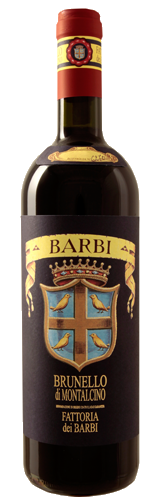
Brunello di Montalcino DOCG 2009-Barbi ($49)


The Colombini family has been harvesting grapes from their Montalcino vineyards since 1790.  Still run by the family, the Barbi1 winery balances old traditions with modern technology such as a cold maceration process called “cyro maceration” that is intended to enhance the aromas of the wines.

From elevated vineyards with rough topography, this is a warm, friendly wine with a bouquet and flavors of sour cherry, a nice minerality, healthy tannins and, of course, a damp earthiness.

Brunello di Montalcino DOCG – Camigliano ($50.)


Grown in low elevation vineyards located in the far west of the zone, Brunello di Montalcino from the Camigliano Winery generally has lower acidity and tannins with a higher fruit character.  Fermented in stainless steel after a long maceration process, the juice spends two years in French oak and another in the bottle before release.

Following nice sour cherry on the nose, the flavors are quite full on the palate with high fruit character and balanced tannins, making it more ready to drink.   Elegant wines such as this with high, balanced tannins are, according to our sommelier, indicative of a Brunello di Montalcino four-star vintage.

Brunello di Montalcino DOCG 2009 – Capanna


Grown in soil heavy with limestone, this wine is currently expressing overly high tannins and acidity, evidence that it is still too young and needs to age another four to five years.  With extended maceration and full malo-lactic fermentation, odds are that those who can be patient will be rewarded with an elegant wine.  Tannin management is important with Brunello di Montalcino wines and this one needs more age and experience.

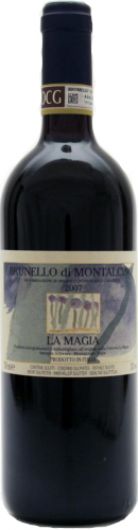
Brunello di Montalcino DOCG 2009 – La Magia

I found the La Magia release to be one of more complex and interesting wines of the tasting.  It has a perfumed, herb and spice

Brunello di Montalcino La Magia

Brunello di Montalcino La Magia

nose, round and complete.  After 36 months in oak and another year in the bottle, our sommelier still felt that the wine needed 10-18 months more time to mature.

There is a consistent effort among these winemakers to manage the tannins and balance their wines. Similarly, California winemakers and consumers seem to be moving away from the large “fruit bomb” wines toward those with more balance. With this in mind, I noted a thread through local Brunello di Montalcino winemakers when one commented, “Over fruitiness can become the enemy of complexity.”  European wines, for the most part, are blends where “the whole is larger than the sum of its parts” attitude drives their success.  Here, winemakers must deal with the complexities of a single grape.

Brunello di Montalcino DOCG 2009 – Paradisone Colle Degli Angeli

To make this wine, grapes from four lots or “crus” in the northeast of the zone, are harvested separately at different times

to assure best conditions and also vinified in different batches.  Taste analysis determines the best batches for Brunello di

Brunello di Montalcino Paradisone Colle Degli Angeli

Brunello di Montalcino Paradisone Colle Degli Angeli

Montalcino and others for the local Rosso or Sant’antimo wines.

This wine had solid, but well-managed tannins and the complex, balanced flavors made it one of the best pours of the entire tasting.

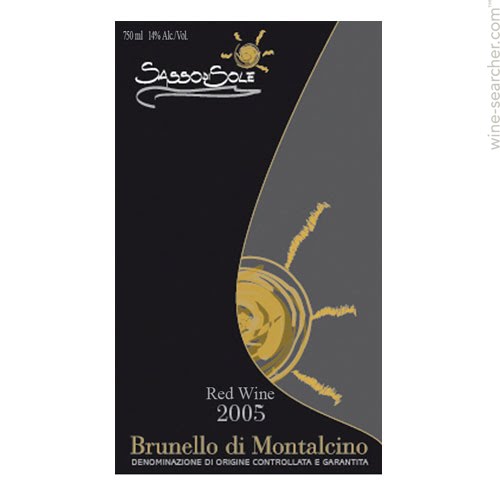
Brunello di Montalcino DOCG 2009 – Sassodisole

The Terzuoli family has been farming this land, now called Societa’ Agricola Sassodisole, since the beginning of the 17th Century  Despite the intimidating earthy aromas, this wine had the softest balanced tannins with concentrated fruit flavors of any wine at the tasting.

Brunello di Montalcino Sassodisole

Brunello di Montalcino Sassodisole

Age is a factor for this wine that spends one year in stainless steel followed by three years in Slavonian oak and another in the bottle.  It was my favorite at the event and one that is highly recommended.

Brunello di Montalcino wines, including some of the ones we tasted, can with very little research be found at various wine outlets. Look for the 2006, 2007 or 2009 vintages to determine if these bold, earthy wines are your cup of tea.


Why Tempranillo?


With all the hoopla over the emergence of Rioja wines from Spain, let us be reminded that the “backbone” of their wine is the tempranillo grape, known in some circles as Spain’s cabernet sauvignon.  Both grapes provide deep red juice, both emerged primarily within great blends and California later focused on their individuality. The comparisons end there because the tempranillo grape is expanding globally and is becoming a wine of preference for many U.S. consumers.

Paderewski Vineyard, Templeton, CA

Paderewski Vineyard, Templeton, CA

Early 1970’s archaeological unearthing of a mosaic of the wine god, Bacchus, solidified the premise that tempranillo has been in Spain since 800 BC.  Today, there are over 500,000 acres under vine in Spain, Portugal, USA, Australia with small amounts in South America and South Africa.

The appeal of tempranillo evolves differently for different people.  In Spain, it blends brilliantly with graciano, grenacha and mazuelo, in Australia with syrah and Grenache, both native to France’s Rhone Valley and, in the USA it comes every which way including solo.

The tempranillo grape has been described as both thick and thin-skinned but by personal observation, it is larger than most wine grapes.  Also compared to sangiovese, tempranillo delivers, beyond the profound cherry and plum flavors, deep leather and

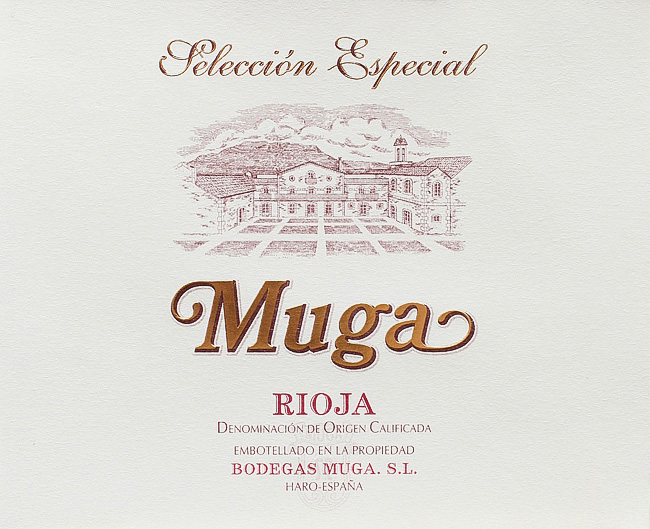
Bodegas Mugas Selección Especial 2009

Bodegas Mugas Selección Especial 2009

spice tones that result after extended exposure to oak.

Tempranillo finds its full potential in Spanish wines from Rioja and Ribero del Duero because of extended aging and exposure to oak.  It is also highly influenced by cool climate that spawns more acidic, age worthy wines, while warmer temperatures produce those that are darker and more fruit forward. In California, single-varietal or highly dominant tempranillo blends find their best terroir in warm Calaveras and Amador counties, in the Sierra Foothills where the summers are extremely hot.

Clearly, the tempranillo grape’s finest manifestation is blending with graciano, mazuela and granacha to create the superior blends from the Spanish regions of Rioja, Ribero del Duero where it is known as tinto fino and Penedes, south of Barcelona, assuming the name “ull de liebre.”

Tempranillo from these Spanish regions, especially those with some age and exposure to oak, contributes soft tobacco nuances to accompany the dark berry and cherry flavors that often linger throughout a long finish.  These and other attributes including reasonable pricing have attracted American consumers, which has prompted more winemakers to experiment with the grape.

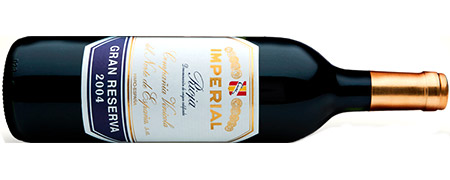
While the Cune Rioja Imperial Gran Reserva 2004 (95 pt/$63), Wine Spectator magazine’s 2014 Wine of the Year, may still be scarcely available, expect to find excellent Rioja wines like the Bodegas Mugas Seleccion Especial 2009 (95 pt/$40), a typical tempranillo dominant blend with texture that makes one feel like they are chewing the ripe flavors of fruit and dark berry. Bodegas Mugas produces a dozen different wines, more than half of which are exceptionally good.  They export

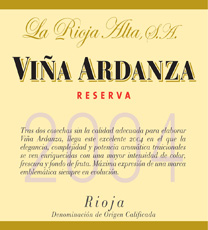
La Rioja Alta Rioja Vina Ardanza Reserva

La Rioja Alta Rioja Vina Ardanza Reserva

60% of their vintages to the US and they can be found with a little research.

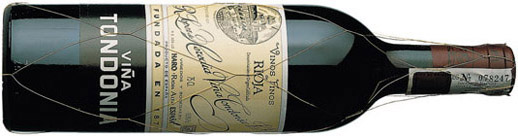
More of that Rioja ripe concentrated fruit can be found in the aged La Rioja Alta Vina Ardanza Reserva 2004 (94 pt/$35) and R. Lopez de Heredia Vina Tondonia Red Reserva 2002, both with tremendous balance and expressive flavors I tasted firsthand last Spring.

R. Lopez Heredia Vina Tondonia Red Reserva 2002

R. Lopez Heredia Vina Tondonia Red Reserva 2002

Australia is a big country comprising all the mainland of the Australian continent. Their wine regions extend like a strap, east to west along the entire southern mainland with hundreds of microclimates.  While not diminishing the other great varietals grown in Australia, winemakers found their signature wines through the French Rhone syrah grape, renaming it Shiraz.

Taking another lesson from the French, the Aussies are now putting their unique touch on famous Rhone blends of syrah, Grenache and mourvedre by substituting tempranillo for mourvedre with good reason. While both grapes will add structure to the blend and are compatible with grenache, the warmer summer climates in southern Australia can extract more concentrated fruit flavors from tempranillo to enhance the blend.

The tempranillo grape is also expanding in Portugal where it is used extensive in fine ports and red blends, assuming the name, “tinta roriz.”  The dry, Quinta do Passadouro Douro 2010 (91 pt/$25), a blend of tinta roriz, touriga nacional and touriga franca, has been reviewed as a full flavored wine for a value price.

Driven Cellars Tempranillo Amador County 2009

Driven Cellars Tempranillo Amador County 2009

Among California vineyards, tempranillo plantings, once called valdepenas, are expanding, mainly in warmer regions like the Sierra Foothills, Paso Robles and northern Napa Valley. While California can replicate a good Rioja blend, we seem to be consumed with producing single-varietal wines. The full complexity in structure and flavor of California tempranillo is present in the 2009 Driven Cellars Tempranillo Amador County ($25) in the heart of Gold Country. From the Rioja earthy aromas through the long finish with a bit of chocolate, this was clearly my take home from this eclectic winery.

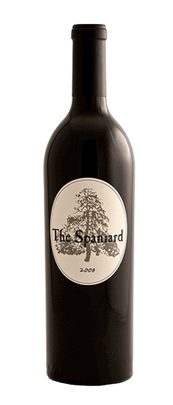
My personal favorite California tempranillo is a blend from Calaveras County vineyards near Angels Camp.  Any vintage of the Twisted Oak “The Spaniard,” a tempranillo-dominant blend with graciano and granacha, from Twisted Oak Winery near Angels Camp, seems to best

Twisted Oak "The Spaniard" 2008

Twisted Oak “The Spaniard” 2008

characterize the deep color and balanced flavors of an aged Rioja blend. Aptly named a “gentle giant” for flavors that are both bold and smooth, the current 2009 vintage is a beautifully structured, classic “Spaniard” release that, unfortunately, is sold out. Fortunately, the readily available 2009 Twisted Oak Tempranillo Rolleri Vineyard ($28) is also a very nice wine.

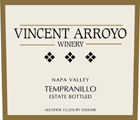
A visit to Calistoga in the northern Napa Valley led to the discovery of the 2009 Vincent Arroyo Tempranillo ($28) with strong, but balanced fruit flavors. The 2010 vintage is also sold out due to the boutique Vincent Arroyo Winery’s reputation for producing fine, accessible wines.

Vincent Arroyo Winery Tempranillo Napa Valley

Vincent Arroyo Winery Tempranillo Napa Valley

The addition of tempranillo to a traditional southern Rhone blend, exemplifying new experiments from the “Rhone Rangers” of Paso Robles led to one of the top rated wines of 2013.  The Epoch Estate Blend Paderewski Vineyard Paso Robles 2010 (93 pt/$40), adding only seven percent tempranillo to the syrah, Grenache and mourvedre blend creating juice described by Wine Spectator as “ripe, rich, fruity and complex.”

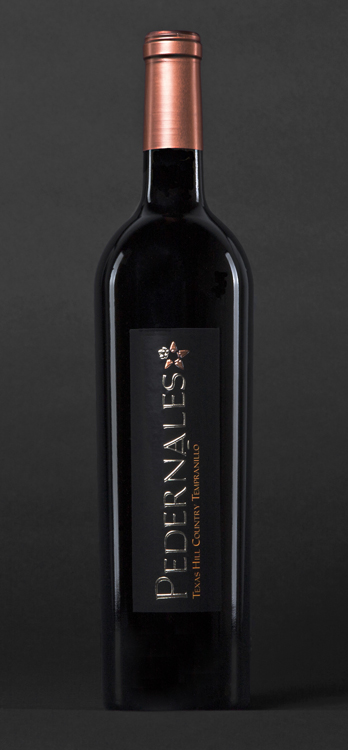
Plantings of tempranillo vines have expanded to the Umpqua Valley AVA in southern Oregon, the Yakima Valley AVA in Washington and to another US region some are calling our best terroir for tempranillo:  the Texas Hill Country. Vineyards, wineries and tourism are developing in the area near Fredericksburg in south Texas and the top red varietal is the heat loving, ripe tempranillo grape. Among several wines from the region, the 2011 Pedernales Cellars Texas Tempranillo Reserve is most noteworthy, having been awarded a Gold Medal in the 2013 San Francisco International Wine Competition.

Pedernales Cellars Texas  Tempranillo Reserve 2011

Pedernales Cellars Texas Tempranillo Reserve 2011

Tempranillo has become increasingly popular in California, becoming a red wine of choice because of its structure and full fruit flavors.  With the success of Spain’s Rioja region in recent years, the tempranillo grape’s stock is up in California and worldwide.  If vineyards of tempranillo expand in new regions like South Africa, it may become a household name for wine consumers.


Wine Spectator’s Top Wines of 2013

Wine Spectator magazine releases their annual Top 100 Wines list gradually, two per day for the first week and the remaining 90 wines a week later.  Early results revealed prolongation of the epic Napa Valley vs. France battle, more presence from the Pacific Northwest and some sightings of Italy and Spain.  Actually, the Rioja region of Spain made a significant statement through a wine and winery that I nearly visited last Spring.

#1 Cune Rioja Imperial Gran Reserva 2004

#1 Cune Rioja Imperial Gran Reserva 2004

HOORAY FOR RIOJA!

In May, we spent a few days visiting Haro in northern Spain’s famed Rioja wine region.  The Haro Wine Loop allows one to access 5-6 different wineries by foot. We walked by the CUNE Winery on my way to an interview at R. Lopez de Heredia, later choosing Bodegas Mugas as our last stop. Had we opted for Cune, we would have, most certainly, tasted the Cune Rioja Imperial Gran Reserva 2004(95pt/$63), Wine Spectator’s #1 most exciting wine of 2013.

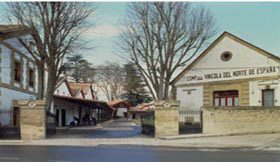
Cune is an acronym for “La Compania Vinicola del Norte de Espana”, translated “The Northern Spanish Wine Company”, founded in 1879 at it’s current Haro location, by two brothers whose descendents still operate the business.  The “Imperial Reserva”, a

CUNE Winery in Haro, Spain

CUNE Winery in Haro, Spain

tempranillo-dominant blend, began in the 1920’s as a special bottling for an English market and has become a thriving red wine ever since.

The designation of this Cune blend is recognition of the world-class wines that have emerged from the Rioja region into U.S. markets for decades. We find seven Rioja wines on the 2013 list, a few that I have actually tasted.  Rioja wines are usually very aromatic, full-flavored and deliver long finishes.  However, the most noteworthy attribute of Spanish winemakers is their commitment to aging.

Aside from the 2004 “Imperial Blend”, other Rioja wines on the 2013 list include the #22 La Rioja Alta Rioja Vina Ardanza Reserva 2004(94pt/$35) and the incredible # 29 R. Lopez de Heredia Vina Tondonia Rioja White Gravonia

La Rioja Alta Rioja Vina Ardanza Reserva

#22 La Rioja Alta Rioja Vina Ardanza Reserva

Crianza 2003 (93 pt/$36), vintages much older than the norm for other 2013 releases.

While many Rioja wines boast aging of at least two years each in the barrel and bottle, the fact remains that many wineries delay release for nearly a decade after harvest.  In May, we tasted the 1998 vintage “Vina Tondonia” white wine, an unheard of release age compared to other regions of the world.  By comparison, California whites are typically consumed within 18 months from release.  Many Rioja white wines are not released for ten years and proclaimed drinkable for another decade.

Some Rioja wines have an earthiness; others are very fruit forward, but aging, undoubtedly, contribute to the complex, fully balanced flavors. Balancing Old World tradition with modern technology, Rioja sits among the world’s finest regions and continues to deliver fine, aged wines to the U.S. market at competitive prices.

NAPA LEADS THE WAY

The Napa Valley contributed 14 wines, the most of any region.  While half of the wines were their classic and pricy cabernet sauvignon releases, the remaining half, surprisingly, included five different varietals.  In past years, most of the top California pinot noir releases originated from nearby Sonoma Co. In 2013, half of the, California pinot’s come from the Carneros region in the Valley’s southwest section, nearest and most influenced by the San Pablo Bay inlet of the San Francisco Bay.

During the past Century, the Carneros has suffered vine-killing disease and has overcome a reputation for bad soil and atypical weather to become synonymous with good wine, primarily because its terrior is understood. Coastal influences certainly

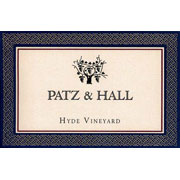
#31 Patz & Hall Pinot Noir Carneros Hyde Vineyard

#31 Patz & Hall Pinot Noir Carneros Hyde Vineyard

contributed to the success of the single-vineyard #31 Patz & Hall Pinot Noir Carneros Hyde Vineyard 2010 95 pt/$65 or the #59 Donum Pinot Noir Carneros 2010 95pt/$72, a wine that has become a leader in the Carneros pinot revival.

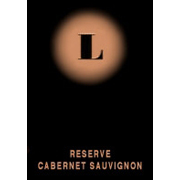
Even with the new diversity, the cabernet sauvignon grape is still king in the Napa Valley.  There are seven Napa Valley Cabs on the 2013 list, led by the #4 Hewitt Cabernet Sauvignon Rutherford 95 pt/$92 and the #9 Lewis Cabernet Sauvignon Napa Valley Reserve 2010 96 pt/$135, both in the top ten.  Originally planted in 1880, Hewitt re-planted the 60-acre

Lewis Cabernet Sauvignon Rutherford

#9 Lewis Cabernet Sauvignon Rutherford

vineyard with cabernet sauvignon grapes and now produces one of the valley’s best, especially compared to others under $100.

Notwithstanding that the #72 Shafer Relentless Napa Valley 2010 95 pt/$72 returning to the list after the previous vintage was named 2012 Wine of the Year, varietals like syrah, zinfandel and chardonnay have, in recent years, thrived in other California regions.  However, the diversity of Napa Valley is on full display in 2013.

From a small vineyard above the valley floor, a former UC Davis professor is the source of the #30 Lagier Meredith Syrah Mount Veeder 2010 and a famous “Zin” vineyard near St. Helena

churned out only 200 cases of the #90 Carlisle Zinfandel Napa Valley Hayne Vineyards 2011 93pt/$48. Based on

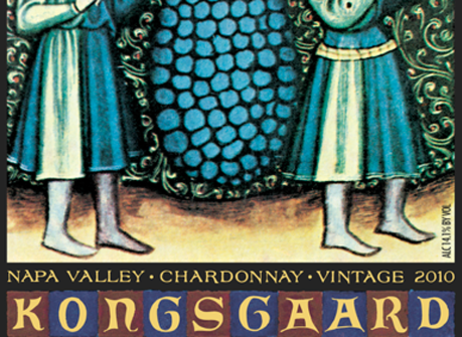
Kongsgaard Napa Valley Chardonnay 2010

#5 Kongsgaard Napa Valley Chardonnay 2010

their reputation for creating balanced, elegant chardonnay, it’s nice to see the #5 Kongsgaard Chardonnay Napa Valley 2010 95pt/$75 listed among the best wines of this year.

THE PACIFIC NORTHWEST

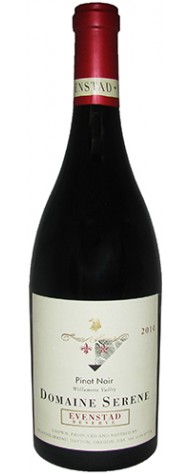
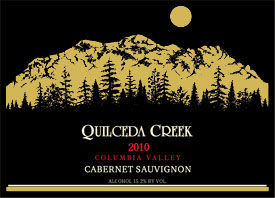
Ten percent of the wines on the 2013 list stem from Oregon (4) and Washington State (6).  The #3 Domaine Serene Pinot Noir Willamette Valley Evenstad Reserve 2010, a leader among the state’s consistent high-quality pinot and a list veteran, the #10 Quilceda Creek Cabernet

#3 Domaine Serene Pinot Noir Evenstad 2010

#3 Domaine Serene Pinot Noir Evenstad 2010

Sauvignon Columbia Valley 2010 95pt/$135, both made the top ten.

The emerging Walla Walla region is showcased by the #11 Reynvaan Syrah Walla Walla Stonessence 2010 98pt/$70, the highest rated wine and the #27 Spring Valley Uriah Walla Walla 2010, a merlot-based blend.

#10 Quilceda Creek Cabernet Sauvignon 2010

#10 Quilceda Creek Cabernet Sauvignon 2010

The #17 Alexana Pinot Noir Dundee Hills Revana Vineyard 2010 94pt/$42 proves dominance throughout Oregon, but the price of the #55 A to Z Wineworks Pinot Noir Oregon 90pt/$18, a hybrid of 60 vineyards yielding over 130,000 cases, intrigued me enough to purchase a few bottles.


FRANCE, ITALY & PORTUGAL

The wines from France and Italy, vintage to vintage, have a major presence on the list due,in part, to the broad range of their regions.

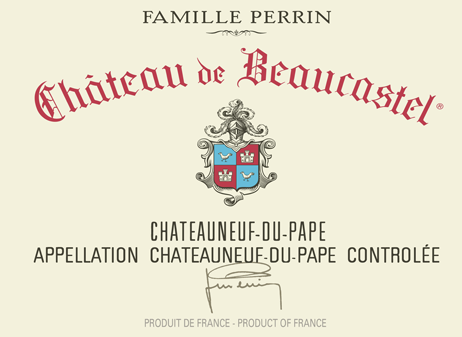
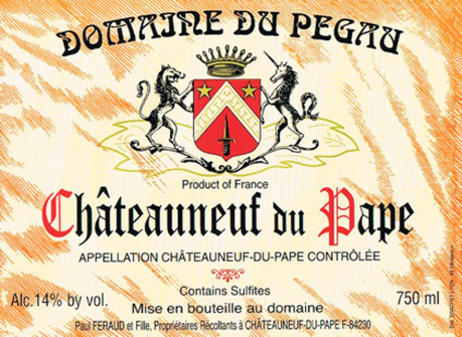
While Bordeaux led France’s typical high quality releases, the southern Rhone Valley premier appellation, Chateauneuf-du-Pape, arguably the world’s finest, placed the Grenache-based #7 Domaine du Pegalu Chateauneuf-du-Pape Cuvee Reservee

#8 Château du Beaucastel Chateauneuf-du-Pape 2010

#8 Château du Beaucastel Chateauneuf-du-Pape 2010

2010 97pt/$120 and the classic #8 Chateau de Beaucastel Chateauneuf-du-Pape 2010

Domaine du Pegalu Chateauneuf-du-Pape Cuvee Reserva 2010

#7 Domaine du Pegalu Chateauneuf-du-Pape Cuvee Reserva 2010

96pt/$120, that used varying amounts of all nine grapes permitted in the region.  Of note, the neighboring Gigondas appellation produced the Grenache-based #15 Olivier Ravoire Gigondas 2010 94pt/$33 that appears to be a good value if you can find it.

Among the mighty, Provence has emerged as an important French region producing fine rose’ and, having attended their showcase tastings in Los Angeles, I anticipated their eventual inclusion on the list.  The cinsault, syrah, Grenache blend #84 Jolie-Pitt & Perrin Cotes de Provence Rose’ Miraval 2012 90pt/$28 comes from the Provence estate of Angelina and Brad in partnership with the Perrin family of Chateau de Beaucastel fame. This designation makes it the world’s finest rose’ for 2013.

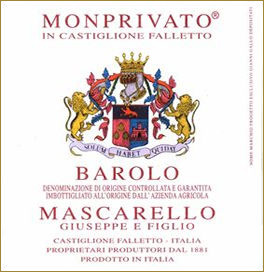
The big, earthy, sangiovese-based Tuscan wines have an ongoing love affair with American consumers.  However, the Piedmont region, producing nebbiolo-based Barolo blends positioned itself convincingly with five wines including the #6 Guiseppe

#6 Guiseppe Mascarello & Figlio Barolo Monprivato

#6 Guiseppe Mascarello & Figlio Barolo Monprivato

Mascarello & Figlio Barolo Monprivato 2008 95pt/$110 and the #16 G.D. Vajra Barolo Albe 2008 94pt/$42, Italy’s top rated wines.  The moderate price of the #18 Poggerino Chianti Classico 2010 93pt/$25, an authentic Tuscan sangiovese, enticed itself on to my wish list.

Four Portuguese releases, two ports and two red blends were incorporated into the list. For those seeking value without compromising quality, the #37 Quinta do Passadouro Douro 2010 91pt/$28 is a blend of three native grapes from the Douro region and a wine to make note of.

Aside from these trends, we now anticipate seeing wines from Germany, South Africa and South America appear annually.  One particular wine, the widely available, moderately priced #36 Bodega Norton Malbec Mendoza Reserva 2011 92pt/$20 is a full-flavored wine that has made numerous appearances.

This snapshot of 2013 has me wanting to explore more wines from Walla Walla, Piedmont and, of course, Rioja. Fourteen countries and four U.S. states have contributed to this 2013 who’s who of wine, evidence of its global impact.


Iconic Italian Wines (or How I Tasted 7 of the World’s Great Wines Before Lunch)


        Photographs: Karen Norton


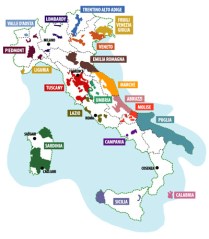
Before there was Bordeaux, before Champagne, Burgundy and, of course, California, there was Italy.  Famous regions like Tuscany and Umbria, surrounded by Piedmont in the northwest, Veneto and Fruili in the northeast and the isles of Sicily and Sardinia have been producing great wines for centuries.

Depending on the vintage, Italy is the largest or second largest wine producer in the world.  They have 20 designated wine
Italy Wine Map

Italy Wine Map

regions including the two islands and boast 1.7 million acres under vine.

Annual wine consumption in Italy is down from 160 bottles per capita to 50 bottles.  By pure volume, the U.S. is now the world’s largest consumer of wine, increasing from two bottles per capita to 12 bottles

At slightly over 30%, Italy has the bulk of the market share of imports into the U.S., leading France (25%) and Australia (14%).  The 1.7 million cases that we import assure that Americans drink more Italian wines than Italians.  We love these earthy reds and crisp whites that evolve, in the words of Burton Anderson, from “sun, soil and soul.”

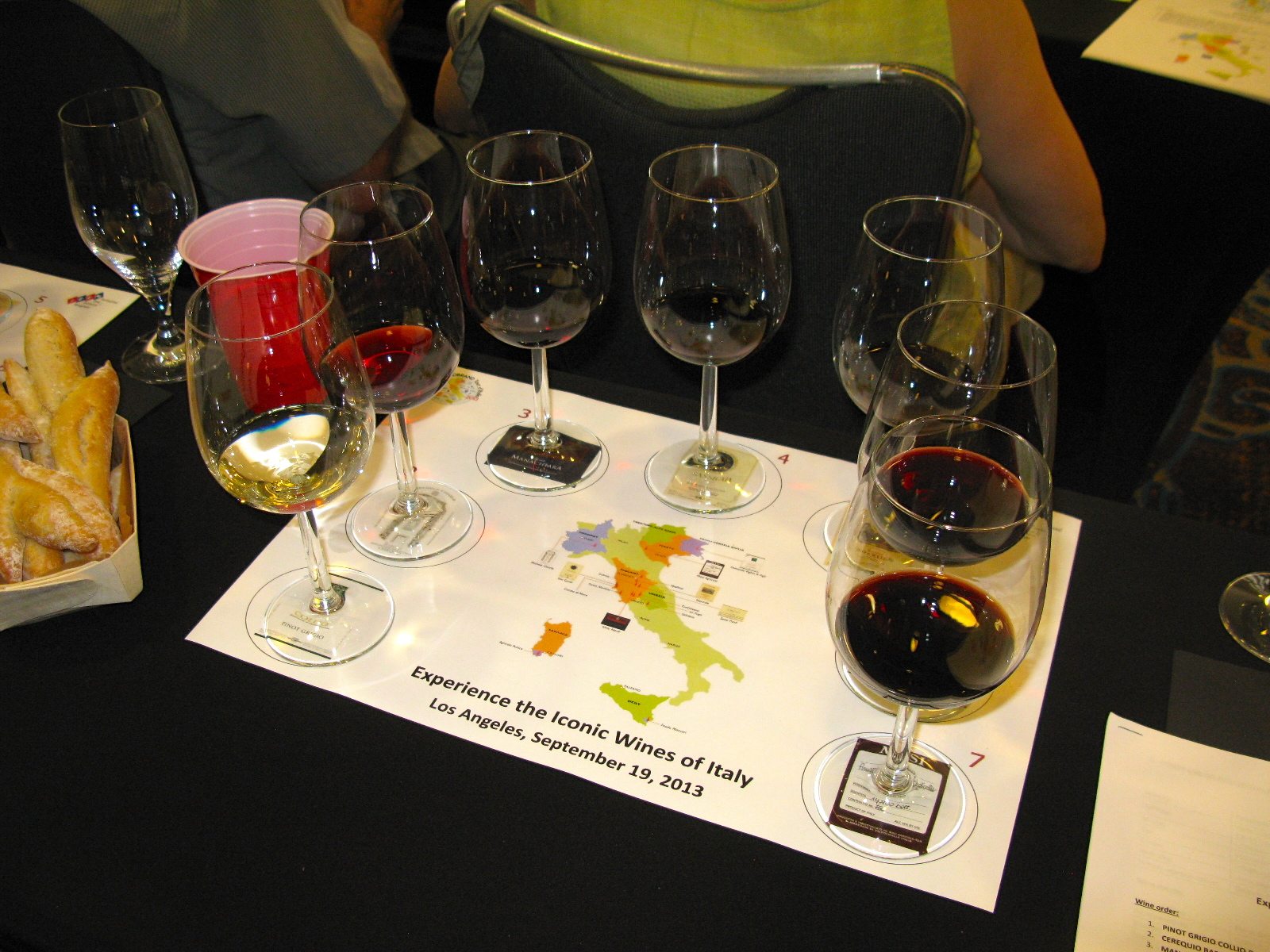
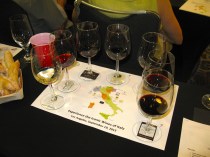
Last month we had the opportunity to attend a panel discussion/tasting event, “Experience the Iconic Wines of Italy,” at the Sofitel Hotel in Beverly Hills.  It featured seven “iconic” wines from producers throughout the Italian appellations, many
The Wines

The Wines

maintaining the centuries old family winery business.  The shear thought of viewing, smelling, oxidizing, re-smelling, tasting and spitting these faultless wines before lunch was exciting and surreal.  With the wines neatly arranged on an informative napkin before me, I knew I was up to the task.

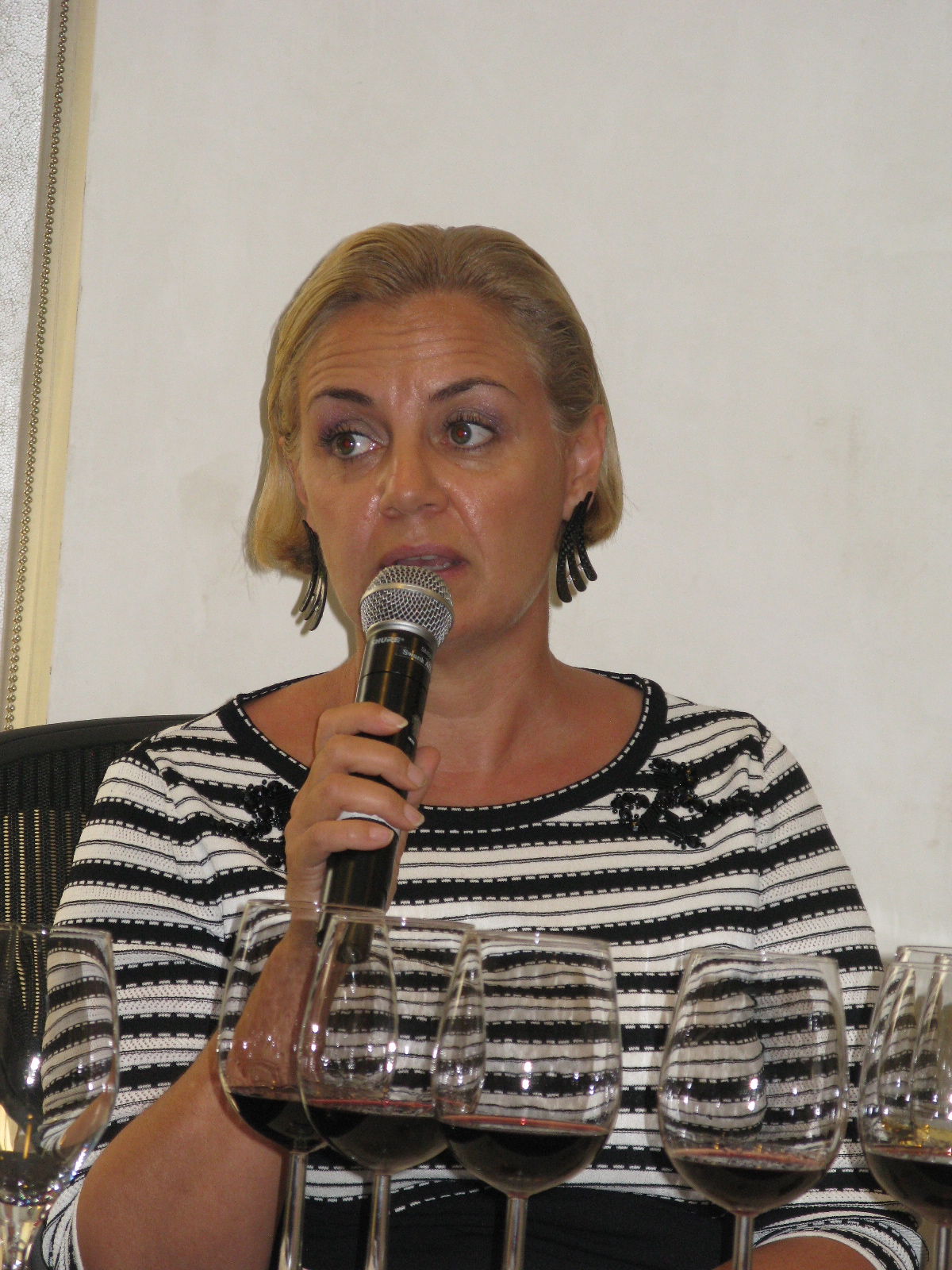
Panel moderator Jennifer Simonetti-Bryan is a wine educator, consultant and Master of Wine, a designation issued by The

Jennifer Simonetti-Bryan, Master of Wine

Jennifer Simonetti-Bryan, Master of Wine

Institute of Master of Wine, located in the United Kingdom.  Its decree is regarded as the highest standard of knowledge in the wine industry.

Subsequent to the submittal of essays, tasting and securing a Master of Wine mentor, one may enter the arduous, three-year program that is completed when the candidate successfully submits four theoretical papers and three blind tastings within the same year.

Ms. Simonetti-Bryan shared that her final exam blind tastings involved the identification of 38 wines from terroir throughout the world.  Another young woman was introduced as the newest Master of Wine designee, the 10th U.S. female to achieve the honor.

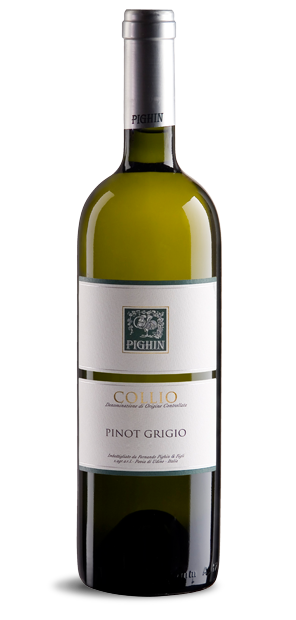
Pinot Grigio Collio D.O.C. 2012 ($25)

Fernando Pighin and Figli

Described by some as the world’s best terroir for pinot grigio, Collio is among the finest production areas in the northeast Fruili-Venezia Giulia region.  The Pighin Family acquired the sandy soil, 30-hectares near the town of Spessa di Capriva, in the late 60’s and has since fashioned quality red and white wines.

Roberto Pighin

Roberto Pighin

Family representative Roberto Pighin informed us that the Pinot Grigio Collio D.O.C. 2012 was fermented and aged in stainless steel vats (oak free) to retain the crisp, acidity of the wine.

The captivating straw yellow color of the wine foreshadows what’s to come.  With citrus and stone fruits on the nose and palate, the wine delivers a nice minerality with balanced acidity that enhances the softer, rich flavors.

Because of accessibility and easy food pairings, pinot grigio is among the top in expanded plantings
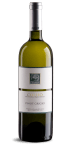
Pinot Grigio Collio D.O.C. 2012

Pinot Grigio Collio D.O.C. 2012

in the U.S. This wine is perfect with various seafood and vegetarian dishes.

Cerequio Barolo D.O.C. 2009 ($103)

Michele Chairlo

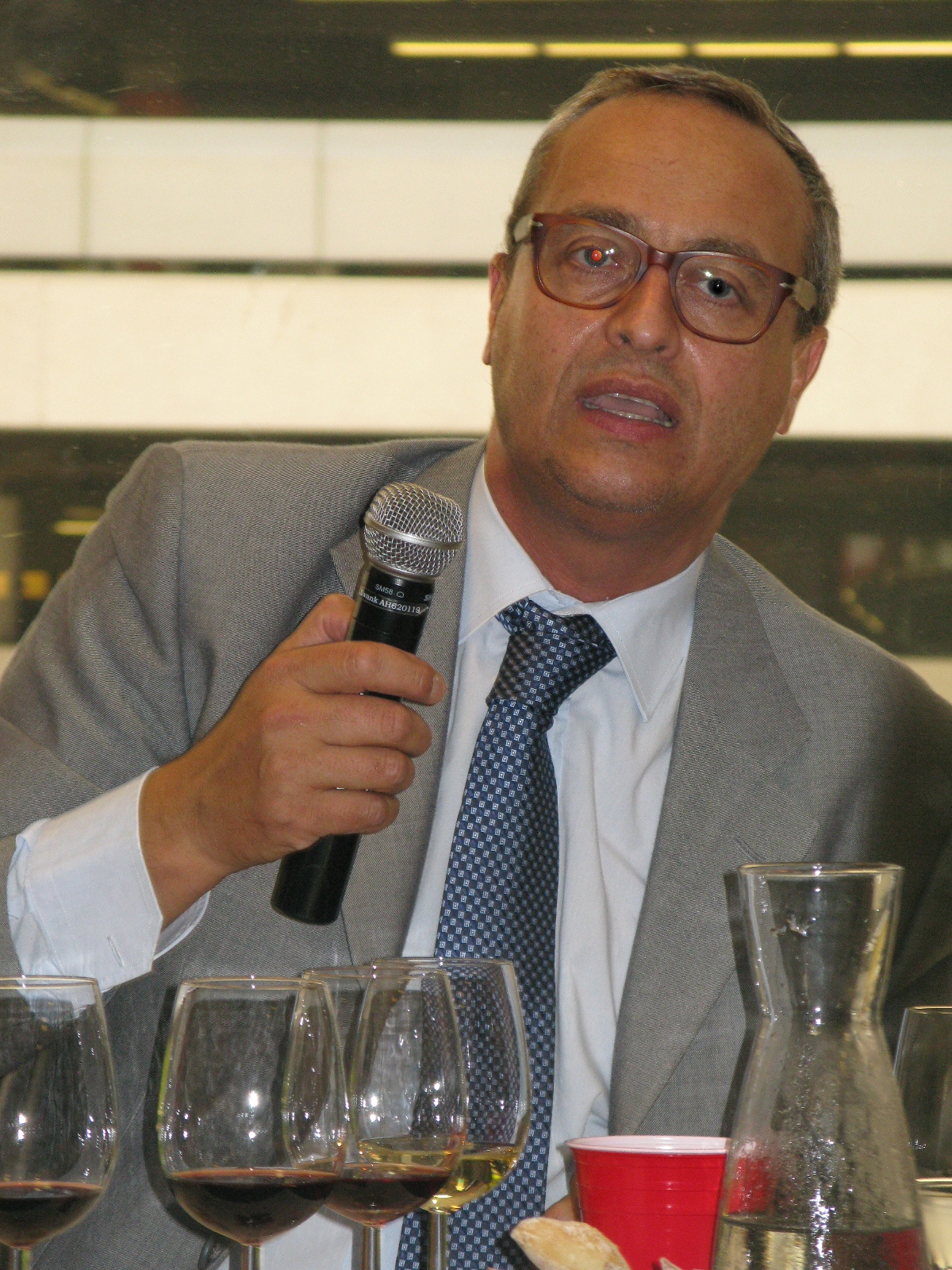
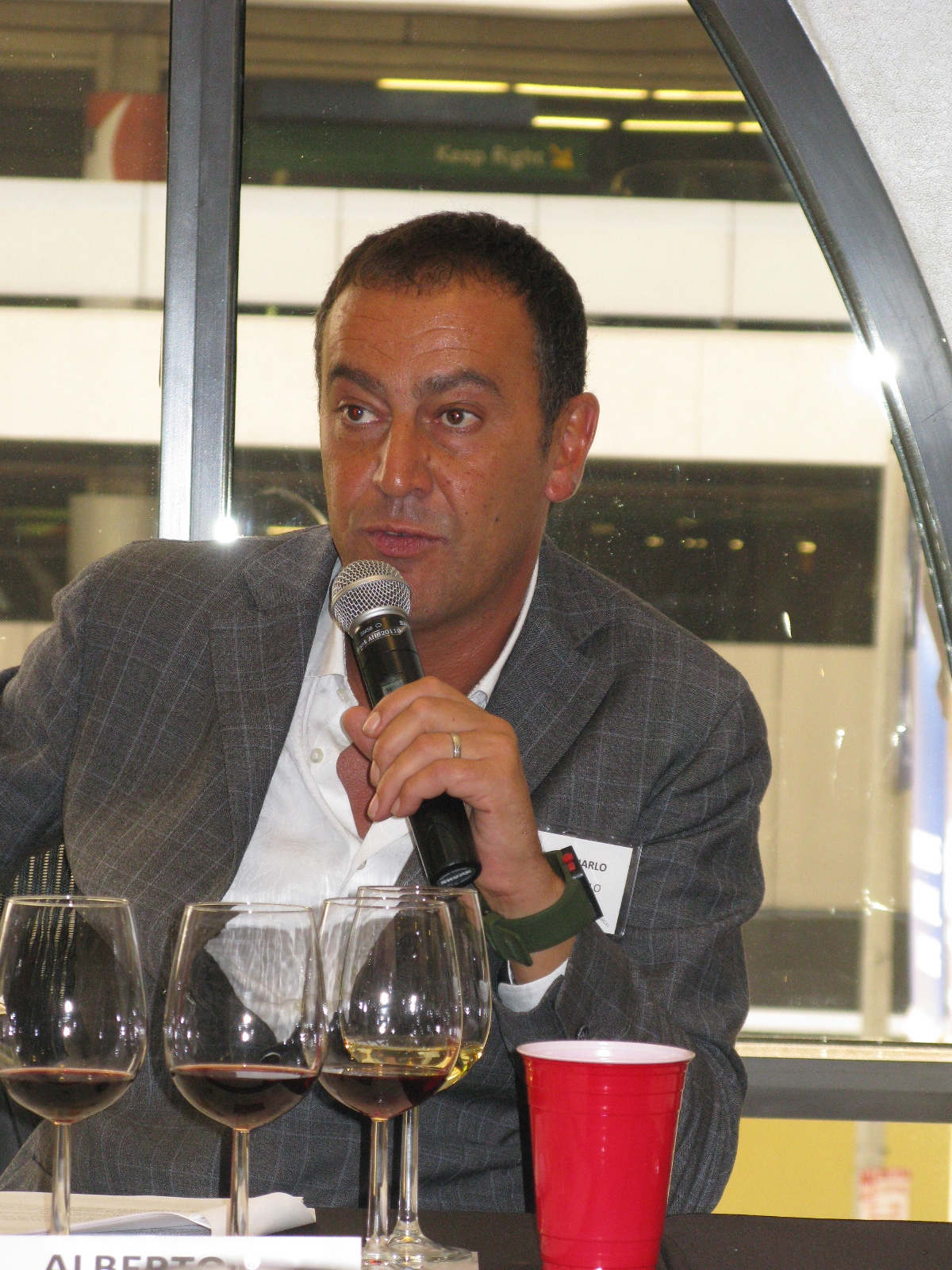
Barolo ,a Denominazione di Origine Controllata Garantita D.O.C.G., guaranteeing origin, is a wine grown in the northwestern region of Piedmont.  As sangiovese is the grape of the Tuscan Chianti, Barolo is made from nebbiolo or “the foggy one.”  The Cerequio Barolo D.O.C. is an exceptional example of single vineyard Barolo.

Alberto Chiarlo

Alberto Chiarlo

The Langhe is a hilly region in Piedmont with highly calcareous soils.  At 1,200 ft. elevation, the Cerequio Vineyard is called the “balcony of the Langhe” with contents of magnesium in the soil.

Aged for two years in oak, there is a nice spice on the nose and the balanced tannins provide a full-bodied richness throughout a long finish.  This wine is pairing well with red meats in hard cheeses such as pecorino-reggiano.

Manachiarra Brunello Montalcino D.O.C. 2006 ($107)

Tenuta Silvio Nardi

The name Brunello Montalcino alone gets the attention of serious wine drinkers.  It identifies a wine produced in legendary vineyards surrounding the town of Montalcino, south of Florence in the Tuscany region.

Emilia Nardi

Emilia Nardi

Low-yield vines, a warm growing season and strict viticulture practices allow the sangiovese grape in Montalcino, specifically, the Manachiara Vineyard, to fully ripen.  President Emilia Nardi explained that the “Manachiara” endures a lengthy maceration process, leaching tannins, color and flavor compounds from the skins and stems of the grape into a “must”.

The juice matures for nearly three years in oak barrels and another in the bottle.  The result is a ruby red wine with a clear spice component on the nose.  The flavors, as with all wines at this tasting, are rich and full with the acidity and tannins precisely in balance.  This is a wonderful, earthy wine from a legendary plot in Tuscany.  A pairing with roasted lamb is one from heaven.

Sassicaia Bolgheri Sassicaia D.O.C. 2010 ($226)

Tenuta San Guido

In the 1940’s Marchese Mario Incisa della Rocchetta settled in Bolgheri along the Tuscan coast.  Contrary to local Chianti winemaking tradition, Rocchetta imported cabernet sauvignon grapes from Bordeaux and established a vineyard he called Tenuta San Guido.  He also aged his wine in French barriques instead of customary Slovenian casks.

As the wine improved each vintage, it was soon called “sassicaia” and marked the beginning of the Super Tuscan movement,

Piero Incisa della Rocchetta

Piero Incisa della Rocchetta

French grapes in Tuscan soil.  In fact, Sassicaia means “the place of many stones,” aptly describing local soils that produce a unique minerality.  Piero Incisa della Rocchette, a third generation winemaker, sees this wine not as a large “fruit bomb,” but a well-balanced wine using neutral oak,  allowing the incredible terroir to take over.

The Sassicaia has everything imaginable in an extraordinary wine, deep color, intense earthy
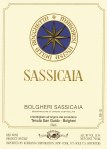
Sassicaia Bolgheri Sassicaia D.O.C. 2010

Sassicaia Bolgheri Sassicaia D.O.C. 2010

aromas of dark fruits and spice, rich elegant flavors with soft tannins and a long finish.  Debuting as the first Super Tuscan in 1968, their success led to Bolgheri Sassicaia D.O.C., becoming its own appellation in 1994.

Il Pareto Toscana I.G.T. 2010 ($86)

Tenuta di Nozzole

The Folonari family began making wine in Tuscany during the 1700’s.  Today, Ambrosio Folonari and his son, Giovanni, are among the most respected producers in Tuscany. Giovanni explained their success through a commitment to three simple

Ambrosio and Giovanni Folonari Tenuta di Nozzole

Ambrosio and Giovanni Folonari
Tenuta di Nozzole

rules:  1. Look to the consumer, 2. Never lose the identity and character of the wine and 3. Emphasize elegant, food-friendly wines.

Another modern Super Tuscan wine, the Il Pareto Toscana I.G.T. 2010, created from 100% cabernet sauvignon grapes, extracts flavors from the large amounts of limestone and gravel in the soils of the vineyard.  It matures for 16-18 months in new and old oak, then another six months in the bottle.

The wine has a classic cabernet bouquet of black fruits, vanilla and earth.  The flavors are rich and jammy on the palate with some acidity on the finish that makes it food friendly.  The “Il Parento” is, vintage to vintage, rated at the mid-nineties level.

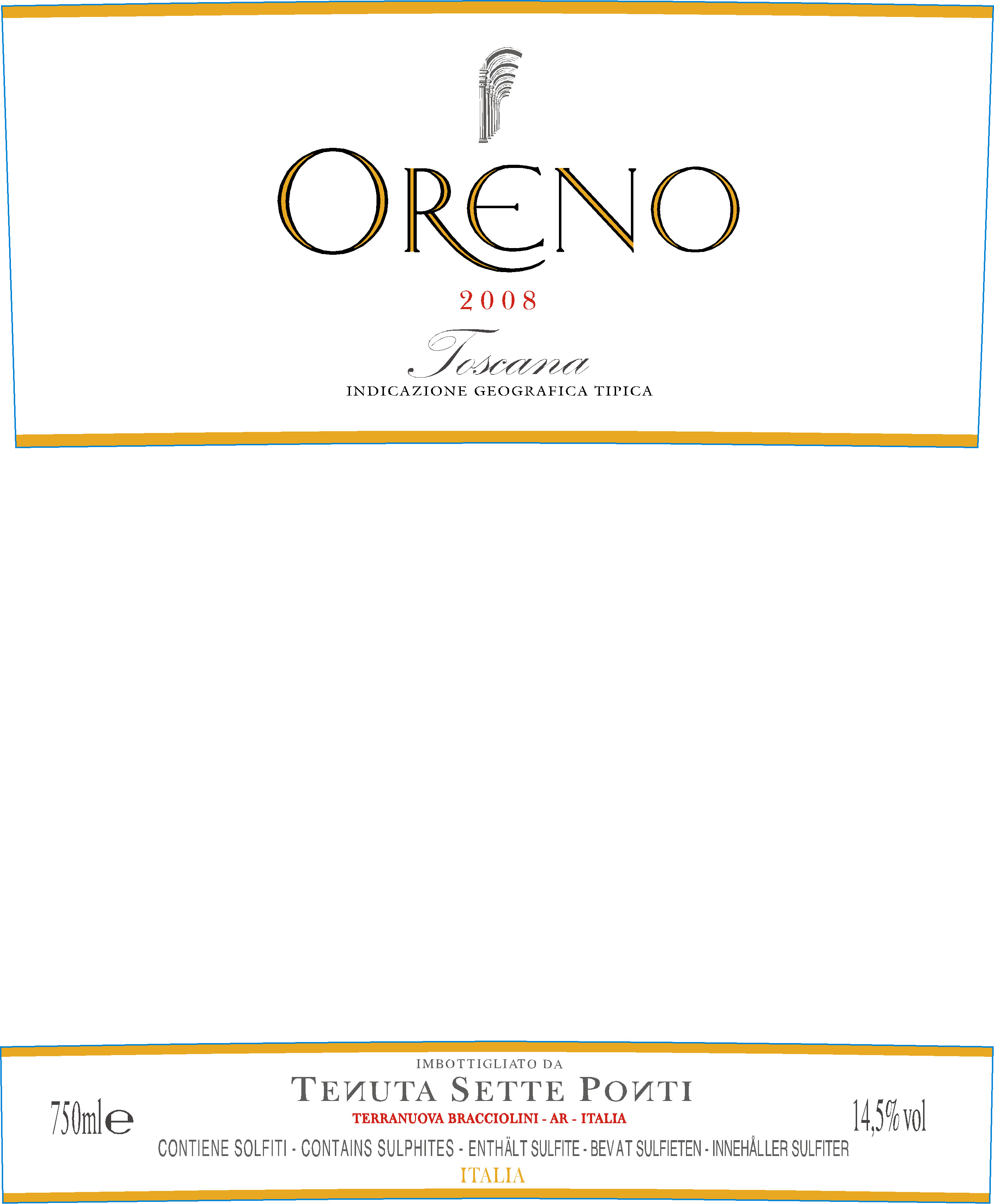
Oreno Toscana I.G.T. 2011 ($111)

Tenuta Sete Ponti

Named for the river that flows through the vineyard, the Oreno Toscana I.G.T. 2011, the flagship wine from Tenuta Sete Ponti takes Super Tuscan to a new level as a Bordeaux blend whose vintages have been ranked within the top ten wines in the world.
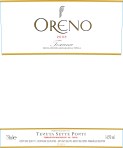
Oreno Toscana I.G.T. 2011 Tenuta Sete Ponti

Oreno Toscana I.G.T. 2011
Tenuta Sete Ponti

From unique Tuscan soil blending clay, sand and limestone, the “Oreno” blends merlot for finesse, cabernet sauvignon for strength and petit verdot for the elegance that defines the wine, my favorite of the tasting.

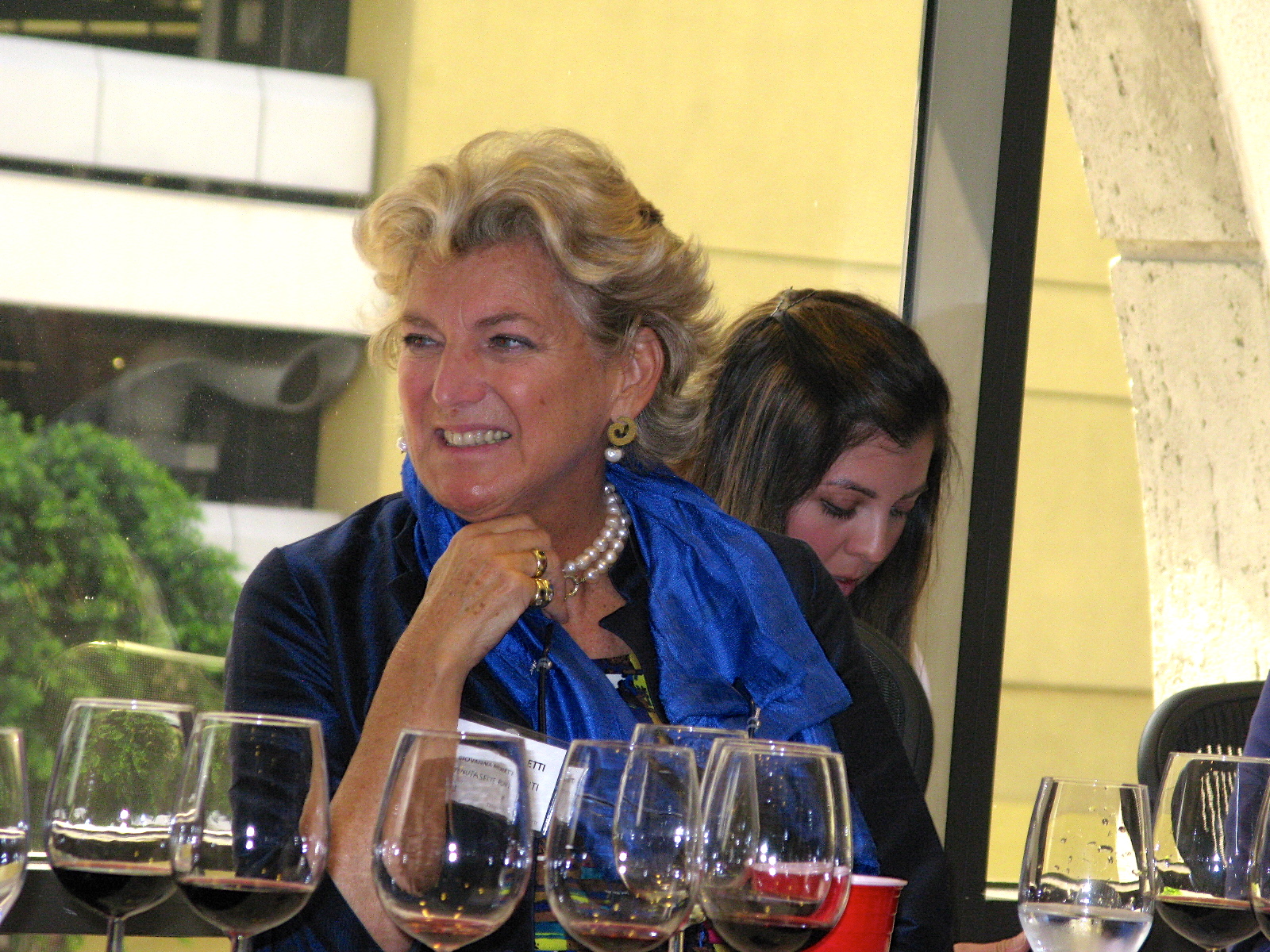
Early in the growing season, the clusters are reduced to one or two per stalk, assuring full-bodied fruit flavors. After
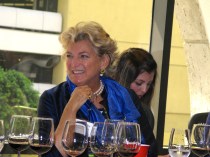
Giovanna Moretti Tenuta Sette Ponti

Giovanna Moretti
Tenuta Sette Ponti

fermentation in open-air tanks, the wine ages in French barriques (large barrels) for 18 months before another 12 months in the bottle.

The 2011 vintage, while quite young, has spicy aromas of dark fruit and definite touches of chocolate that govern the nose and palate.  Expressing lithe tannins, this full-bodied wine will, most likely, emerge into something very special.

Mazzano Amarone Della Valpolicella Classico DOC 2001 ($175)

Masi Agricola

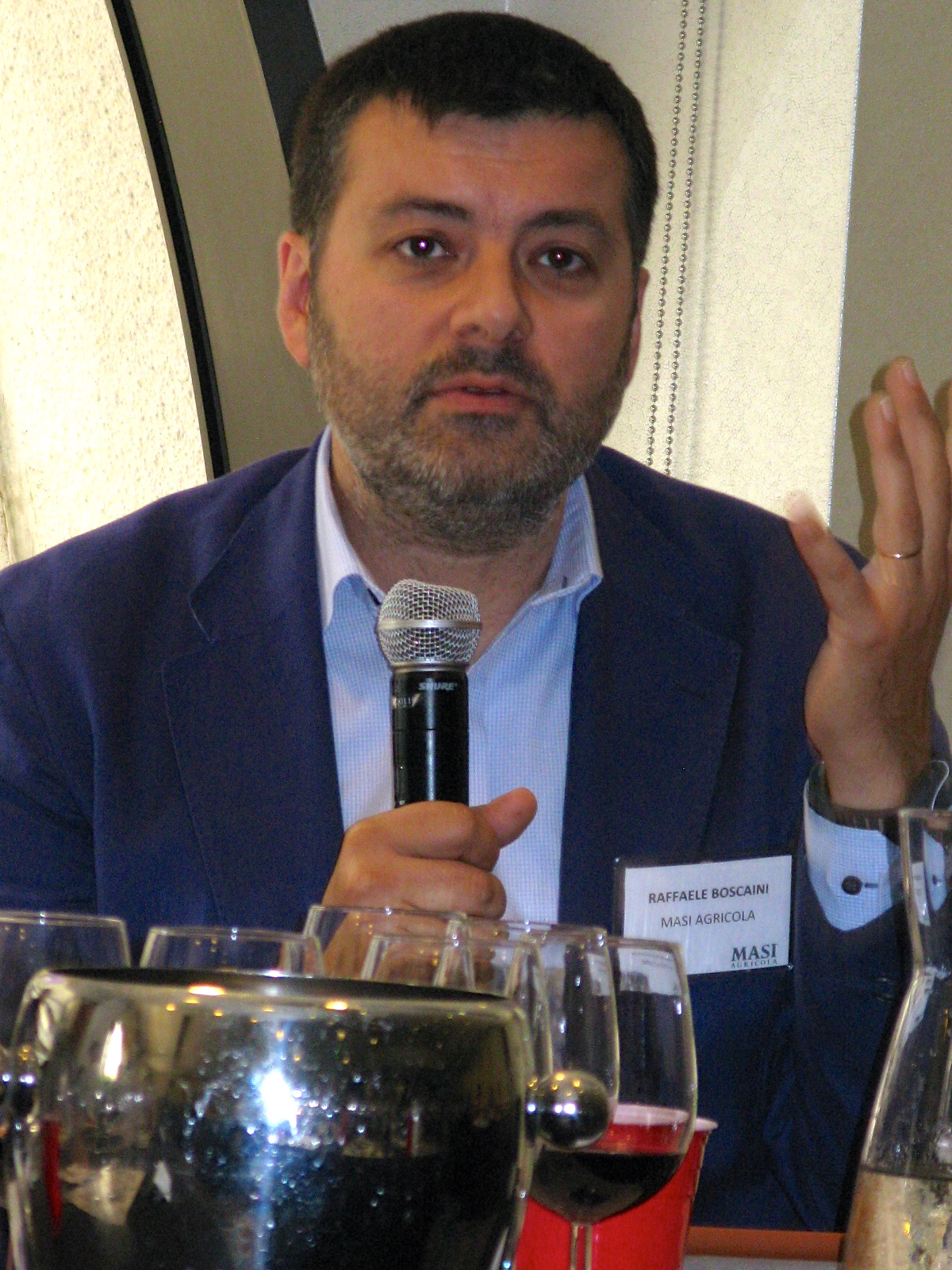
Named for a small valley in the Veneto/Valpolicella area purchased by the Boscaini family in 1772, Masi Agricola owns the best terroir in northeast Veneto, including single varietal vineyards in six appellations throughout the region.  Masi specializes in cru wines, each originating from a single vineyard.

The renowned Mazzano Vineyard boasts soil that is deep, lose and rich in natural hummus.  Heavy amounts of lime and lava stones and westerly leaning slopes complete an optimal terroir for the corvina, rondinella and molinara grapes blended in the Mazzano Amarone Della Valpolicella Classico D.O.C. 2001.  “Amarone” is created in the ancient method of “appassimento”

Raffaele Boscaini Masi Agricola

Raffaele Boscaini
Masi Agricola

where the grapes are dried on bamboo racks before pressing, then fermented at very cold temperatures for weeks until all sugars turn to alcohol and the softening malolactic fermentation occurs.

Production of the “Amarone” is extremely limited and made only in the best years.  Each vintage spends three years in oak and another six months in the bottle before release.  The 2001 vintage surely delivers as a bold, elegant wine with layered aromas of violets, dark fruits, spice and concentrated flavors of candied fruit on the palate.  I would drink this wine with some strong Italian cheeses or by itself as an after dinner wine.

The October 31st issue of Wine Spectator magazine features new wines from Tuscany in an article titled “Tuscan Bounty,” highlighting reds from Bolgheri, Chianti and other regions.  Among critic Bruce Sanderson’s recommended wines from Tuscany are the Tenuta San Guido Bolgheri-Sassicaia 2010 and the Tenuta Sette Ponti Toscana Oreno 2010, both awarded 94 pts with vintages featured at out tasting.

While they are always subtle in describing their wines, these notable winemakers understand what they have.  What was once intuition and tremendous risk is now sustainment, balancing the elements of each vintage with incredible terroir.

Italian wines are known for their character, appealing to some palates more than others.  While the earthiness put forth from their soils is always evident, these wines are a blend of the best stock, terroir and viticulture, the stew of consistent greatness.
Food and Wine of the Hitching Post


                      Photographs:  Karen Norton


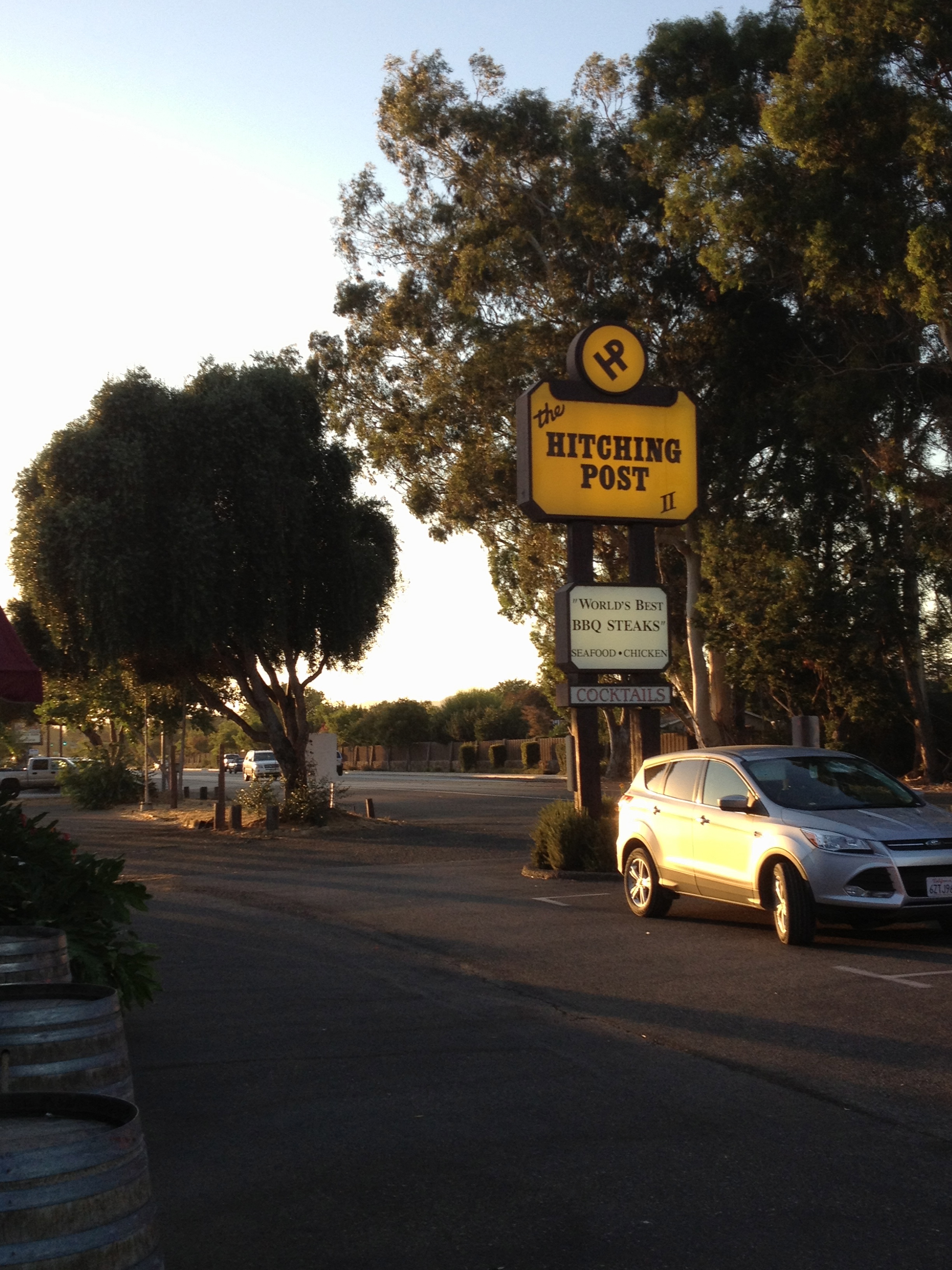
The Hitching Post II Restaurant was a local legend long before the film; “Sideways” exposed it to a much larger audience.  Today, it is a must stop for those in town enjoying wine tasting or the many other attractive features in the north San Barbara County area.  While the

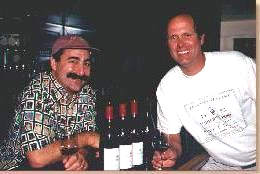
Frank Ostini Jr. and Gray Hartley

Frank Ostini Jr. and Gray Hartley

waitress, Mya, is still good for business, locals have appreciated open red oak BBQ grilling, “Santa Maria Style” since the Ostini Family opened the original Hitching Post Restaurant in nearby Casmalia, CA in 1952.  The in-direct open fire grilling method, rather then closed smoker, seems to generate great flavor in everything from filet mignon to salmon. The Hitching Post II also has its own house wines with a much different story than one might imagine.

Several years ago, I met Gray Hartley at a tasting event when he was promoting Hartley-Ostini Hitching Post Wines.  Experience tells us to be cautious when restaurants, especially BBQ restaurants, begin to make their own house wines, especially Pinot Noir.  Fortunately, we can all throw caution to the wind.  Beginning as a hobby, Hartley-Ostini Hitching Post Wines is a long-term business and personal partnership between old friends who are now serious winemakers creating fine wines from many of the top vineyards in the region.

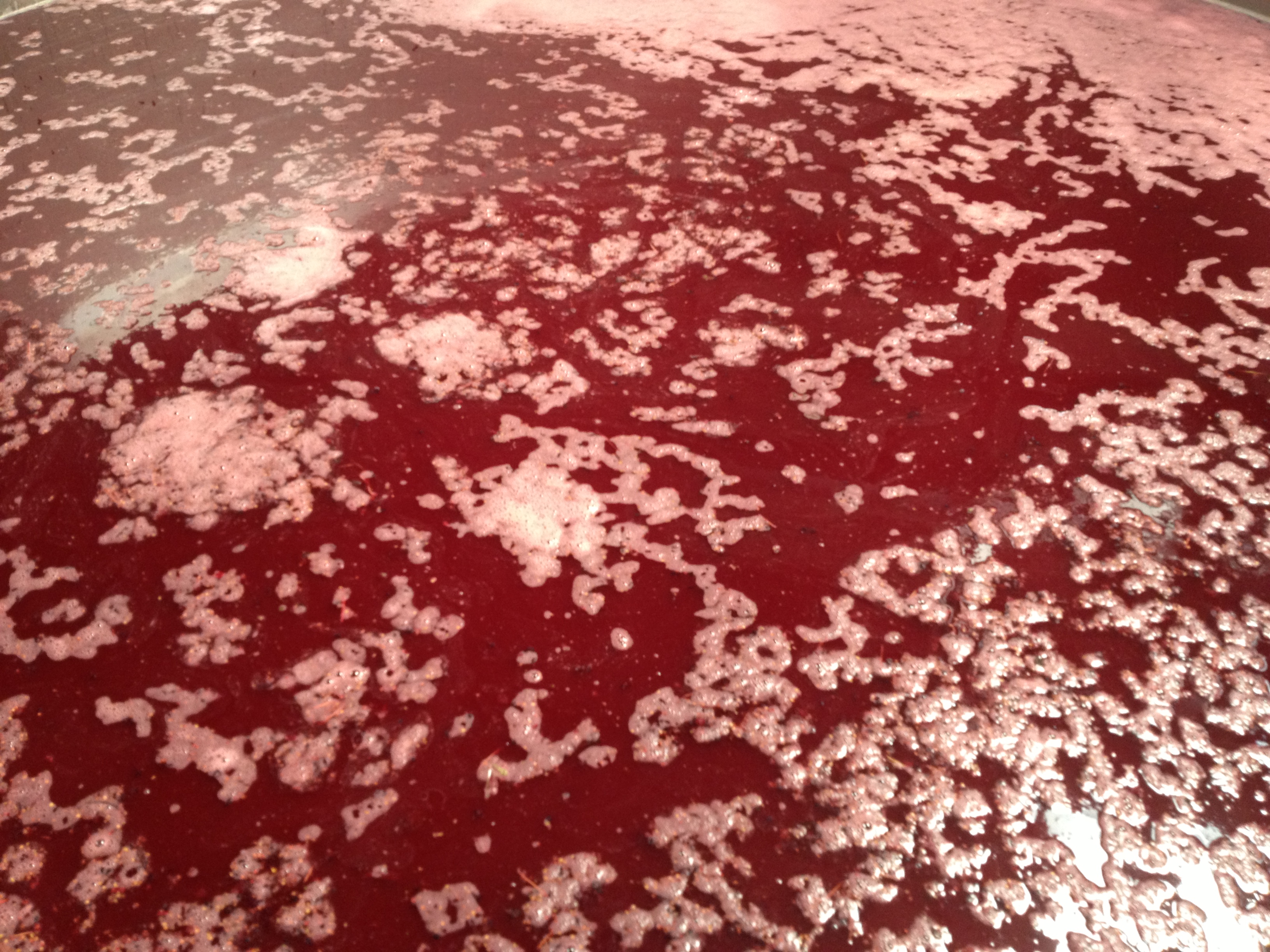
As with most wineries in north Santa Barbara County, the harvest was taking place and the Hitching Post  staff was in fourth

new juice

new juice

gear,  moving  fresh grapes from trucks through the initial crushing process.  Hartley oversees the production of 17,00 0cases annually, but he was as excited as we were to watch the grapes come off the trucks and to visit the scales before the fruit was loaded onto conveyor belts, drawn through crushers and de-stemmers before resting in holding tanks awaiting a winemakers touch.

When asked what makes him a good winemaker, Hartley pauses for an instant before responding, “Frank.”  High school friend, Frank Ostini convinced him in 1979, to leave his fishing business in Alaska to pursue the dream of creating pinot noir and other varietals that people would want to drink, inside or outside the restaurant.  A self-described romantic, Hartley depicts his partner as analytical and pocessing scientific approach, providing a good balance.

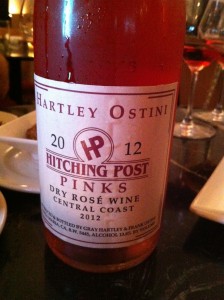
Hartley Ostini 2012 Hitching Post "Pinks" dry rose

Hartley Ostini 2012 Hitching Post “Pinks” dry rose

Speaking of balance, Gray pours a glass of the new 2012 Hitching Post “Pink’s” Dry Rose, comprised of valdiguie (48%), Grenache 47% and Pinot Noir (5%).  Valdiguie, also known as Gros Auxerrois is a grape native to the Languedoc-Roussillon region of southern France, near Provence, that is producing fine rose’.

While the “Pink’s” in the name refers to the salmon that Hartley used to fish in Alaska, the flavors and texture of this rose’ would pair nicely with the Hitching Post II BBQ Sautéed Mushrooms or Grilled Artichokes with Smoked Tomato Pesto.

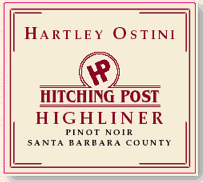
The most popular Hitching Post wine is the “Highliner” pinot noir. The 2007 Hitching Post “Highliner” Pinot Noir ($40), named for the “great men of the Alaskan Salmon Fishery, combined the best barrels from four of north Santa Barbara County’s

Hartley-Ostini Hitching Post "Highliner" Pinot Noir

Hartley-Ostini Hitching Post “Highliner” Pinot Noir

extraordinary vineyards.  It expresses complex fruit flavors and should drink well for 5-6 years. The popular “Highliner” and other Hitching Post Wines are exported to 12 states, Japan, Denmark and Canada.

While most Hitching Post wines spend 18-20 months in the bottle before release, the 2008 Hitching Post “Hometown” Pinot Noir ($20)) was released after only 10 months, appealing to those who prefer the flavors and texture of young, value-priced pinot noir.

Frank and Gray both emphasize the need to keep flavors in balance; the flavors must be strong, but not dominant.  They aspire to create the Burgundian-style, food friendly pinot noir that can accompany all food including beef.

While Frank recommended the 2009 Hitching Post “Cork Dancer” Pinot Noir ($29), I opted

Frank Ostini

Frank Ostini

for the 2008 Hitching Post “Perfect Set” Pinot Noir (55) to pair with my fresh Grilled Salmon.  This pinot represents the best barrels from Fiddlestix Vineyard in the Santa Rita Hills appellation.  As with grapes for her own Fiddlehead Cellars, owner/winemaker Kathy Joseph’s meticulous work in the vineyard has put her stock in demand by winemakers throughout the region.  The “Perfect Set” is aromatic, earthy wine with full fruit flavors, living up to its name.

The Hitching Post Wines portfolio include single vineyard pinot noir from four of the area’s renown vineyards including the Fiddlestix and Cargassachi Vineyards in the Santa Rita Hills and Julia’s and Bien Nacido Vineyards in Santa Maria.  Research will show that many of California’s fine pinot noir releases source fruits from these vineyards. The 2009 Hitching Post “Bien Nacido Vineyard” Pinot Noir ($42) expresses luscious, deep flavors with fully ripened, concentrated fruit.

Although they claim to not make wine for food, nor food for wine, this Hitching Post team, with their unique blend of

Barrel Tasting

Barrel Tasting

experience, were at the forefront of food and wine pairing.  With “no pretense,” they continue, since the first vintage in 1984, to use a “holistic” approach to winemaking and food preparation that helps maintain a healthy balance with each.

For those seeking heavier wines to pair with the wonderful open-fire flavors of beef, lamb and pork, the 2010 Hitching Post “Big Circle” Syrah ($24) and the 2007 Hitching Post Syrah “Alisos Vineyard”($30)  are both good alternatives.  The “Big Circle” expresses complex, balanced flavors and an acidity that makes it very food friendly.

One of the fascinating features of California wines is the multitude of human stories of people, their passion, desire and commitment to perfection.  Although the winemaking passion of Gray Hartley and Frank Ostini has become a $2 million annual operation, luckily they still see themselves as two friends making wine in their garage. Their allegiance to “trust the vineyard, trust your senses and share knowledge” is what makes everything about the Hitching Post operation especially appealing.

IMG_1605

The Hitching Post Restaurant II in Buellton

The Hitching Post Restaurant II is located on Highway 246, less than a mile from the Buellton exit of Highway 101 and the nearby wine tasting room is in the ultra-modern Terravant Wine Company, shared with other local winemakers.  Stops at both should be part of any excursion to the breathtakingly beautiful wine region of north Santa Barbara County.


Kenneth Volk Wines


    Photographs By:  Karen Norton


Ken Volk is a winemaker, consummate in his knowledge of horticulture, terroir, soils and grape varietals.  He knows who farms the best vineyards and, more importantly, how to access the fruit that he can effectively mold into his fine signature wines.

Kennet Volk

Kenneth Volk

After spending a few hours with him, I realized that he has likely forgotten more about wine than I have ever understood.  He is also a genuinely nice-guy who gives freely of his precious time to share the passion that has made him one of the most influential winemakers in the country.

A love of horticulture, specifically citrus and avocado, led him to a degree from Cal Poly San Luis Obispo and stints at a few wineries before starting Wild Horse Winery, which he built into a successful large-production operation.

His success drove him more to the business side and away from his ultimate desire to make wine.  He sold Wild Horse, assembled some land and in 2005, purchased the old Byron Winery site in Santa Maria and launched Kenneth Volk Wines, a smaller production boutique winery that allows him to be hands-on at every level.

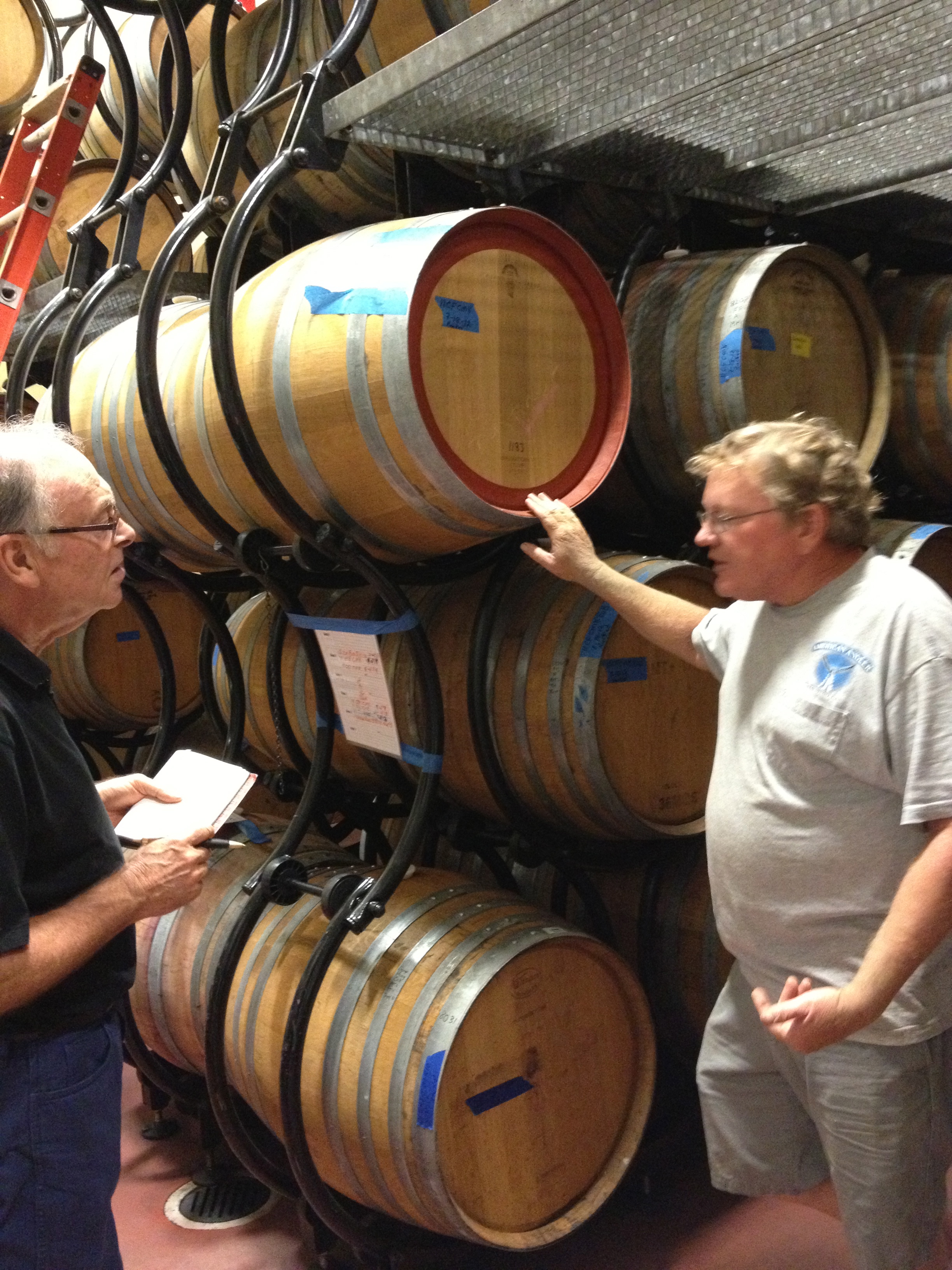
It is harvest time in north Santa Barbara County.  With drought conditions and some of the hottest average temperatures on record, the grapes are ready.  These are critical times for winemakers who must convert newly picked stock into juice immediately to avoid impacts IMG_0513of the heat.  Once the grapes are ready, the window is very small.

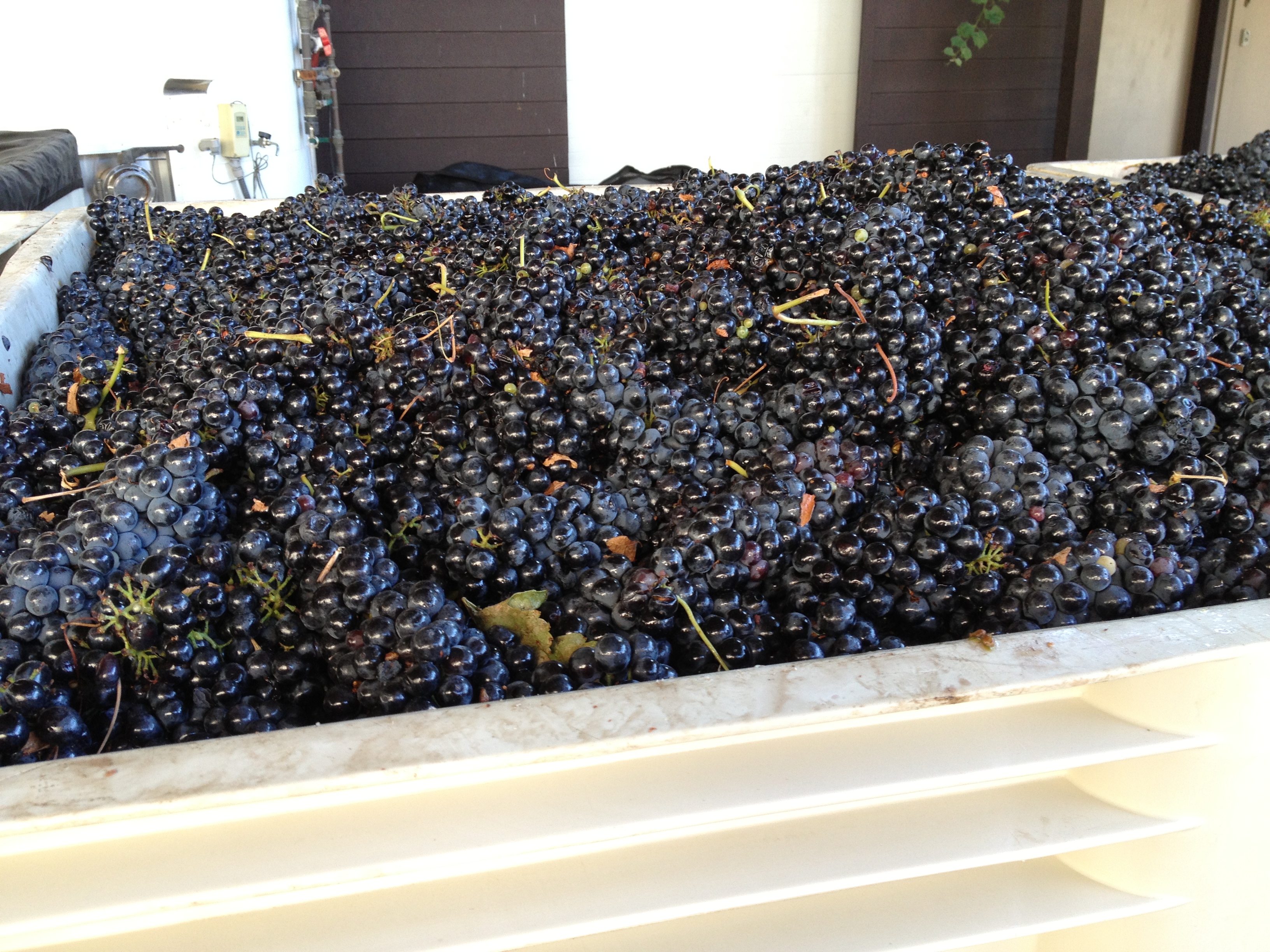
On this morning, trucks are delivering about five tons of tempranillo grapes in large tubs, removed by forklifts, weighed and inspected before the initial process began.

Larger in size than most wine grapes, the dark clusters have been infiltrated by small green berries.  Ken describes them as seedless grape buds than did not form the necessary enzymes to mature and expresses concern they could impact the quality of the juice.  He decided to reduce the speed of the de-stemmer/crusher, directing most of the little green invaders with the stems and leaves.  Some of the nice grapes must be sacrificed, at significant expense, but the only decisive factor is to support and enhance the superiority of the harvest.

Before our eyes, the grapes are dumped into a machine as crankshaft moves the good grapes to crushing, separating any

Ken in the barrel room

Ken in the barrel room

debris. The good juice is immediately pumped to stainless steel holding tanks for the first pre-barrel fermentation process.  Surprisingly, dry ice is introduced to cool the holding tanks, helping to get the field heat out of the fruit while protecting against oxidation. While in the tanks, yeast is introduced and the juice is pressed down, separating from the skins.

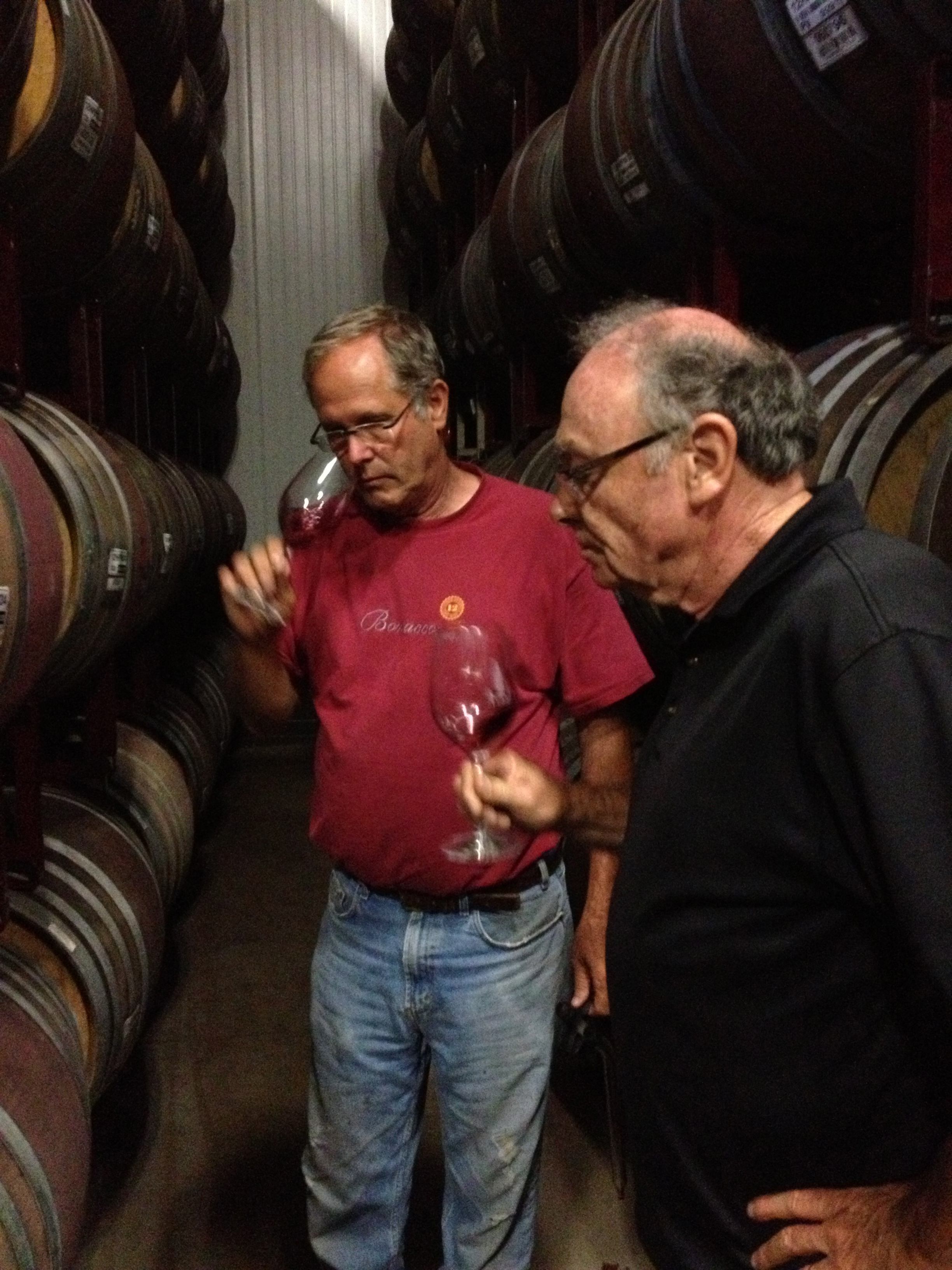
Even the barrel room at Kenneth Volk Vineyards is unique.  The racking system for the 1,000-barrel places each barrel on rollers to provide more “lees” (dead yeast cells and pulp) exposure for white wines.  Once again, the extra expense and effort are intended to augment the bouquet and flavor of the juice.

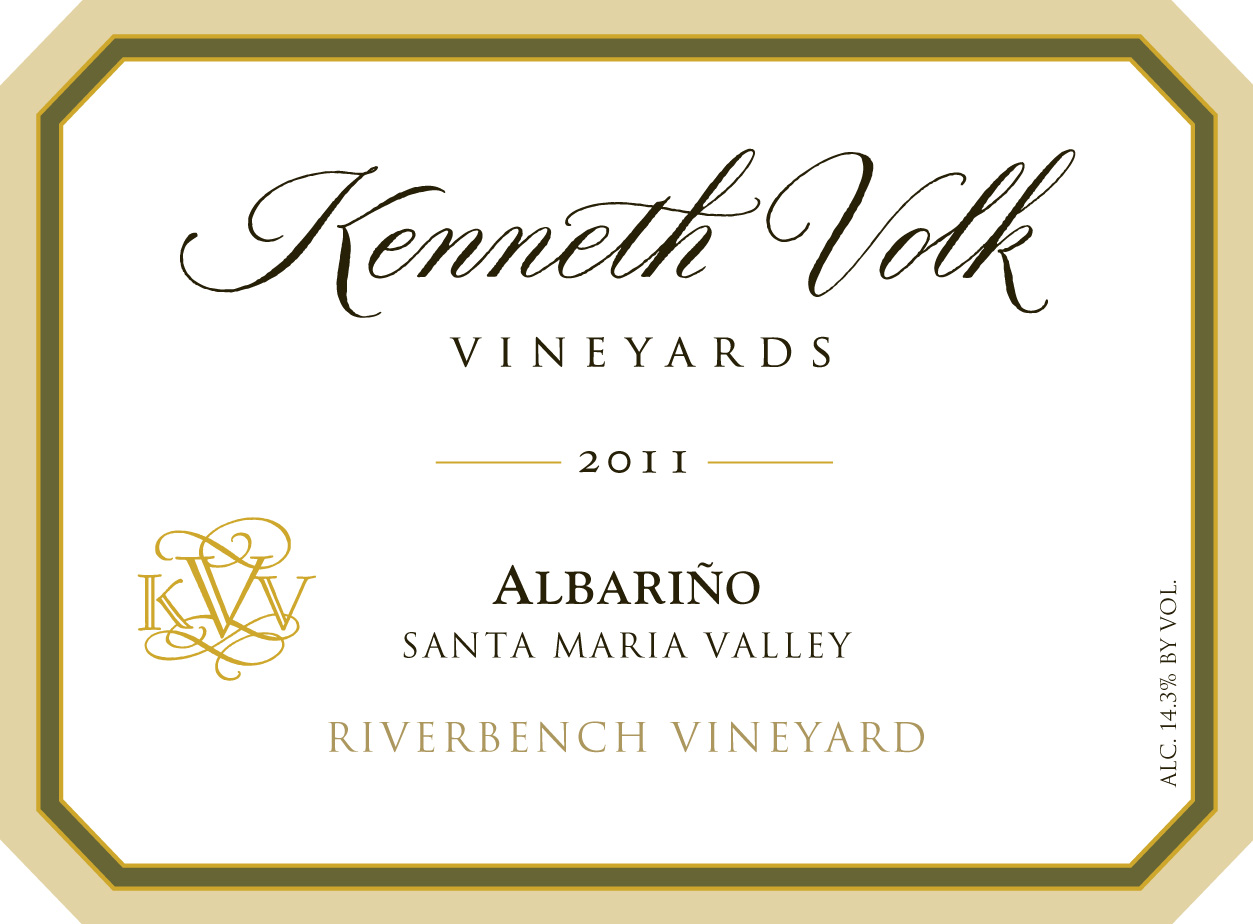
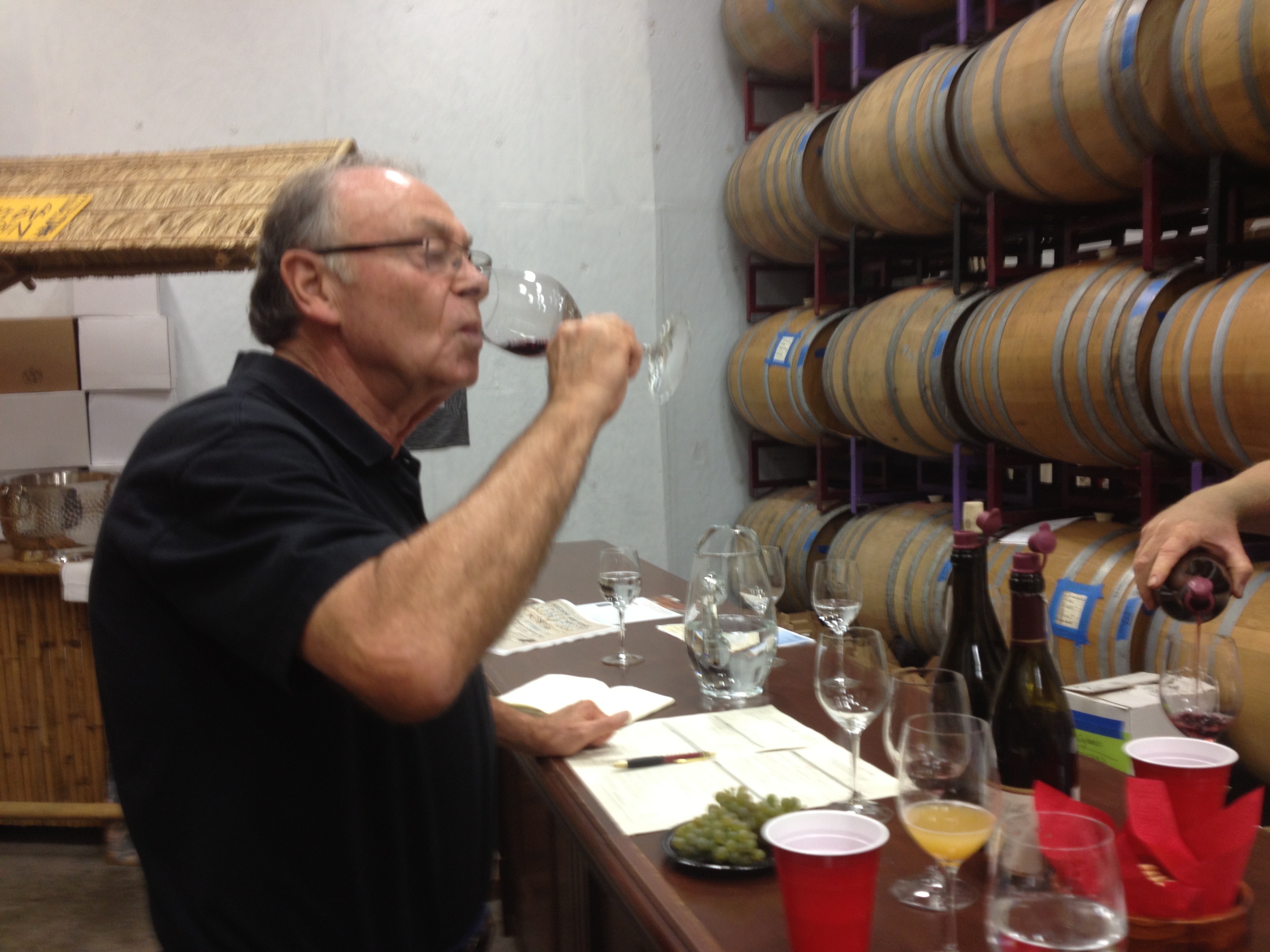
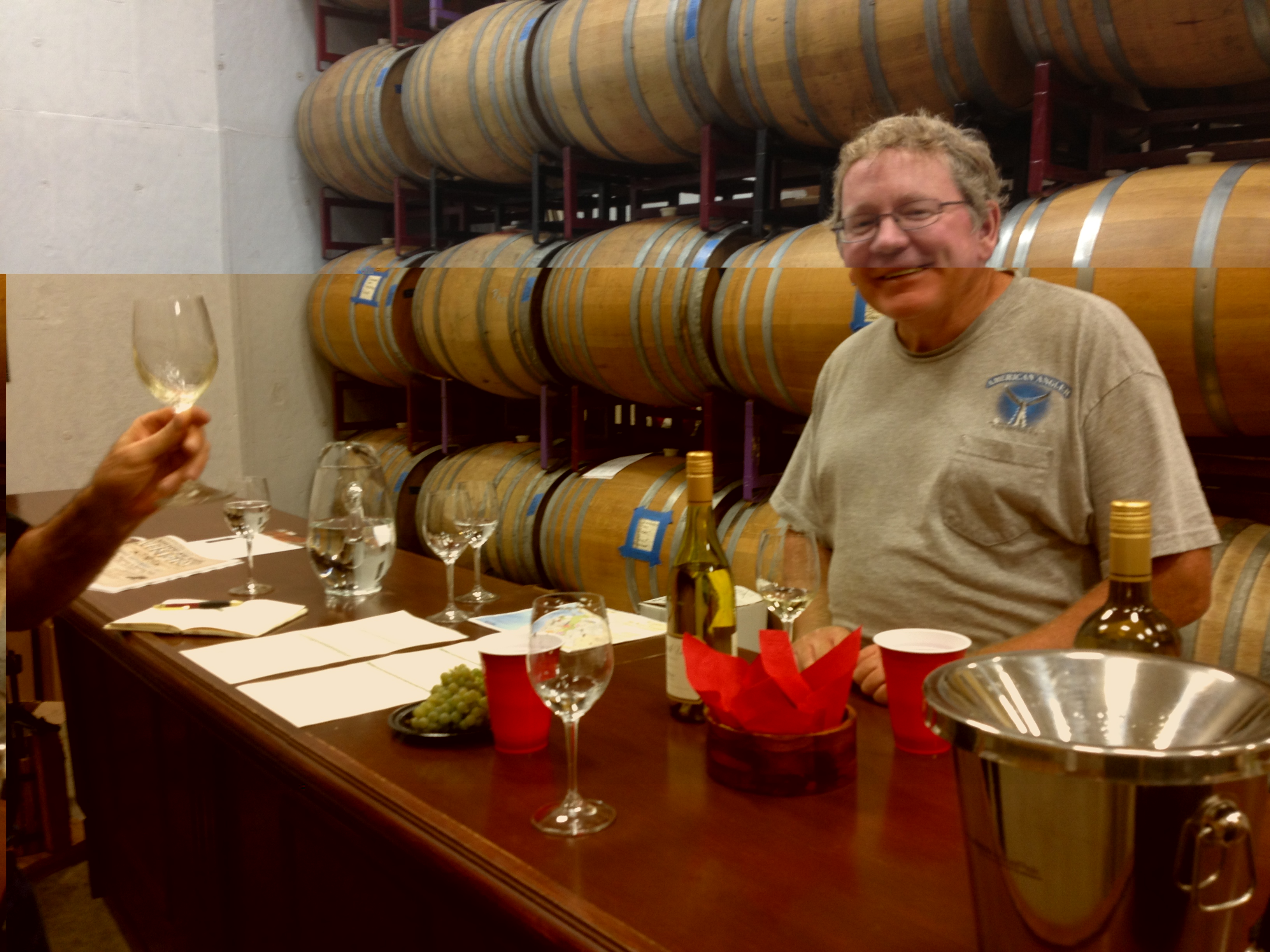
Once in the tasting room, Ken becomes a “kid in a candy store,” willing to share any of his treasured releases, both diverse and abundant.  Before the wine, we tasted some albarino grapes, fresh from the vineyard.  The floral aromas, sweetness of the grapes was over the top, far beyond any white table grape. Next, we sampled some sweet, partially fermented albarino juice that was already expressing strong hints of melon and stone fruits. The final part of this tasting trifecta was the 2012 Kenneth Volk Albarino Riverbench Vineyard ($24), a crisp, refreshing wine with a nice flavor burst on the backend.

2011 Kenneth Volk Albarino Riverbench Vineyard

2011 Kenneth Volk Albarino Riverbench Vineyard

A nice surprise of this tasting was the 2010 Kenneth Volk Verdelho Pomar Junction Vineyard ($24). Grown in several regions throughout Portugal including the island of Madeira, verdelho plantings are expanding in many California appellations.  These grapes came from Templeton, south of Paso Robles to help create a brisk wine with a substantial burst of flavor and creamy texture on the finish.

A bit taken back when he suggested the 2012 Kenneth Volk Malvasia Bianca San Bernabe Vineyard ($24), Ken explained that his is not sweet, but dry, floral, aromatic and slightly astringent.  The vineyard, located along Highway 101, near King City is one of the warmest in the region for full ripening.

Next, we tasted the distinctively different 2011 Kenneth Volk Chardonnay “Jaybird” Santa Maria Valley ($22), crispy, totally sans oak and the oak-laden 2010 Kenneth Volk Chardonnay Bien Nacido Vineyard ($28), benefitting from malolactic fermentation and time in the barrel.   While poles apart, both wines share full flavor profiles and have been highly rated by Wine Enthusiast magazine.  The Bien Nacido Vineyard sources many high quality, well-farmed varietals to several winemakers throughout the region and here; we enjoy the rich texture, stone fruit and butterscotch nuances of a California chardonnay.

Volk’s winemaking skills were clearly on display as we tasted three unique pinot noir releases, two originating from the Santa

Tasting another release

Tasting another release

Maria Valley and another from an appellation in San Benito County that peaked my interest called Lime Kiln Valley.

The inland Lime Kiln Valley appellation, located south of the towns of Hollister and Tres Pinos, is known for soil composed of large amounts of limestone and dolomite.  All the Lime Kiln Valley vineyards are owned and operated by the Enz Family, who now grow many varietals exclusively for Kenneth Volk Wines.  Minerality in the aromas and flavors of the 2009 Kenneth Volk Pinot Noir Enz Vineyard Lime Kiln Valley ($48) are evocative of the fine, earthy red wines originating from the Burgundy region of France and, hence, my favorite.

With high expectations from this infamous vineyard, the 2009 Kenneth Volk Pinot Noir Bien Nacido Vineyard ($60), at a higher price, delivers that lush, velvety texture with flavors of strawberry and cherry following an earthy bouquet.

The value-priced 2009 Kenneth Volk Pinot Noir Santa Maria Cuvee ($30), awarded 90-points from Wine Enthusiast magazine, conveys another earthy bouquet followed by concentrated fruit on the palate.

Our tasting, far from complete, ended with five inimitable red varietals, many of which were new and fresh to my senses.  One of the common varietals used in ports and still wines from Portugal, the 2010 Kenneth Volk Touriga Nacional Pomar Junction Vineyard ($36) had robust floral aromas and complex flavors ending with a nice “slate” finish.

Ken Volk

Ken Volk

The Lime Kiln Valley AVA is, once again, showcased with the rare 2008 Kenneth Volk Cabernet Pfeffer San Benito County ($28), a varietal often confused with “Gros Verdot” from the Bordeaux region of France.  Many believe that these grapes are Gros Verdot, but our government only recognizes Cabernet Pfeffer.  Whatever the proper name, this drinkable wine adds a soft spice element to the bouquet and flavor.

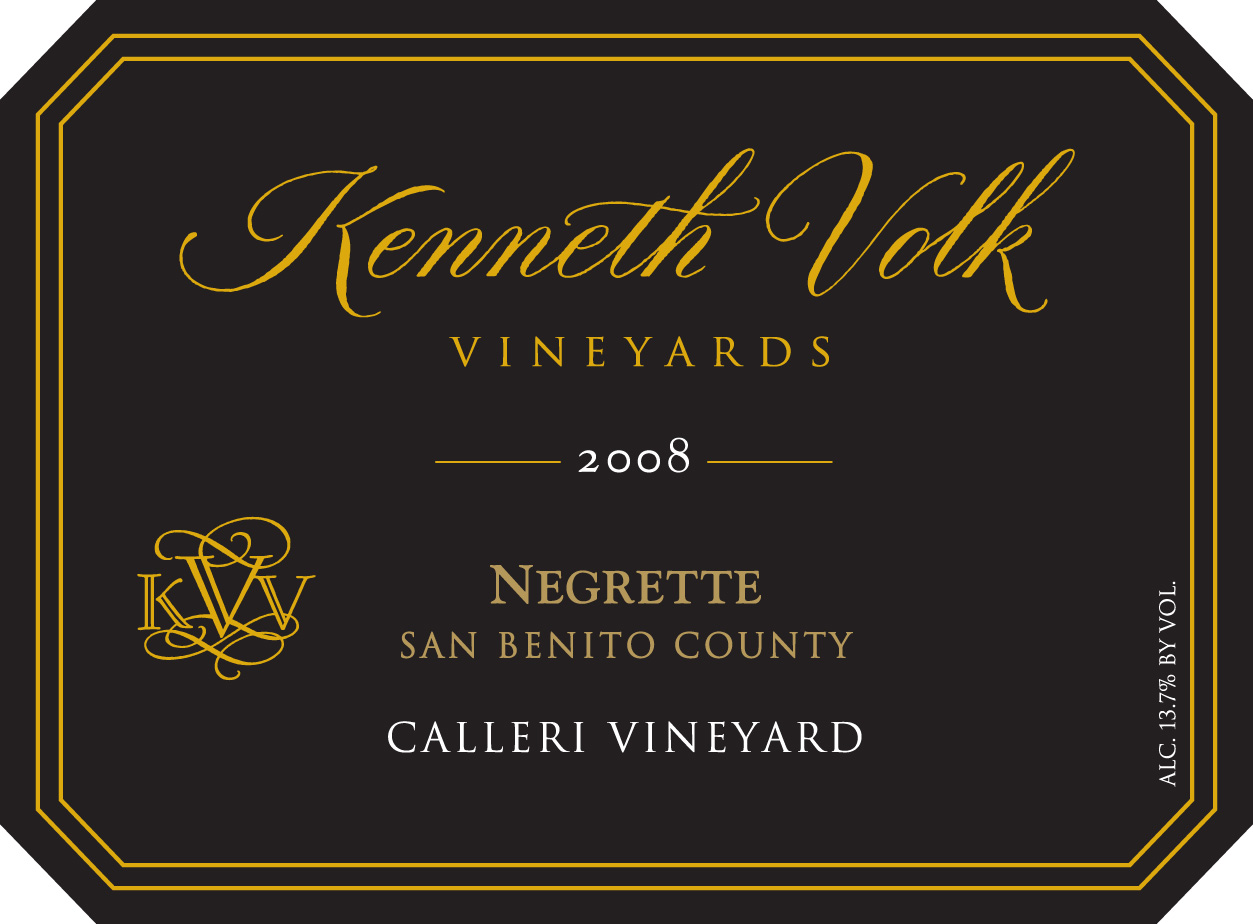
Described with “aromas of humming bird sage and turned earth,” the 2010 Kenneth Volk Negrette Calleri Vineyard ($28), a

2008 Kenneth Volk Negrette Calleri  Vineyard

2008 Kenneth Volk Negrette Calleri
Vineyard

varietal originating in the Toulouse region of France, is dark red in color with softer tannins similar to Pinot Noir.

From the Basque region in southern France rather than the Rhone Valley, some winemakers in the Paso Robles region have begun to plant the rare Tannat grape.  Paso’s Bella Collima Vineyard sourced grapes for the 2010 Kenneth Volk Tannat Bella Collima Vineyard, a rich, full-bodied wine with robust flavors that pair well with meats and game.

2455547-110_1F

2008 Kenneth Volk Mourvedre Enz Vineyard

I have long enjoyed mourvedre as an important component, adding richness to the classic “Rhone Blends” in both France and California.  A few of our winemakers, throughout variable regions, have experimented with 100% mourvedre releases.  Once again seeing the potential of the warmer Lime Kiln Valley vineyard, the 2009 Kenneth Volk Mourvedre Enz Vineyard ($36) seems to provide enough season for the grapes to properly ripen, resulting in resonant aromas and concentrated flavors that will age well.

IMG_0510

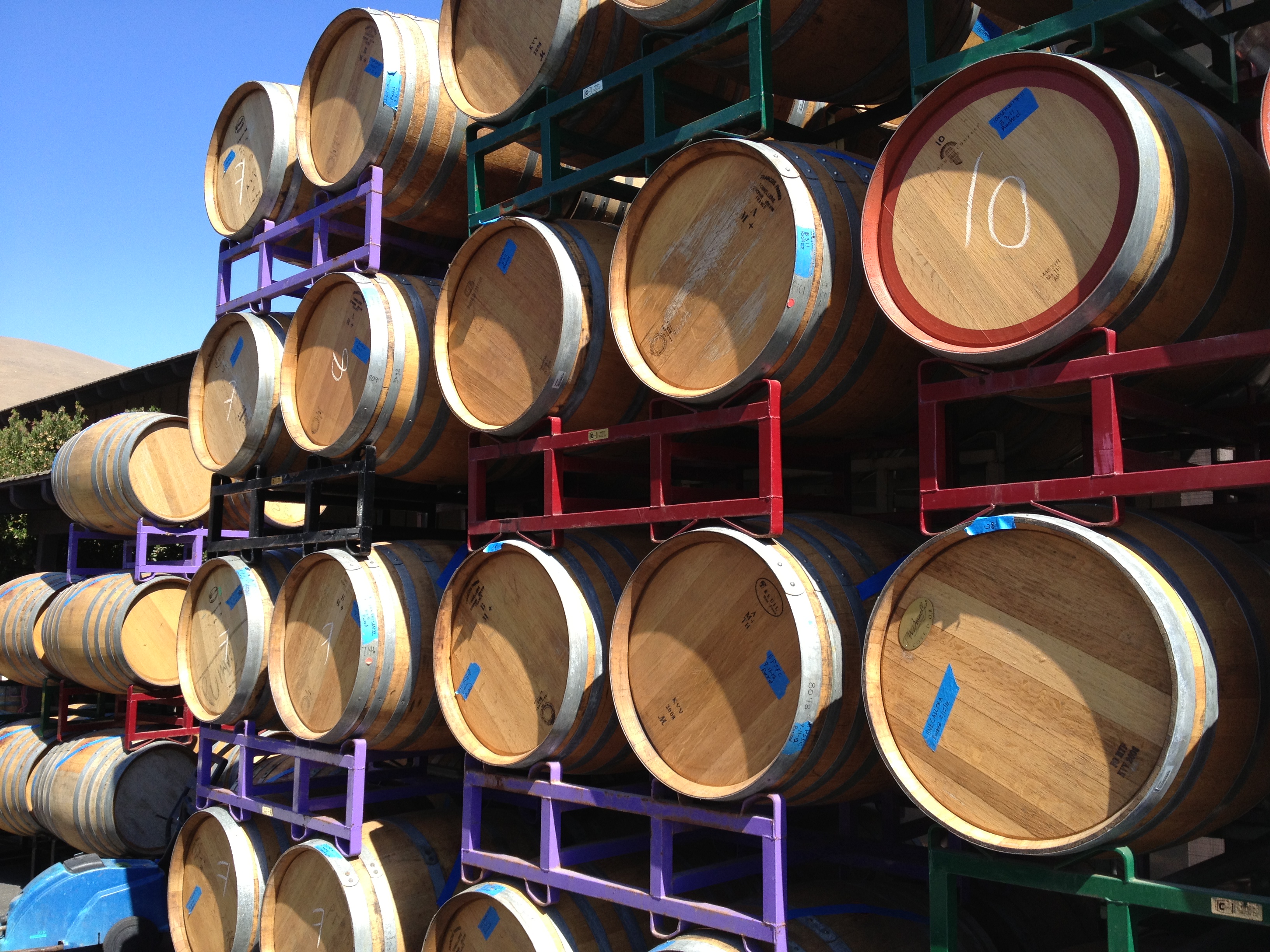
Colorful barrel racks

As we were leaving the winery, Ken asked why I hadn’t commented on the multi-colored barrel storage racks.  He explained that each year, some racks are painted in the color of the NBA Champions.  There are red for the Miami Heat, black for the San Antonio Spurs, green for the Celtics and, yes, purple and gold racks that are beginning to rust and in need of a new coat.

Extraordinary wines, stimulating conversation and a behind-the-scenes look at the Kenneth Volk Vineyard operation made for a wonderful afternoon in the Santa Maria Valley.  It also gives me confidence that wines produced under Ken’s name will exceed expectations.


Enjoy “Influential” Wines


Michael Cervin, from www.intowine.com, recently rated the “top 100 most influential U.S. winemakers,” highlighting those who have made long-standing contributions as well as newcomers that are making strong impacts to the national wine scene.  While reviewing his list, I found some familiar names that have created wines that I have enjoyed and will

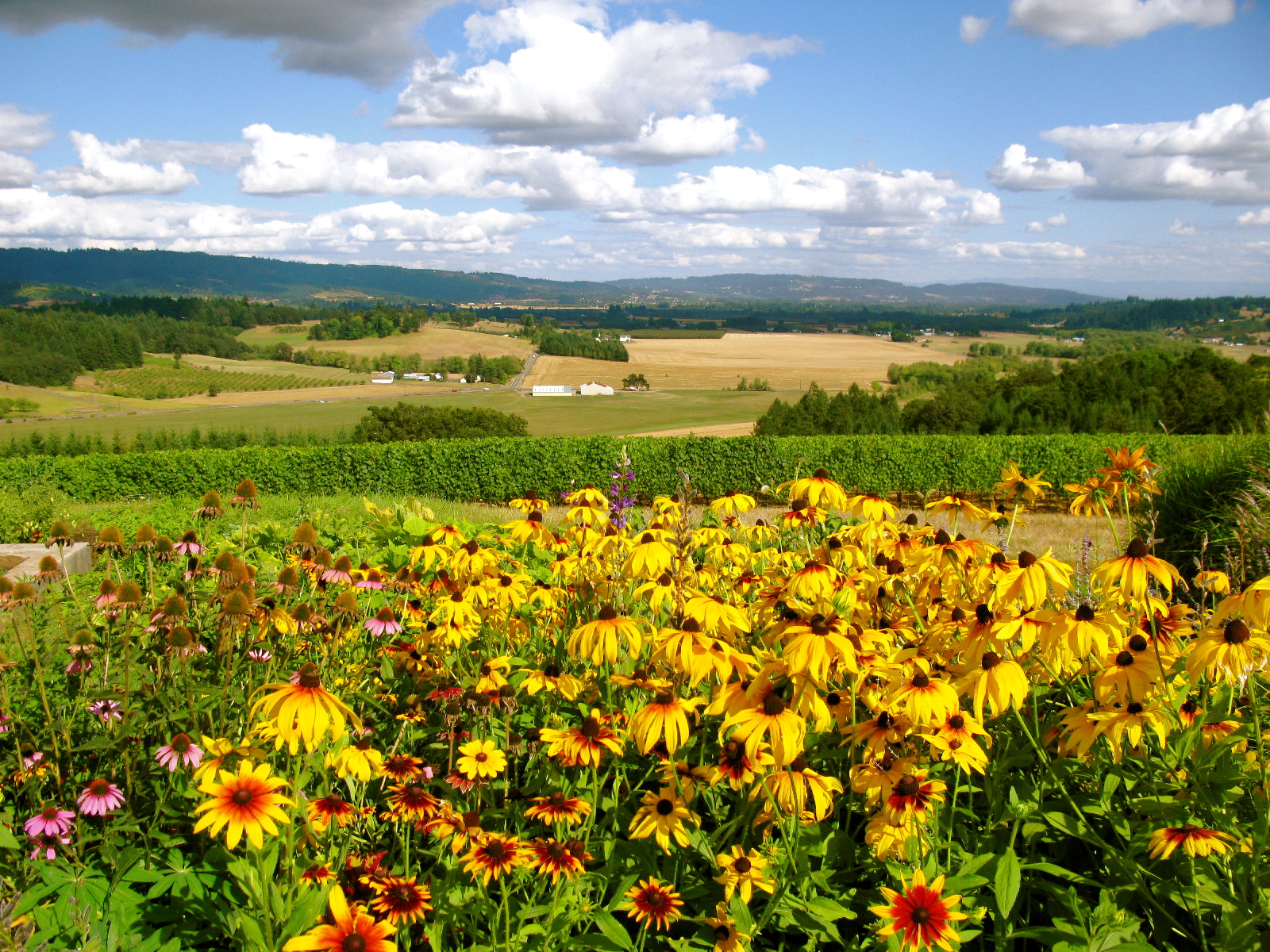
vista from Penner-Ash Winery

vista from Penner-Ash Winery

continue to pursue.

While a list of most influential winemakers makes for a fun read, the proof is always in the palate.  I thought it may be helpful to match some of the top winemakers with some of their specific wines that I have had the pleasure to experience.

These winemakers represent the Santa Maria Valley, Paso Robles, Sonoma County, the Santa Cruz Mountains and Oregon’s Willamette Valley, evidence of the growing de-centralization of power in the industry.  Many of these wines are so unswerving there was no need to list a particular vintage. The number indicates the winemaker’s ranking on Cervin’s list.

#58. Kenneth Volk          Kenneth Volk Vineyards

Kenneth Volk Cabernet Sauvignon Paso Robles 2005 ($36)

     Kenneth Volk Pinot Noir Garey Vineyard 2006 ($48)

Kenneth Volk Cabernet Sauvignon Paso Robles

Kenneth Volk Cabernet Sauvignon Paso Robles

Raised in San Marino, CA, Kenneth Volk made his name in the industry through his Wild Horse Winery in Paso Robles.  He has since sold Wild Horse to concentrate on Kenneth Volk Vineyards, producing boutique wines in north Santa Barbara County. At a recent tasting in Pasadena, I met Mr. Volk and enjoyed three fine pinot noir wines, the bold “Garey Vineyard” release, in my opinion, taking the varietal to a higher level.

Unfortunately, good cabernet sauvignon can be very expensive, especially from the Napa Valley.  The Kenneth Volk Cabernet Sauvignon Paso Robles 2005 is one of the “cabs” that I recommend in the $30-40 range.  From Westside vineyards, this wine is restrained, with softer tannins making it very drinkable now

#45. Neil Collins          Tablas Creek Winery

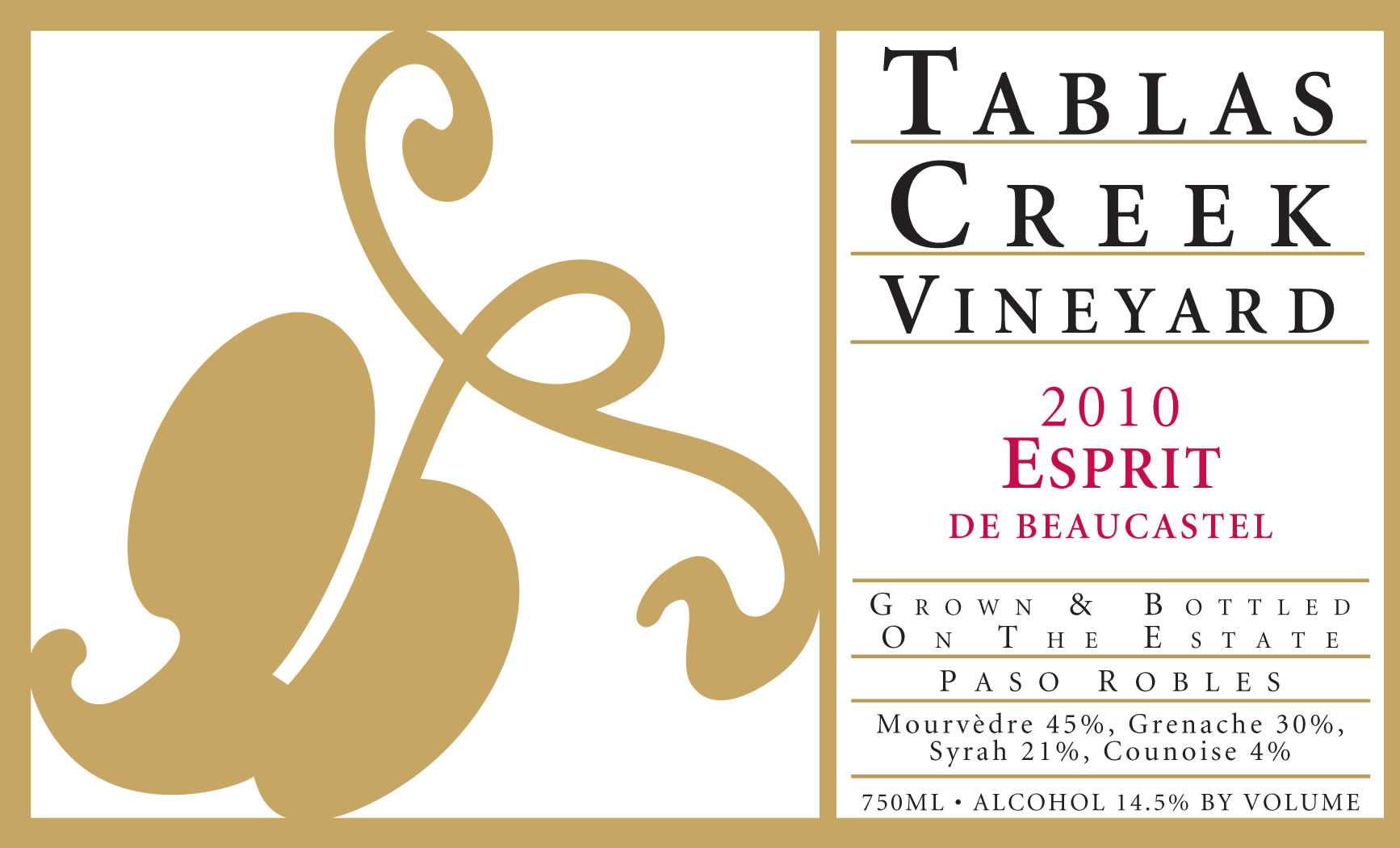
     Tablas Creek “Espirit de Beaucastal” ($55)

     Tablas Creek “Espirit de Beaucastal” Blanc ($40)

A pioneer in introducing Americans to the famous blends that originated from the Rhone Valley, Neil Collins was involved in importing Rhone vines to the U.S., enduring the quarantine and furnishing the research to encourage others to follow. Each vintage produces several high quality Rhone-blends from Paso Robles, many from vines propagated

2010 Tablas Creek "Espirit de Beaucastel"

2010 Tablas Creek “Espirit de Beaucastel”

from the original imports.  Tablas Creek produces a wide variety of wines, none more intriguing than the 2010 Tablas Creek “Panopile,” a mourvedre-dominant GSM blend that, like other vintages, is consistently rated in the mid-nineties. Admittedly, I have not yet tasted the wine whose meager 600 cases are reserved for members of their Vinsider wine club. Cautious with the restrictions of wine clubs, the high quality of red and white varietals, member programs and sustainable farming practices make Vinsider one that I would recommend.

My selections are the red and white wine from the “Espirit de Beaucastal” series, named for the French chateau that partnered with the Haas family to create Tablas Creek. Both wines display complex aromas and limestone-driven minerality that set them apart,


#43. Gary Eberle          Eberle Winery

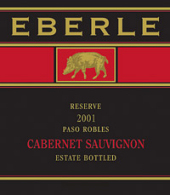
Eberle Estate Cabernet Sauvignon ($34)

Eberle Reserve Cabernet Sauvignon Estate Bottled

Eberle Reserve Cabernet Sauvignon Estate Bottled

A patriarch of California, as well as Paso Robles winemaking, Gary Eberle’s eastside winery has been a leader in the region for decades featuring varietals such as syrah, zinfandel and viognier in many well-reviewed wines. Most vintages of the Eberle Estate Cabernet Sauvignon stand above, consistently ranked among the best California cabernet in the $30-40 price range.

#40. Lynne Penner          Penner-Ash Wine Cellars

Penner-Ash Pinot Noir Willamette Valley ($45)

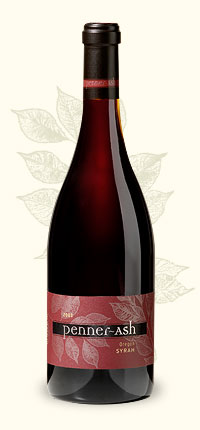
     Penner-Ash Oregon Syrah ($35)

After an early stint at Stag’s Leap in Napa, Lynne Penner became one of the first female winemakers in Oregon, spending many years at Rex Hill producing those nice pinots. In 1998, she founded Penner-Ash, one of the most beautiful and sustainable winery/vineyard operations in the

Penner-Ash Cellars Oregon Syrah

Penner-Ash Cellars Oregon Syrah

entire Valley.  During a visit last year, I was very impressed with the 2010 Penner-Ash Oregon Syrah with balanced tannins, rich texture and complex flavors comparable to any syrah from the vintage.  Most vintages of the Penner-Ash Pinot Noir Willamette Valley will deliver beyond expectations.


#32. Bob Cabral          Williams Seylem

Williams Seylem Sonoma Coast Pinot Noir ($52)

     Williams Seylem Bacigalupi Vineyard Zinfandel ($52)


Bob Cabral, Director of Winemaking at Williams Selyem

Bob Cabral, Director of Winemaking at Williams Selyem

Clearly one of the big treats of any vintage is my annual allotment of pinot noir from William Seylem, a pioneer in developing the Burgundy varietal in Sonoma.  Named “2011 Winemaker of the Year” by Wine Enthusiast magazine, Bob Cabral consistently creates high quality, medium-bodied single and multi-vineyard pinot noir and chardonnay. In reviews of each release, the “Sonoma Coast” Pinot Noir remains one of their best values.  In recent years, Cabral has added a new varietal with the Williams Seylem Bacigalupi Vineyard Zinfandel that, as one may expect, is among the best.

#19. Justin Smith          Saxum Vineyards

Saxum “Broken Stones Vineyard” ($89)


Justin Smith burst upon the wine scene a few years ago when his “Broken Stones” and “James Berry” Vineyard Rhone blends were included in Wine

Saxum "Broken Stones Vineyard"

Saxum “Broken Stones Vineyard”

Spectator’s top 100 list, the latter being named 2010 Wine of the Year.  Nearly impossible to obtain, an opportunity to taste the syrah-based “Broken Stones” revealed an elegant wine in perfect balance. Becoming pricy and rare cannot disguise the fact that it is a very special wine.

#11. Randall Grahm          Bonny Doon

Bonny Doon Cigare Volant Blend

     Bonny Doon Syrah Bien Nacido Vineyard

As a D.E.W.N. (Distinctive Esoteric Wine Network) member for more than a decade, I am never quite ready to move on from the Bonny Doon Winery and Vineyard family.

Bonny Doon Syrah Bien Nacido Vineyard

Bonny Doon Syrah Bien Nacido Vineyard

Founder Randall Grahm is legendary to the U.S. wine scene and opened wine consumers to a world outside of cabernet sauvignon and chardonnay by introducing Rhone varietals to the Santa Cruz and Monterey County regions.  In addition, he has been a leader in biodynamic farming and replacing corks with screw tops in high quality wines.  Reading Grahm’s newsletter itself is worth the membership.

Although the classic “Cigare Volant” Rhone blend is a must, three single-vineyard syrah releases have recently peaked my interest including the 2007 and 2008 Bonny Doon Syrah Bien Nacido Vineyard, a rich and balanced syrah from one of he state’s finest vineyards

#2.  Merry Edwards          Merry Edwards Winery

Merry Edwards Sauvignon Blanc ($32)

Among  influential winemakers of the world, Merry Edwards became renown as a winemaker and consultant long before

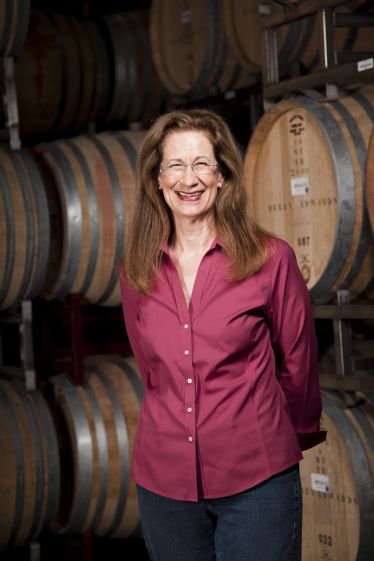
Merry Edwards

Merry Edwards

she launched her signature label in the late nineties, focusing on fine pinot noir.  However, her Merry Edwards Sauvignon Blanc is noteworthy because it is, arguably, our country’s finest.  From the floral nose of orange blossoms to the full-bodied, rich flavors, pairing this wine with seafood turns a scallops or salmon dish into a culinary masterpiece.

Merry Edwards Sauvignon Blanc

Merry Edwards Sauvignon Blanc

Leaders in the winemaking world are made from those who can create extraordinary wines and, directly or indirectly, make others better. Proof being in the palate, these wines impart the inspiration that we should expect from the influential winemakers of our time.


Penedes and the Spanish Cava Trail

280px-Penedès_region_and_DO.svg 


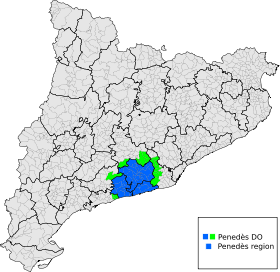
Considered one of Spain’s major wine-producing regions after Rioja, Penedes, located south of Barcelona, is best known for cava (sparkling wine) production.  Today, the region has expanded its range to exceptional white varietals and nice earthy reds.

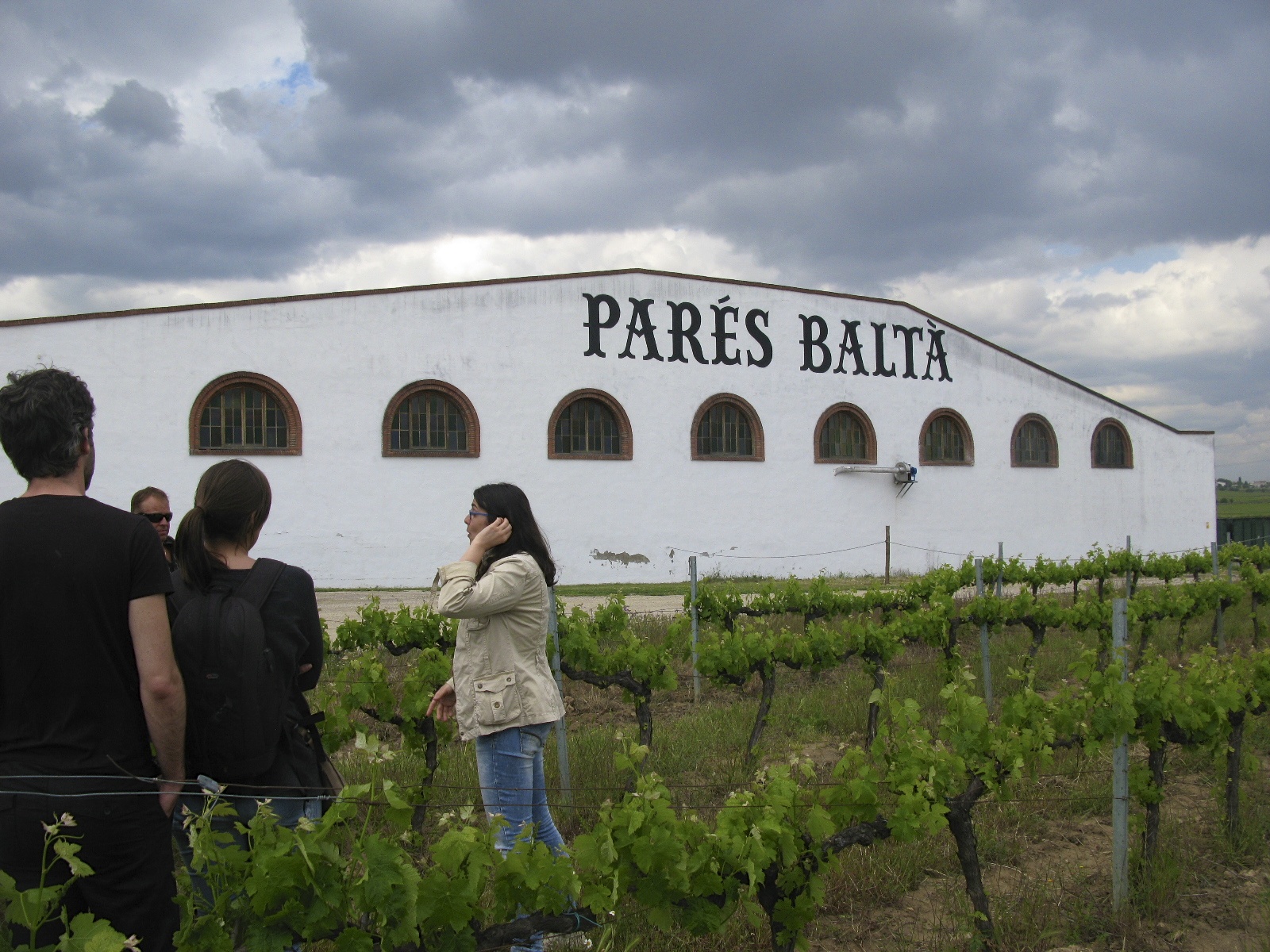
We often refer to sparkling wine as champagne, when if fact that name is only permitted if referencing what is produced in the Champagne region of France.  While made in the same “methode champenoise”, the sparkling wine of Spain is called “cava” and there are an abundance of producers in Penedes.  I recently had the opportunity to explore the “cava trail” in this region and taste cava at Pares Balta, who also create a number of quality still wines.

Part of Catalonia, Spain, Vilafranca del Penedes is situated between the steep Monserrat Mountains and the Mediterranean Sea. IMG_0916While cava’s ancestry is traced to the nearby Codorniu estate, Penedes is where it thrives today.

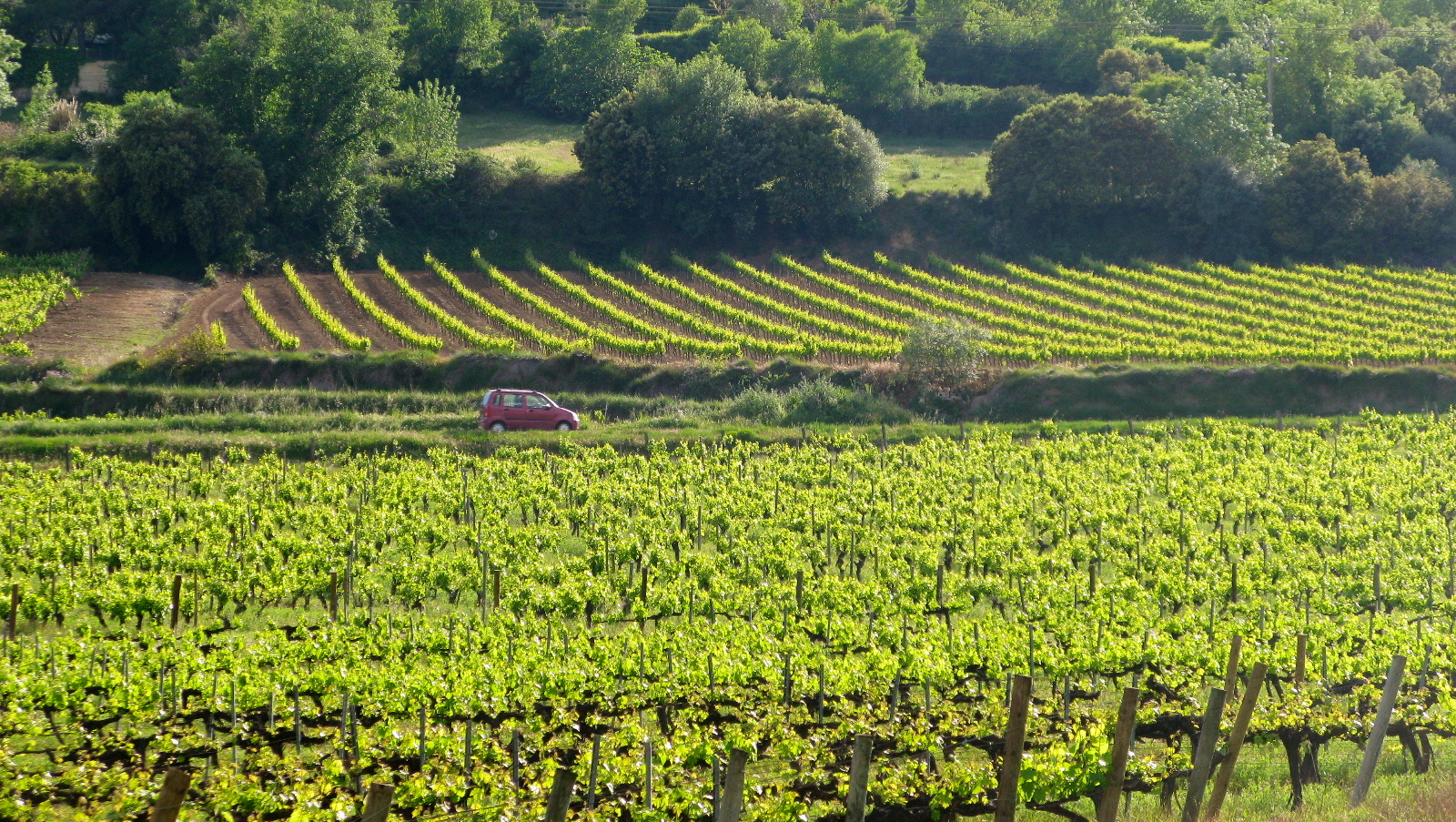
Widely considered one of the top growing areas, Penedes is a designated Denominacio d’Origen (DO) for wine and cava and one of the most ancient viticulture regions in all of Europe. A blessing in disguise, the generally poor-quality soils, heavy in limestone and fossil matter, can and do stress the grapes into highly concentrated flavors.

As with champagne, the blended white grapes are introduced to sugar and yeast in the bottle.  The second fermentation, lasting 12 months, creates carbon dioxide and those wonderful bubbles.  While viura is the dominant white grape in the Rioja, little known varietals like parellada, xarel.lo and macabeo are blended for both cava and still wines and seem to respond well to both methodsIMG_0860 of fermentation.

Following the morning at a monastery atop the Monserrat Mountains, we began our tour and tasting at Pares Balta, who have farmed the same vineyards since 1790.  The family has planted over 200 hectares (approx. 500 acres) in a unique terroir influenced by the coastal breezes and calcareous soils with an abundant of limestone at the surface.

Pares Balta has always practiced organic and biodynamic farming, but received certification in 2004.  While the winery is still owned by the grandsons of the founder, the winemaking and oenology is the responsibility of their wives, Maria Elena Jimenez and Marta Casas.  Rooted in cava, Pares Balta, over the past 25 years, have opened out to nearly 20 releases, a majority of which are red wines.

In a misty rain, our hostess, June Ordaz gave us a quick tour of the biodynamic, sustainable vineyards.  Organic farmers are fascinating in IMG_0870their creativity for plant survival such as hanging female hormones on the vines to falsely attract bees to help with pollination. Also, the wild grasses and legumes planted between the vines keeps the soil loose and re-charged with nutrients.

With one exception, all Pares Balta wines are estate grown.  All varietals are harvested August through October and are fermented individually for 3-5 years before blending. The results would soon be revealed as we began our tasting.

A blend of three white grapes, the Pares Balta Cava Brut is very fruit forward for a sparkling wine.  Parellada, the dominant grape known for adding floral notes to wines, certainly lived up to its reputation here. This cava is dry, but full-bodied and a good value for under $20.

Pares Balta Cava Brut

Pares Balta Cava Brut

With fermentation in stainless steel tanks, the Pares Balta Blanc de Pacs exudes a nice crispness and, once again, the parellada adds floral notes to the bouquet and orchard fruits to the flavor. By contrast, the Pares Balta Calcari 2009, utilizing the xarel.lo grape exclusively, has a negligible nose, but full flavors and a higher, yet balanced acidity.

Blended with cabernet sauvignon, merlot and syrah, the deep red Pares Balta Rose’ de Pacs rose’ offers an interesting balance of sweet and savory flavors.  The unique creamy texture would pair well with a nice Humboldt Fog goat cheese from northern California.

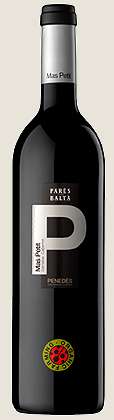
Another value at under $20, the cabernet sauvignon and Grenache-blended Pares Balta Mas Petit 2009 has soft fruit aromas and flavors with a unique minerality and gentle spices throughout.  This wine is both smooth and accessible to most palates.

c_120x0__20091217111118_winemaspetit_g

Pares Balta Mas Petit 2009

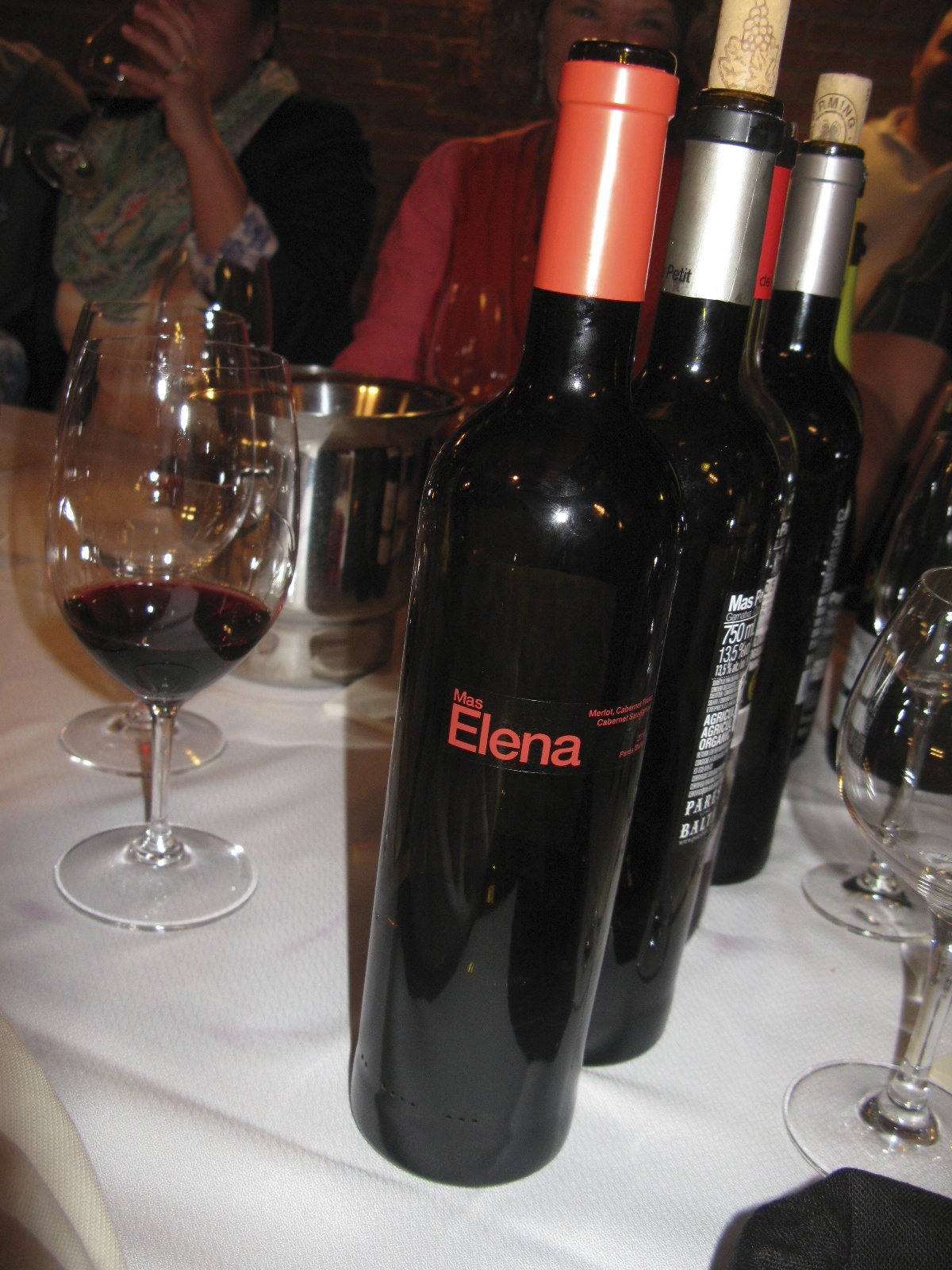
A blend of cabernet sauvignon, merlot and cabernet franc, the winemakers use malolactic fermentation to create the soft elegant flavors of the Pares Balta Mas Elena 2010, an excellent value for the price. Hints of spice from the nose through the finish add complexity to the wine.

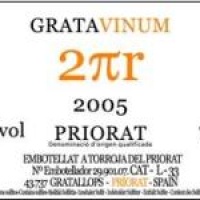
Our final tasting was an import from Priorat, Spain’s other significant wine region, known for unique slate and quartz soil called licorella that adds minerality to the flavors.  Blended primarily with Grenache (60%), carinena (25%) and small amounts of cabernet sauvignon and syrah, the 2007 Gratavinum Priorat 2 Pi R (the mathematical formula) has a nice earthiness throughout that generated comments from other tasters about the aromas and flavors of mushrooms balanced with raspberries and other fruits.md_21113_c5cfdadad6b4c17c42397b634f3e39b2

The Gran Reserva designation of this wine requires that the juice spend two years in the barrel and another three in the bottle. Although it has a higher price point, the “2 Pi R”, represents the finest example of why Priorat wines are considered among the most expressive in Europe.

The regions of Rioja, Penedes and Priorat, along with Ribera del Duero, make up the “Big Four” of Spain’s wine production.  Ribera del Duero, on the northern plain north of Madrid, produces bold tempranillo-based red wines such as Emilio Morro, that are occasionally available locally.

I have found cava brut and other Spanish wines from various regions at various outlets.  Further exploration of regional stores such as K&L Wines in Hollywood or Monopole Wines in Pasadena can uncover a plethora of still and sparkling wines and serve as a resource for discovering good values.

IMG_0907

Pares Balta Mas Elena 2010

Robert Parker certainly predicted the world’s prolonged interest in Spanish wines that will only get better and more approachable in time.  The Spanish soils are pushing these grapes in unique directions, resulting in consistent characteristics that experts can identify blindly. Anyone interested in good wine owes it to themselves to delve into what the excitement is

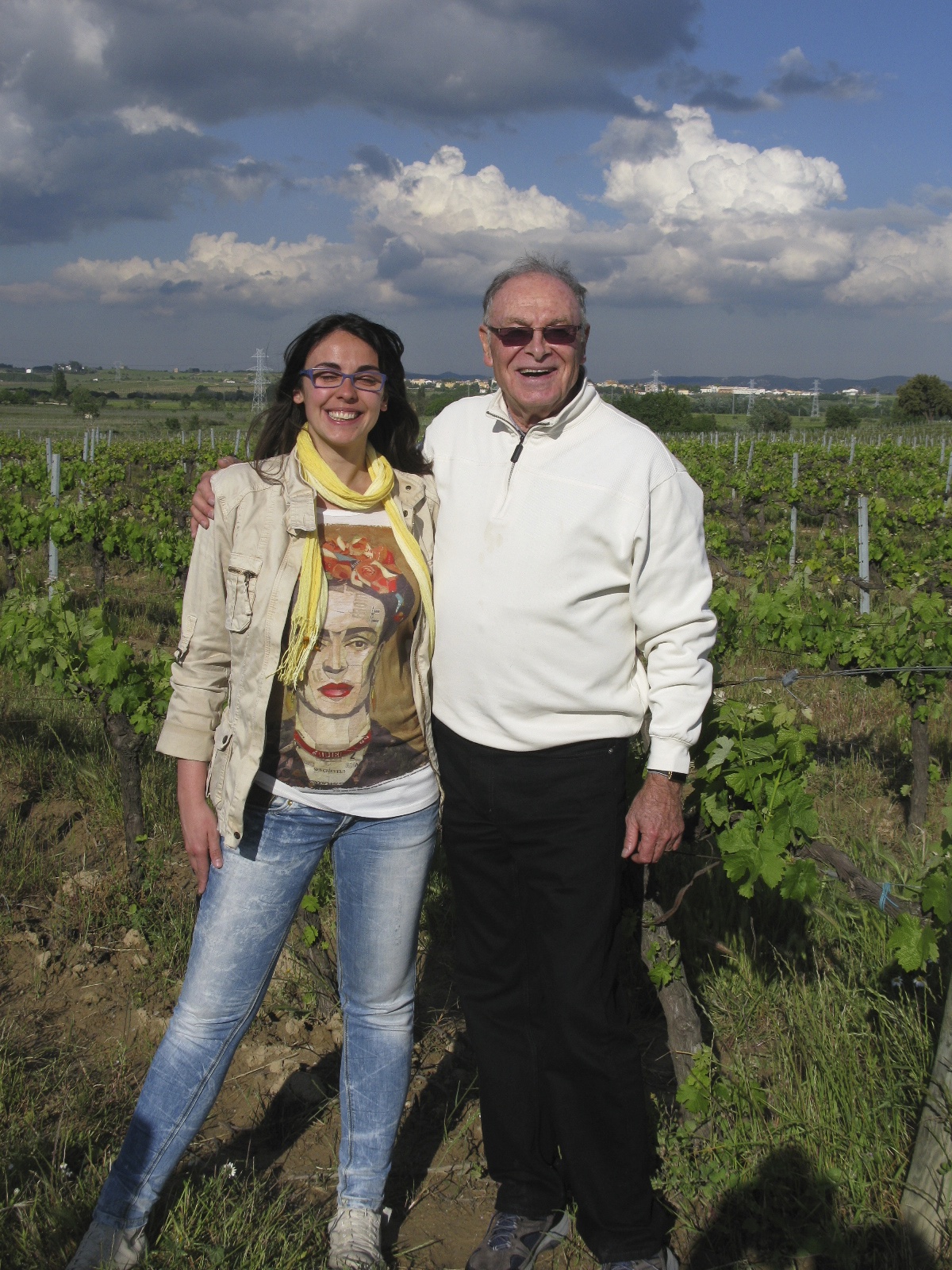
with June Ordaz of Pares Balta

with June Ordaz of Pares Balta

all about and experience the wines of Espana.


The Wines of Rioja!


Wine critic Robert Parker predicted a decade ago that, in the future, we would all be drinking Spanish wines.  He, of course, was referring to the wines that originate from the Rioja region, in northeastern Spain, somewhere between Barcelona and Bilbao.  Recently spending a few days visiting Haro, in the heart of the region, I

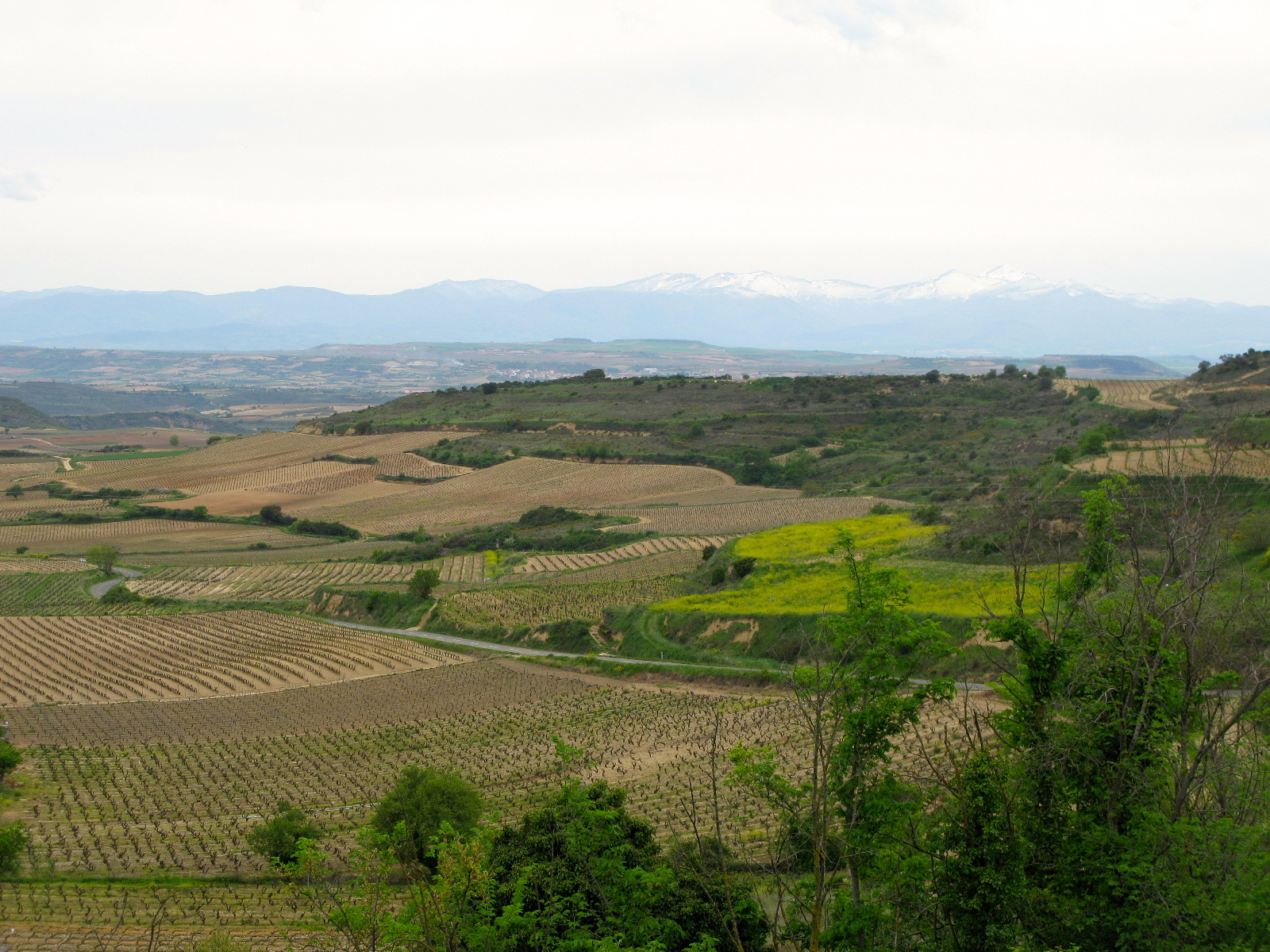
Rioja

Rioja

found tremendous contrasts between old world tradition and the modernistic dimension that is preparing to welcome the world.IMG_1268

Haro is a fairly easy 45-minute drive from Bilbao, easier with a GPS.  Like the region, its appeal as a tourist destination is broadening with nice restaurants, proximity to other Rioja villages and their local wine loop within walking distance from town. In lieu of the quaint Hotel Lagonstinos, we opted for a newly renovated apartment through Los Zapatos Morados (The Purple Shoes), hoping, after eight days on the road, for a washing machine.  We found that and a delightful one-bedroom unit adjacent to restaurants, a fruit store and a cozy pintxos (tapas on a toothpick) bar with a welcome morning expresso.

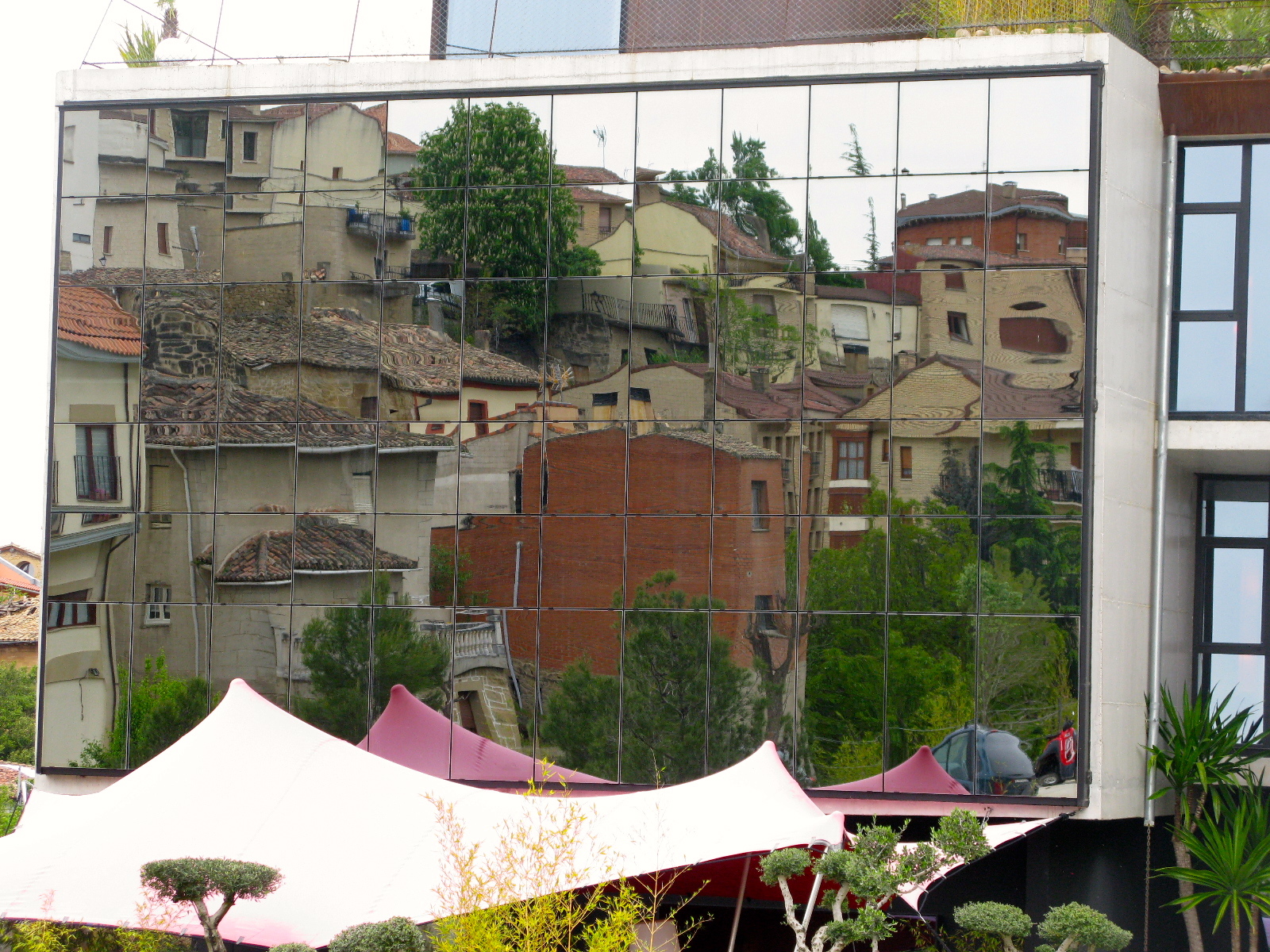
Having done some research on the area before departure, we took a 30-minute drive within a slight rainstorm seeking out one dramatic example of this melding of the 16th and 21st Centuries: Hotel Viura in the village of Villabuena de Alava. Waiting until the old farmer on his tractor passes, we turn onto small cobblestone streets and begin navigating the maze until it appears on our left.  Named for the

Hotel Viura in the village of Villabuena de Alava

Hotel Viura in the village of Villabuena de Alava

prominent white varietal of Rioja, Hotel Viura is an ultra-contemporary boutique hotel utilizing concrete and glass to mirror old world images back to the villagers.  With 26 rooms, it provides privacy, luxury within 30 minutes of all the regions top bodegas.

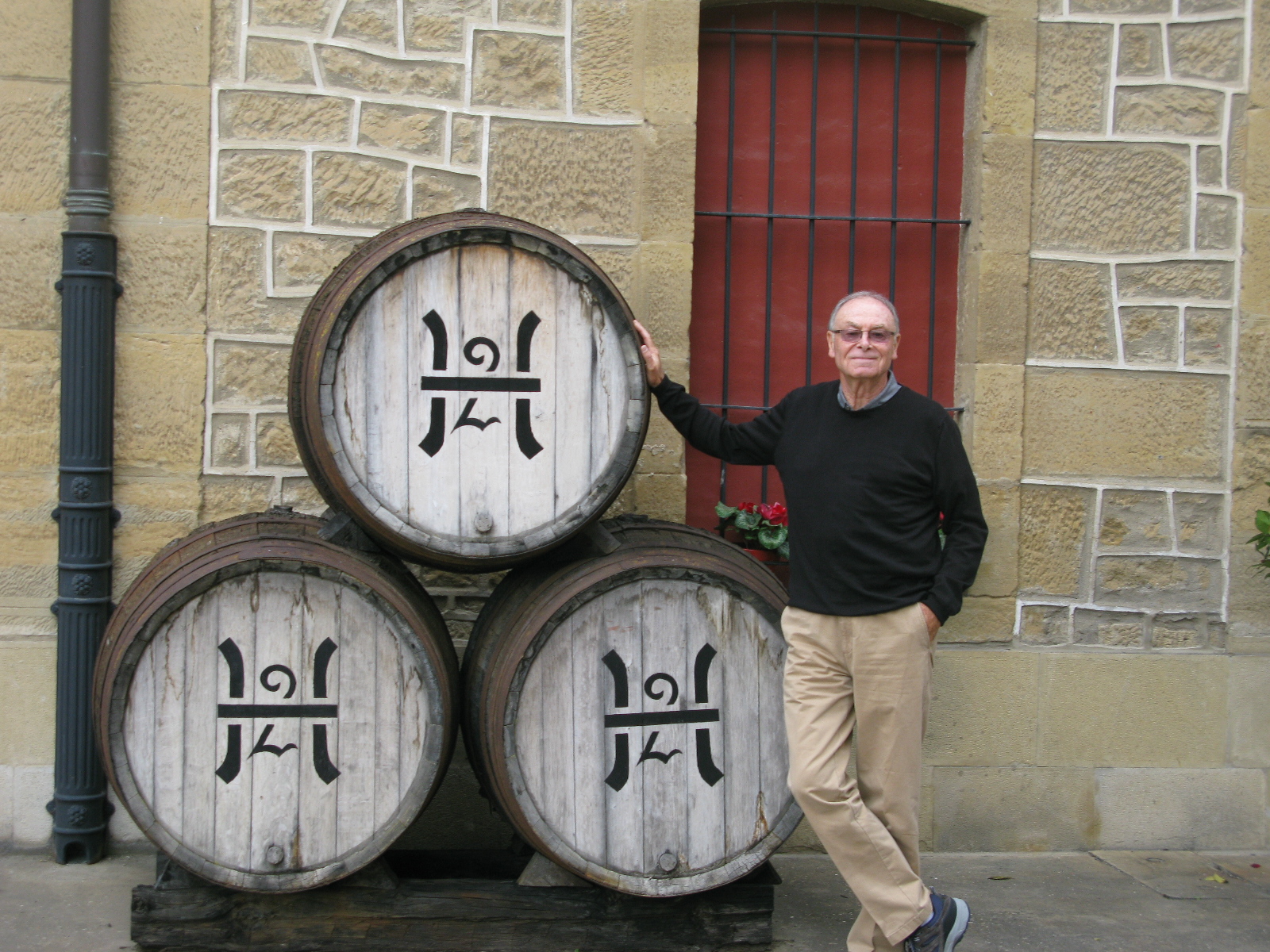
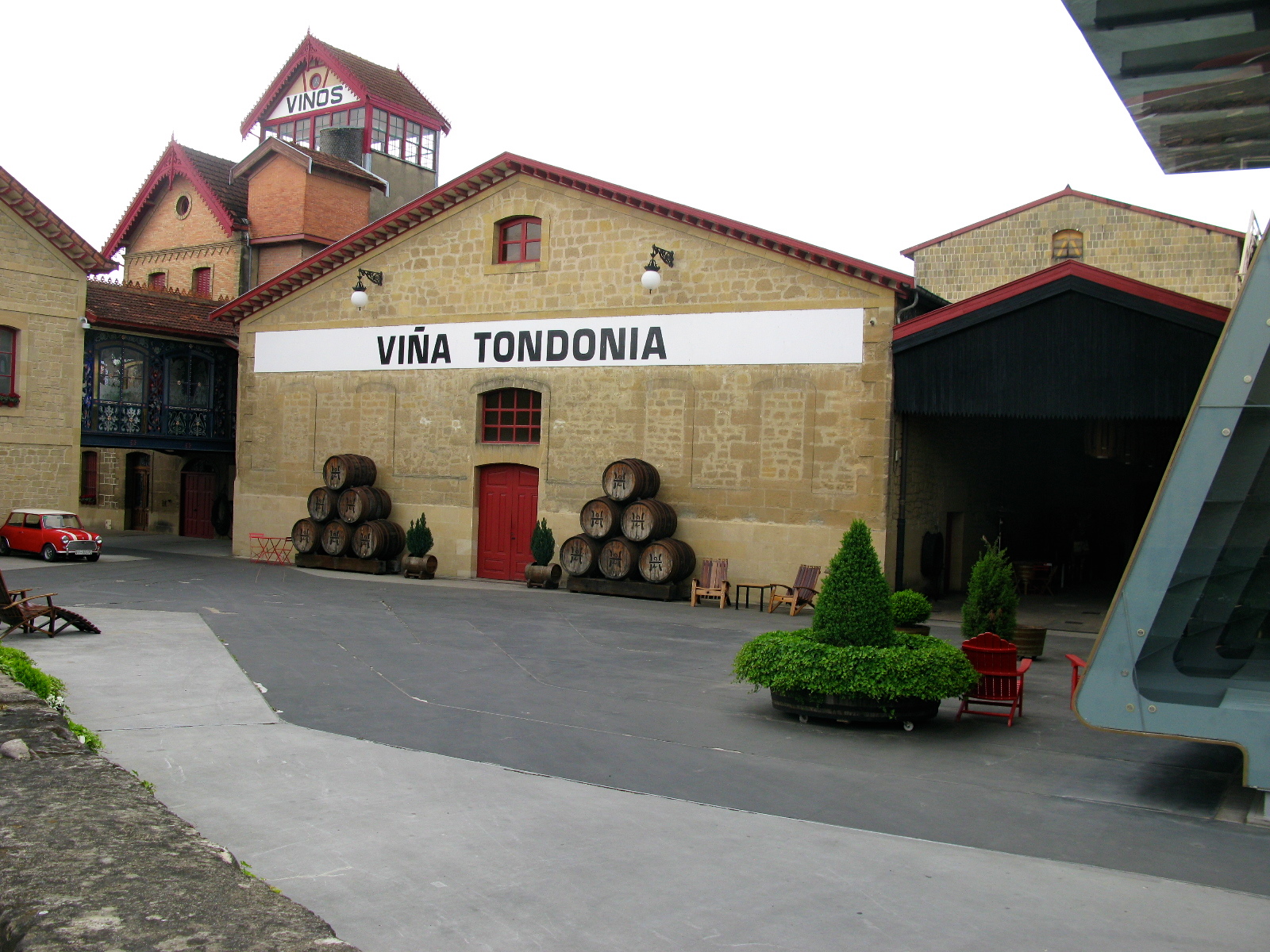
Closer to Haro, the R. Lopez de Heredia Vina Tondonia bodega, in its third century of winemaking, offered a look into how a relentless commitment to old school methods is managed in current times.  I reached out and they responded with an invitation to tour the old cellars and taste some of their “young” wines.

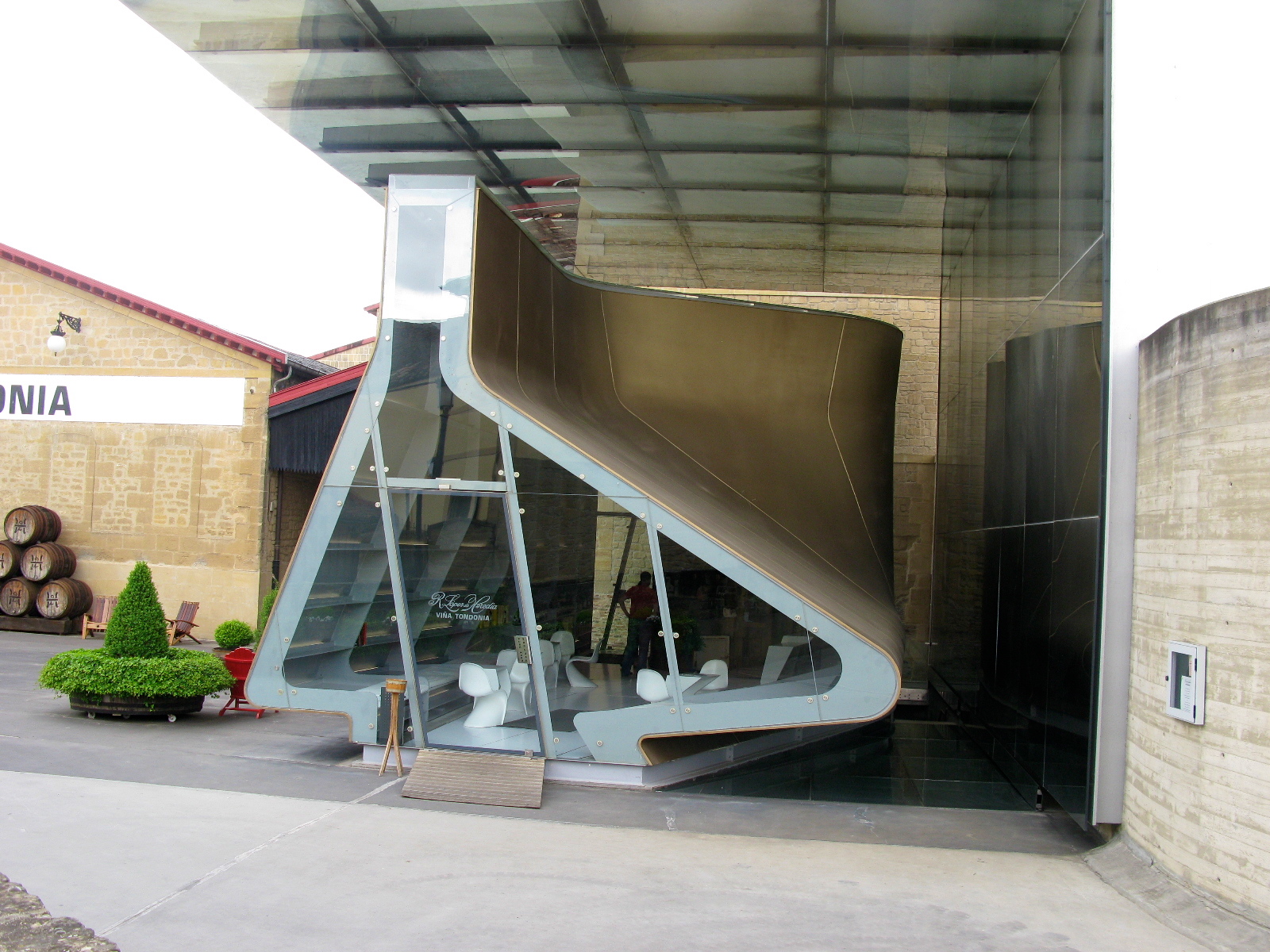
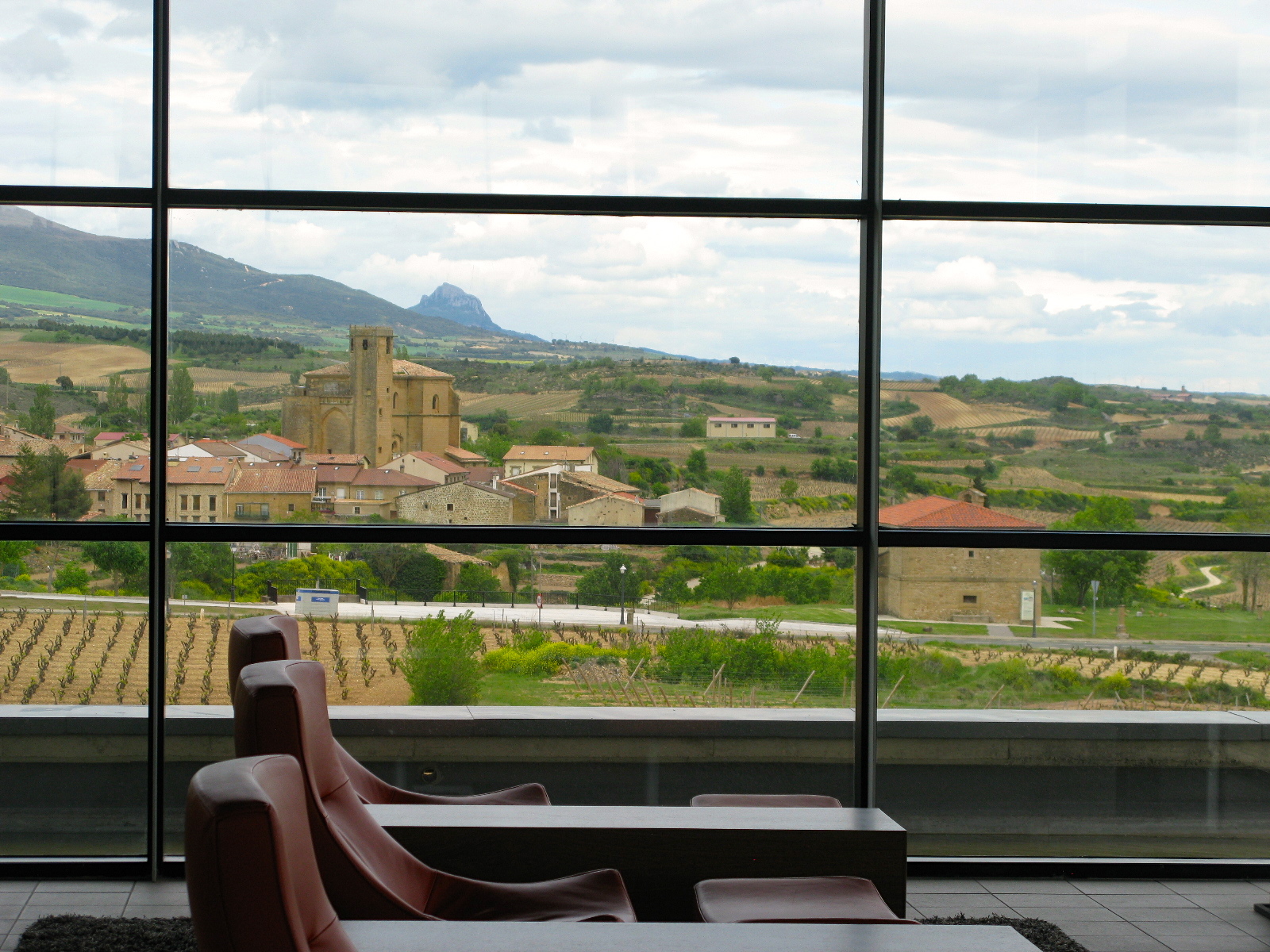
Before entering this “old world” winemaking bodega, one must pass through an ultra-modern tasting room designed in the shape of a wine decanter. The glass and steel building houses a large 19th Century stately dark oak bar and façade,

Tasting Room at Vina Tondonia

Tasting Room at Vina Tondonia

another example of the melding of new and old.

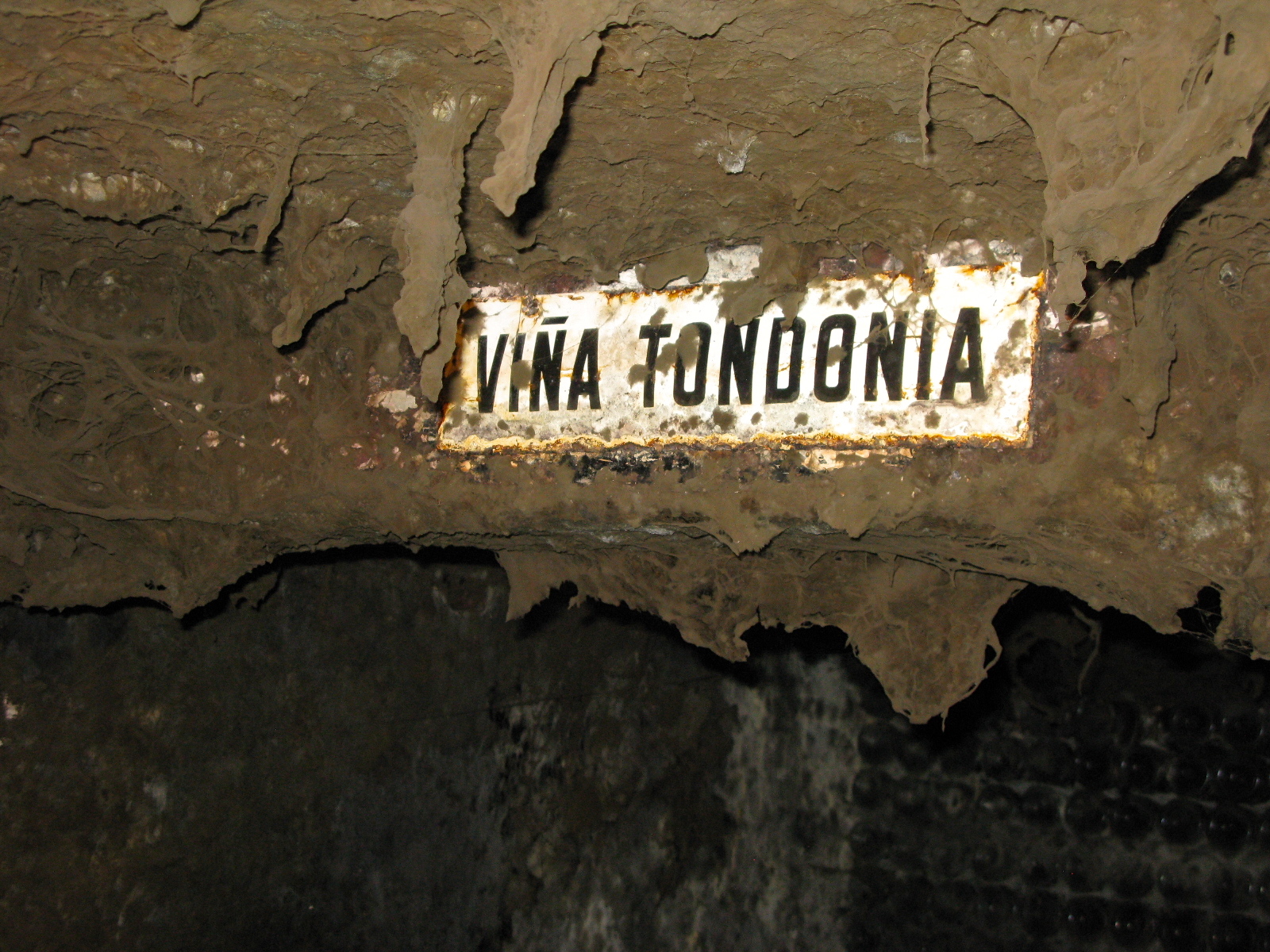
The founder, Rafael Lopez de Heredia, a Chilean immigrant, built and started the winery in 1877 and began exporting wine to France. Soon after, he began making wine in Haro, under his own label and sold it throughout the region.  Today, the 4th generation, brothers and sisters, led by Maria Jose Lopez de Heredia, are staunchly committed to the traditional Rioja style of winemaking influenced by their great-grandfather.  The tradition includes making your own barrels and continuing to store the wines for lengthy periods in 130-150 year old large vats with enough yeast sleeping in their walls to properly enhance the fermentation.

One Rioja tradition, foreign to California winemakers anxious to move their vintages to the marketplace, is to age the

R. Lopez de Heredia Vina Tondonia bodega

R. Lopez de Heredia Vina Tondonia bodega

wines up to ten years before release.  Vina Tondonia, the Heredia bodega’s flagship wines, spend six years in the barrel, another four in the bottle before any thought of release.  In fact, they will not consider releasing a new vintage before the previous one is completely sold.  Surprisingly, this tradition extends to white and well as red wines, the reason we tasted the

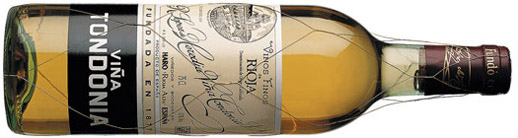
Vina Tondonia White 1998

Vina Tondonia White 1998

Vina Tondonia White 1998.

The tradition of R. Lopez de Heredia is also illustrated by their self-sufficiency.  They have always made their own oak barrels and have used the vats since the beginning.  All grapes are harvested by hand, and then put into self-made cone-shaped baskets, courtesy of the cooperage operation.

As with most winemakers, R. Lopez de Heredia strongly believes that the wine is made in the vineyard and that subsequent viticulture is of little significance.  In these vineyards, most of the credit goes to the alluvial soils with high concentrations of limestone.

Consisting of 90% viura, the prominent Rioja white grape, the Vina Tondonia White 1998, exhibiting a deep, naturally golden color and soft, balanced flavors, the result of extensive aging and fining with fresh egg whites, a common technique used with Rioja wines.

Introducing fresh eggs whites to the fermentation juice seems to naturally extract the sharp tannins from the reds and the acidity from the whites, allowing them to completely balance out their flavors while aging.  This process seems similar to malolactic fermentation used in The U.S.

The new and old of Rioja

The new and old of Rioja

The viura grape is fairly acidic.  Adding 10% of the sweet malvasia grape, with extended aging and 1-2 fresh egg finings tames the juice into a fresh, full, acutely poised wine, understated in its elegance.  Not sweet, not savory, but full-bodied enough to pair with spicy food and herbed mushrooms.  Oddly, we were told that these whites remain drinkable for 20 years.

Tempranillo, known as Spain’s cabernet sauvignon, is the principal red grape in Rioja and contributes 75% to the blended Vina Tondonia Red 2001, also adding small quantities of granacha, graciano and mazaelo.  The wine, with hints of vanilla on the nose, is dry, but rich and fully developed.  Following the 10 year

Moldy aging cellar at vina Tondonia

Moldy aging cellar at vina Tondonia

aging process, it was released in 2011 and will remain on the shelves until the vintage is completely sold. After carrying my bottle for several days, I enjoyed it in Sevilla with an assortment of Spanish cheeses, fruits and breads.

Walking the dark cellar caves, with pathways grooved for rolling barrels, racks and bottle cases covered in mold that serves as humidity control, my R. Lopez de Heredia winery visit and tasting was an experience, unique onto itself. They have never been about money, always about philosophy, culture and tradition.

By contrast, neighboring Bodegas Muga S. L. produces arguably the most popular Spanish wine in the USA, exporting 60% of their total production to 54 countries, mostly our east coast and California. Within their more aggressive approach, Muga still constructs its own vats and lives by a standard of not releasing sub-standard vintages.
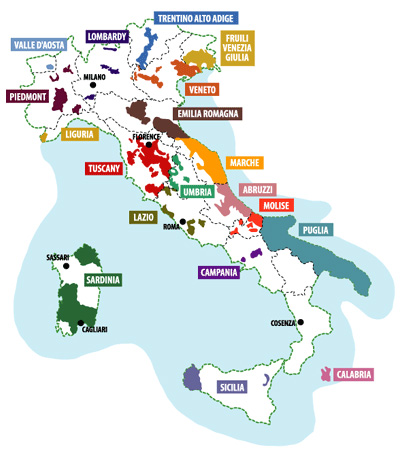
Our tasting flight began with a very young, traditional Muga White 2012 and the Muga Eneas 2011, a tempranillo-dominant blend with 10% viura.  The white

Tasting at Bodega Muga

Tasting at Bodega Muga

blend had a nice acidity with floral notes while the red blend exhibited a smooth earthiness from bouquet through an extended finish. Reasonably priced, these are the wines that consumers will find on California wine lists.  However, the last three reds definitely caught our attention.

The Muga Reserva Seleccion Especial 2009, a traditional tempranillo blend, is aged 12 months in the barrel, more in the bottle before release.  Although it will continue to develop, the wine has a profound earthiness surrounded by dark berries and herbs on the palate, evidence of the limestone in nearby soils.

Torre Muga Rioja

Torre Muga Rioja

The last grapes to come into the winery after harvest are used for the Muga Prado Enea 2005 and the Torre Muga 2009 assuring the freshest for these premium tempranillo blends.  By far, these wines displayed the most complex and rich flavors of any of the Muga current releases. Aged 24 months in the barrel, 18 months in new French oak, then more in the bottle, the Torre Muga 2009 has a prominent, rich lusciousness while remaining in perfect balance.  Priced at 40 euros at the winery, consumers can anticipate paying $65-70 per bottle on local shelves.
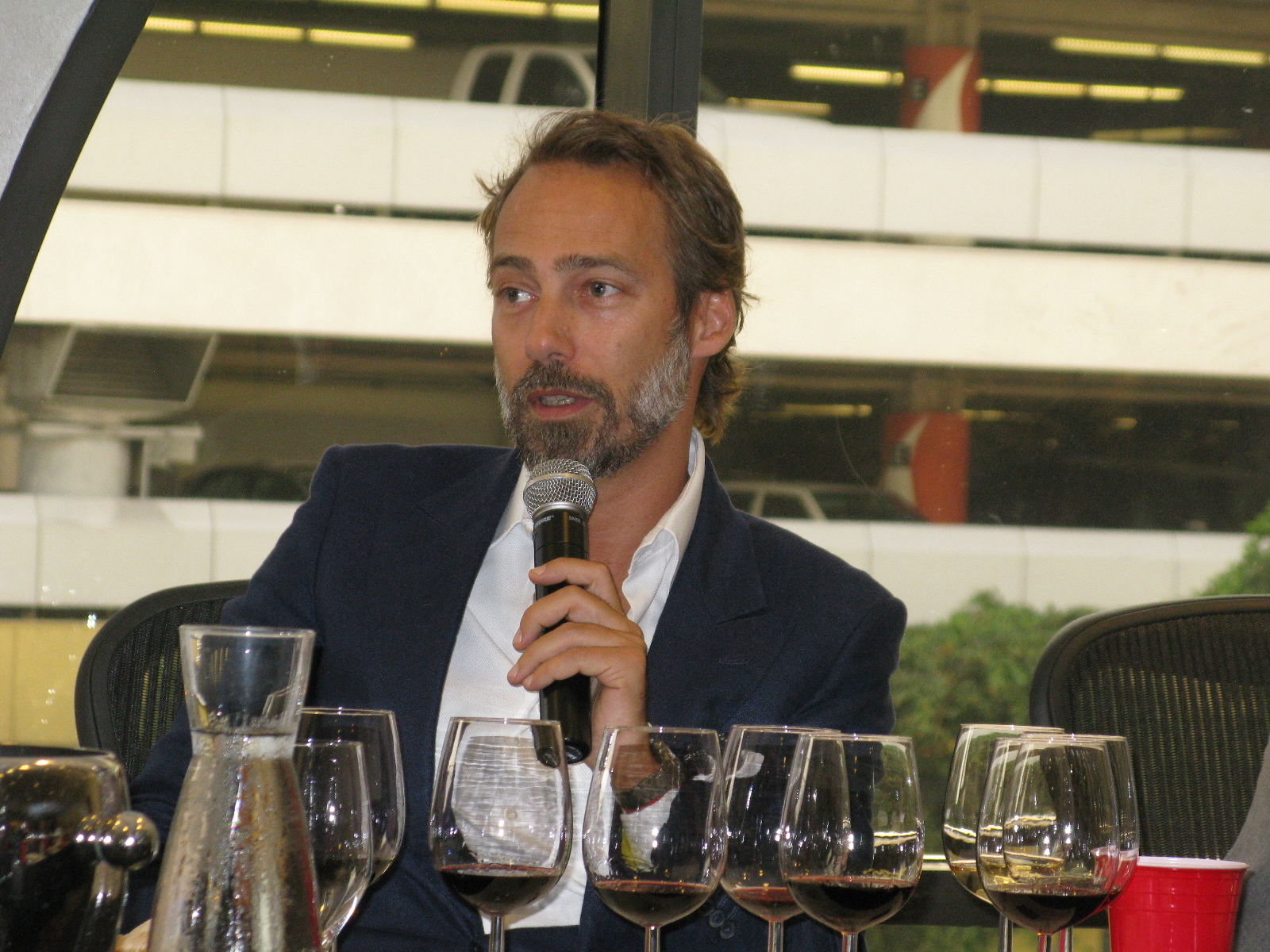
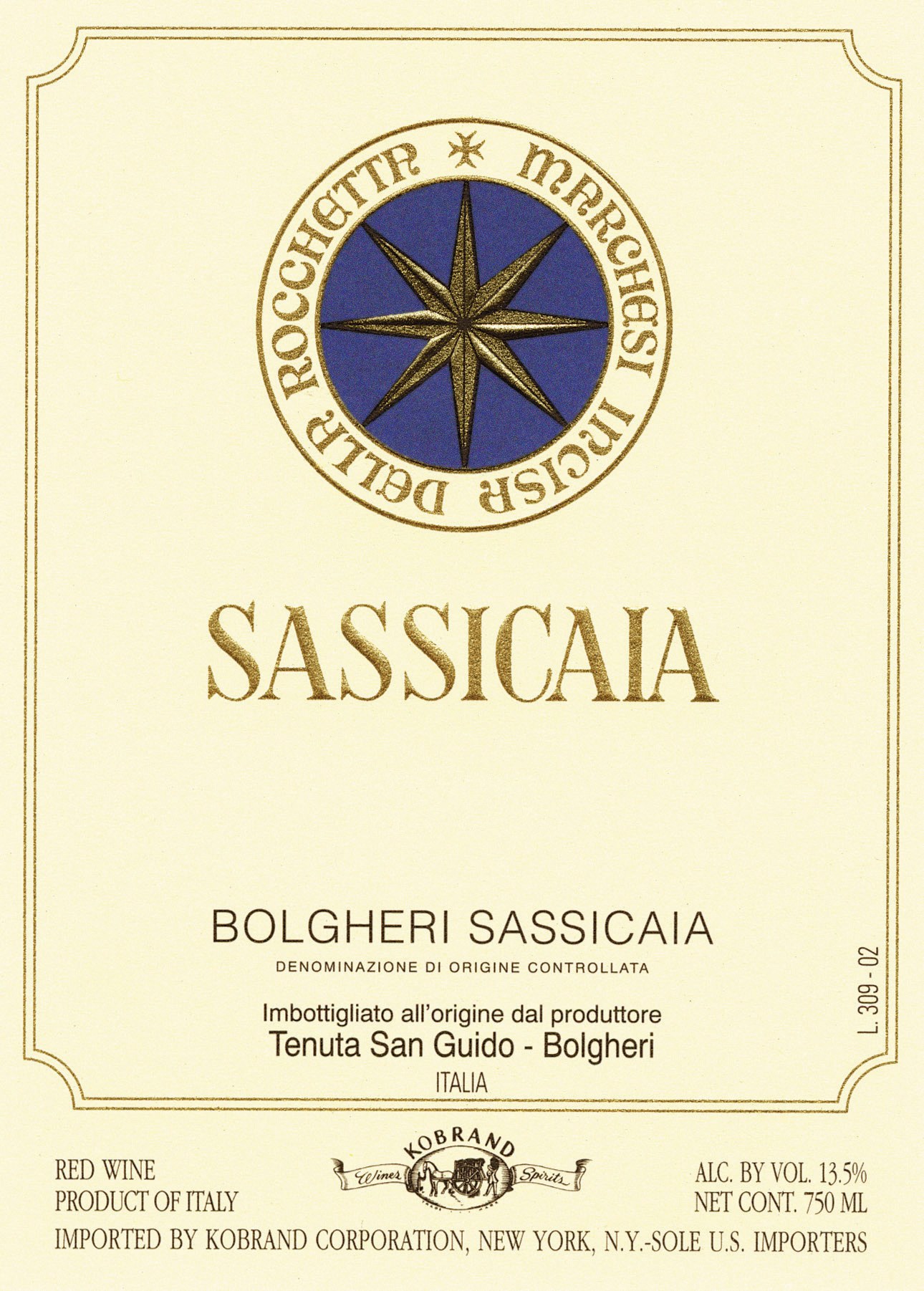
Based on a recommendation in Wine Spectator, we fit in a wonderful dinner at Las Duelas Restaurant, located in

Las Duelas Restaurant

Las Duelas Restaurant

the charming lobby of the Hotel Lagonstinos, a few steps from our apartment.  In typical Spanish fashion, we arrived at 9:30 pm without a reservation and they were just setting up for the dinner crowd.  We left at 11 pm and the place was buzzing.
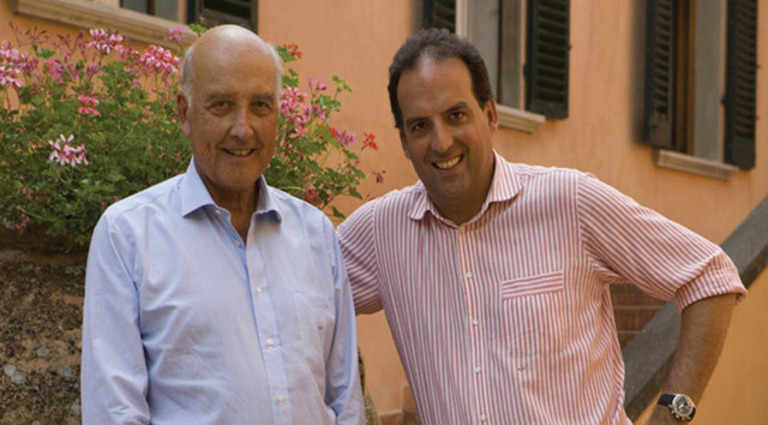
Rioja has given me a new appreciation of Spanish wines.  Like the people, the wines are never rushed and the balance is always present.