Syrah, Shiraz, Sirah!


The need to clarify, upfront, that the Syrah grape originates from the Rhone Valley of France comes from the reality that it has miraculously adapted to terroir throughout the world and the younger generation may feel it’s roots lie in South America, South Africa, Australia or California’s Central Coast.  Although available as a single varietal wine in northern Rhone, its rich and fruit-forward plum flavors and spiciness are, arguably, best showcased through its long-standing partnership with Grenache, mourvedre, counoise and cinsault in creating the masterful Rhone Valley blends of Chateaunef-du-Pape, Gigondas and other nearby regions.

The diversity of syrah has led to a swell in its popularity.  The deep color and ensuing flavors find it on the table with spicy South American or Mexican cuisine along with the traditional rack of lamb and other red meats.  An extreme example of the range of this grape is Shiraz, it’s Australian persona that appeals to American
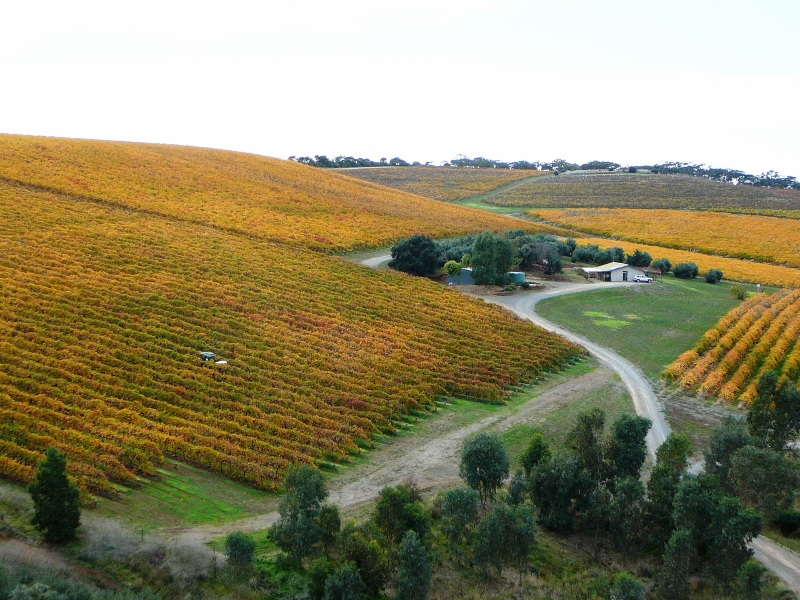
Mollydocker Winery vineyards

Mollydocker Winery vineyards

consumers.

The most simplistic way to evaluate syrah is that warmer climates bring out the more fruity flavors and cooler temperatures drives the spice, peppery nuances.  Now the most produced Australian wine grape, shiraz is grown in warmer climates, such as the Barossa Valley, allowing for full ripeness and enhanced flavors. Most likely, the Penfolds Shiraz South Australia Grange 1990 was the first Australian shiraz to be named Wine Spectator magazine’s “Wine of the Year” in 1995.   Through this Century, three Barossa Valley shiraz consistently turn up among the top ten wines.

A perfect example, the 2010 Schild Estate Shiraz Barossa Valley (92pt/$20), a warm climate entry-level syrah, sourced from several estate vineyards, is arguably Australia’s best value shiraz. This decades best performing Australian shiraz, the (2006-2010) Two Hands Shiraz Barossa Valley Bella’s Garden (95 pt/$70), is a shining overview of the region, sourced from 20
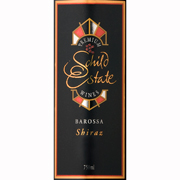
2010 Schild Estate Shiraz Barossa Valley

2010 Schild Estate Shiraz Barossa Valley

vineyards throughout the Valley and very fruit forward.

Boasting four top 100 designations from WS since 2006, the Mollydocker Shiraz McLaren Vale “Carnival of Love” 2010 (94 pt/$90) obviously has the same rich, flavorful qualities of previous vintages that I have tasted.  Of course the expensive price does diminish the appeal of an otherwise near perfect shiraz.

One of my wine goals in 2013 is to taste a flight of California syrah from San Luis Obispo County’s Alban Estate Winery, mentioned in any discussion of the state’s best. A scan of recent Wine Spectator reviews reveals that nearly half of the top rated Syrah were from Alban estate vineyards.  Self-proclaimed as “the first American winery and vineyard established exclusively for Rhone varieties”, Alban has been creating superb syrah and other Rhone wines long before they appeared on my radar.  Their flagship syrah seems to be the Alban Syrah Edna Valley Seymour’s Vineyard ($145) averaging 96+ among vintages in the 21st Century. The downside of Alban wines and a major obstacle to my new goal is that they are expensive and nearly impossible to find. For those seeking to expand their viticultural horizons or an appreciable investment, Alban Winery and Vineyard is a logical choice.

We have determined that the essential characteristics of syrah are the flavors of ripened plums or other dark fruit and spice, in the range of cinnamon to white pepper with climate dictating the extent of each.  My issue with some of the cooler climate syrah comes from an imbalance of flavors, leading to an overbearing spice and, at times, an overly tannic finish.  I find myself anticipating harshness and becoming overly delighted when it emerges softly and balanced.

To this end, I have discovered a trio of syrah wines from Bonny Doon Vineyard and Winery, each from different regions of the central coast, all with a great nose and intense fruit flavors enhanced on the finish.  Randall Grahm, one of the original Rhone Rangers, first produced the Bonny Doon Syrah Bien Nacido
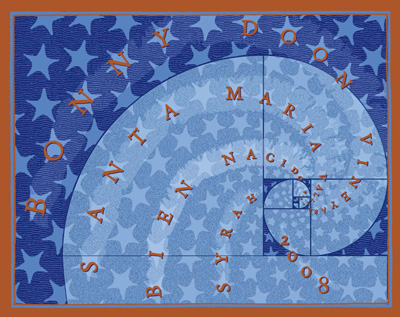
2008 Bonny Doon Syrah Bien Nacido Vineyard

2008 Bonny Doon Syrah Bien Nacido Vineyard

Vineyard ($42) from the esteemed Santa Maria Valley vineyard known for turning out smokey elements in the wine. Well in-balance, this 100% syrah is my choice to pair with rack of lamb.
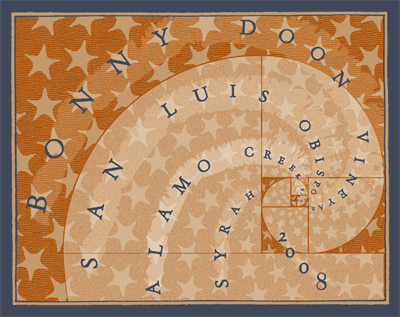
2008 Bonny Doon Syrah Alamo Creek Vineyard

2008 Bonny Doon Syrah Alamo Creek Vineyard

The spices in the 2008 Bonny Doon Syrah Alamo Creek Vineyard ($35) impart a smokiness that boosts the flavors to a new level.  Described as an Old World style syrah, the depth of flavors makes it a favorite with hearty stews and gamey meats.  The third and most current release, the 2009 Bonny Doon Syrah Chequera Vineyard ($42), originates from a warmer Paso Robles Vineyard and adds 17.2% viognier that drives the concentrated fruit flavors of blueberry and plum. Of the three, this is my choice to enjoy independent of any food on the table.  A comparative tasting of the three wines can reveal distinctive characteristics that can only be
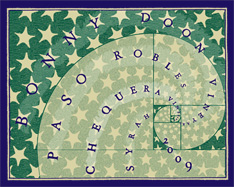
2009 Bonny Doon Syrah Chequeras Vineyard

2009 Bonny Doon Syrah Chequeras Vineyard

wholly enjoyed after 1-2 hours of decanting or, at a minimum, the “screw-cap” removed.

Paso Robles is adding syrah to its repertoire of high quality zinfandel and Rhone blends.  Two typically available high value/quality wines include the 2010 Eberle Winery Syrah Steinbeck Vineyard ($24), awarded 93 pts from Wine Spectator and the 2004 Le Vigne di Domenico Syrah ($42), a luscious wine that is, unquestionably, representative of full fruit flavors. However, due to the exposure given the Steinbeck syrah, the 2010 vintage is sold out at the winery and the 2004 vintage Le Vigne syrah won’t be around forever.

Another memorable 2012 syrah tasting was the 2009 Penner-Ash Oregon Syrah ($32), sourced from vineyards as far south as the Rogue Valley and east as the Columbia Gorge.  Exceptionally balanced, the vanilla on the nose and palate, the rich, velvety texture and deep expressions of fruit resulted in a purchase that is
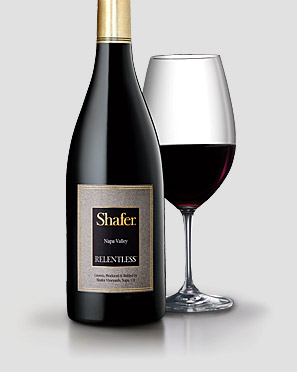
Shafer Vineyards "Relentless" Napa Valley 2008

Shafer Vineyards “Relentless” Napa Valley 2008

resting in my cellar.

The syrah and petite sirah grapes are often discussed simultaneously, but for no justifiable reason.  They are not related in any way other than similar sounding names. That being said, they did recently team up in the Shafer Vineyards “Relentless” Napa Valley 2008 (96 pt/$60), Wine Spectator magazines “2012 Wine of the Year”.

With a deep, inky color, a revealing bouquet and heavy texture and flavors that are accessible to most palates, petite sirah’s stock is rising. Searches for good California petite sirah can start in the northern Calaveras and Amador Counties, and extend through north Napa Valley. There are many fine wines to choose from, none with a higher price-to-quality reputation that the 2010 McManis Family Petite Sirah ($10-12).  I recently found it on a list at “Bistro Nook” in Santa Monica and enjoyed the dark fruit, smokey bouquet and oak-infused, flavors of currant and raspberry, intense, yet oddly restrained. Don’t shy

2010 McManis Family Petite Sirah

2010 McManis Family Petite Sirah

away from any vintage.

Exploring the global appeal of syrah/shiraz/sirah will be my fun research project in 2013.  What syrah region in the world is producing that wine that best suits my palate?  I’ll keep you updated.

Top Wines of 2012 are “Relentless”


bottle_Relentless

Shafer “Relentless” Napa Valley 2008

clos_des_papes_label

Clos des Papes Chateaunef-du-Pape 2009

It began in late November, as it does each year. Wine Spectator magazine unveiled wines #10-6, then #5-1 and finally their entire 2012 top 100 list of “the year’s most exciting wines”, an apt description.  If previously rated quality was the only factor, we would be surrounded by the Clos des Papes Chateaunef-du-Pape 2010 (98pt/$128) and Spottswoode Cabernet Sauvignon St. Helena Family Estate 2009 (96pt/$145), both very fine, but expensive, or the highly touted wines that are nearly impossible to find.  Besides, we can’t overlook price, uniqueness or our personal preference for a specific varietal.  Kudos to Wine Spectator for annually undertaking this arduous task and giving us a global snapshot of the releases in 2012. One can purchase a copy of their latest issue for the complete details or read the following synopsis from someone who enjoys analyzing national, regional and varietal trends.

Without question, my major takeaway from the list is that 2012 is the “Year of Syrah.”  To prove, or at least defend my moniker, nine (36%) of the top 25 wines included syrah as a single-varietal or in a blend.  To be fair, France’s Southern Rhone Valley, using syrah in their mélanges, had a good year.  However, included in that same top 25 were single-varietal syrah from Paso Robles, Edna Valley and the magazine’s “2012 Wine Of The Year”, Napa Valley’s Shafer “Relentless” Napa Valley 2008 (96pt/$60), a blend of mostly syrah with 18% petite sirah.  Finding the #1 wine in the Napa Valley is fairly common, the fact that it was syrah, not cabernet sauvignon, is a headline.  The real story here is the meticulous winemaker Elias Fernandez.

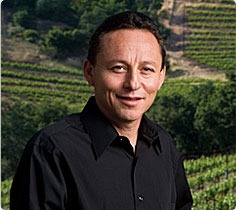
Born to an immigrant father and locally raised mother, both farm laborers, Elias Fernandez grew up in the Napa Valley vineyards before leaving to pursue a Fullbright music scholarship at the University of Nevada, Reno.  Missing his roots, he eventually transferred to the UC Davis, earning a degree in winemaking studies. Since graduation, he as worked closely with the Shafer family as an assistant before becoming the winemaker in 1994.  He pushed for the expansion of syrah vineyards and was relentlessly hands-on in every aspect of the wine of the year.

Shafer winemaker Elias Fernandez

Shafer winemaker Elias Fernandez

ET COSME GIGONDAS 750 ML 09, page 1 @ Preflight

Chateau de St.-Cosme Gigondas 2010

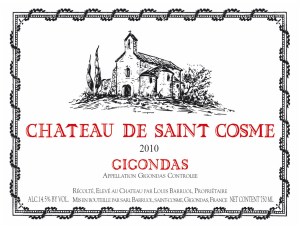
While we again see the Chateaunef-du-Pape region displayed throughout, the #4 Clos des Papes Chateaunef-du-Pape (98pt/$128), a former wine of the year and recurring top ten designee, stepped aside as the neighboring Gigondas appellation produced the #2 Chateau de St. Cosme Gigondas 2010 (95pt/$41) assuming stature as the top French wine. Certainly, at less than one-third the cost of its famous neighbor, this Grenache-based Rhone Valley blend was attractive to the judges.  Demonstrating the global strength of syrah, the #3 Two Hands Shiraz Barossa Valley Belle’s Garden 2010 (95pt/$69), one of the best 21st Century wines, comes from the acclaimed Australian winemaker that performs miracles with the varietal.

The Reverence of Napa Valley


BKV_09CabRes2501

Beringer Cabernet Sauvignon Knights Valley Reserve 2009

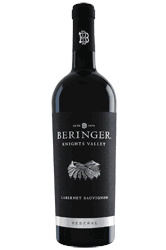
In a year of surprises, the Napa Valley maintained its supremacy with the Wine of the Year, two Cabernet Sauvignon, two merlot and a Carneros chardonnay, all from established vineyards.  The #8 Beringer Cabernet Sauvignon Knights Valley Reserve 2009 (94pt/$45) puts the time-honored winemaker back on the list after a long absence. Aged for 15 months in mostly new French oak, several periodicals have generated flattering reports of the wine’s texture and flavors.  St. Helena’s Spottswoode Winery, long-time producer of fine quality Cabernet Sauvignon and Sauvignon Blanc, earned a spot on the list with the #80 Spottswoode Cabernet Sauvignon St. Helena Family Estate 2009 (96pt/$145).  I am very familiar with this “liquid velvet” wine that has moved into icon status within the high-end market.

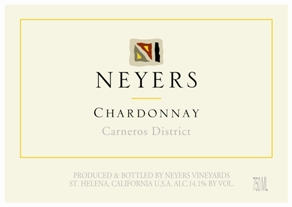
The #63 Neyers Chardonnay Carneros 2010 (93pt/$29), a reliably good wine, was the sole chardonnay from the Napa Valley

Neyers Chardonnay Carneros 2010

Neyers Chardonnay Carneros 2010

and only one of two on the list.

Celebrate the French

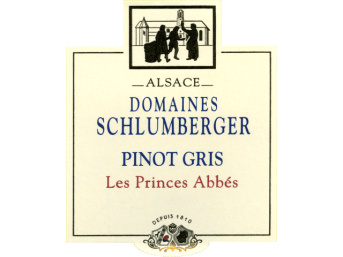
 Without fail, great wines are produced, vintage-to-vintage, in France.  Twenty-two wines on the list were French and, more impressively, three of the top five and six of the top 20.  Aside from the aforementioned classic wines from Bordeaux and the Rhone Valley, the list included very reasonably priced wines such as the #39 Domaines Schlumberger Pinot Gris Alsace Les Princes Abbes 2010 (92pt/$20), with forward flavors pleasingly influenced by local volcanic soil.

Domaines Schlumberger Pinot Gris Alsace Les Princes Abbes 2010


Domaines Schlumberger Pinot Gris Alsace Les Princes Abbes 2010


Presence of the Central Coast

 With the typical Northern California powerhouse regions in mind, the fact that half of the California wines on the 2012 list originated from vineyards located between northern Santa Barbara County and the Santa Cruz Mountains illustrates a shift that sees new terrior matching the standards of the old.  On a more local shift, nearly all of the five Paso Robles releases on the list included syrah, a change from the typical Rhone’s and Zinfandel.  The exception #72 Turley Zinfandel Paso Robles Presenti Vineyard 2010 (93pt/$35) marks a successful turn since the Turley Family purchased the old Presenti Family Vineyards years ago.

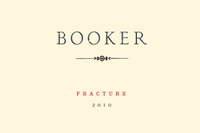
One of the highest rated wines on the roll is the #21 Saxum James Berry Vineyard Paso Robles 2009 (97/$85), making successive appearances since being named 2010 Wine of the Year. Yielding less than 1,000 cases, this acclaimed wine is rarely available.  While wines like the #19 Booker Syrah Paso

Booker Syrah Paso Robles "Fracture" 2010

Booker Syrah Paso Robles “Fracture” 2010

Robles “Fracture” 2010 (96pt/$70) and the #76 Austin Hope Syrah Paso Robles Hope Family Vineyard 2010 (93pt/$42) have emerged onto the scene, I was delighted to see the #40 Eberle Syrah Paso Robles Steinbeck Vineyard 2010 (93pt/$24), from a well-respected, long-term eastside winemaker, gain recognition.  All of his wines are worthy of your palate and the cave tour is excellent.

Good value Pinot Noir, at times an oxymoron, truly personifies three Central Coast wines that represent much of the region.  Sourced from vineyards in San Luis Obispo to Gilroy, the grapes that encompass the #28 Calera Pinot Noir Central Coast Thirty-Fifth Anniversary Vintage 2010 (93pt/$24) are fermented and aged separately, then blended to age harmoniously in the bottle for nearly a year.

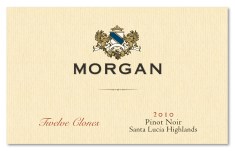
Located at the intersection of its namesake, the Clark and Telephone (Rd.) Vineyard is a coastal property in north Santa Barbara County, owned by Belle Glos Winery, that produces the sweet spice-driven #77 Belle Glos Pinot Noir Santa Maria Valley Clark and Telephone Vineyard 2010 (93pt/$44).  Located one hour north in Monterey County’s Santa Lucia Highlands, Morgan Winery

Morgan Pinot Noir Santa Lucia Highlands Twelve Clones 2010

Morgan Pinot Noir Santa Lucia Highlands Twelve Clones 2010

sourced grapes from notable vineyards, Garys’, Tondre Grapefield and their own Double L for the #83 Morgan Pinot Noir Santa Lucia Highlands Twelve Clones 2010 (92pt/$32).


Two classic wines and consistent delegate’s to the list represent the Santa Cruz Mountains region, above Monterey. The #26 Mount Eden Vineyards Chardonnay Santa Cruz Mountains 2009 (94pt/$55) belongs in any discussion of California’s best and the historic #94 Ridge Monte Bello Santa Cruz Mountains 2009 (95pt/$150) whose early vintage was the top wine of the 2006 Reprise Paris Tasting.


Evolution of the Pacific Northwest

Nine percent of this year’s most exciting wines were produced north of California with Oregon honing their classic red grape and Washington expressing their diversity.

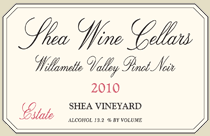
Oregon placed three pinot noir wines on the list, each from a different region and two wines, the #7 Shea Pinot Noir Willamette Valley Shea Vineyard

Shea Pinot Noir Willamette Valley Shea Vineyard Estate 2009

Shea Pinot Noir Willamette Valley Shea Vineyard Estate 2009

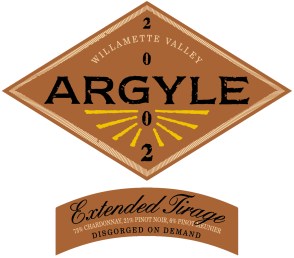
Estate 2009 (94pt/$40) and the #14 Maysara Pinot Noir McMinnville Estate Cuvee 2009 (94pt/$32), were included in the top twenty. Both wines are reasonably priced and representative of a tremendous vintage statewide.  Argyle, another top pinot noir producer, once again contributed the #18 Argyle Extended Triage Willamette Valley 2002 (96pt/$70), always aged and, arguably, our country’s best sparkling wine.

Argyle Extended Triage Willamette Valley 2002

Argyle Extended Triage Willamette Valley 2002

Washington State contributed four different varietals, a cabernet sauvignon, merlot and rose’ from the Columbia Valley and the acclaimed #22 Cayuse Syrah Walla Walla Valley Cailloux Vineyard 2009 (96pt/$75) from their neighbor to the east.

Amidst these great wines that reflect trends of the 2012 releases is the #51 Bodega Norton Malbec-Mendoza Reserva 2010 (90pt/$18), vintages consistently available at local outlets for under $20.  I enjoy this wine occasionally, receiving a bottle as a gift at least once a year.  Here’s to a fantastic 2013.


In Pairing Wine and Cheese, “Honor the Wine”


Traditional party favorites in the States, wine and cheese are daily staples for most Europeans.  In most instances, they both begin and lengthen the meal.  Through the emerging interest in fine cheeses from American culinary consumers, the need for suitable wine and cheese pairing becomes as natural as the two are companionable.

For centuries wine and cheese have been part of every hearty meal in many parts of the world.  Both are examples of “delayed gratification” and good planning to turn cow’s milk into cheese for the winter and grapes into future wine.  More than the history, they are similar and often described by their mild or robust flavors, creamy or firm textures or acidity.

Each of us, on average, eats nearly 35 lbs of cheese annually, but, on whole, are becoming more discriminating in our taste. Today, we choose from the milk of cows, goat’s, sheep and in rare instances, Water Buffalo, asking if it is raw or pasteurized and if the end product is soft or hard with a natural or washed rind. There is reason to be so discerning.

As an experiment, next time you have a recipe calling for Parmesan cheese, substitute with fresh pecorino-toscano, an ancient Italian cheese from sheep’s milk, often available in local markets.  Developed through a lengthy process and always aged, pecorino-toscano flavors are fresh and simple with a nutty, buttery texture. It will enhance the flavor of food and pair well with a sangiovese such as the local 2009 Leona Valley Winery Sangiovese, one of the best that I have recently enjoyed.

As a starting point to begin to enjoy wine and cheese pairing, the following European cheeses are recommend jas delicious individually and good “vino” partners.


Hard:

Mahon (Sp)          cow’s milk      Spanish red/syrah

Manchego Sp)          sheep’s milk     tempranillo

Mimolette (Fr)          cow’s milk     buttery Chardonnay

Asiago (It)          cow’s milk     pinot grigio/merlot

Semi-soft:

Raclette (Fr/Swiss)     cow’s milk     dry riesling

Taleggio (It)          cow’s milk     spicy white wine

Tomme de Savoie (Fr)cow’s milk     dry riesling

Gruyere (Swtz.)     cow’s milk     buttery Chardonnay

Crème:

Camembert (Fr)          cow’s milk     buttery chardonnay

Brie (Fr)               cow’s milk     unoaked white wine

Blue:

Stilton (Eng)          cow’s milk     port

Valdeon (Sp)          cow/goat milk     port or sherry

As the wines of southern Europe were role models for our wines, American cheese makers are following established Old World methods, but putting a New world stamp in their process.  Reminiscent to the 1976 Paris Tasting, some American cheeses are outscoring their mentors in global competitions. One example is the Rogue River Blue, produced by the Rogue Creamery in Oregon.  Designated “World’s Best Blue Cheese” in 2003 at the World Cheese Awards in London with several “Best of Show” from the American Cheese Awards, the Rogue River Blue, wrapped in grape leaves and expressing a brownish hue, lacks the sting and saltiness than some find difficult in blue cheese. Recently near the Rogue River Valley, I acquired and served some Rogue River Blue with honey and marcona almonds and a polished Sauternes from France.  You must try it because I could never explain how good it was. The following is a brief list of American boutique cheese that I have recently enjoyed.

Red Hawk (Ca)               robust/soft cheese     sparkling wine

Rogue River Blue (Ore)     mild/creamy blue          dessert wine

Plesant Ridge Reserve (Wi)     rich and nutty          dry riesling

Camellia (Ca)               creamy goat cheese     chardonnay

Humboldt Fog (Ca)           semisoft goat cheese      sauvignon blanc

Vermont Shepherd (Ver)     hard; sheeps milk     viognier


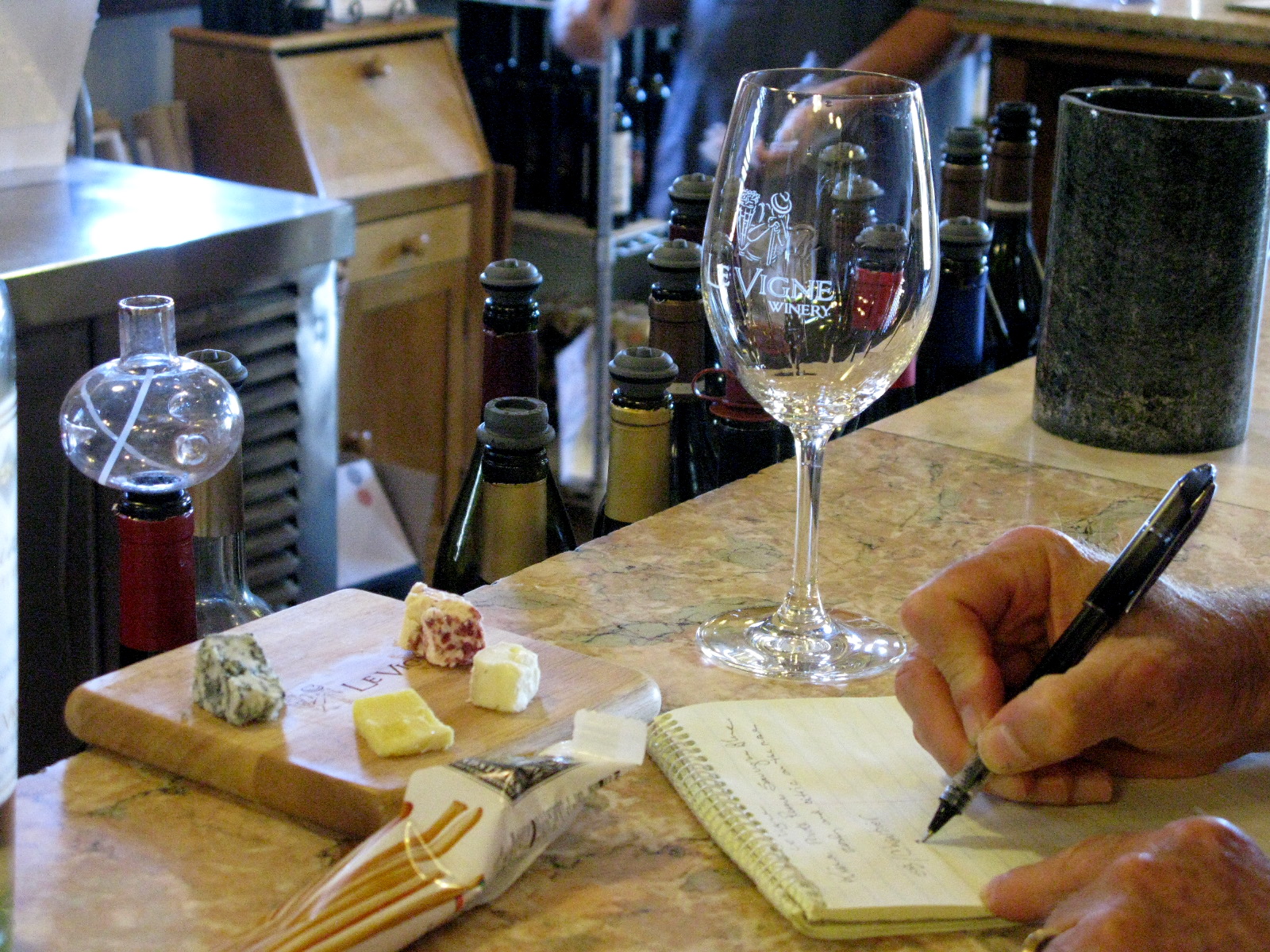
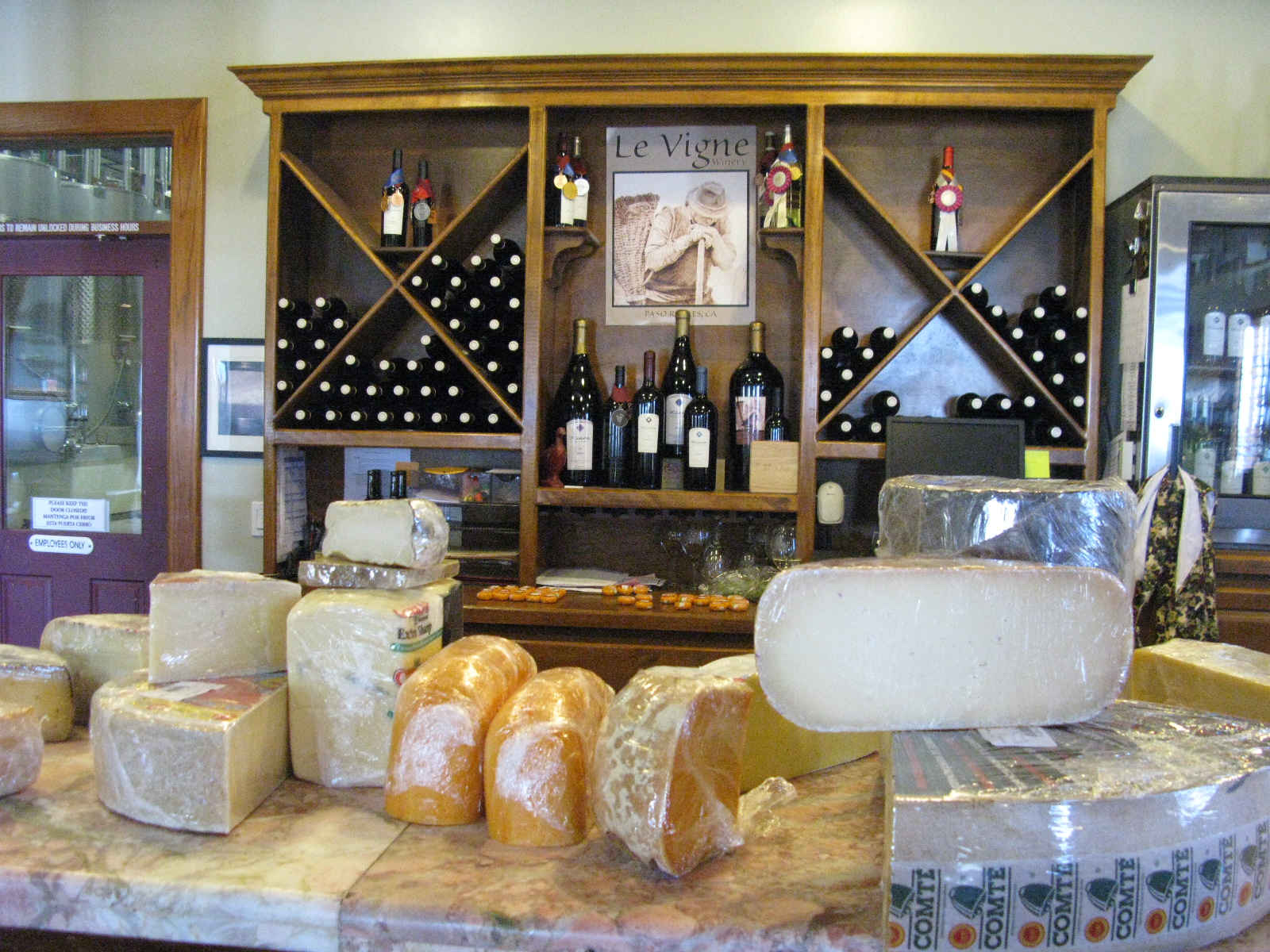
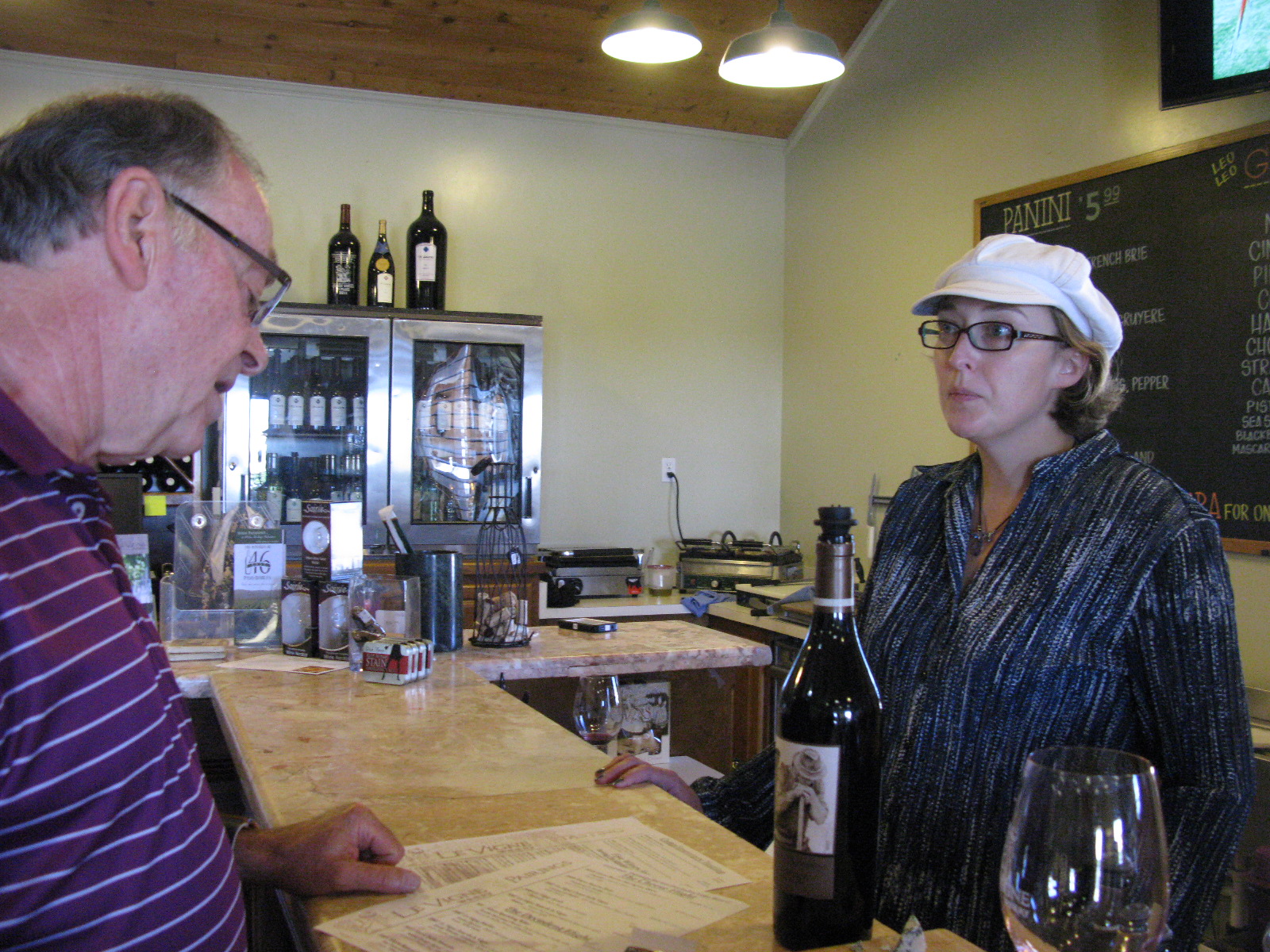
Research can be so arduous, but I made the sacrifice to contact Zina Miakinova, designated Cheese Lady from Le Vigne Winery in Paso Robles to arrange for a wine/cheese pairing.  Located in the northeast quadrant on Buena Vista Drive, Le Vigne specializes in semi-rare gourmet cheeses along with fine wines and creative blends.  Nothing enhances an experience more than exploring it with an expert.

A “cardinal rule” of pairings is that, in all instances, the cheese augments, but never distracts from the wine. Supporting this end, the process begins with a sniff and taste of wine, then the cheese, finishing with the wine. Although Le Vigne changes its pairings regularly, ours left us understanding that we had discovered something unique. The textures and flavors were perfectly balanced or counter-balanced and made each other better.

Pair #1:  Kiara Private Reserve Sauvignon Blanc with

          Chaubier (Fr). Chaubier is a semi-firm cheese made from half cow’s milk, half goat’s milk. Its mildly robustflavors and rich texture balanced well with the zesty and citric sauvignon blanc, aged in a variety of oak barrels.

Pair #2:  2008 Kiara Reserve Rose’ with Cranberry Le Roullee (FR).  One would expect pairing a sweet cheese with a rose’ to be a bit excessive.  However, this rose’ is a very dry, complex wine that consists of a blend of cabernet sauvignon, pinot noir, syrah, merlot and cabernet franc, representing the Bordeaux, Burgundy and Rhone Valley regions of France.  With this rose’, the brain needs a few moments to overcome the anticipation of sweetness and focus on the dry flavors.  It needs something sweet and the Cranberry Le Roullee, a sweet, soft cheese infused with dried cranberries made this a decadent pair.

Pair #3:  2007 Le Vigne “Cuore della Vigna” with Casatica di Bufala (It)  Comprised mostly of cabernet sauvignon with a blend of petite sirah, cabernet franc and zinfandel grapes, the “Cuore della Vigna” assumes the characteristics of a Super Tuscan, earthy, while creamy and elegant.  Originating from the milk of Water Buffalo, apparently contributing the richest, sweetest milk of any dairy animal, this soft, ripened cheese coats the palate, fostering our ability to enjoy the richness of the wine. The obvious question still without an answer, “How does one milk a Water Buffalo?”

Pair #4:  2004 Le Vigne Syrah with Tipperary (Ire)

Seemingly an odd couple, we paired an aged, soft, jammy, fruit-forward wine with a biting, extra sharp Irish cheddar.  Both flavors have long finishes and, in some unexplainable way, they counter-balance each other perfectly.  The syrah was the best wine that I tasted and the extraordinary pairing experience prompt me to bring some of each home.

Pair #5:     2007 Le Vigne “Ame de la Vigne” with Valdeon (Sp)

Because, common practice is to pair a sharp, pungent blue cheese with a dessert wine such as a French Sauternes, I was anxious to find how the Valdeon, an esteemed Spanish blue wrapped in walnut leaves, would coalesce with this Rhone blend expressing rich fruit and spicy, herb flavors. Of course, the wine tamed the Valdeon and the results were wonderful.

Pair# 6:     2010 Kiara Bella Moscato with Cherry Gourmandise (Fr) Learning as I go, Zina surprised us at the conclusion of the pairing, with a sweet, melon flavored Muscat of Alexandria with the Cherry Gourmandise, a buttery, soft cow’s milk cheese, infused with kirsch, a liqueur distilled from cherries. Apparently, pairings such as this are common, popular because they impart a variety of rich, sweet flavors that are pure decadence.

Le Vigne Winery is a wonderful environment to enjoy cheese and wine tastings and is open to the public.  For those inclined, they have a wine/cheese club and also offer a “Decadent Flight” that pairs wine with fine chocolates.

When pairing wine and cheese, do some research on the texture and concentration of flavors of both and avoid letting the intensity of one overpower the other. Counter-balancing acidity and sweetness, such as a powerful blue cheese with a sweet dessert wine, is also important.

When serving cheese as a pre-dinner appetizer, think diversity of shape as well as texture and flavor, something easily done with cheeses from a specific country or region such as Sonoma County in northern California. Whatever you decide, always remember the essential rule to honor the wine.


Wine and J.S. Bach


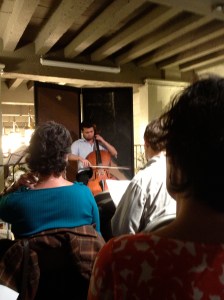
It was billed as Bach & Bachanal: A Music and Wine Pairing Recital featuring nine pieces by composer Johann Sebastian Bach paired with seven European wines ranging from a sparkling Brut Riesling to an unusual Italian blend featuring two disparate grapes.IMG_0249

Peter Nelson, co-owner of Monopole Wine in Pasadena invested significant time researching the nuances of the music and thoughtfully used his skills as a master sommelier to pair it with fine European wines.  For example Bach’s Allemande E flat Major (Suite IV) is described as “a dance, both serious and amusing”.  In a 1739 review, Johann Mattheson called it “a serious and well-composed harmoniousness in arpeggiated style, expressing satisfaction and amusement, and delighting in order and calm”.

Defining it “an exceptional wine, serious, yet playful”, Peter selected the 2009 Von Buhl Sekt Brut Riesling, a German sparkler from Pfalz that immediately draws attention to its acidity and bubbles so as to lead you through balanced, citrus flavors, the calm in the music.  And so the evening began.

If one devotes an evening to attend a wine and Bach pairing recital, it’s best to be as trusting as possible. A totally open mind, an amenable palate and good listening skills can facilitate immersion into the moment and help to feel the beauty of the music with the texture of the taste.

None of this can occur unless the quality of the music can stand up to the wine.  Fortunately, we were privileged to have cellist Jevgenji Raskatov and violinist Amaruka Hazari to aptly manage the melody while enjoying each wine with us. I overheard someone say that Jevgenji was a biochemist in his day job, which I assumed was music.  Great minds and talent seem to abound in the Pasadena area surrounding Cal Tech.

Referencing Peter’s extensive research and knowledge, let me share my perceptions of the wines that were selected to enhance the unaccompanied cello and violin suites of Johann Sebastian Bach.bach-y

Music: Allemande E flat Major (Suite Iv)

Wine:  2009 Von Buhl Sekt Brut Riesling, Pfalz, Germany


As previously described, this wine is a highly acidic sekt, the traditional sparkling wine of Germany, Bach’s homeland.  The refreshing crispness does not 41t1+fyv+CL._AC_AA100_overwhelm as pleasant flavors of citrus fruit pass through the finish. This sparkler would also pair well with cheeses like Mahon (cow’s milk) or Humboldt Fog (goat’s milk), as both can be “serious, yet playful”.

Music:  Prelude D minor (Suite II)

Wine:   2009 Markowitsch Blaufrankisch Spitzerber, Austria

This piece seems to have been inspired by the joy of a walk on a crisp autumn day, an ambience of soft rain falling that our cellist superbly captured.  Quite possibly because it’s October and I took a late afternoon walk, I could feel the described “autumn earthiness” of the 2009 Markowitsch Blaufrankisch Spitzerber from Austria.

Apparently blaufrankisch is the country’s most dignified grape known for concentrated fruit flavors and an earthiness or “Teutonic” character. The wonderful aromas alone, balanced while casting a candied fruit bouquet, would have been a sufficient pair with this music.  Priced below $20, I was also inspired to bring a bottle home.Markowitsch_LogoRed

Music:  Sarabande G major (Suite II)

Wine:   2005 Chateau Canon, Fronsac, Bordeaux, France

The piece is a slow, purposeful dance that, although exquisite and full, is sad.  In Peter’s mind, it needs a nice red Bordeaux, “dark, earthy and just a little brooding, but very satisfying”.  While it has some age, the 2005 Chateau Canon, Fronsac is not over-powering, but has some depth and smokiness to its flavors.  There is a strong recommendation that this wine be consumed with this music by candlelight or an appropriate mood lighting app.31PEJwucAPL._SL500_AA300_

Music:  Allemande, Partita No. 2 BMW 1004

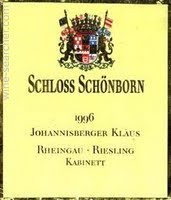
Wine:   2010 Schonborn Riesling Spatlese Trocken, Germany


The description of a Riesling Spatlese Trocken tells us that the grapes were harvested at their ripest form, just short of late harvest or “noble rot”, botryris.  However, they are not sweet, maintaining full pure fruit flavors and a perfect minerality.  It was noted that Schonborn has been producing wine since the 13th century and that Bach could easily have been enjoying a glass while composing this piece.  Peter’s aim was to pair “purity with purity” and the results were ideal.  When people speak of great German Riesling, this wine is what they are referring to.10413131t


Music:  Adagio, Sonata No 1, BWV 1001

        Sarabande in C Major (Suite III)

Wine:   Bert Simon Muller-Thurgau Beerenauslese. Germany


As we spoke earlier of the Spatlese Trocken, harvested at their fully ripened form, the Bert Simon-Muller-Thurgau Beerenaulese takes them beyond ripe, with a “botrytis” affected very late harvest. The result was aptly designated “nectar of the gods” and “made from the tears of angels”.  Rich, opulent, full-bodied, full-flavored, Peter sees the internalization of this wine and music leading to purification of the soul.  I see this wine having the same effect with Mozart, Sinatra or even Coldplay. As Peter defined the sonata as “utterly cathartic”, I was convinced that he found the proper therapeutic wine.


Music:  Bouree in C Major (Suite III)

        Minuet in G Major, 1 and 2 (Suite I)

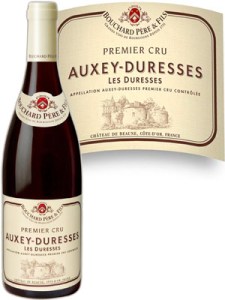
Wine:   2010 Bouchard Auxey-Durresses, Burgundy, France


These pieces, both of French origin, are defined as lively dances with some seriousness. Selecting a traditional French wine for a French dance, the Bouchard Auxey-Durresses is a nice red Burgundy from the pinot noir grape.Bouteille_Auxey-Duresses_LesDuresses_300

The Burgundy region produces elegant wines with bold red cherry flavors and a soft minerality.  According to Peter, “the wine is clearly mimicking the dual character of the minuet”. To me, both were uplifting.


Music:  Prelude in G Major (Suite I)

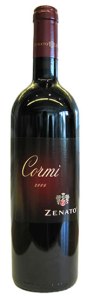
Wine:   2006 Zenato Cormi, Veneto, Italy


The final piece, one of Bach’s most famous, features a series of motifs that “start with a quicker tempo and continues with great energy and melody and builds to an urgent climax before finishing in perfect balance”.

To this end, Peter has chosen a bold Italian blend from the Veneto region, not only because it completes a normal progression of our tasting, but because it combines merlot and corvina, grapes from French and Italian origins, expressing the influence of Italian soil. The results were highly intense fruit with a rich, cormi-lgcreamy finish.

Aside from being Jevenij’s favorite wine, Zenato Cormi is also known to pair well with our final surprise:  fresh creative chocolates from Pasadena-based “Mama’s Gone Cacao”.

Raskatov and Amaruka continued to play a few encore pieces that, along with the chocolate and wine, was a superb finale to a captivating evening.  The concept of pairing good wine and classical music is intriguing and, under the tutelage of a master sommelier, one can begin to feel the connections.  At a minimum, it is an opportunity to enjoy good music, fine wine and pleasant company.

Monopole Wine, located in Pasadena’s theater district, presents special tastings and classes on a regular basis that are describeded on their website.


The Wines of Newburg

Photographed by Karen Norton


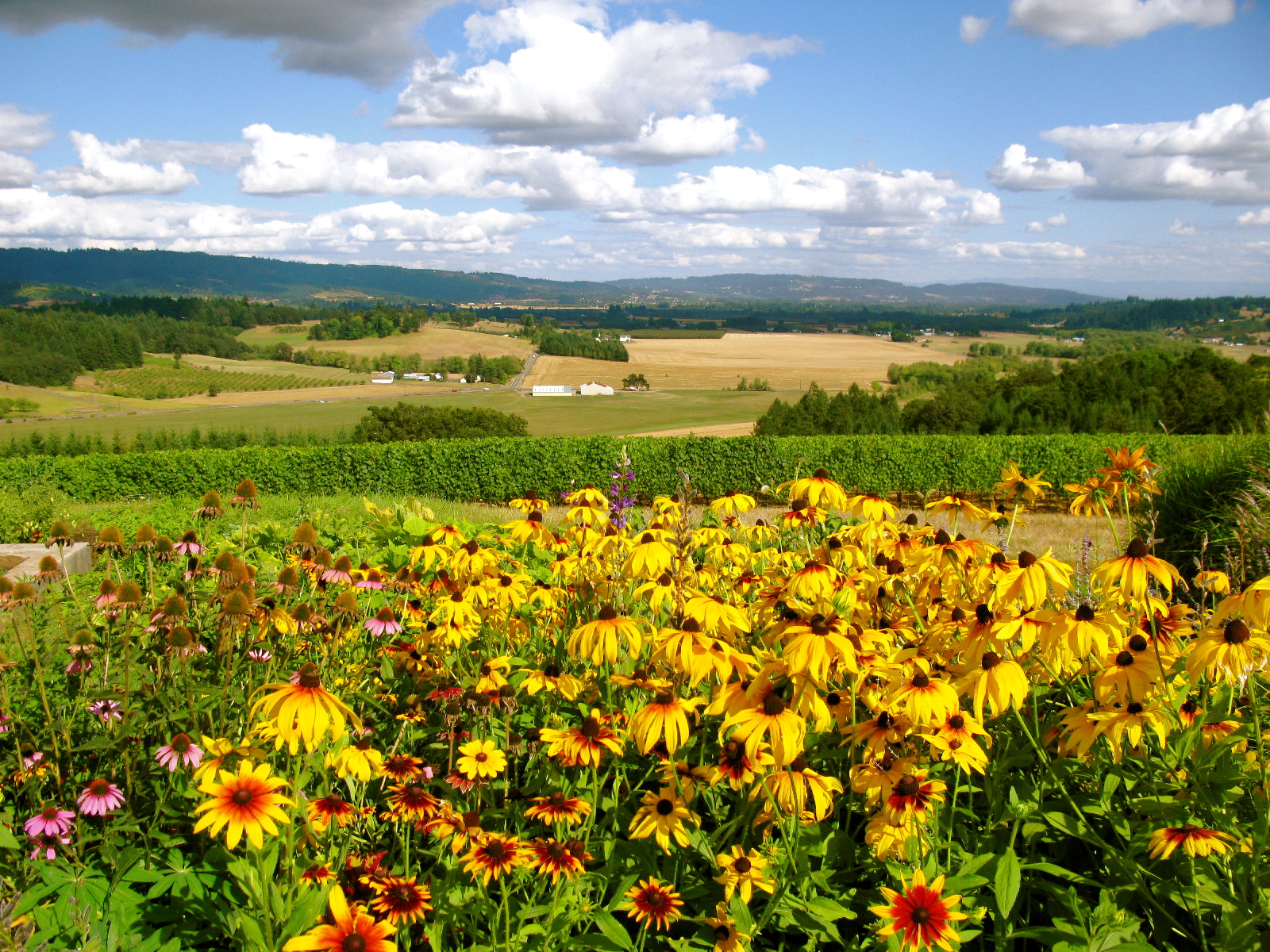
The quaint city of Newburg, Ore. is located in Yamhill County at the northern tip of the Willamette Valley wine region, 50 miles southwest of Portland.  The small town of 22,000 residents, the second largest in the county, is also home to the Chehalem Mountains and Ribbon Ridge appellations, producing high quality pinot noir, some syrah and an array of white varietals.  I have read about them, but they are miles away with much great wine in-between.  A recent jaunt through

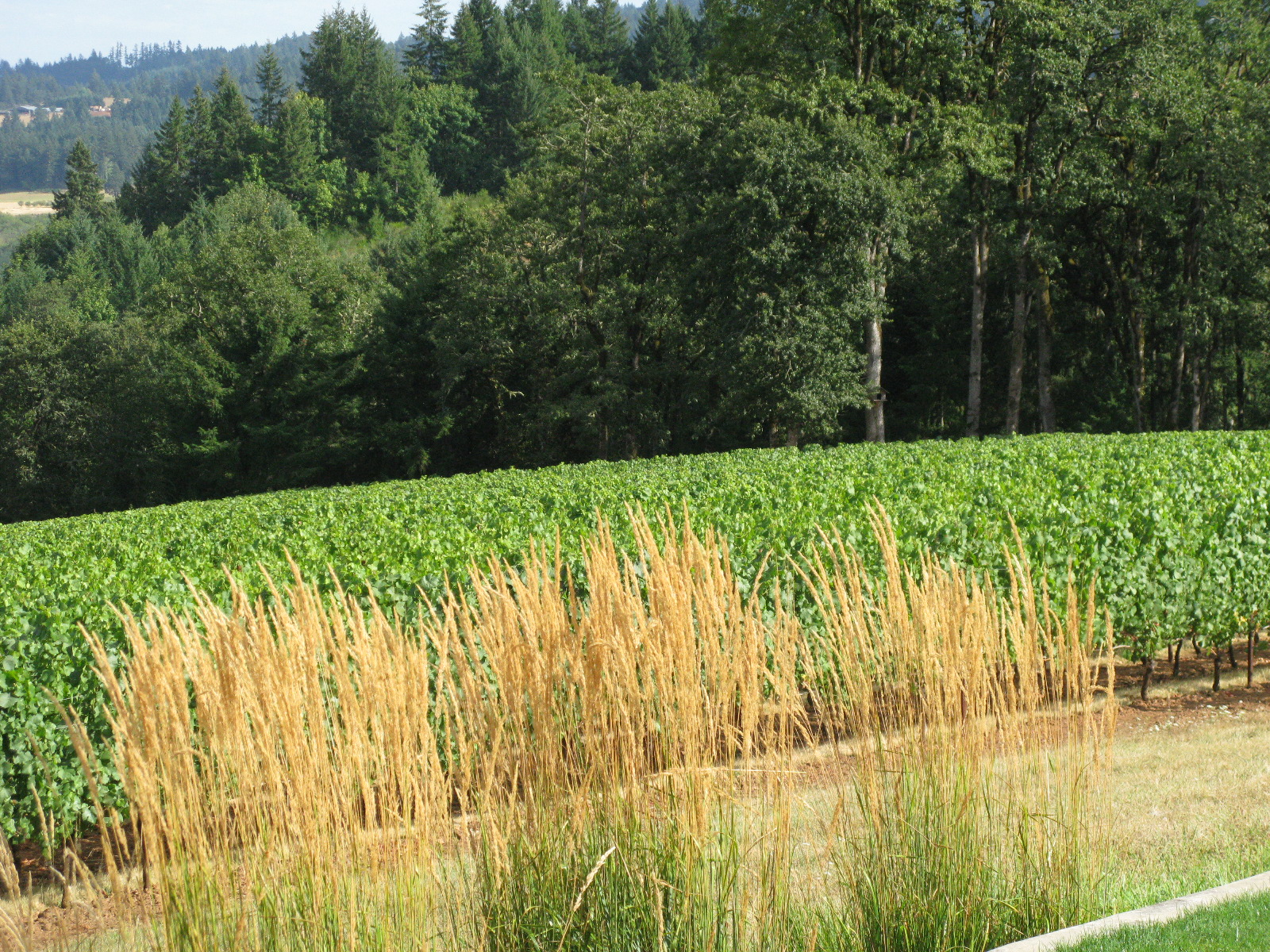
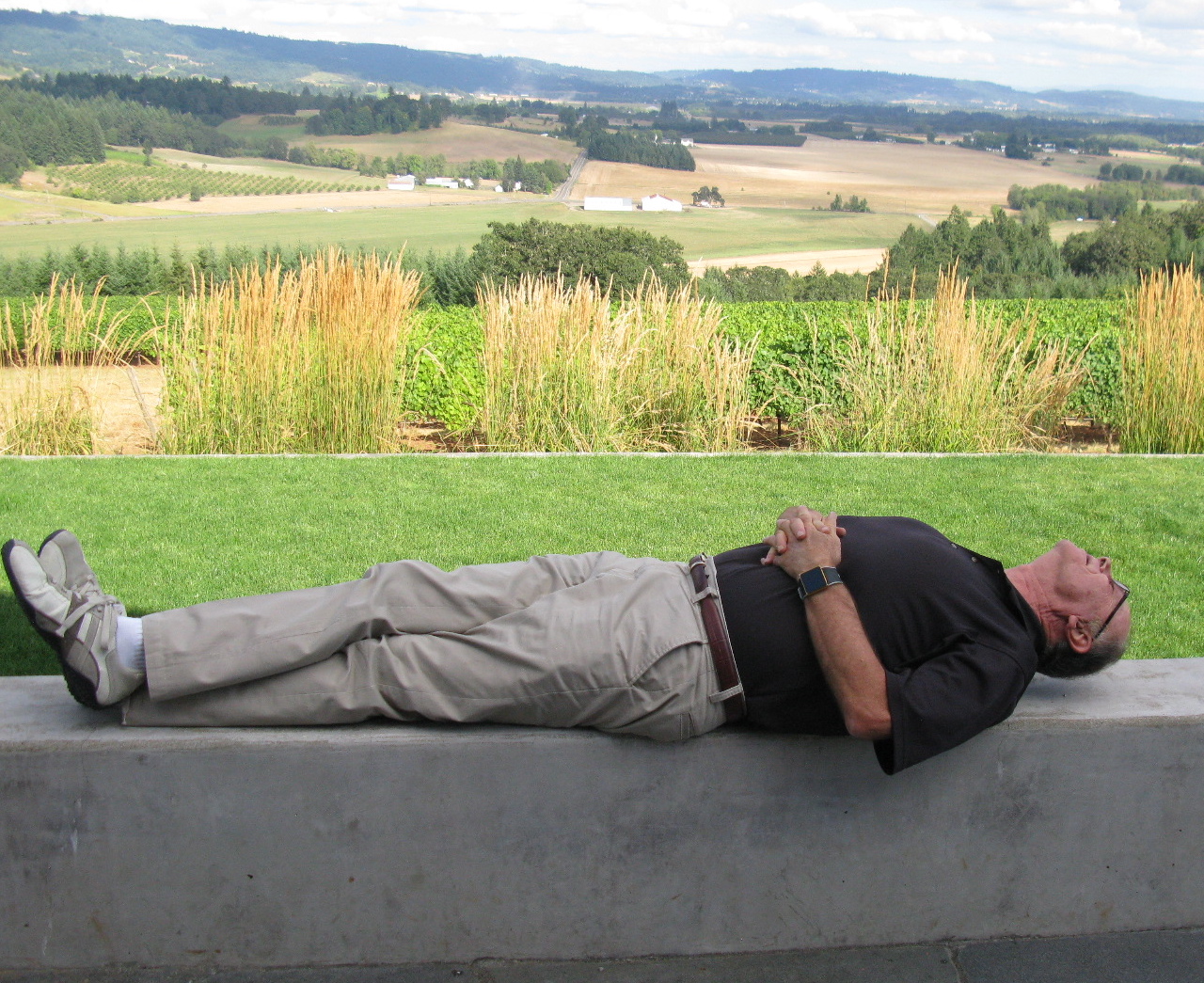
vista from Penner-Ash Winery

Newburg presented us with an opening to enjoy a beautiful afternoon and tdaste some wines from Chehalem, Bergstrom and Penner-Ash, familiar only by reputation and to, inadvertently, discover the best BLT of my life.

Oregon is primarily known for high quality pinot noir and pinot gris, and I am always astounded by the depth palate of wines produced there. A prime example is Chehalem, showcasing 10 new releases from five varietals at their downtown tasting room. Our first tasting is from an uncommon varietal, though it’s  the most widely planted in Austria, named Gruner Veltliner.  Covering more than 50,000 acres of vineyards, Gruner Veltliner has transformed itself from Austria’s commercial grape to a low-yield powerhouse over the past 25-30 years. Winemakers discovered, decades ago, with low-yield methods and mature fruit, the potential of this varietal to produce highly concentrated wines with deep aromas and flavors.

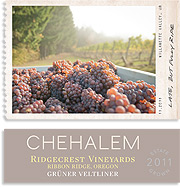
Differing from Austria, there are only four growers in the valley and Chehalem has one acre at their Ridgecrest Vineyard, producing 85 cases. Boasting low-yields, late season sunshine and less rain, the 2011 Chehalem “Ridgecrest Vineyard” Gruner Veltliner ($24)had white pepper and grassy hints on the nose, some acidity and nice flavors that became more intense at the finish.  Daniel, are tasting host, described the wine as a combination of pinot gris, sauvignon blanc and riesling, covering all bases.  We enjoyed it and could comprehend its reputation as a good

2011 Chehalem Gruner Vetliner Ridgecrest Vineyard

food wine.

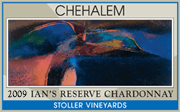
While in Oregon, I always sample the pinot gris, arguably the best in the world. The 2011 Chehalem “3 Vineyards” Pinot Gris ($19) is very nice if you like soft floral aromas, flavors of ripening fruit and unusually long finishes that seem to go on forever. A nice finish was also present with the 2010 Chehalem “Reserve” Dry Riesling ($24), a bone-dry wine that, in my view, expressed extraordinary complexity.  The final and, certainly, their flagship white wine was the 2009 Chehalem Ian’s Reserve Chardonnay ($36) from Stollar Vineyard, awarded 91 pts. from Wine Spectator magazine. This vintage, which the winery says may be its best, delivers “comfort” spices and orchard fruit in both the bouquet and flavor, expressing a rich “baked” texture throughout.  Aged seven months in 35% new oak barrels, this wine has the depth to last awhile.

2009 Chehalem Ian’s delivers “comfort” spices and orchard fruit in both the bouquet and flavor, expressing a rich, “baked” texture throughout. Aged seven months in 35% new oak barrels, this wine has the depth to last awhile.

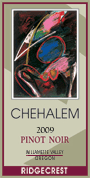
Chehalem is best known for fine, north Willamette Valley pinot noir and were pouring five new releases, some with consistent ratings in the 90’s. They all had something nice to offer:   the “Corral Creek Vineyard” expressed spice and nice traditional flavors, the “Stollar Vineyard” an earthiness and a nice, spicy nose identified the fairly new “Wind Ridge Vineyard”.  However, the 2009 Chehalem “Ridgecrest Vineyard” Pinot Noir ($48), celebrating the 25thharvest from the Ribbon Ridge appellation vineyard, without doubt, conveyed the most complexity and required the most focus.  It expressed nice spice and fruit-forward flavors with

Chehalem Ridgecrest Vineyard Pinot Noir

hints of wild blackberries that grow nearby.

From time to time, Bergstrom Wines are featured in periodical reviews of Oregon pinot noir wines. Started by Dr. John and Karen Bergstrom as a family business, operations are now run by son Josh and his wife Caroline. Above picturesque vineyards, the relaxed outdoor porch provides to environment to appreciate the quality of their wines, from whole-cluster rose’ to the single-vineyard pinot noir, all exceeding my expectations.

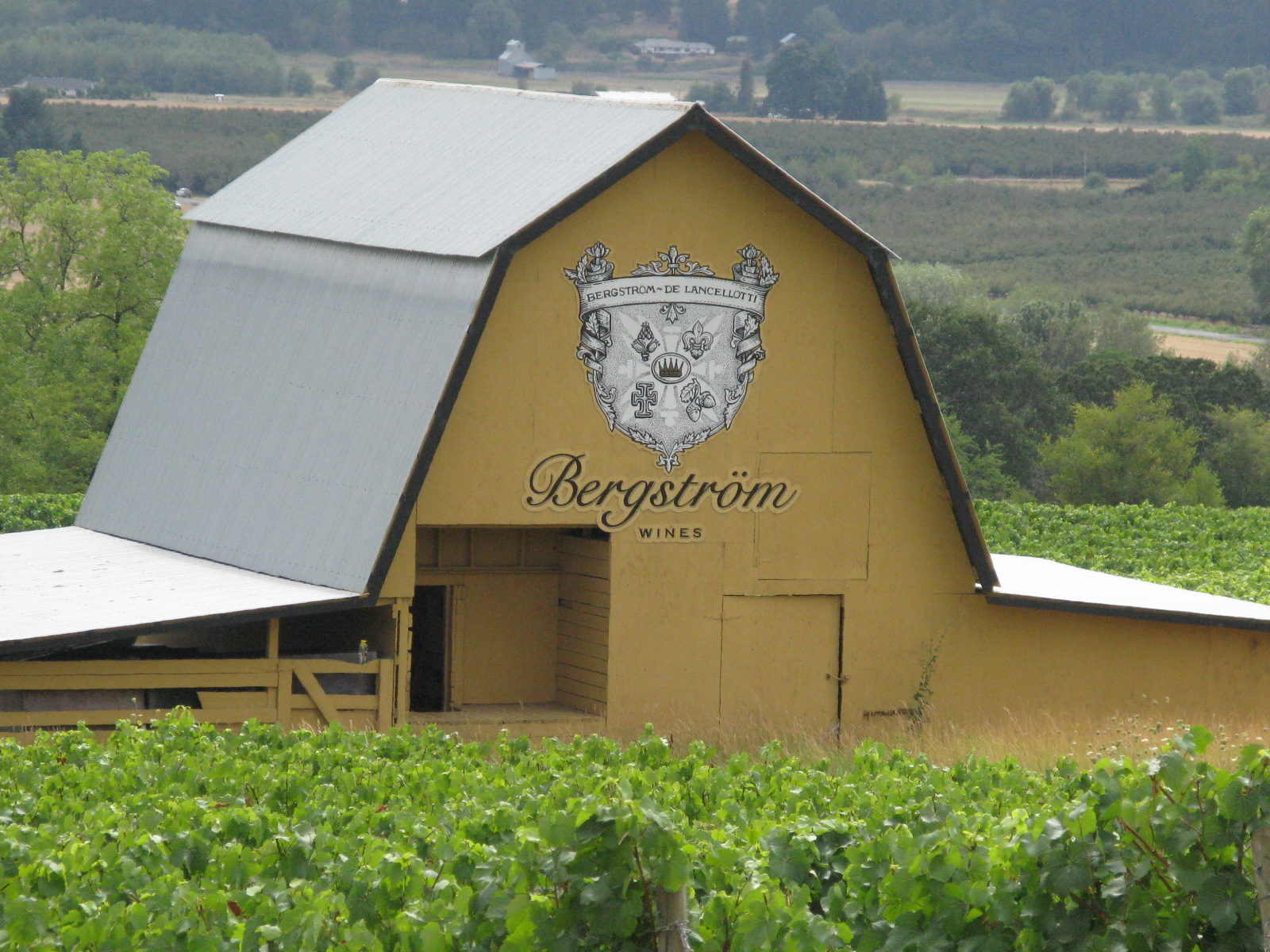
With a view of the barn and de Lanceotti Vineyard, we began with a 2011 Bergstrom Rose’ Pinot Noir, a well perfumed wine with hints of peaches and strawberries, nice as an apéritif, but with the structure to pair with food.  In 2009, the San Francisco Chronicle named the 2008 Bergstrom “Old Stones” Chardonnay among their Top 100 wines.  A crisp Burgundian-style with healthy mineral notes, the 2010 Bergstrom “Old Stones” Chardonnay ($30) maintained nice flavors of white peach and pear, a perfect match for lobster, crab or BBQ oysters.  It also has the structure to age a few years.

Quite simply stated, the Bergstrom Wines single-vineyard pinot noir releases were stunning, possibly the best of all our tastings.  Among the standouts, the 2010

Bergstrom barn and De Lancellotti Vineyard

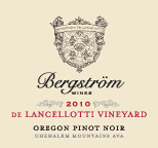
Bergstrom “Cumberland Reserve” Pinot Noir ($42), from multiple vineyards, is a deep ruby color with complex flavors of dark chocolate, black cherry and dark raspberry. Awarded 92 pts. from Robert Parker, it has the tannins to expand its depth over time. Earning ratings of 92-93 pts from Wine Spectator and Robert Parker, the 2010 Bergstrom “de Lancellotti Vineyard” Pinot Noir ($65),my personal favorite, epitomizes full-bodied high-end pinot noir with smokey, floral and perfume traces on the nose and deeply concentrated “cherry pie” textures throughout the finish.

Bergstrom “De Lancelotti Vineyard” Pinot Noir 2010

Just when we thought things could not get better, we were pleasantly surprised with two special tastings, not on the menu.  The 2010 Bergstrom “Bergstrom Vineyard” Pinot Noir ($80) has all the qualities of a classic pinot, but on steroids. Rich and opulent aromas and flavors merited ratings of 93-95 pts from the experts.  Finally, we felt honored when offered a taste of the equally opulent 2010 Bergstrom “Winery Block” Pinot Noir ($150) from a small 1.5 ac vineyard of special low-yield vines, attracting a limited market of collector’s. It captured intensity and boldly concentrated fruit. Bergstrom is a special experience and a highly recommended stop in the northern Willamette Valley.

With 10 years experience as winemaker and President at Rex Hill Winery, Linda Penner Ash, along with husband Ron began Penner-Ash in 1998 with the spirit to continue the tradition of small production pinot noir in the north Willamette region.  Their property is as picturesque as any in the area with a sustainable three-level gravity winery and tasting room that is architectural impressive and unique.

Our first tasting, the 2010 Penner-Ash Viognier ($30), sourced from vineyards in southern Oregon comes from 100% stainless steel fermentation but still has a rich velvety feel and soft peach flavors.  The pinot noir grape adds a unique flavor profile to a rose’ and the 2011 Penner-Ash “Roseo” ($19) is no exception.  Nice spice and dark fruit flavors with tart cranberry throughout the finish.

We tasted two contrasting pinot noir wines, one comprised of grapes from 18 vineyards in six AVA’s with production of 5,700 cases and the other yielding 575 cases from a single-vineyard. The 2010 Penner-Ash Willamette Valley Pinot Noir ($45), with its diversity, still delivers classic pinot noir elegance with typical spices and cherries extending through an earthy finish.  That same complexity delivered delivered within a soft, velvety texture describes the 2010 Penner-Ash “Dussin Estate Vineyard” Pinot Noir ($60).  Pinots this heavy-on-the-tongue often hints of chocolate, as is the case here. The Dussin and other Penner-Ash vineyards are certified to preserve resources in the wine industry and designated “salmon-safe”, using farming practices that protect local watershed areas.

Penner-Ash Winery

I enjoy the deep, jammy flavors that California syrah can attain, but try to avoid those with un-balanced tannins that can be overly tart on the finish. For this

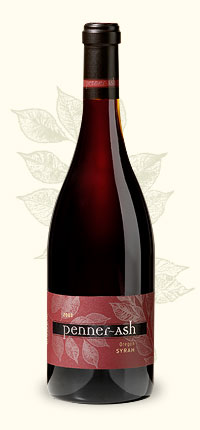
Penner-Ash Syrah

reason, I was attracted to the 2009 Penner-Ash Oregon Syrah ($32), complex flavors with soft vanilla spice, aged 17 months in 40% new French oak, plus 2% viognier and a nice finish with the tannins in balance.

There was a mid-day stop at Recipe, a restaurant gaining praise throughout the region for its fresh, seasonally adapted menu.  I opted for the daily special “Heirloom Tomato BLT” sandwich that, although it had the same ingredients as all the others, was prepared with fresh heirloom tomatoes, some added avocado, on freshly baked bread with a light, creamy sauce. This is a sandwich to remember.

This work is exhausting

Newburg is a happening place.  The weather, at least the last two weeks of August, is great, the landscape is stunning with conscientious vineyards and endless vistas, resulting in wines that deserve to be as good as they are.


The Mystery of Sauvignon Blanc


Forever in the shadow of the perennial homecoming queen, Chardonnay, the varietal that some people call sauvignon blanc has struggled with identity issues even after Robert Mondavi changed its name to Fume’Blanc decades ago, intending to boost its image and its sales.  Adding to its mysterious persona, consumers are never certain what sauvignon blanc will show up. As with many varietals, it is heavily influenced by the soils within the region it is grown and how it is made. 

Originating from Bordeaux in France, Sauvignon Blanc also thrives in Australia, South America, New Zealand and South Africa, each with diverse soil.  The famous wines from the Pouilly Fume’ and Sancerre appellations in the Loire Valley, southwest of Paris and the Sauternes region of Bordeaux use the sauvignon blanc grape exclusively.  Regionally, it excels in western Australia, the Marlborough appellation of New Zealand and in California, primarily Sonoma County, Napa Valley and the Santa Ynez Valley, north of Santa Barbara.

The two personas of sauvignon blanc are nearly polar opposites of each other.  There is the grassy, “herbaceous”, more intense version opposed to the rich, barrel-fermented rendition full of creamy melon and tropical fruits.  Both enjoy the passion of many wine consumers. Producers in many of the global appellations have found that blending sauvignon blanc with the heavily textured semillon grape creates a more full-bodied, rich wine. An excellent example of this blend is the St. Supery Estate “Virtu” Napa Valley ($30) featuring half from each varietal.  With two-thirds of the grapes fermented in French oak, the remainder in stainless steel, “Virtu” combines crisp aromas and flavors of lemon zest and grapefruit with the creamy, toasted influences. The 2010 vintage is sold out at the winery, but most likely can be found in some outlets or on the Internet.

The one irrefutable capacity of sauvignon blanc is that it has always been one of the most food-friendly wines available. More specifically,

St. Supery “Virtu” Sauvignon Blanc-Semillion blend

sauvignon/fume’ blanc, unlike chardonnay, can easily stand up to spicy and more flavorful savory foods.  Powerful flavors like cilantro, dill, garlic, lemon, lime, red bell peppers and others are often suitably paired with the versatile grape.

Fiddlehead Cellars Sauvignon Blanc “Goosebury”

Sauvignon/Fume’ Blanc is also very characteristic to its region. Soils, the use (and non-use) of oak and aging produces very different traits within the French regions, both differing from California and New Zealand.  If you are serious about this varietal, I highly recommend the self-proclaimed, “Fiddlehead Experiment.”  Kathy Joseph, owner/winemaker of Fiddlehead Cellars in Santa Barbara County can thank me later for the plug, but this is actually the means by which I began to explore the potential of sauvignon blanc.

Fiddlehead Cellars has been striving to produce excellent Pinot Noir and expand the capabilities of sauvignon blanc for over a decade.  They produce three very different releases of the latter, describing them as indicative of those from the Loire Valley, Bordeaux and New Zealand, all from vineyards in eastern Santa Ynez Valley.

The Happy Canyon of Santa Barbara AVA, known for warm days and cool nights, has become the home of great sauvignon blanc vineyards, including the “Vogelzang Vineyard” that supply grapes for several labels, including the Fiddlehead Cellars trio.  The Fiddlehead Cellars Sauvignon Blanc “Happy Canyon” ($25), named for the appellation, is a full-bodied, rich wine with nice, crisp tropical fruit aroma and flavors, indicative of those produced in the Loire Valley.  The use of stainless steel, new and neutral French oak creates a wonderful balance of crispness with silky texture.

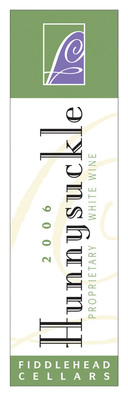
In Bordeaux-style, the Fiddlehead Cellars Sauvignon Blanc “Hunnysuckle” ($34)is that richly textured wine that one can enjoy with or without food.  Aged for ten months in the barrel before additional years in the bottle, patience is rewarded with elegance and grace.

Fiddlehead Cellars Sauvignon Blanc “Hunnysuckle”

One of my best food pairing experiences ever involved sea scallops in a creamy Meyer lemon sauce with a glass of Fiddlehead Cellars Sauvignon Blanc “Goosebury” ($34), representative of those produced in New Zealand.  With no oak or any other influences, the “Goosebury”  is crisp, herbal with mineral hints and, in my view, one of two California sauvignon blanc that I would select when choosing a wine to pair with a special meal. The “Fiddlehead Experiment” allows one to explore the world of this agile grape and solve many of its mysteries.

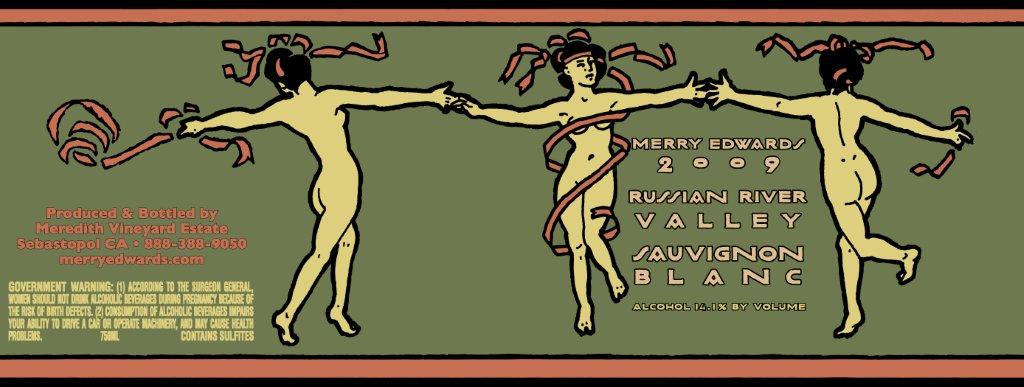
Aside from the “Goosebury”, my favorite food wine is the renowned Merry Edwards Sauvignon Blanc Russian River Valley ($32), arguably the finest produced in California.  I often reference this wine as it annually receives accolades, appearing on Top 100 lists from many periodicals.  Indicative of low-yield wines, this sauvignon blanc is fruit-forward in brilliantly balanced richness

Merry Edwards Sauvignon Blanc Russian River Valley

with aromas of apples, layered flavors of stone and tropical fruits and a nice acidity on the finish.

The following are my additional recommended sauvignon blanc varietal wines, varying in price range, most available locally, all of high quality from various regions of the world.

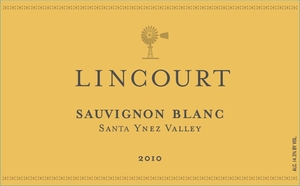
Lincourt Sauvignon Blanc Santa Ynez Valley ($18): Lincourt is a small boutique winery near the small village of Los Olivos, outside of Solvang.  Non-herbal, there are nice hints of tropical fruit and melon throughout. This wine is often reviewed as an excellent value wine, but may be difficult to find outside of the winery.

Lincourt Sauvignon Blanc Santa Ynez Valley

Ferrari-Carano Fume’Blanc ($13):  A popular release from Sonoma County for decades, a nice balance of citrus and tropical fruit, balanced and multi-layered.


Brancott Estate Sauvignon Blanc Marlborough NZ ($15):  Very accessible, processing the typical minerality from New Zealand and nice citrus flavors.


Kim Crawford Sauvignon Blanc Marlborough NZ ($15): Another popular wine from New Zealand, the KC expresses intense bouquet with tropical fruit, melon flavors and nice acidity on the finish.


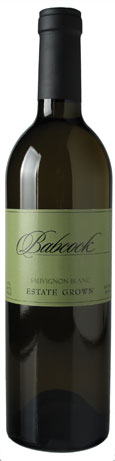
Babcock Sauvignon Blanc ($20): From the Santa Rita Hills AVA in Santa Barbara County and a reliable winemaker, this wine is rich with oak

Babcock Sauvignon Blanc

influences and soft melon flavors. A good value for a wine that is not always available locally.


Cloudy Bay Sauvignon Blanc ($27)One of the most highly rated Sauvignon Blanc in the world for the past few years, it was rewarded 92 pts. from Wine Spectator, ranked only below Merry Edwards among the varietal.  Very crisp and fruit forward, the flavors are balanced and abundant.

Cloudy Bay Sauvignon Blanc Marlborough NZ

Hopefully, we have unveiled some of the mysteries and myths about sauvignon blanc.  For many, it is a softer, mellower alternative to chardonnay, for others a great food friendly wine.  However, as with all the world’s finest varietals, further exploration of sauvignon blanc reveals the rich diversity and distinctive characteristics of a global powerhouse.


The Summer of Chardonnay


The summer months always evoke discussion of nice white wines that are more refreshing in the heat. In the forefront of any such discussion is chardonnay, arguably the most popular grape in the world.  It thrives in Burgundy, France; Australia, northern and southern California and even New York State because it can be distinctive and unique, heavily influenced by soil, climate and many post harvest techniques.  The grape responds to stainless steel or oak, limestone or marl, cool or warm climates and 0% to 100% malolactic fermentation, a technique that significantly softens the wine by converting the tart malic acid into lactic acid,  producing those more full-bodied, buttery wine flavors.

Foley Estate Rancho Santa Rosa Vineyard

Thriving earlier in the Napa Valley, today’s chardonnay vineyards can be found from Mendocino to Santa Barbara County, gradually shifting to more coastal appellations like Santa Lucia Highlands, Santa Rita Hills and the Sonoma Coast.  In fact, Sonoma County past vintages rank the highest in California and, with the Burgundy region of France, produces the world’s best chardonnay.  Over the past few years, it has been difficult to find a bad one from the Napa Valley or Sonoma regions.

Normally a fan of the soft, buttery, oak-driven, lactic-laden California chardonnay, I have begun to appreciate the minerality in Burgundian wines, so influenced by the nature of the soil.

The following is a list of recent vintage chardonnay that I have enjoyed during the past year, representing a variety of price points, regions and oak influence. I did not designate a certain vintage because these wines are consistently good.

Chalone Vineyard Chardonnay Monterey County ($12). Chalone Vineyards have produced Burgundian-style wines for decades, contributing a chardonnay for the 1976

Chalone Chardonnay Monterey County

Paris Tasting.  Although they produce very good single-vineyard estate chardonnay at higher prices, the Monterey County designate is a complex wine that is accessible locally.

Merryvale Starmont Chardonnay ($18).  From the cooler climates in the Napa Valley, this amply available wine consists of grapes aged in both stainless steel and oak with partial malolactic fermentation.  The result is one of the most full-bodied, creamy chardonnay available under $20 anywhere. Nice citrus is engulfed with rich, nutty flavors with a nice minerality on the finish.

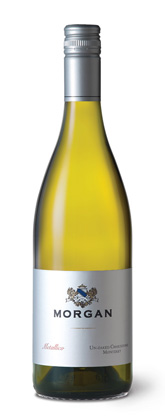
Morgan “Mettalico” Un-Oaked Chardonnay ($21).  Morgan Vineyards produce good quality pinot noir, chardonnay and other varietals from the Santa Lucia Highlands.  The “Metallico” favors those with no regard for oak or malolactic fermentation.  It is a very crisp, food-friendly wine with a nice

Morgan “Metallico” Chardonnay

acidity and stone fruit flavors.

Melville Estate Chardonnay Clone 76 “Inox” ($36).  Located on East Highway 246 on the way to Lompoc, Melville creates nice pinot noir and cool-climate chardonnay in the Santa Rita Hills.  “Inox” is the French word for stainless steel, foreshadowing a wine void of oak and any softening of its crispness.

Melville “Clone 76 Inox” Chardonnay

Cold temperatures are integrated into the fermentation process, protecting all the malic acid from harm.  Aromas and flavors of lemon, lime, pineapple, apple and honeysuckle assure us that it is not void of taste.

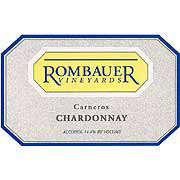
Rombauer Carneros Chardonnay ($32).  Familiar with this wine for several years, I was recently surprised to see a bottle in the “frig” at a “fork and cork” rental home and quickly drafted it to pair with scallops and smoked salmon cakes.  Complex aromas and flavors of peach, melon, citrus and vanilla make this wine, consistently, a great pair with food and a top value within this price range. It is often available locally.

Fort Ross Vineyard Chardonnay Sonoma Coast ($32). From the Sonoma coast, this wine embellishes both the crispness and rich opulence that chardonnay can express. Combining pineapple with butterscotch and vanilla in a balanced way is the main reason it found itself among Wine Enthusiasts Top 100 wines of 2011 with a 92 pt. rating.

Rombauer Chardonnay Carneros


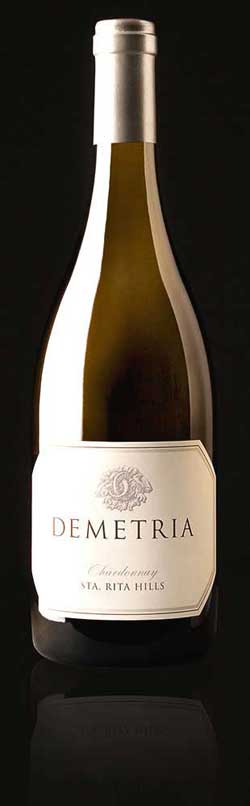
Demetria Winery “Eighteen” Chardonnay ($45). My first encounter with Demetria Winery in the Santa Ynez Valley was through this wine at a tasting last year.  The “Eighteen” stood out among the others.  Aged 18 months in French oak, it combines wonderful stone fruits aromas and flavors that are rich and heavy-on-the-tongue.  With only 200 cases produced, one will not find this wine outside of the winery.

Demetria “Eighteen” Chardonnay


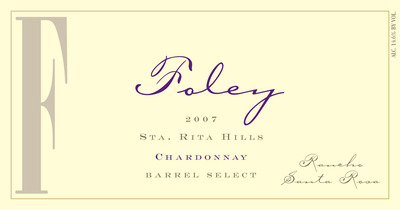
Foley Estate “Barrel Select” Chardonnay ($50). This wine is simply my favorite California chardonnay from a winery that produces many. To retain some acidity, 25% of the grapes are void of malolactic fermentation.  The best barrels are combined and aged another 21 months in oak.  The result is consistently lush citrus aromas and flavors balanced with rich vanilla and toasted nuts.  A pass through the area always warrants a stop for “Barrel Select”.


Mt Eden Vineyards Chardonnay Santa Cruz Mountains ($55).Any discussion of good white wine always includes Mt. Eden’s classic California chardonnay from the Santa Cruz Mountains appellation that produces many. A bulk of the aging is with new French oak creating a creamy, heavy-on-the-tongue wine with a perfect balance of citrus, spice and toasted nuts. It is always ranked among the best.

Foley Estate “Barrel Select” Chardonnay


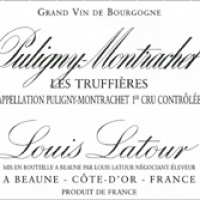
Louis Latour Puligny-Montrachet ler Cru ($55). Discovered at a tasting, this wine, from one of Burgundy’s finest appellations, has a nice earthy/mineral quality combining some citrus with melon flavors and a very long finish.  Grand Cru from this area can age up to 10 years, becoming supple, less acidic along the way.  Available at Monopole in Pasadena.

Louis Latour Puligny-Montrachet “Les Truffieres”

These are my recommendations although what I know about this wine is what I don’t know. Having the opportunity to taste good chardonnay from many regions

within California and abroad, I am always reminded of the complexity of the wine and it’s ability to enhance food.  Any one of these wines and a myriad of others were designed to augment shellfish, sea bass, game hens and even veal.  The major player of the United State victory in the 1976 Paris Tasting, California chardonnay has never sat on its laurels.


Burgundian Wines 101


With my love of California pinot noir, I have longed to explore the famous wines of the Burgundy region of France.  Found among the cellars of the most discriminate collector’s, the great, elegant richness has not been easily available to the general consumer over the past few decades because of cost and the emergence of pinot noir in California and Oregon.  High quality winemakers Williams Seylem, Brian Loring and many others sight inspiration from exposure to Burgundian red wines at an early age.  So, when I discovered that Peter Nelson of Monopole Wines in Pasadena was leading a Burgundy focus class, I immediately registered.

The heart of Monopole is European wines and co-owners Nelson and Hiro Tamaki are a reliable source of providing vintages with a high quality to cost ratio.  Their extensive backgrounds as Master Sommelier to the Advanced Level of the Wine and Spirits Education Trust are impressive and led to an enjoyable, informative evening that included tasting 10 regional wines, both red and white.

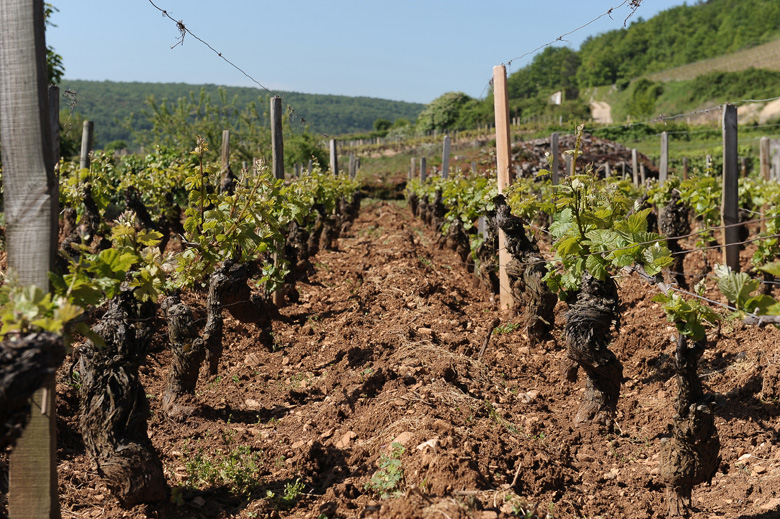
Vineyard in Chambertin

The region of Burgundy lies in eastern France, southeast of Paris.   Cistern monks, during the 12th Century controlled much of the land and began devoting time to winemaking.  They were the first to discover the variety of terroir, often distinctive every few meters. It seems that the diverse soils are all great, the weather is consistent and east-facing slopes, necessary for Burgundian varietals, are abundant.  Although half the size of Bordeaux, the Burgundy region boasts nearly 100 appellations and an excess of 1,000 named vineyards.

In most French regions, the wine is recognizable by the appellation, not the grape.  As a result, most people are not aware that famous Burgundy wines from Chablis, Cote d’ Or and Maconais use more than 98% of the time, only two grapes:  chardonnay for whites and pinot noir for reds. The only exception is the most southerly village of Beaujolais that experiments with the gamay grape.

The French closely regulate each region in their country and there are four levels of quality that identify Burgundian wines.  Regional or “Bourgogne” (Bor-gon-yeh) wines, making up more than 50% of production, are generally sourced by negiotiants (brokers who purchase grapes from other growers to make their wine) from any Burgundy appellation and are made for everyday consumption.  “Village” (Vee-Lawsh) wines represent 30% of production and are also sourced by negotiants, but must include only grapes from one specific village such as Gevrey-Chambertin or Muersault.

From 600 higher altitude single-vineyards come wines that have special characteristics worthy of a Premier Cru designation, about 15% of total production. Another 33 single-vineyards (2%) have been recognized for great qualities that earn a Grand Cru designation.

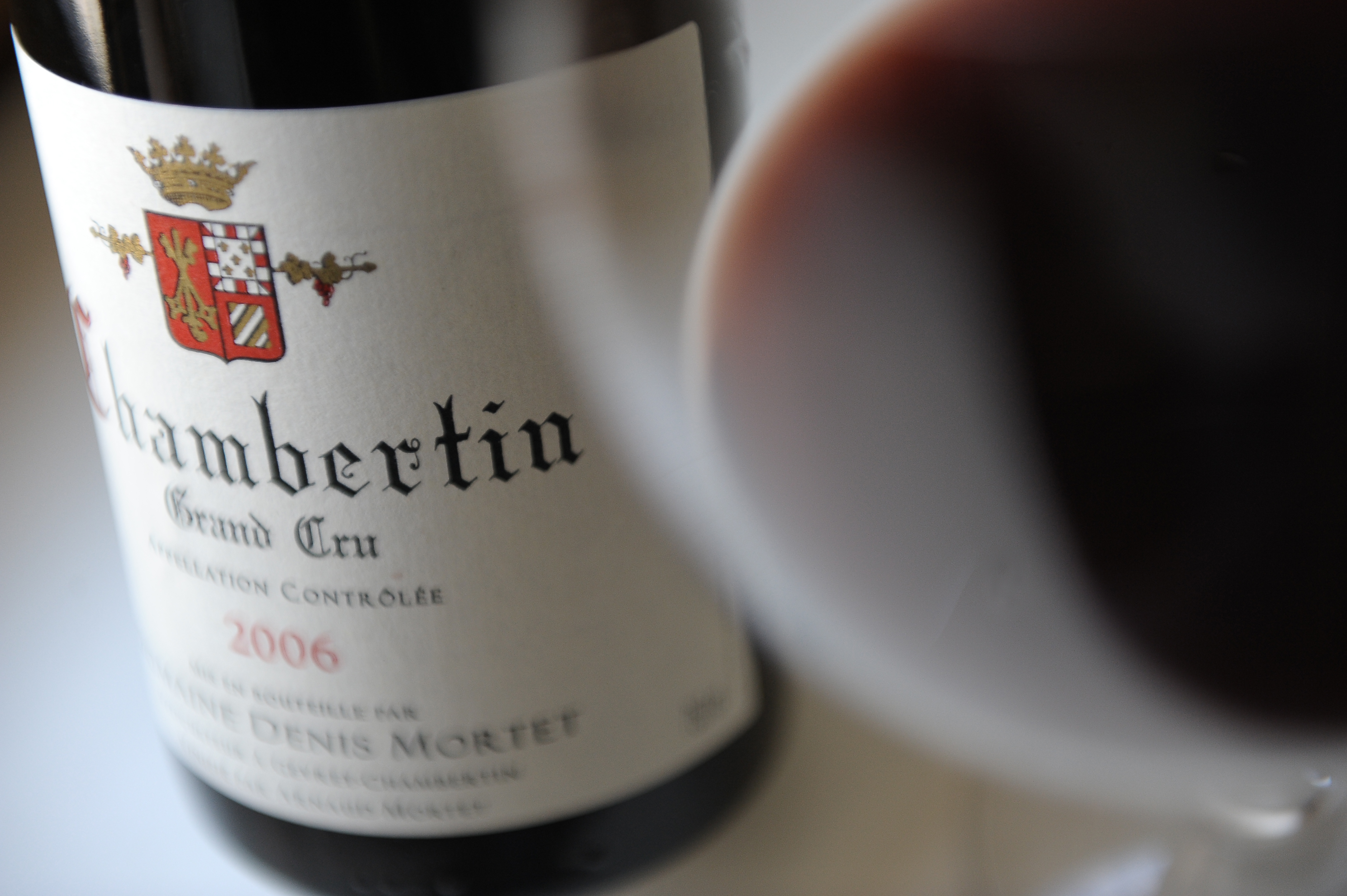
Of course, the reality of those Premier and Grand Cru wines is that they are extremely expensive. A recent Wine Spectator report on top-scoring Red Burgundies included wines like the Joseph Drouhin Musigny 2009 ($594), Jean Grivot Richebourg 2009 ($700), Denis Mortet Chambertin 2008 ($650) and several others in the $300 per bottle range. The same issue of the magazine highlighted affordable Burgundies under $100. Arguments ensue that the great California and Oregon pinot noir are as good quality and, generally a much better value.

However, it’s not always a competition.  Indeed, many of California’s fine pinot noir releases are successfully replicating Burgundies but the terroir is different. Terroir within Burgundy displays diverse soils that produce that minerality, those true citrus or butterscotch flavors in its whites and the deep berry and cherry flavors, the spice and earthiness in the reds.  By opening over $700 of Burgundy wines, the Monopole class allows us to experience, first hand, the bloodlines of those produced by the Cistern monks.

The first wine opened was the 2008 Patrice Rion Bourgogne Blanc ($25), a moderately priced white wine.  The label tells us that the negotiant is Patrice Rion who sourced chardonnay grapes in 2008 from throughout all of Burgundy. With a slight bouquet and lacking depth, there was a nice minerality and a natural lemony flavor throughout the finish.  The 2007 Jaffelin Muersault ($50) from the village of Meursault in the Cote du Beane sub-region, expressed nice stone fruit on the nose, some oak and nut influences with creamy vanilla on the finish.

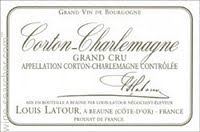
Corton-Charlemagne Grand Cru

The last three white wines were all Grand Cru, priced among the finest California chardonnay, each conveying very distinctive flavors. The 2009 Louis Latour, Puligny-Montrachet ler Cru, “Les Truffieres” ($55)had a nice mineral, earthy quality, with hints of lemon-lime and supple melon throughout a very long finish.  Some of the world’s greatest white wines are made in the Puligny-Montrachet village and many can be aged for up to 10 years, distinct from our chardonnay that is generally consumed within 12 months of release.  Louis Latour is a well-known negotiant that, as many others, produces single-vineyard Grand Cru as well as Bourgogne wines.

Puligny-Montrachet “Les Truffieres”

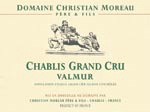
The 2008 Christian Moreau, Chablis Grand Cru, “Valmur” ($50) from the most northerly sub-region also put across a nice minerality, although I preferred the Puligny-Montrachet.  The final white, the 2009 Louis Latour, Corton-Charlemagne Grand Cru ($90) had it all, powerful aromas, a slate-type minerality, citrus and rich butterscotch and vanilla on the finish.  This is an exceptional wine, but I was still drawn to the Puligny-Montrachet for its value.

Of the value-priced reds, my preference was the 2009 Chateau de la Cree, Santanay “Clos de la Confrerie”, a Village wine with darker, earthy characteristics of tobacco and smokiness that will only get better with age.

Domaine Christian Moreau Chablis Grand Cru “Valmur”

The next Premier Cru wines, the 2008 Domaine de Pousse d’Or Volnay ler Cru “Caillerets” ($85) and the 2007 Jean Grivot Vosne-Romanee ler Cru “Les Beaumonts” ($95) were both very floral on the nose and had classic cherry, raspberry flavors with nice intensity and silkiness in the mouth. The pure elegance of pinot noir was thoroughly on display in both.

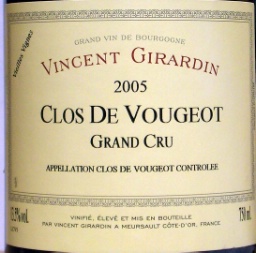
The final listed wine, the 2005 Vincent Girardin Grand Cru “Clos Vougeot” ($150), pronounced “Clo-Vo-Jo” is living proof that Burgundy wines are not about being huge, but elegant.  After a graceful and spicy bouquet, the same traditional flavors became richer which, in

Vincent Girardin Clos de Vougeot Grand Cru

turn, unveiled layers of new essence to the finish, too expensive to own, but lovely to taste.

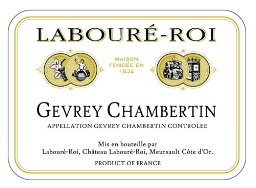
Laboure’-Roi Gevrey-Chambertin

Peter promised a mystery wine at the end of the session that became a 1990 Labroure’-Roi Gevrey-Chambertin, sourced from one of the most prestigious appellations in the Cote d’Or.  This mature Village wine, acquired through a private source, is old enough to drink itself. There was an explicit earthiness from bouquet to finish immersed with ripened berry flavors that did not overpower.  Declared ready to drink, grilled salmon with a Parmesan rub paired quite well with my newly acquired bottle.

The major take away from the tasting was that Burgundy wines are, in fact, distinctive and, with some experience, I may, one day, readily distinguish them from the Sonoma, Monterey and Santa Barbara County pinot noir and chardonnay that I continue to enjoy. For some that may be dissuaded by descriptions of minerality, earthiness, smokey or tannic, the flavors of these Burgundies are neither subtle nor obvious, but as multi-faceted and integrated as the soil will allow them to be.


Finding Santa Ynez Wines

At times overshadowed by the adjacent Santa Rita Hills appellation, the Santa Ynez Valley region provides a plethora of small boutique wineries

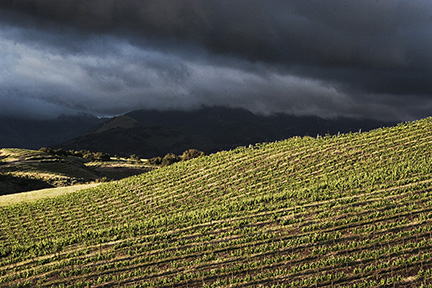
Steep vineyards at Demetria Estate

producing very impressive releases, often under the radar of many consumers.  On a gorgeous March day, I had an opportunity to follow-up with two local winemakers, both creating stunning wines, one making history.

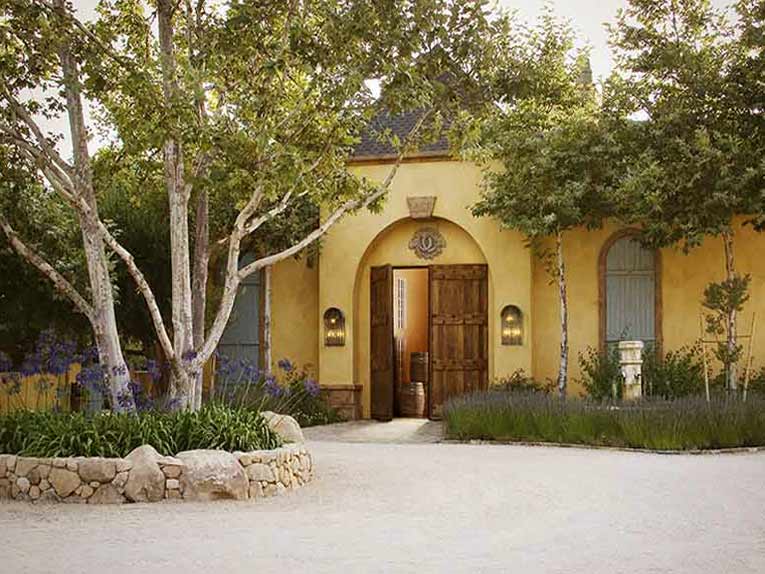
Deep into the valley, miles up Foxen Canyon Road, I come upon a small, discreet sign and electronic gate, the entrance to the entrance of Demetria Winery.  Inside the first gate, holding the code to the second, I began the 3.5-mile trek on a long and winding hilltop road surrounded by steep vineyards and incredible vistas.  Past the second gate, up the road another quarter-mile, we pass the beautiful home of John Zahoudanis, founder/owner and another few hundred yards, we find a classic country French estate winery/tasting room.  My arrival at Demetria, greeted by Alexei Zahoudanis, looking like the young “world’s most interesting man”, was full of anticipation of tasting good wines, including the 2009 Demetria “Eighteen” Chardonnay Reserve, Santa Rita Hills ($45), having tasted the previous vintage last year.

Grown in the westerly Santa Rita Hills appellation, known to produce diverse, micro-climate specific chardonnay, both vintages of the “Eighteen” expressed nice stone fruit, pineapple and floral notes on the nose, emphasizing rich pear and peach flavors that yield some acidity on the finish.  Adding 100% malolactic fermentation and negligible non-native yeast, this bone-dry wine is definitely one to bookmark.

Tasting room at Demetria Estate

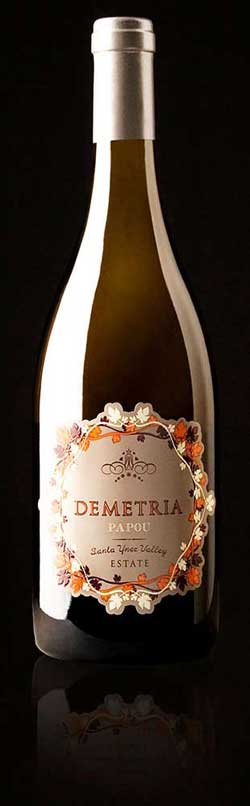
Known for the production of both Burgundian and Rhone-style wines, Alexei suggested a comparison of the 2009 and 2010 Demetria “Cuvee Papou” ($28).  “Papou”, meaning grandpa in Greek, is a Rhone white blend tribute to John’s grandfather that, through various vintages, includes such varietals as marsanne, roussane and grenache blanc grapes.  The distinction in the 2010 vintage is the addition of 35% roussane to the traditional marsanne-grenache blanc blend.  The result is a full feel in the mouth and more expressive orchard fruit flavors, a wine that will pair well with food or just sipping on a nice summer evening.

2007 Demetria “Cuvee Papou”

Speaking of good food wine, the 2009 Demetria Pinot Noir Santa Maria Valley expresses an earthy bouquet with nice acidity and spice in the flavors, a nice addition to a marinated pork roast.  Likewise, the 2009 Demetria Tempranillo ($55), from some of the oldest vines in the valley and spending 24 months in oak, has the deep, layered flavors that will stand up to spicy meats.

Soon, a gentleman looking very much like a Santa Barbara surfer  dude, with a pleasing Australian accent, joined us.  Harry Waye, the winemaker at Demetria, enthusiastically discusses his wines with anyone who will listen.  The passion exhibited by both Alexei and Harry actually made the wine taste  better.  Michael Roth, the original winemaker, is still involved as a consultant.

Saving the best wines for last, Alexei opened a bottle of 2009 Demetria “North Slope” Syrah ($37), a flagship release whose 2008 vintage received a 94-point rating from Wine Advocate.  The “North Slope” adds 5% viognier that is field-planted with the syrah, both biodynamically farmed.  It conveys ripened fruit on the nose and palate with the definitive creamy texture, setting it apart from other wines.  The next wine, the Rhone-style grenache-syrah-mourvedre blend 2009 Demetria “Cuvee Constantine,” flaunted very rich and jammy fruit flavors, notably the result of a late season heat spike, causing some grapes to be over ripened.  the end product is a nicely textured accessible wine that, according to Alexei, is ready to drink.

I am always interested when I see a good California single-varietal grenache, whether from Paso Robles, Calaveras County or points unknown.  the flavors are typically upfront with rich texture.  To my surprise, we ended the tasting experience with the all-grenache 2009 Demetria Rose’, a very nice summer sipping wine that delivers a vibrant acidity and flavors of strawberry and watermelon.  This rose’ could also accompany a light lunch.

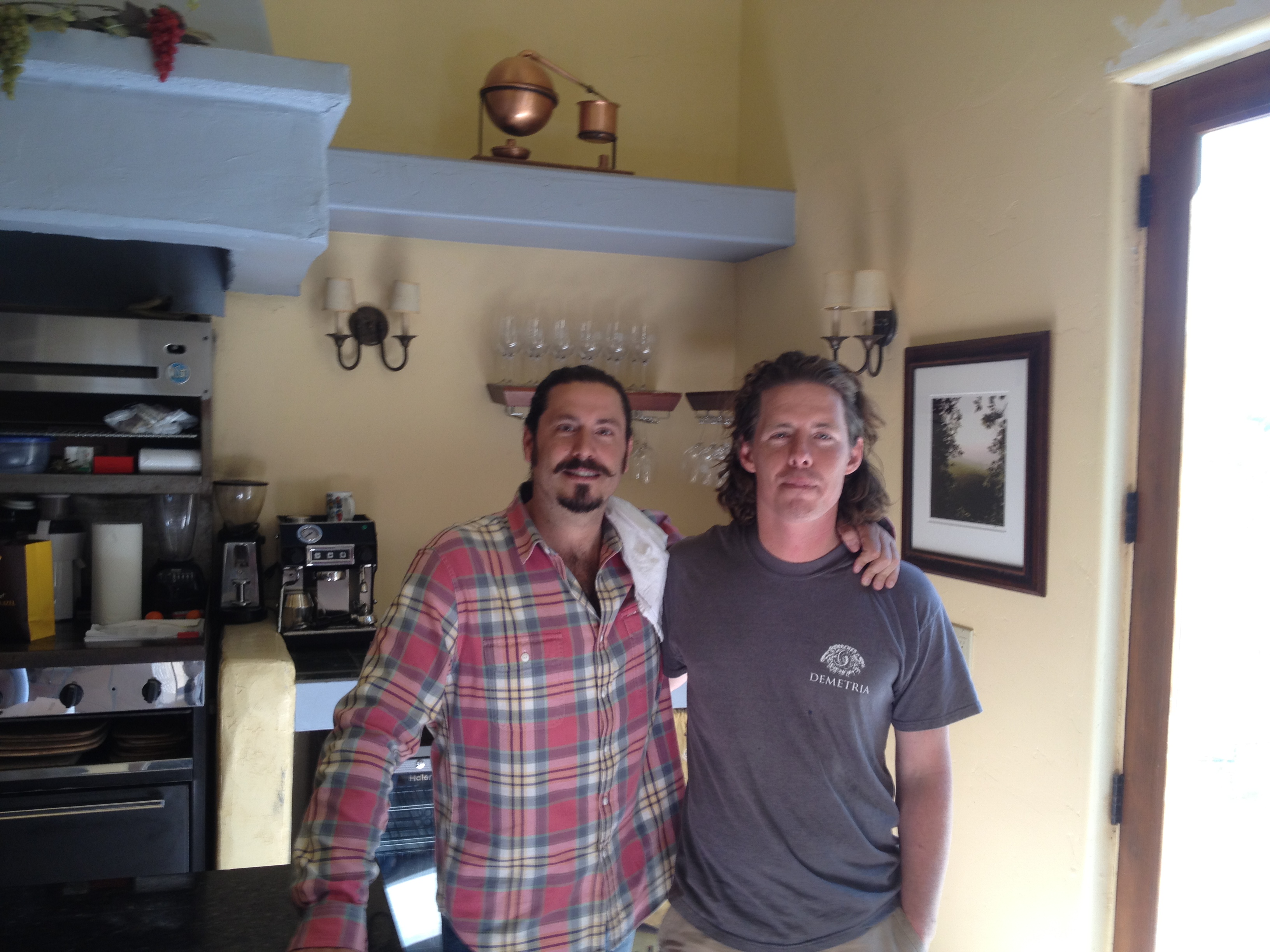
Alexei Zahoudanis and Harry Waye

Although isolated, the Demetria Estate Winery provides aesthetics, great wine and a unique tasting experience, equal to any in the region.  Call ahead before your next visit to the area and give yourselves some time to get up and down the ridge.

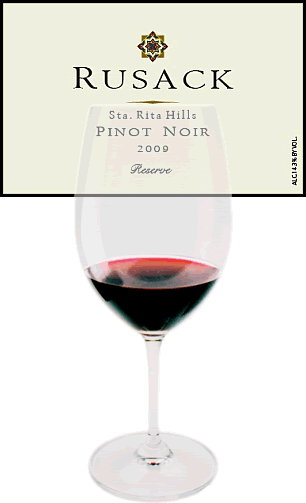
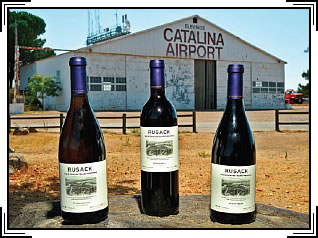
Outside of Solvang, up Ballard Canyon Road, one will find Rusack Vineyards, a small boutique winery that has produced low-yield, handcrafted wines since 1995, mostly under the direction of the husband-wife winemaking team of John and Helen Falcone.  I went to taste the inaugural vintages from their new vineyards on Santa Catalina Island, but took some time to enjoy the 2009 Rusack Reserve Pinot Noir Santa Rita Hills, sourced from the Fiddlestix and Rio VistaVineyards near Santa Rosa Road.  I have become familiar with the soft cinnamon on the nose and palate and the nice long finish that appear after ample decanting.  I was anxious to taste the 2008 Rusack “Anacapa,” a cabernet franc-based Bordeaux blend, to preview the bottle in my cellar.  Remarkable balance and soft flavors await, but both wines will continue to mature with some time in the bottle.

As reported before, Geoff and Alison Wrigley Rusack over the past few years have been engaged in a serious project to establish vineyards on and produce exclusive wines from Santa Catalina Island.  Alison is the great grand-daughter of William Wrigley Jr. who purchased the Santa Catalina Island Co. in 1919 and the family still owns most of the developable land.  The Rusacks in 2007 made use of the old El Rancho Escondido site along the southwestern coastline to plant 4.5 acres of vines:  2.5 in chardonnay, 1.5 in pinot noir and a special half-acre of ancient zinfandel, mined from Santa Cruz Island, part of the Channel Islands.

The vines, remnants from a rustic mission vineyard, were removed and sent to UC Davis for identification.  The lab determined the grapes to be from the zinfandel varietal and, replanted on Catalina, they exclusively make up the 60 cases of the first-harvest 2009 Rusack Santa Catalina Island Vineyards Zinfandel.  Although young and not a big fruit bomb, the wine expressed a nice spice to the flavors with hints of vanilla at the finish.

A nice crispness with some oak influences aptly describes the 2009 Rusack Santa Catalina Island Vineyards Chardonnay (250 cases), partially the result of 50% malolactic fermentation that impacts the full tropical bouquet and complex flavors.

All the grapes were forced to weather a 100-degree heat spike in the fall, putting even more pressure on the extensive, yet delicate harvest process.  The grapes, some battling dehydration and pests, were picked during two early mornings, quickly transported in large bins to the Catalina Airport, loaded and flown to the Santa Ynez airport and unloaded and transported again to the Rusack facility to begin the winemaking process.  You’ve gotta love their

1st Vintage Santa Catalina Island wines

commitment.

The pinot noir grapes, some the last to be transported off the island, seem to have “weathered the storm” quite well.  Following a wonderful, traditional pinot bouquet of spice and black cherry, the 2009 Rusack Santa Catalina Island Vineyard Pinot Noir (125 cases) rewards the palate with cinnamon, vanilla and black cherry through an extended finish.

One can only guess the future of the island label.  The Rusack team, with a history of success, has done extensive research and, barring a consistently unpredictable climate, has the skill to make it happen.  However, there will always be a first vintage.  My other reason to stop by was to pick up a bottle of each varietal, properly packed in a “first harvest” wooden box and quickly transported to my cellar for some maturity.  I know that luck is the result of hard work.


The Diversity of Paso Wines

The incarnation of wines from the Paso Robles region has been, to say the least, captivating to watch.  Some of us remember, decades ago, listening to someone speak of very good zinfandel, later finding just that along with some cabernet sauvignon, chardonnay and a hint of pinot noir.  Pioneer wineries such as Adelaida Cellars, Justin and Tobin James still produce quality zinfandel, but have evolved with the newcomers toward the exploration of Rhone, Bordeaux and Spanish blends, making the Paso Robles wine profile as diverse as any region in the state.

Diversity was evident as we perused the Paso Robles Wine Country Grand Tasting event aboard the yacht, “Majestic”, docked in the Newport Beach harbor. Separated by varietals and blends, the wines were connected through quality.

The Bordeaux’

It is somewhat odd than a region gaining notoriety for producing varietals originating from southern France can comfortably create blends similar to Bordeaux in the northwest.  However, Bon Niche Cellars, located in warmer San Miguel, northeast of town, is a new boutique winery producing 1,200 cases including traditional Bordeaux blends, single varietal and a few unique releases.  Appropriately, we began with the Bon Niche Cellars  “L’Entrée” 2009 (The Entry-$45),a very fruit forward, single varietal Malbec with a nice bouquet.  With the grape’s recent prominence in the regions of South America, we can’t overlook that Malbec’s origins lie among the famous Bordeaux varietals.

Bon Niche Cellars “Fenetres” 2009

Bon Niche Cellars “l’Entree” 2009

The Bon Niche Cellars “Chemin’ 2009 (Path-$50) is a traditional left-bank Bordeaux blend of cabernet sauvignon (40%), malbec (25%), petit verdot (20%), merlot (10%) and cabernet franc (5%), but we tasted the Bon Niche Cellars “Voyage” 2009 ($40) that pairs a Rhone grape, syrah with cabernet sauvignon and enough merlot to enhance the bouquet and lengthen the finish.

Single varietal petit verdot, not commonly found, always gets my upmost attention.  If one can handle the tannins, releases like the Bon Niche Cellars  “Fenetres” Petit Verdot 2009 (“Windows”-$35) deliver rich, creamy texture and layered flavors.  A very nice wine; imagine it after a few hours of decanting because at some point, all windows need to be opened.

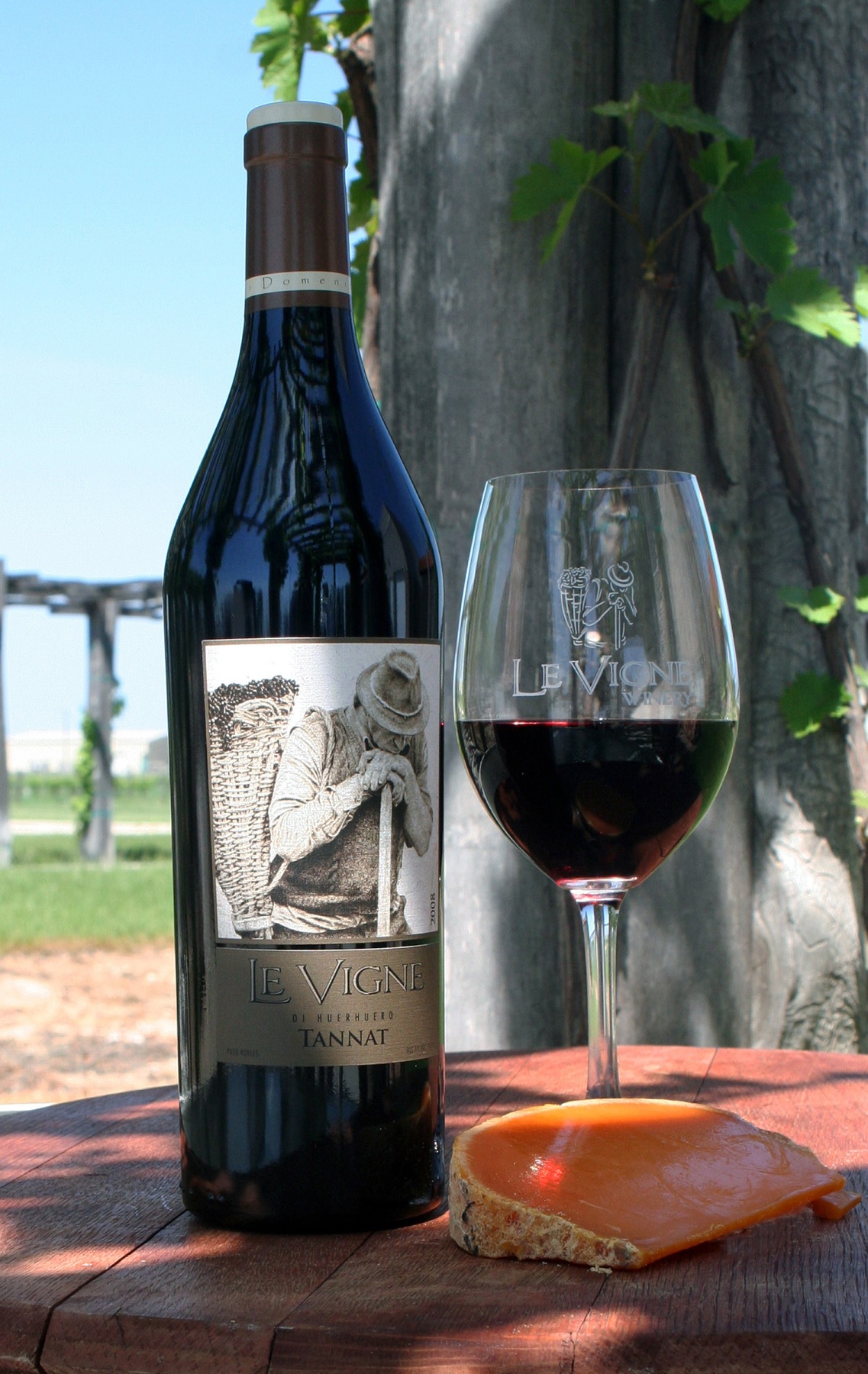
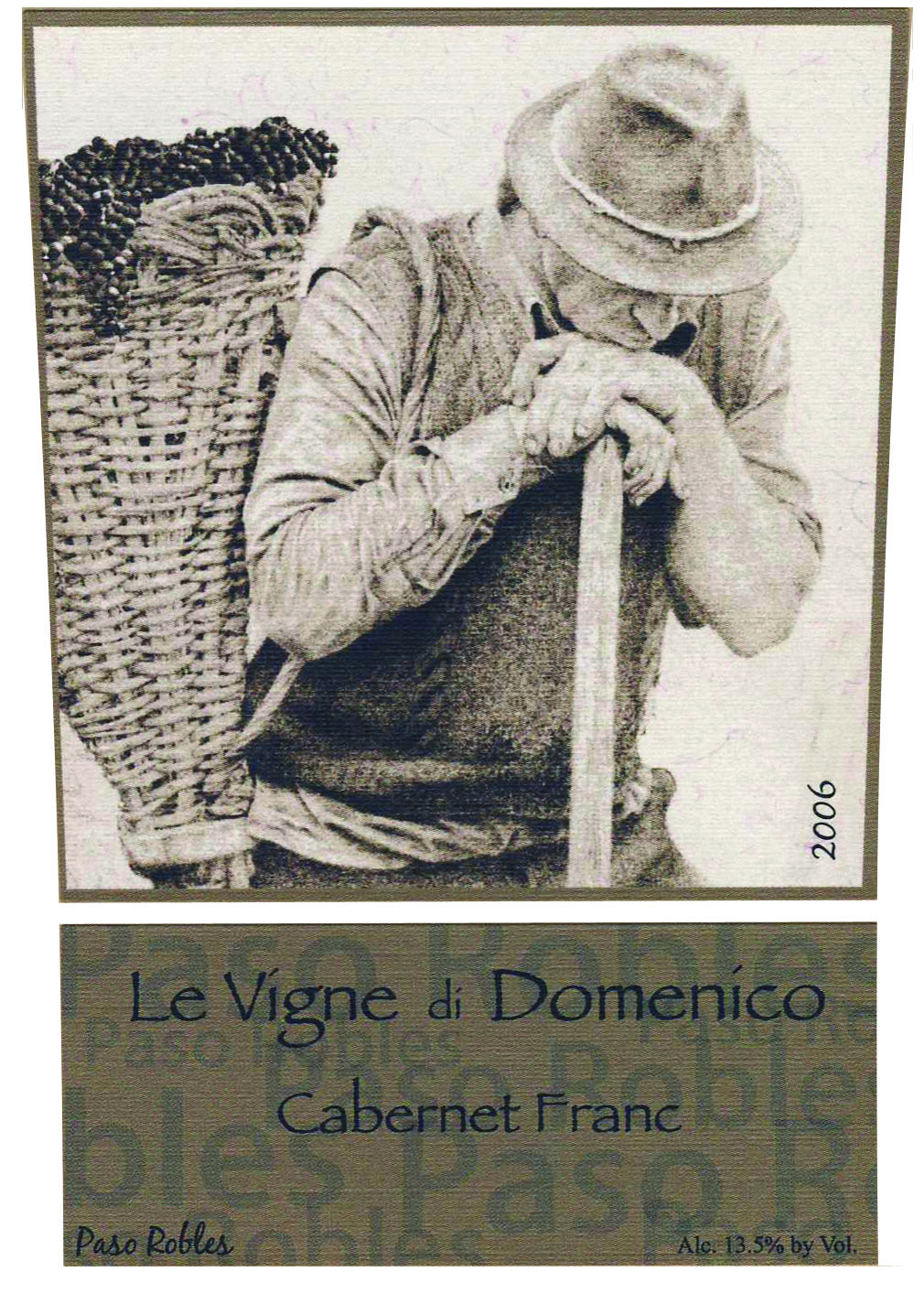
Two single-varietal releases captured my interest, both from Le Vigne Winery, also located in the northeast quadrant.    The Le Vigne di Domenico Cabernet Franc 2006 ($35) and the Le Vigne di Domenico Tannat 2008 ($39)both articulated rich, ripened berry and plum flavors that were upfront from beginning to finish.  Tannat, actually from southwest France, near the Pyrenees’, is often blended with cabernet sauvignon and cabernet franc that soften its strong tannins and welcome the deep color and abundant flavors. Le Vigne demonstrated their range by also pouring “Ame de la Vigne”, one of the best Rhone blends of the day.

2006 Le Vigne Cabernet Franc

THE RHONES

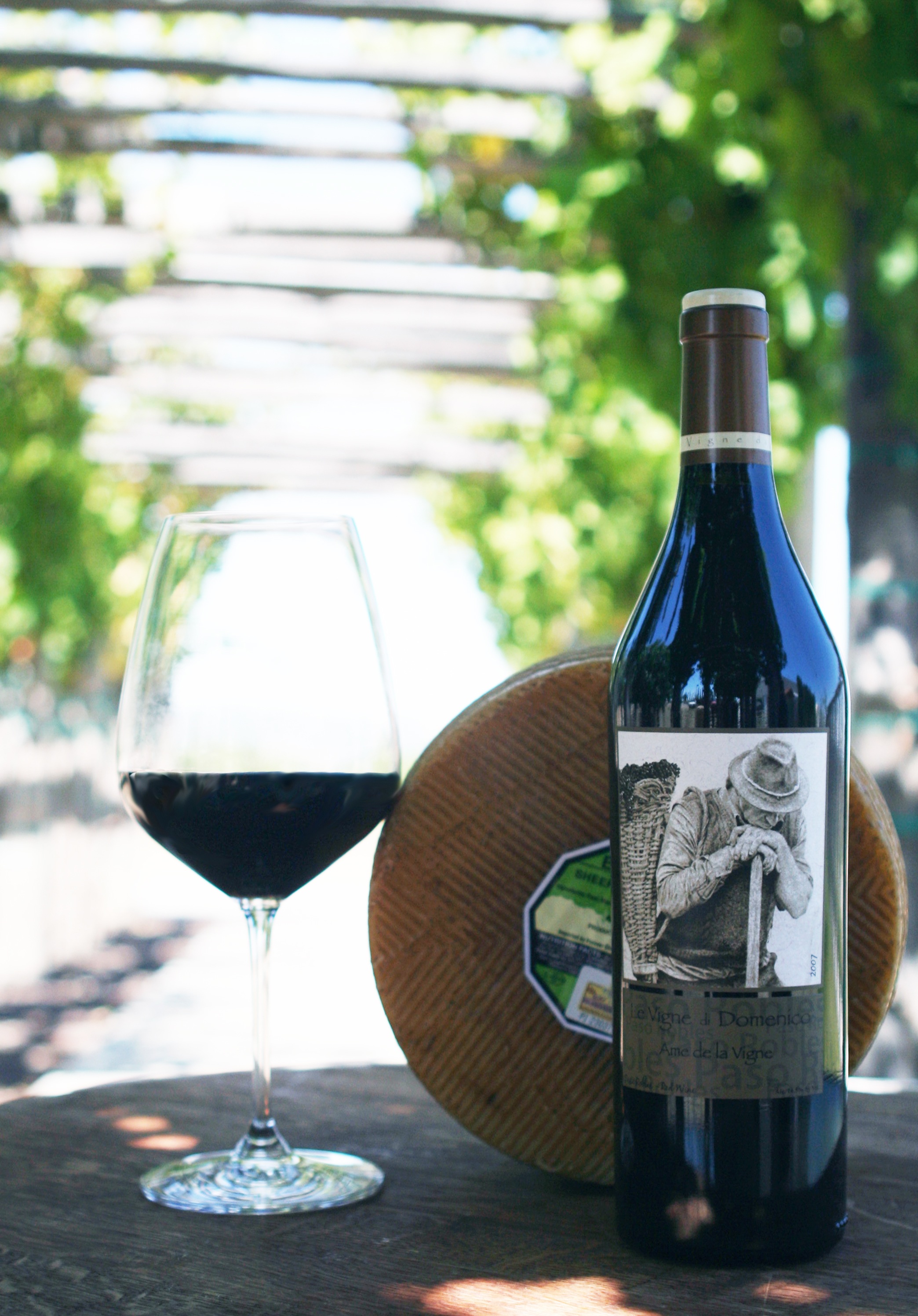
With strong hints of spice on the nose, the Le Vigne di Domenici “Ames de la Vine” 2007 ($39) is an unusual southern Rhone blend that features syrah and petite sirah with hints of the usually dominant Grenache and mourvedre. The rich flavors are more reminiscent of a creamy pie rather than fresh berries. Experimentation with Rhone blends has led to strange bedfellows like zinfandel and cabernet sauvignon merging with traditional grapes. Among the best are those from Tablas Creek Vineyards, the patriarch of Rhone Valley wines in this region.

A mid-eighties partnership between the Perrin family of Chateau de Beaucastel and US importer Robert Haas led to the purchase of the 120-acre vineyards, chosen as similar terrior to the Chateaunef –du-Pape, producer of arguably the best southern Rhone wines.  Today, wines from Tablas Creek Vineyards are well rated and annually designated on many top lists.  With much anticipation of tasting the Tablas Creek Vineyard “Espirit de Beaucastel” 2009 ($55), their flagship award-winning wine, this pouring also featured the Tablas Creek Vineyard “Cotes de Tablas” 2009 ($30), a Grenache dominant blend, awarded 93 pts. by Wine Spectator magazine.  The “Cotes de Tablas” begins with a very fruity bouquet followed by wonderfully balanced flavors with a hint of cinnamon on the finish. The mourverdre based “Espirit de Beaucastel” is a more earthy, spice-driven wine, using grenache and syrah to offer full fruit flavors throughout.

Not to be out done by the reds, Tablas Creek Vineyards releases several white Rhone blends led by another award winner, the Tablas Creek Vineyards “Espirit de Beaucastel” Blanc ($40), a roussane dominant blend with support from Grenache blanc and picpoul blanc, a rare Rhone grape that adds a citric acidity.  In total Tablas Creek produces over 15 single varietal and blended wines, almost all rated above 90 pts and accessible, making it a priority while exploring the nectar of our central coast Rhone Rangers.

Among many fine new wineries present, my personal take-away was Terry Hoage Vineyards, an organically farmed Westside vineyard where Hoage and his wife Jennifer undertake the Rhone-making duties, citing a mentor that caught my attention.  In earlier years, Justin Smith, who arguably produces this nations top Rhone blends at nearby Saxum Vineyards, produced some wines for Terry a decade ago, conveying a minimalist approach to winemaking that the Hoage’s have adopted.
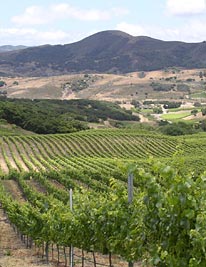
2010 Terry Hoage Vineyards “The Gap” Cuvee Blanc

A very balanced white blend, the 2010 Terry Hoage Vineyards “The Gap” ($38) uses over one-third picpoul blanc to create a tropical “tartness” combined with floral and orchard fruit essence by Grenache blanc and roussanne to create multiple flavors, foreshadowing their profile.   The full-bodied 2009 Terry Hoage “The Hedge” Syrah ($50), a single-varietal northern Rhone style release exhibited smoky, earthy aromas and flavors with hints of chocolate on a long finish, clearly one of the best syrah I have experienced this year.  Similar kudos go to the 2009 Terry Hoage “46” ($50), a syrah-grenache split, scoring a “triple-double” in flavor, texture and balance.

2009 Terry Hoage “The Hedge” Syrah

Partial to Grenache, the 2009 Terry Hoage “The Pick” Grenache Cuvee’ ($50) delivered on all fronts with flavors ranging from white pepper to ripened berries to chocolate on the finish.  Terry Hoage Vineyards was a very pleasant discovery and provides an opportunity to access some top tier Rhone blends, not available from others such as Saxum.

In yet another discovery at the Newport Beach event, Calcareous Vineyard, located on Peachy Canyon Road on the Westside, was pouring 2008 Calcareous Vineyard “Tres Violet” ($38), a syrah-based “GSM” blend, arguably the best of the showcase.  The initial perfumed aromas preview very fruit forward  “violets” with a nice, lingering texture.  Likewise the 2008 Calcareous Vineyard Syrah ($34)exudes very nice floral qualities combining with earthy tones and rich vanilla, to create a full-bodied wine with soft flavor

Calcareous Vineyards “Tres Violet” 2008

THE RIOJA AND DOURO BLENDS

 The international trend continues with the inclusion of Spanish and Portuguese blends, both surging in production and popularity worldwide in the past decade as well as blends, unique among themselves and to the region.

Sourcing her grapes from vineyards throughout the central coast and Napa valley, Dorothy Schuler, winemaker and co-owner of Bodegas Paso Robles specializes in varietals from Spain and Portugal to create some wonderful single and specialty blended wines utilizing the likes of tempranillo, graciano and bastardo from Spain and touriga and tinta cao from Portugal.  Beginning with a white blend boasting 40% malvasia Bianca, one would anticipate the sweetness of a dessert wine.  Contrary to the assumption that Grenache blanc would only heighten the sweetness, it actually enhances the floral, perfume bouquet in the 2009 Bodegas Paso Robles “Donna Blanca” ($18), providing enough crisp dryness to effectively balance the wine.

Next up was the wonderfully complex 2007 Bodegas Paso Robles “Viv Tu” Tempranillo ($26) from the locally renowned French Camp Vineyard.  A pleasantly unusual floral and spice hint in the bouquet and palate followed by anise and black cherry on the finish best defines this good value.

We also compared 2007 and 2008 vintages of their “Vaca Negra”, very different blends with different varietals tied together with an earthy softness.  The 2007 Bodegas Paso Robles “Vaca Negra” ($26) equally combines the spice of tempranillo with the fruitiness of Mouvedre for well-balanced wine with rich texture.  While Mourvedre sealed it’s reputation in southern France, it and Grenache originated in Spain where they are known as Monastrall and Granacha respectively.  The recently released 2008 Bodegas Paso Robles “Vaca Negra” ($26) adds 21% Grenache to the blend creating a soft, rich “fruit bomb”

Unavailable at the tasting, I am intrigued by the 2003 Bodegas Paso Robles “Iberia” ($44), a blend of Spanish and Portuguese grapes pairing tempranillo with rare graciano, touriga and tinta cao, sourced from the Napa Valley. The rioja region in northeast Spain gave us our first introductions to the tempranillo grape and the touriga and tinto cao, used in the world’s great ports, are, as consumers will soon be aware, part of an evolution in new, non-port single varietal and blended wines from Portugal.

Another interesting wine is the 2007 Bodegas Paso Robles “Pimenteiro” ($32), based from the old world port grape, bastardo, known for full fruit flavors and spice, from vineyards in Tres Pinos, south of Hollister in San Benito County.  We would all be hard pressed to find another “bastardo” wine in California, at least in the short-term.

THE OTHERS

Three wineries with fairly eclectic profiles, a local icon, a seasoned veteran and a newcomer, all with a diverse palate, are worthy of mention here. Since 1979, Eberle Winery, a staple among eastside Paso wineries, has produces the best cabernet sauvignon in the entire region.  The 2007 Eberle Winery Estate Cabernet Sauvignon ($34)maintains that status receiving a gold medal from the prestigious San Francisco Chronicle Wine Competition and high recommendations from many periodicals.  Very integrated flavors currants, black

2007 Eberle Cabernet Sauvignon

cherry and mocha throughout.

Before the Cabernet Sauvignon came a taste of the 2010 Eberle Winery Viognier Mill Road Vineyard ($23), a very nice summer wine with beautifully soft integrated flavor and loads of butterscotch and, of course, the 2008 Eberle Winery Zinfandel, Steinbeck and Wine-Bush Vineyards ($26), expressing well-balanced, complex flavors indicative of fine Zinfandel from this area that are drinking well now. Aside from a myriad of fine wines, the winery cave tour is also recommended.

Located in the southeast quadrant near Templeton, Victor Hugo Winery, producing about 5,000 cases annually, has created a varied assortment of wines for over a decade including the 2008 Victor Hugo Estate Petite Sirah ($22), expressing nice pepper, pungent herb aromas and soft, concentrated flavors that linger.  Also recommended is the 2009 Victor Hugo Estate “Opulence” ($28) an unusual cabernet franc dominant Bordeaux blend with diminishing contributions from cabernet sauvignon, petite verdot, malbec and merlot. They definitely created very good, soft-layered flavors that would pair well with hearty meats and pasta.

Sure, “Vines on the MaryCrest” is a catchy name for a new Paso winery, but quality is always subjects to proof.  Born from passion and respect for the land, winemaker Victor Abascal and wife Jennifer’s wines have received accolades from their early vintages.   The 2007 Vines on the MaryCrest “Round Midnight” ($25) caught my attention because it is a syrah-dominant Rhone blends as well as the fact that it bears the name of a favorite jazz classic. Highly spiced bouquet and flavors make this wine a suitable pair with spicy meats.

Receiving multiple awards from the San Francisco Chronicle and other respected wine competitions, the 2009 Vines on the MaryCrest “My Generation” ($27), a unique blend of zinfandel (48%), syrah (29%), mourvedre (12%) and petite sirah (12%), introducing 55-year old zinfandel vines to the Rhone world resulting in highly concentrated, balanced fruit flavors. Giving homage to Victor’s experience as a technical engineer in the music industry, the 2010 Vines on the MaryCrest “Summertime” Rose’, another release bearing the name of a classic tune, is another atypical blend of Grenache, mourvedre, tempranillo and zinfandel, reminding us that rose’ can be complex and layered.
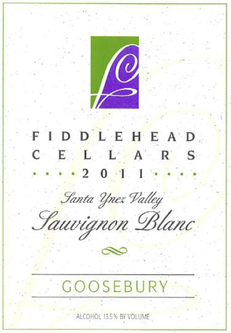
It is difficult to keep up with the sheer number of new wineries that are emerging in the Paso Robles region.  Events like the Paso Robles Wine Country  Grand Tasting in Newport Beach intend to expose new and established wineries to the world.  When many of us predicted tremendous wine growth in the region, we couldn’t imagine the diversity of the terrior and the talent that would invest in it.  The year 2012 is time to branch out from our traditional, comfortable favorites and explore the depths and diversity and a region that continues to expand in size and stature.