Category Archives: Wine

Traditional sparkling wines from the shadows of the Dolomites


We often mistakingly define all Italian sparkling wine as prosecco.  It’s popularity is unmistakable.  Data has shown that nearly one-fifth of all global wine sales in 2017 were prosecco, a 21 percent increase from 2016.

However, prosecco is only one Italian sparkling wine, made from the glera grape and grown exclusively in the Veneto and Friuli-Venezia regions.  The name of the grape was changed from prosecco to glera in 2009 to protect the brand from outsiders.  

Terrific sparkling wines also originate from Lambrusco, Franciacorta, Asti Spumante and Trentodoc, a little known region in the Dolomites that produces sparkling wine using the same grapes and “metodo classico” (traditional method) as those from the Champagne region of France.
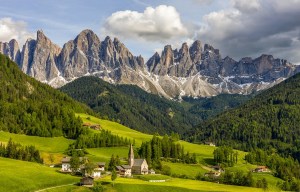
Trentodoc is a series of sparkling wines that actually originates from vineyards near Trento in the Trentino Alta Adige region, north of those where prosecco (glera) is grown.  The Dolomites mountain range serve as a majestic backdrop for many of the vineyards. The names of these wines, Trentodoc, is a combination of the city and the DOC ((Denominazione di origine controllata), a designation that instills strict requirements designed to protect the integrity of the region.

The Trentino region is the second largest producer of Italian sparkling wines that espouse the Champagne method (méthode champenoise) of allowing the second fermentation to occur in each bottle, when sugar and yeast is added to the wine (tirage), before the bottles are temporarily capped.  The interaction of the sugar and yeast culminates in carbon dioxide being trapped in the bottle.

Trentodoc sparkling wines are also made from many of the same grapes used in wines from Champagne.  Aside from “metodo classico,” the DOC regulations restrict the varietals to chardonnay, pinot noir, pinot meunier and pinot blanc, requiring that the vines are grown in pergola (canopy) style and that irrigation be used only in emergency situations.

All non-vintage Trentodoc wines must rest on their less for a minimum of 15 months, 24 months for vintage and 36 months to be called riserva.

Little known in the United States, Trentodoc sparkling wines have a personality that is not “bone dry” nor overly sweet.  Their bouquet is floral and somewhat delicate and the flavors are rounder and richer than most.  Another reason for the heightened awareness is their availability and cost, mostly within the $20-$35 range.

With warm daily breezes and cool evening winds, vines in the upper Cembra Valley, within shadows of the Dolomites, enjoy great terroir for the chardonnay grapes used in the 2010 Cesarini Sforza Riserva 1673 ($30).  The juice rests on its lees for a minimum of 60 months which adds to its delicate, rich texture that exceeds other sparkling wines at a similar price.

Founded in 1902, Ferrari Trento is one of the largest and oldest producers of several sparkling wine using the traditional method.  In 2017, they were awarded the title of “Sparkling Wine Producer of the Year” at the Champagne and Sparkling Wine World Championships

Grown at high mountain altitudes, a blend of pinot nero and chardonnay grapes, vinified as a rose’, comprised the non-vintage Ferrari Rose’ ($27), a beautiful light wine, but with deeper color than most.  Of all the Trentodoc wines that I tasted, this had the most complex and elegant nose and flavor profile with fresh hints of currants and berries

Certified organic, Maso Martis Trentodoc produces several releases including the non-vintage Maso Martis Brut Trentodoc ($40), made for chardonnay (70%) and pinot noir ($30) grapes. The aromas are floral and fruity while the flavors are full, but delicate.  I found
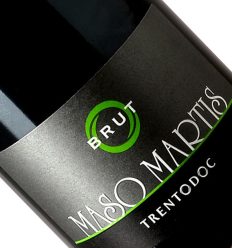
Maso Martis Brut Trentodoc

the wine to be food friendly, having paired it with pesto-crusted orange roughy. 

From 100% chardonnay vines high above sea level in the hills above Trento, the 2014 Altemasi Millesimato Trentodoc ($30) is a vegan, gluten free wine that goes through weekly battonage during the first fermentation, before tirage.  Battonage is the process of stirring the lees (dead yeast) into the juice, adding a softer, rich texture.  During the second fermentation, this wine is aged on its lees (not stirred) for 36 months.

The Altemasi Millesimato is dry, but fruity with well-integrated aromas and flavors of citrus and peach.  It is a perfect pair with scallops.

Trentodoc sparkling wines are the best option for those with a desire to explore beyond prosecco or simply seeking a flavorful, reasonably priced sparkler for the next occasion.
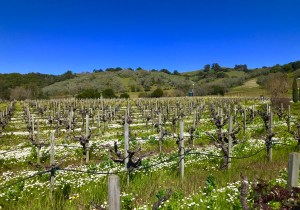

The Limerick Lane Cellars story is one of stewardship


Jake Bilbro is only the third owner in Limerick Lane Cellars’ 106-year history.  After the 2012 Limerick Lane Zinfandel Russian River Valley (94-pt/$32) was named the #12 wine among Wine Spectator magazine’s Top 100 Wines of 2015, the winery, under his direction, has become synonymous, vintage to vintage, with extraordinary zinfandel and syrah blends. 

The history of Limerick Lane is defined by people who believed in its potential and became stewards of the land that sits in a small

Limerick Lane Estate Vineyard

unique microclimate, south of the town of Healdsburg.

The Del Fava family were the original owners and planted the first vineyards in 1910. They farmed and managed the vines for over sixty years before selling, in the mid-1970s, to the Collins brothers, Michael and Tom.

For the next thirty-five years, they assumed stewardship of the property, adding new vineyards and investing in the existing ones.  In 2009, determined to not let the land fall into uncaring corporate hands, Collins sought out a new caretaker and found Jake, who was raised among his family’s vineyards.  His father, Chris, started Marietta Cellars in 1978.

The Limerick Lane Estate totals thirty acres of vines, separated into fourteen blocks, extending from the hillside vineyard due west of the winery to the Chalk Hill appellation that begins a few hundred yards to the east.

These old vines that produce high quality fruit are planted to southern and eastern exposure in soil that has layers of clay and rock.  

Winery and tasting room

During the growing season, the nights are still cold in this part of the Russian River Valley appellation and the vines sit within the fogline. While the cold and fog preserves that vibrant acidity in the wines, the consistently warm afternoons add a restrained intensity to the flavors. 

I appreciate that the vines are field blended, with zinfandel planted side by side with old world varietals like mourvedre, syrah, alicante bouschet and petite sirah. They are together from the first budding, through fermentation, barrel and bottle aging and on the palate

Starting with the 2011 vintage, Jake, his wife Alexa and brother Scott have taken Limerick Lane to a higher level.  Since the 2015 Wine Spectator recognition of their 2012 zinfandel, they have produced, with each vintage, about 4,000 cases of critically acclaimed  blends.

Host Andy Tester guided me through some of Limerick Lanes’s current releases and library wines beginning with the 2018 Rosé ($28), a purposeful blend of three traditional Rhone varietals:  syrah, grenache and mourvedre  Recently bottled, it is still tight but expressing floral notes in the bouquet, flavors that were both austere and fully present with a mineral element on the finish. Highly recommended

2018 Limerick Lane Rose’

In 2011, the stress of dealing simultaneously with a closing escrow, an overwhelming harvest and a broken destemmer resulted in Bilbro throwing caution to the wind with a new blend, a Hail Mary if you will.  As with earlier vintages, I was drawn to the rich texture and soft mouthful of the 2015 Hail Mary ($60), a luscious blend of 98% syrah and 2% grenache, from Limerick Lanes’ Rhone program. 

A descendant of the renown 2012 vintage, the flagship 2016 Estate Zinfandel Russian River Valley ($42), awarded 93-pts by Wine Spectator, is actually a field blend of zinfandel, peloursin, négrette, syrah, petite sirah and carignan.  Acid driven and opulent, this vintage seamlessly adds spice and mineral notes to balance the dark berry flavors.

The 2014 1910 Block Zinfandel ($68) pays homage to the first planting and is yet another wine that is field blended, harvested together and co-fermented. This vintage is robust and concentrated, layered with the flavors of stone fruits, blueberries and spice.

The zinfandel grape seems to strive when stressed in poor, rocky soil and the 2014 Rocky Knoll Zinfandel ($60), at the fogline, survives the worst soil and develops the smallest clusters.  The lush zinfandel is blended with mourvedre and petite sirah, giving it solid structure.

The varietals can vary each vintage with their cuvee, determined only by the most compelling fruit. The 2016 1023 Zinfandel ($72) boasting many ratings in the mid-nineties, blends 52% zinfandel, 45% syrah and 3% grenache to achieve concerted rich berry flavors and herbal notes throughout a long, soft finish. 

Limerick Lane wines are primarily distributed through a direct allocation list that can be accessed on their website.


Pinot noir comes of age as a pink wine


While it is now something we enjoy year-round, good rose’ is still associated with the arrival of Spring.  In recent years, many of its stereotypes have been put aside as rose’ has become more of a pink designer wine and not an afterthought use for the remaining, less desirable juice.

Statistics show that women drink more rose’ but the gender pendulum is shifting as the complex flavors casts an image that is less threatening to men.  Many are adopting a “real men drink pink” attitude. 

Although rose’ has its own identity, it reflects the characteristics of the grape varietals used.  While pinot noir is one of my favorite

2018 Gran Moraine Rose’ of Pinot Noir Yamhill-Carlton, 2018 Copain Tous Ensemble Rose’ of Pinot Noir, 2018 La Crema Pinot Noir Rose’

wines, it has taken some time for me to warm up to rose’ of pinot noir, especially when it is too dry and the acidity overpowers the true flavors and aromas. 

The pinot noir grape is thin-skinned and temperamental, but proper care before and after harvest can result in unmatched finesse and elegance.  In rose’, pinot noir is crisp and dry with a firm acidity, but with time I have found releases that also express a true flavor profile of the grape with limited skin contact.

One such wine, the readily available 2018 La Crema Pinot Noir Rose’ ($25) from Monterey County expresses balanced flavors of watermelon, strawberry and grapefruit with mineral elements and a vibrant acidity.

Aside from the brief maceration (contact with the skins), most rose’ of pinot noir come from grapes that are generally picked early, then slow-pressed and cold fermented in stainless steel tanks.  Some are pressed whole-cluster and others fermented on the lees.  Old stereotypes are diminished by this new diversity in style.

Most of the finest rose’ of pinot noir comes from the same appellations in California, Oregon and France’s Burgundy region that produces pinot noir.  Two acclaimed exceptions originate from South America and the Pfalz region in Germany.

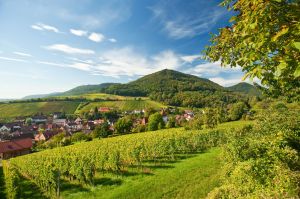
Vineyards in the Pfalz region of Germany

Rising temperatures have enabled Pfalz a region in western Germany to successfully produce spätburgunder (pinot noir), known as the “heartbreak grape” because of its delicate temperament. Founded in 1849, Reichsrat von Buhl is one of the oldest and largest wine estates in Germany, specializing in Riesling, sekt (sparkling wine) and now, spätburgunder.  The 2016 Reichsrat von Buhl “Bone Dry” Spätburgunder Rosé Pfalz($17), available online and at various local outlets, has distinguished, subtle cherry aromas and spice on the palate.

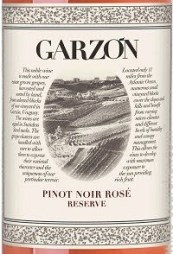
Well-balance with intense aromas define the Bodega Garzon Uruguay Reserve Pinot Noir Rose 2018 ($18) from South America’s fourth largest wine region. While awarding this pink wine 91-points, James Suckling described “Rose petals, watermelon, strawberries
Bodega Garzon Uruguay Reserve Pinot Noir Rose’ 2018

and cream.  Bright and fresh on the palate with razor-sharp acidity and a fresh finish.”

Made from a variety of estate-grown fruit in Burgundy, France, the 2005 Bourgogne Pinot Noir Rosé, Chateau de Puligny Montrachet ($17)is a good value, available locally, and provides an opportunity to enjoy a true wine from the region that gave birth to pinot noir.

Warmer temperatures in Oregon’s Willamette Valley allowed the grapes to fully ripen, resulting in a nice balance of brix (sugar) and acidity in the whole-cluster pressed 2018 Gran Moraine Rose’ of Pinot Noir Yamhill-Carlton ($28). Very pale salmon in color with floral and pineapple aromas, the flavors are well-integrated and the mouthfeel is both dry and creamy.

The Tous Ensemble is a series of approachable, everyday releases from Sonoma County’s Copain Wines.  A cooler growing season in Mendocino County to the north allowed the harvest to occur over a time, resulting in a diversity of ripeness and flavor development in the 2018 Copain Tous Ensemble Rose’ of Pinot Noir

($20). I found a vibrant nose combining floral notes with hints of grapefruit.  The crisp, dry mouthfeel delivered flavors of melon and cherry with a spice element on the finish.

Eugenia Rose’ of Pinot Noir “The Motley” 2018 from Ernest Vineyards

Utilizing fruit from five vineyards within the cooler Sonoma Coast appellation, Ernest Vineyards produced the Rose’ of Pinot Noir 2018 “The Motley” ($18) in the saignée method that, after limited skin contact, “bleeds off” some juice before the rest goes through complete maceration and fermentation.  Released under their Eugenia label, this rose’ has herbal notes that go with traditional flavors and a vibrant acidity.
When the rain stops and the sun emerges, rose’ of pinot noir belongs on your patio table aside those made from Rhone varietals like syrah and grenache.  


Paso Robles is ripe with good quality sauvignon


The Paso Robles wine region was built on zinfandel and, in the last decade, has secured it standing as one of the world’s premier producers of Rhone-style blends with the likes of Saxum, TH Cellars, Denner, Tablas Creek and others.

However, somewhat overshadowed is the production of fine, reasonably priced cabernet sauvignon has been engrained in the region since the 1970s when Dr. Stanley Hoffman first planted the varietal in the Adelaida Hills, west of town. 

Similar to appellations in Napa Valley and northern Sonoma County’s Alexander Valley, Paso Robles experiences major temperature shifts most days of up to fifty degrees.  During the growing season, hot days and nights cooled by the Pacific Ocean provides the ideal terroir for fruit-forward Bordeaux-style wines, succulent with typically softer tannins than their northern neighbors.
Good quality cabernet sauvignon releases from Paso Robles are available within a broad cost range.  I recently tasted the 2016 Four Vines “The Kinker” Cabernet Sauvignon Paso Robles ($20), sourced from east side vineyards and found full-bodied flavors of

2016 Four Vines “The Kinker” Cabernet Sauvignon

ripened fruit and spice with a spirited finish indicative of a more expensive wine.

Gary Eberle is considered a pioneer in the Paso Robles wine region.  After college football and some advanced science degrees, he landed in Paso Robles in the late-1970s with a mindset to produce cabernet sauvignon. Settling on sixty-four acres in the east side, he released his first cabernet sauvignon in 1979 and continues through today, along with syrah, zinfandel and various Rhone varietals, to produce fine cabs that exceed expectations associated with the price.

The Eberle 2016 Cabernet Sauvignon ‘Vineyard Selection’ ($25) consists of 100% cabernet sauvignon sourced from multiple vineyards within the Paso Robles AVA (American Viticultural Area). The juice is blended before eighteen months barrel aging so the nuances of each are well-integrated with rich flavors and mouthfeel.

The Eberle 2016 Estate Cabernet Sauvignon ($45), as with earlier vintages, is an elegant wine that remains one of the best of the varietal in the $50 range.  Great stock and twenty-two month aging in 30% new French oak results in complex, layered flavors of dark fruit, herbs and spice.

The Hoffman Mountain Ranch vineyard, set at 2,200 feet elevation, is where it all started after winemaking icon André Tchelistcheff convinced Dr. Hoffman that the Adelaida Hills site was “a jewel of ecological elements” destined to produce great Bordeaux varietals.

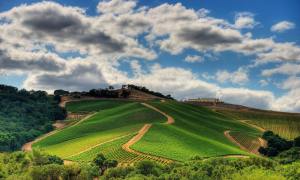
Daou Estate Vineyard

Today, the Daou brothers, Georges and Daniel, are stewards of the historic land intent on sustaining its legacy.  Amid production of Bordeaux, Rhone Valley and Burgundian-style wines is the highly rated and elegantly described 2016 Daou Paso Robles Cabernet Sauvignon ($85).  Of note, I have found the 2017 vintage of this wine, with equally high ratings, at K&L Wines in San Francisco under $25.

Ever since the 1997 Justin “Isosceles” was served with lemon garlic-crusted lamb by the Clintons at a White House event hosting the King of Morocco, the full-bodied cabernet sauvignon-dominant Bordeaux blend has maintained consistently high acclaim.  The 2016 Justin “Isosceles” ($76) showcases the high regional fruit-driven standard with herb and spice notes.  

The 2016 Justin Cabernet Sauvignon ($27) and Reserve Cabernet Sauvignon ($58) are two fine wines that originate from local

Eberle Estate Vineyard Cabernet Sauvignon

limestone-laden soil and, once again, have a high quality/cost ratio.

The Just Inn, located in the Justin Estate vineyards offers a few stylish rooms that can accommodate from two to ten guests who can also enjoy brunch, lunch and wine-paired dinners at the on-site Restaurant at Justin. I spent an anniversary there years ago and loved it.

Among a large palate of wines produced by Adelaida Cellars winemaker Jeremy Weintrab, each vintage of his Viking Estate Vineyard Signature Cabernet Sauvignon ($90-100) stands among the best in the entire region.

When discussing good value cabernet sauvignon, the Le P’tit Paysan 2016 Cabernet Sauvignon Central Coast, with small amounts of petit verdot added, deserves a mention, boasting ratings in the nineties and available for under $20.

Le P’tit Paysan Cabernet Sauvignon

Despite that cabernet sauvignon from Napa Valley and north Sonoma County is world-class, the Paso Robles region tenders extraordinary releases, many at a lower fare. Known for zinfandel and Rhone-style blends, lovers of Bordeaux wines will also be impressed with what’s available there.


Cartograph Wines map a path to your palate

Serena Lourie and Alan Baker


Serena Lourie and Alan Baker had interesting backstories before 2009, when they became partners in Cartograph Wines and, more recently, partners in life.

Serena grew up in a bicultural household, splitting time between France and the US, with college and the beginning of her career in the Washington DC area.  Her calling as a mental health professional led her to San Francisco where she later worked in the tech industry while developing a passion for wine.

In 2005, Alan left a successful public broadcasting career in St. Paul and came to San Francisco to learn the wine business from bottom to top.  He met Serena at the start-up urban winery, Crushpad in San Francisco where he was a person of many tasks and launched his first commercial brand, Cellar Rat Cellars, that featured pinot noir.

In 2009, the map of their lives made a stop in Healdsburg and they began the process of creating Cartograph Wines, currently producing about 2,300 cases with a business plan that takes it to a comfortable 5,000-5,500 per year. 

Cartograph Wines in Healdsburg

While continuing to source from established vineyards in the region, Cartograph recently purchased their estate vineyard in Cotati near the Petaluma Gap in the southern Russian River Valley appellation and are now releasing the first vintages from that site.

The Cartograph Estate Vineyard falls within the Russian River Valley Neighborhood Initiative, a project that will explore the vast diversity within the prodigious appellation to determine if the distinctions between the various microclimates are worthy of official designation.

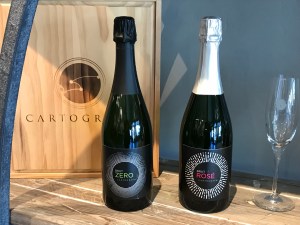
Cartograph Wines modern tasting room on Main Street in Healdsburg literally shares a wall with Valette, one of the finest restaurants in town.  Starting at Cartograph, we began with a glass of 2013 Cartograph Brut Zero ($68), their first sparkling wine.  Self-described “acid freaks,” Alan and Serena like their wines bone dry and this crisp sparkler has no additions or dosage(the addition of sugar before

2013 Cartograph Bret Zero and Brut Rose’

corking).

We then moved next door and assembled around a large, beautifully set table in Valette Healdsburg to pair new Cartograph releases with dishes curated by Chef Dustin Valette. 

Valette, the restaurant and the person were raised in Healdsburg and enjoy showcasing local farmers and winemakers through a variety of collaborative efforts. Today, he was challenged with creating perfect food pairings with six new Cartograph releases. 

The first course paired the 2018 Cartograph Rose’ of Pinot Noir and Hawaiian Ahi Poke’ with partially roasted strawberries and young estate onions, garnished with dried strawberry chips, borrowed from Dustin’s daughter snack drawer.

The crisp, dry pink wine, from the estate vineyard and aged in 100% stainless steel, was the right choice for the melded flavor profile of the visually stunning poke’.

Hawaiian Poke with Mi Cuit Strawberries, estate onions and strawberry chips by Chef Dustin Valette

The next course matched two Cartograph dry whites, the 2017 Starscape Vineyard Gewürztraminer ($26) and the 2016 Green Ranch Riesling ($29) from the Mendocino Ridge appellation with a Diver Scallop & American Caviar Duo featuring one seared with passion fruit and fennel and another formed into a “ravioli” with pickled watermelon rind and seaweed.

Cooler vineyards tend to make dry fruit and these wines are fermented in Alsace yeast with no malolactic fermentation (higher acid) and controlled brix (sugar) of 22.5%.

The third course featured two new red Cartograph releases, the 2016 Estate Vineyard Pinot Noir($68) and 2016 Starscape Vineyard ($54)Pinot Noir, paired with a Liberty Farms Duck Confit “Candy Bar,” a coriander crusted breast with toasted oats and Goji berries, full and in a purée.

While both wines had luscious mouthfeel, the 2016 Estate Vineyard exuded intense but elegant aromas balanced by more subtle savory flavors that lingered.

The pairing concluded with the 2013 Brut Rose ($68), their other sparkling wine served with roasted quince jam, toasted brioche and salted brown butter ice cream. Dustin called the dish “Bread, Butter and Jam” and I renamed it “Heaven of Earth.”

Similar to the Brut Zero, the Brut Rose’ is made from chardonnay, but some pinot noir and dosage (sugar)is added at gorging to give it an arresting floral quality.

For Alan, it was a 1998 Alsace Riesling in Wisconsin, for Serena, a Shafer Napa Valley Cabernet in Washington DC and for Dustin it was a love for bountiful Sonoma County.  A confluence of journeys that were fueled by guts, passion and a desire to share their gifts. Fortunately, they landed in Healdsburg.


Tasting wines from Bordeaux’s Two Banks


I recently had the opportunity to attend the Tour des Deux Rives (Two Banks) tasting event held at Wine and Wall in San Francisco that showcased imports from the Bordeaux region.

Bordeaux, in southwest France, is home to centuries old vineyards that create some of the world’s most iconic wines. The Garonne and Dordogne Rivers merge north of the city of Bordeaux to form a broad estuary known as the Gironde that flows to the Atlantic Ocean.

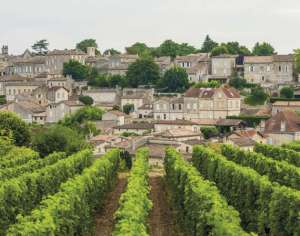
Vineyards in St. Emilion

  Strewn along both banks of the Gironde, regions like St. Estephe, Pauillac, Sauternes, St. Emilion and others are known for producing extraordinary cabernet sauvignon, merlot, cabernet franc, petit verdot and other grape varietals that contribute to the prodigious Bordeaux blends. 

Bordeaux wines originating from Rive Gauche, or Left Bank of the Gironde are cabernet sauvignon-dominant and those from Rive Droite, or Right Bank, are merlot-dominant.  One might say that Bordeaux is the Napa Valley of France except that they started making wine hundreds of years earlier. 

There were nearly twenty different Bordeaux blends poured at the event which was a bit overwhelming.  However, a few wines stood out.

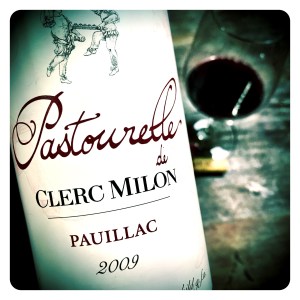
Pastourelle Clerc Milon Pauillac 2009

From the Pauillac appellation on the left bank, north of Bordeaux, the Pastourelle de Clerc Milon 2009 is a blend of cabernet sauvignon, merlot, cabernet franc, petit verdot and carmenere.  After expressing herbal aromas, the flavors were rich and concentrated with peppery notes, soft tannins and a lingering finish.


Baron Philippe de Rothschild acquired Chateau Clerc Milon in 2011 and oversees all production.

Baron Nathaniel de Rothschild purchased Chateau Brane-Mouton in 1853 and renamed the estate Chateau Mouton Rothschild.  The Chateau Mouton Rothschild 2010, a cabernet sauvignon-dominant blend with merlot, cabernet franc and petit verdot is a true first growth Premier Grand Cru Classe release.  Since 1945, the estate has commissioned artists to create original artwork for each label.  The 2010 vintage label art was created by Jeff Koons who is known for his inflatable stainless steel rabbits and Puppy, the flower-covered sitting dog sculpture outside of the Guggenheim Museum in Bilbao, Spain.

This Premiere Grand Cru Classe Bordeaux blend with label art by an international artist is not cheap. On some sites, the price for this wine exceeds one thousand dollars.

In a quality ranking system of first to fifth, second-growth refers to the second level of the grapes importance. Described as a “first class second-growth,” the Reserve de la Comtesse 2011 from Chateau Pichon Lalande is primarily a merlot and cabernet sauvignon blend that comes from the same terroir as the Grand Vin release.  Full flavored and perfectly balanced, this wine is a good value at $35.

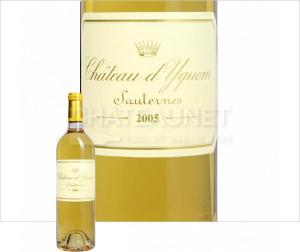
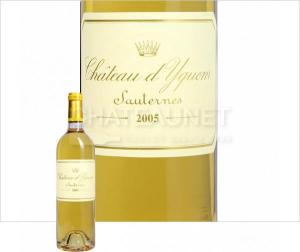
Located south of Bordeaux, the terroir in Sauternes, along with Botrytis Cinerea, the “noble rot,” produce the world’s greatest and most expensive dessert wines.  Beginning in 1593, no one has done it better, vintage to vintage than Chateau d’Yquem.  The Chateau d’Yquem 2005, a Premier Cru Superieur blend of  semillon (75%) and sauvignon blanc (25%) is a treat to the senses with fresh vanilla

Chateau d’Yquem 2005

aromas and rich flavors of crème brûlée and gingerbread.  

The 2005 vintage received rating in the range of 98-100 points by three major periodicals which helps justify its price of nearly $700 per bottle.

The Chateau Certan de May has produced wine on Pomerol’s prestigious plateau since its beginnings as an appellation.  With 65% merlot and added cabernet franc and cabernet sauvignon, the Chateau Certan de May 2011 expressed earth on the nose with rich, complex flavors of plum, currants and coffee throughout the finish

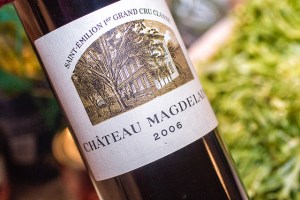
In 2016, we visited the stately grounds of Chateau Magdelaine, just outside the walls of St Emilion village. The nearly 30 acres of vineyards were meticulously maintained and the production buildings had undergone significant renovation.  Heavily limestone-laden soils produced the merlot-dominant Chateau Magdelaine 2006 which was lush and layered

Chateau Magdelaine 2006

with balanced dark berry flavors that expressed the unique terroir of the appellation.

Blends from the Bordeaux region, both current and futures, are readily available on-line or in fine Bay Area wine shops.  Whether preferring left or right bank wines, I recommended some research on the history of the producing Chateau, its appellation and classification.  While Premiere Grand Cru is extraordinary, better values can be found among second and third growth Bordeaux wines.


Pairing wines with legendary olive oil born of tragedy


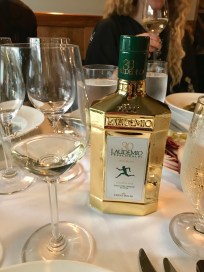
Last week in San Francisco, a small group assembled for lunch at Perbacco Ristorante and Bar on California Street, between Front and Battery, to celebrate the 30th harvest of Laudemio Frescobaldi, one of the world’s finest olive oils.

2018 Laudemio Frescobaldi

Italian cuisine, fine wines from Frescobaldi’s Tuscan estates and olive oil were featured throughout, including dessert.  Post holiday dieting was temporarily overridden by the temptation of Chocolate Gelato with sea salt, served in olive oil, something worthy of an interruption.

The Frescobaldi family began producing Tuscan olive oil and wines in the year 1300 and is now celebrating its 30th generation in the business that manages all facets of farming and production.  The family owns vineyards and nearly 750 acres of olive groves spread among seven estates throughout the Tuscany region. 

The birth of Laudemio, which translates to “best of the harvest,” actually resulted from a catastrophic winter frost that destroyed 90% of olive trees in the region. Laudemio Brand Manager, Matteo Frescobaldi described stories of his parents listening to the trees break in the middle of the night.

From that tragedy emerged a family decision, in 1986, to use the very best of the remaining trees and select only the finest extra virgin olive oil for Laudemio, a proprietary project with lofty expectations.  One important factor in their success, Frescobaldi operates an olive mill at their Castello Nipozzano estate that allows for immediate milling within 24 hours of harvest. 

Each of the nearly twenty wines releases from the  Frescobaldi Group identify with the terroir of a specific estate and include reds, whites and rose’. Three current releases and plenty of Laudemio were paired with an extraordinary Italian lunch prepared by Chef Staffan Terje.

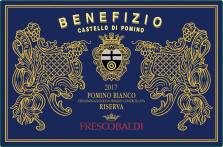
Pomino Benefizio Reserva 2017

The first course included Ribollita, an authentic Tuscan bread and vegetable soup and Pinzimonio, a local tradition of dipping raw vegetables into olive oil, paired with Pomino Benefizio Reserva 2017 ($50), a chardonnay-based white wine from the Castello di Pomino.

The wine, from sandy, rocky soils, expressed delicate, yet complex flavors with a minerality that fit with both the hearty soup and raw vegetables.

Both the second course, pappardelle pasta with beef ragu, and the main courses of milk braised pork shoulder with caramelized fennel, called Maile Al Latte and seared flatiron steak, served rare on a bed of arugula, were all paired with Laudemio and Nipozzano Vecchie Viti 2015 ($35), a Chianti Rufina Reserva DOCG from the Castello Nipozzano estate that blends sangiovese with local grapes, malvasia nera, colorino and canaiolo.

Aged 24 months in oak barrels and an extra three in the bottle, the Viti, with ratings in the mid-nineties, had deep fruit and spice aromas and soft, accessible flavors delivered with a rich mouthfeel.

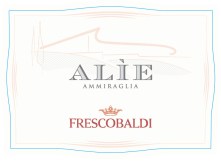
Prior to dessert, our palates were refreshed by a rose’ from the Tenuta Ammiraglia estate in the southern coast of Tuscany.  Syrah-dominant with a touch of vermentino, the crisp ALÌE 2017 ($25) had an alluring light ruby color with hints of strawberries, citrus and a nice minerality along the finish.

ALÌE 2017

Native to Italy and commonly grown in Sardinia, vermentino is a grape known to thrive when grown near the sea and is a perfect addition to a wine named after “a fabled sea-nymph, a symbol of sensuality and beauty.”

What followed was the aforementioned decadent chocolate gelato in a sea of fragrant Laudemio, paired with the rose’.  It was a small piece of heaven that need not be repeated often.  Pinzimonio, a variety of raw vegetables dipped in Laudemio, is a healthier choice.

The Frescobaldi family is hands-on in all aspects of Laudemio production from cultivation, milling, bottling and packaging, ensuring that it all meets their high standards.  To celebrate its 30th anniversary, the recognizable green bottle of Laudemio Frescobaldi is replaced for the vintage 2018 by one with a sleek gold finish.

Tenuta Ammiraglia estate

Thirty generations speak to the sustainability of the Frescobaldi business model and its commitment to flavor and texture is revealed through the result. 

Frescobaldi estate wines are available in many local Bay Area wine shops and on-line while Frescobaldi Laudemio extra virgin olive oil can be found in many gourmet food stores and small markets.


Seghesio Family Vineyards: An Immigrant’s Legacy


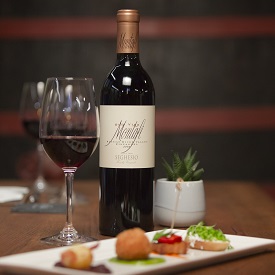
Today, Sonoma County’s Seghesio Family Vineyards is well-known for the production of fine zinfandel and other Italian varietals and enjoy a large following who appreciate exemplary crafted releases, vintage to vintage.

However, Seghesio has been entwined into the fabric of Sonoma wine culture for nearly 125 years, since Italian immigrant Edoardo

Seghesio settled in the Alexander Valley and began producing grapes and bulk wine for large wineries.

Seghesio is among a select few of today’s California wineries that successfully persevered through Prohibition. Surviving a Century and

reaching their current status required an ongoing philosophy that avoided complacency by continually striving for something new and better.

Seghesio’s watershed moment began in the 1980s when fourth generation family winemaker Ted Seghesio began bottling wine under the Seghesio Family label.  In the early

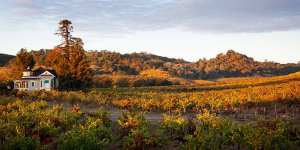
Home Ranch Vineyard in the Alexander Valley

1990s, the family decided to lower their annual production and focus solely on the grapes from their estate vineyards.

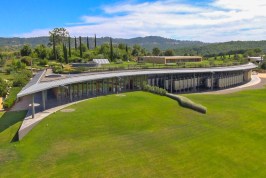
With the transformation from bulk to fine wines complete, the only goal was to get better with each vintage.  Currently, Seghesio produces wine from nine estate vineyards on over 300 acres in north Sonoma County.

Recently, I entered the beautiful grounds of their tasting room near downtown Healdsburg intent to discover new current releases from winemaker Andy Robinson.

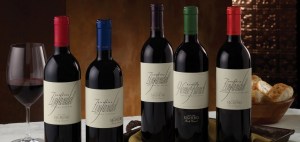
We began with an Italian white varietal, the 2017 Vermentino ($22) from a Russian River Valley vineyard, that was crisp, well-structured, bone dry with expressive fruit flavors.  Seghesio also produces another rare Italian white, the 2017 Arneis ($22)

From this country’s oldest Sangiovese vineyard in Rattlesnake Hill, the pure 2015 Venom Sangiovese($50) is aged in new French oak, concrete eggs and lengthy time in the bottle resulting in flavors that are rich and integrated.

A flight of four zinfandel releases clearly revealed the impact of terroir beginning with my favorite, the spicy 2015 Dry Creek “Cortina” Zinfandel ($40), from vines planted over three decades, that exudes pepper and eloquent red fruit on the palate.

The Rockpile appellation consists of a series of higher elevation vineyards separated by rugged terrain and known for wonderfully stressed zinfandel vines. Although the flavors of the 2015 Rockpile Zinfandel($50) are more savory, the mouthfeel is lavish and uninhibited.

Seghesio’s designation of “old vines” begins at fifty years and the highly rated 2015 Old Vine Zinfandel($40) blends grapes from vineyards in three different appellations on vines planted 50 to 125 years ago. With small amounts of petite sirah added, this release is well-structured with more restrained flavors than the last zinfandel.

The “old vines” for the 2015 Home Ranch Zinfandel($58) were planted in 1895 by Edoardo Seghesio on his original property. They were combined with grapes from younger vines that are, surprisingly, credited with pushing flavor to the forefront in this highly praised wine. 

People consume and enjoy wine at varying levels, but petite sirah is universally acclaimed because of its structure and accessibility to most palates. The full-bodied 2012 IL Cinghiale Petite Sirah ($38), dubbed the “wild boar,” has a opulent bouquet and demonstrative deep, dark berry flavors. A true value. 

Native to southern Italy, aglianico is a grape that develops highly tannic and complex wines that need time to mature. The tasting concluded with the full-bodied 2010 Aglianico($38)that delivered savory spice, mushroom and red fruit flavors.  This wine can need a decade to fully open.  Although the current release is a 2010 vintage, our host suggested decanting for 24-36 hours before serving. 

Seghesio provides a beautiful setting and amenities like picnic facilities and bocce ball courts designed to enhance the tasting experience.  They boast that their wines are food-driven and have developed a wine pairing kitchen where Executive Chef Peter Janiak prepares regular weekend pairing programs as well as many seasonal special event dinners throughout the year.

In 2011, Seghesio was sold to a large investment company that owns other wineries in the Napa-Sonoma region.  However, family members are still involved daily in all facets of production and operations.

While the history and sustainability of Seghesio Family Vineyards is impressive, the real story is their diverse estate vineyards and the ability to consistently produce well-crafted, complex wines.  Their zinfandel releases are among the best in California.


The allure of Los Olivos as a wine country getaway


Years ago, we discovered the charm of Los Olivos when it was still a hidden gem.  The film, “Sideways,” and the surrounding vineyards exposed it to more people, but the authentic appeal is still there with many more culinary options.  Today, it offers a perfect getaway for those seeking rustic charm and access to extraordinary wineries and restaurants.

Los Olivos, population 1,000, is one of five small communities within the Santa Ynez Valley, forty minutes north of Santa Barbara and a

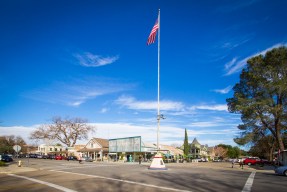
Downtown Los Olivos

few miles east of Solvang.  It sits in the middle of the warmer Santa Ynez Valley AVA, east of Highway 101, but is a short drive to the cooler Santa Rita Hills AVA where pinot noir and chardonnay vineyards extend west from Buellton to the Pacific Ocean.

Historically a stagecoach and railroad stop, Los Olivos remained concealed within oak-studded foothills for decades, seen only from cars passing along Highway 154 that connects with Santa Barbara via the San Marcos Pass.  Today, even with more tourists, the quaintness remains along with the old flag pole that sits in the middle of the town’s main intersection.

Where to Stay

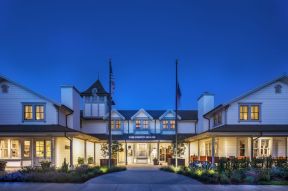
Fess Parker’s Wine Country Inn and Spa is the only hotel in the downtown area.  Actor Fess Parker, who brought Davy Crockett and Daniel Boone to life for many baby boomers, was a long-time resident, property and business

Fess Parker Wine Country Inn

owner in the Santa Ynez Valley and purchased this luxury hotel years before his death. Pricy, but convenient, the inn is steps from everything the town has to offer.

The Ballard Inn/Restaurant is another property located minutes from town and there are ample hotel rooms in nearby Solvang.  Additionally, vacation rental properties, some associated with local wineries, are readily available for large or small groups.

Where to Taste

The appellations of north Santa Barbara County are among the best in California and there are copious opportunities for wine tasting.  Two of the areas finest producers of syrah, Tensley and Stolpman Vineyards, have downtown Los Olivos tastings rooms across the street from each other on Alamo Pintado Avenue.

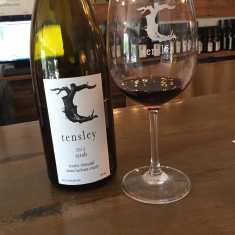
Joey Tensley has earned accolades and recognition in recent years for his syrah and other varietals including the 2017 Colson Canyon

Tensley Syrah

Vineyard Syrah ($42) and the 2017 Santa Barbara County Syrah ($28) while the Stolpman Vineyard, one of the largest in the region produces many fine wines like the co-fermented sangiovese/syrah blend, La Croce 2016 ($66) and the Hilltop Syrah 2016 ($42). 

A few miles west of town, I recommend stops at Lincourt, part of Foley Family Wines specializing in pinot noir and chardonnay and Rusack Vineyards who produce pinot noir, syrah, chardonnay and other varietals in Ballard Canyon, outside of Solvang as well as on Santa Catalina Island.

East of Los Olivos, along the Foxen Canyon Wine Trail, visitors will find a plethora of tasting rooms including the Fess Parker Winery estate and one of my favorite experiences, well worth the effort to find it.  

View of vineyards at Demetria Estate

The relaxed and hospitable Demetria Estate, on a secluded mountaintop further up the trail, features fine Rhône and Burgundy style wines such as the “North Slope” Syrah ($44) with five percent viognier, the “Eighteen” Chardonnay ($49) and a grenache-based blend called “Pantheon” ($47).

Where to Eat

Although its reach was broadened, foodies discovered the Los Olivos Cafe long before it was featured in the film, “Sideways”.  A diverse menu, exquisitely prepared food, great wine selections, pleasant atmosphere and perfect location make it a must when visiting.

As the local dining scene has matured, Los Olivos Cafe has been joined by restaurants like Side’s Hardware and Shoes (lunch only), the upscale casual Bear and Star, Greek cuisine in Petros and the historic Mattei’s Tavern, all located within steps of each other.

For a more casual lunch, try Pannino, in the heart of town, the landmark Los Olivos Grocery minutes

Los Olivos Cafe

down the road or The Doggy Door, a sweet little stand that features both vegan or beef hot dogs plus gourmet sandwiches.

To work off the food and wine, I suggest a casual walk  around town to enjoy the unique garden sculptures at J. Woeste, western goods at Jedlicka’s Saddlery, the labyrinth at St. Marks-in-the-Valley church or a refreshment at Corner House Coffee.  They truly reveal the genuine rustic charm of Los Olivos.


Sauvignon Blanc has evolved onto the global stage


Sauvignon blanc, a varietal with roots in both the Loire Valley and Bordeaux regions of France, has also adapted well to the expanded “New World” wine regions like New Zealand, Chile, South Africa, California and Washington State.

Vineyards in Sancerre

It had an auspicious beginning in California as a step-child to chardonnay, then received a boost after Robert Mondavi change the name of his sauvignon blanc to Fume’Blanc, a marketing ploy with obvious references to Pouilly Fume’ in the Loire Valley.

All wines from Pouilly Fume’ are exclusively sauvignon blanc and, along with nearby Sancerre, located on a promontory to the other side of the river, are identified by region, not varietal. The local terroir, with moderate temperatures and soils abundant in limestone,

Clement Marchand, winemaker in Pouilly Fume’

produces a dry, crisp, palate-cleansing wine with citrus flavors and their trademark “smoky, gun-flint” aromas.

During a recent visit to the Pouilly Fume’ region, I had an opportunity to enjoy a special release with local winemaker, Clement Marchand, whose family has made wine at their village site since 1650. The Clement Marchand “Kimmeridgian” Pouilly Fume’ 2014 ($35), named after a local fossil-laden soil, had a round texture and creamy mouthfeel with nice stone fruits on the palate.

Chateau d Yquem 2005

Sauvignon blanc is still a major Bordeaux grape, whether it is blended with semillon, infected with the Botrytis cinerea fungus in the southern regions of Barsac and Sauternes or sitting on its laurels as the mother of cabernet sauvignon.  Few people know that cabernet franc and sauvignon blanc parented one of the most popular and abundantly planted varietals on the planet.

Sauternes and Barsac are known, by name, for producing the world’s finest and most expensive dessert wines. Arguably, the best Sauternes wine available today is the Chateau d’Yquem 2005 ($550), a Premier Cru Superieur blend of  semillon (75%) and sauvignon blanc (25%) that is a sensory treat with fresh vanilla aromas and rich flavors of crème brûlée and gingerbread. 

Ironically, the first sauvignon blanc cuttings that arrived in California, during the late 1800s, came from the Sauternes vineyards of Chateau d’Yquem. They have flourished here, adapting to both warm and cooler climates. 

The two best examples of California sauvignon blanc, in my mind, are both produced by women, one from the cool Russian River Valley and the other from the warm Santa Ynez Valley in north Santa Barbara County.

Merry Edwards is an icon in the wine industry, producing fine pinot noir, chardonnay and sauvignon blanc from vineyards near

Merry Edwards Sauvignon Blanc Russian River Valley

Sebastopol.  As with earlier vintages, the 2017 Merry Edwards Sauvignon Blanc Russian River Valley ($36), with added Sauvignon Musque from Sancerre, exhibits spirited floral aromas, a creamy mouthfeel with herbal flavors and some zest on the finish.

Ms. Edwards recently semi-retired and sold Merry Edwards Cellars to respected Anderson Valley sparkling wine producer, Roederer Estate.  Heidi von der Mehden, the new winemaker and staff will be retained and Edwards will consult for a year so, I expect being able to enjoy her sauvignon blanc in the future.

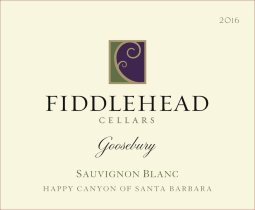
Winemaker Kathy Joseph of Fiddlehead Cellars in Lompoc speaks passionately of pushing pinot noir and sauvignon blanc toward their potential, either paired with food or not. Of her five sauvignon blanc releases, my favorite, as with other vintages, is the 2018 Fiddlehead Sauvignon Blanc “Goosebury” Happy Canyon of Santa Barbara ($38), sourced from warmer climate and described by Joseph as “zingy like a New Zealand wine, juxtaposed with the elegance of a Sancerre.” I find it to be a perfect pair with fresh scallops

Fiddlehead Cellars “Goosebury” Sauvignon Blanc

or chèvre.

Sauvignon blanc has become so prominent in the southern hemisphere that the term “New Zealand-style” is synonymous with aromatic wines and flavors of fresh-cut grass and grapefruit.

Each vintage, one of the most popular sauvignon blanc wines from New Zealand is the 2018 Cloudy Bay Sauvignon Blanc Marlborough ($30) that maintains the “green characteristics” while adding a touch of tropical fruit flavors.

Boasting recent high ratings, the 2016 Greywacke “Wild Sauvignon” Sauvignon Blanc Marlborough ($30) has an austere savory character that doesn’t sacrifice complexity in the flavor profile.

Sauvignon blanc, no longer an alternative white wine, is charging into the future with a global presence that highlights expressive bouquets, intricate flavors and the textures in a wine that belongs at the dinner table.