Category Archives: Wine

The Roots Of Gehricke Wines


Old Gehricke Road, near the town of Sonoma, is simply a strip of asphalt between two vineyards, but for kids like August Sebastiani, who grew up minutes away, it was a dusty, adventurous playground while growing up.

Sebastiani, now a fourth generation vintner in the iconic family, celebrates his childhood roots and continues the evolution of the
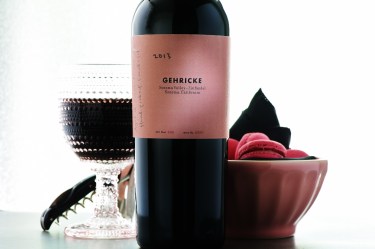
business as an negotiant through the introduction of Gehricke Wines, a new premium label that sources quality grapes closer to home.  Under his 3 Badge Beverage Corporation, August Sebastiani, son of Don and great-grandson of founder Samuele, has launched lines of premium spirits, craft beers and wines, but Gehricke is uniquely farmed and produced locally.

The sustainability of such an effort relies on expertise to manage the viticulture practices and envision the future in the vineyard through bottling.  Once vineyard partnerships were established, consulting winemaker Alex Beloz was hired to oversee the production and push the fruit to its greatest potential. Beloz brings years of experience producing wines in Sonoma County, many at MacRostie Winery.  Although all grapes are sourced within the county, he has his hands full dealing with very diverse terroir:  the cool west and warm east Russian River Valley, foggy Carneros, northeast Knight’s Valley and the varying microclimates of the Sonoma Coast appellation.

On a warm afternoon, under a tent next to Gehricke Road, surrounded by vineyards, we tasted the current releases paired with
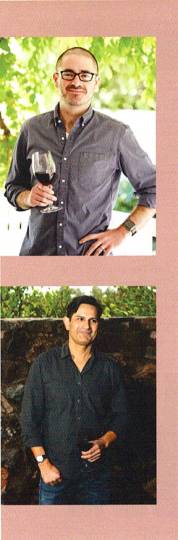
August Sebastiani and Alex Beloz

lunch selections by Chef Ari Weiswasser, owner/chef of Glen Ellen Star, a restaurant that I frequent for their farm-to-table menu, especially the wood roasted vegetables.

Before lunch, Alex was pouring the single-vineyard, “copper label” reserve chardonnay from the known Chalk Hill Vineyard in Windsor.  Each of the diverse microclimates within the chardonnay blocks alone make the fruit desirable, especially for wines created in the Burgundian style

.

Paired with the 2016 Russian River Valley Chardonnay ($32), the first course was a Lebanese fattoush salad with Dungeness crab and green garlic pull-apart rolls, one of Glen Ellen Star’s signature breads.  Aged 20 months in French oak, one-third new, the wine delivers expressive fruit flavors and, in Beloz’s style, has a fresh acidity, not overly oaked.

The 2015 Los Carneros Pinot Noir ($32) and 2016 Knights Valley Cabernet Sauvignon ($35) releases were nicely paired with a wagyu beef rib eye bordelaise, spring vegetables and fava beans for our second course.  Sourced from three vineyards within the appellation, the pinot noir, with ratings in the nineties, balanced rich cherry with spice
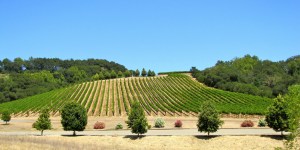
Chalk Hill Estate Vineyard

flavors and was long on the finish.  Beloz prefers to keep a small percentage of the grapes whole cluster to augment, not dominate the character of the wine.

A first vintage, the 2016 Knights Valley Cabernet Sauvignon is sourced from the Bavarian Lion Vineyard, north of Calistoga. The volcanic soils of the vineyard sit at a higher elevation, far enough inland not to be affected by the Pacific Ocean.  For complexity, Beloz adds malbec and a pinch of petite verdot to enhance flavor intensity and the rich mouthfeel. With 90+ratings from both Wine Spectator and Wine Enthusiast magazines, the Knights Valley Cab is an exceptional value. 

Pairing the 2015 Russian River Valley Zinfandel ($30) with a dessert plate of baked sourdough, toasted walnuts, blue cheese and preserves complimented its jammy fruit and spice flavors. The grapes are sourced from the Ponzo Vineyard in the warmer, northeast

Gehricke Los Corneros Pinot Noir

section of the Russian River appellation, near Healdsburg.  Beloz adds 10% petite sirah to enhance the dark fruit flavors and deepen the color.  

August Sebastiani understands the evolution of his family’s historic winery, from bulk wine to more premium labels. He also realizes that the wine industry has carefully groomed the palates of a young generation, eager for something good, new and original.  To that end, Sebastiani envisions a physical location in Sonoma for people to come and taste all of his brands.

In the short-term, he and Alex are focused on adding a petite sirah and building the Gehricke portfolio in a way the honors the memory of the land that neighbors that old road.


Wines From “The Grade”


In his 1883 memoir, “The Silverado Squatters,” Robert Louis Stevenson describes traveling through north Napa Valley. Commenting on Mount Saint Helena, he said,”it looks down on much green, intricate country.  It feeds in the spring-time many splashing brooks.  Its naked peak sits four thousand five hundred feet above the sea; its sides are fringed with forest; and the soil, where it is bare, glows warm with cinnabar.”

In those days, traveling to desirable Lake County resorts required passage over the mountain via Calistoga and the Old Toll Road operated by businessman John Lawley. Arriving by coach, Stevenson wrote, “we entered the toll road, or to be more local, entered on “the grade”…”

The Silverado Squatters 

Tom Thornton

Stevenson’s book served as the inspiration and motivation for Tom Thornton and Brenda Mixson to purchase, in 1997, an old vineyard along “the grade” and re-plant it with fine cabernet sauvignon stock.

Wine is a second career for both Tom and Brenda, who actually met on a blind date.  Moving past their expertise in architecture and commercial real estate, they re-located from the East Coast to pursue a passion for cabernet sauvignon.

As newcomers to this prestigious area, Tom and Brenda have managed to attach themselves to a known star. After a time at Turley

Thomas Rivers Brown

Cellars, Thomas Rivers Brown worked for Shraeder Cellars where he developed a reputation for crafting fine cabernet sauvignon. Of note, his initial 2012 vintages of The Grade “Kingly Project” and “Winfield Estate” cabs received 99-pt and 97-pt ratings from Robert
Parker

The 12-acre Winfield Vineyard, using Tom’s middle name and part of a 32-acre ranch site, sits on a shelf above the old toll road

Winfield Vineyard

leading into Calistoga.  It is said to be at the confluence of the volcanic mountain soils and the alluvial valley floor. It is here that the team has created three distinct cabernets and a complex sauvignon blanc, all named from chapters of the “Silverado Squatters” memoir.

The tasting room sits among many other businesses on Lincoln Ave. in downtown Calistoga.  While located in a quaint old, well-appointed California cottage, it’s easy to walk by their stylish sign that blends in with many others.  However, there is a unique story here at The Grade Cellars and, for those seeking fine small-production cabernet sauvignon from an authentic boutique producer, a reservation to taste their current releases is recommended. The tasting fee is $35 which includes a cheese pairing;  everything is served in “The Library,”  a private space with comfortable chairs.

The Grade Cellars produces about 900 cases per vintage including 215 cases of The Grade 2016 “Sea Fog” Sauvignon Blanc ($28), the only white varietal. From volcanic soils, the “Sea Fog” is barrel-fermented in all neutral oak to produce melon, white peach flavors, balanced acidity and a mineral elements through the finish. Give the wine a few minutes in the glass to open up.

The Grade Winfield Vineyard Cabernet Sauvignon

The biggest yield at 530 cases is The Grade 2015 “Winfield Estate” Cabernet Sauvignon ($100), aged for 20 months. Perfumed aromas of licorice and baked fruit precede full-bodied, rich and integrated flavors of red fruit, berries and cassis. Again, I found a nice minerality throughout.  The 2014 vintage of this wine was named by California Wine and Wineries among the “top five exceptional wines of 2017.” 

With floral and chocolate aromas, The Grade 2014 “Kingly Project” Cabernet Sauvignon ($150) would make a nice Valentine’s Day gift for that special wine connoisseur. I found earthy, slate elements on the nose and palate with red stone fruit flavors, demonstrative and balanced.  Additional time in the bottle will soften the tannins and allow these complex flavors to integrate. 

The exceptional releases are at a price point that’s not for everyone. However, if you are serious about cabernet sauvignon, you owe it to yourselves to try The Grade wines on your next visit to Calistoga. For the enhanced experience, read “Silverado Squatters” and stop by the Winfield Vineyard along the old toll road before you taste.


Purple Heart Wines


Memorial Day is when we honor and remember veterans, especially those who have given the ultimate sacrifice for their country.  To honor and support veterans and to pay homage to patriarch Peter Mondavi, Sr., a WWII veteran, the Mondavi Family has challenged winemaker John Moynier to create a wine that salutes the Purple Heart medal, a high symbol of unselfishness among our military

Winemaker John Moynier

men and women.

We had the pleasure, years ago, of meeting Peter Mondavi Sr.,at his winery. I could sense Napa Valley history just by being in the same room with him.

The wine is the Purple Heart Red Wine Sonoma County 2015 ($19.99), a Left Bank-style Bordeaux blend with 19% California zinfandel added.  The production and availability of Purple Heart wines is the result of a collaboration between the Mondavi Family and the Purple Heart Foundation whose mission includes support, outreach and advocacy for combat wounded veterans and their families. Much of the focus of the Foundation’s work centers on employment for people with disabilities, homelessness and women veteran’s issues.

The Purple Heart wines, along with other efforts, will hopefully increase awareness and funding needed to continue and expand services. A noble cause, but let’s talk about the wine.

Purple Heart is not head winemaker John Moynier’s first rodeo, he has made wine for the Mondavi family nearly 33 years.  It’s the only place he has worked since earning a degree in Fermentation Science from UC Davis.

It is hard to imagine telling my parents in the late 1960s that I was majoring in fermentation science.  They would have seen it as a metaphor for everything but studying.  Things have changed.  Today, it is an honorable profession that balances brains with brawn. 

Moynier, a US Air Force veteran, was inspired enough by the project to return from his retirement.  He felt up to the challenge to create a wine worthy of the cause it would support.

The 2015 Purple Heart Wine is a merlot dominant blend that includes zinfandel, petit verdot and cabernet franc.  There is a reason merlot is the third most planted grape globally.  Early to ripen, it is intended to be a good blender and flourishes with the support of the other Bordeaux grapes.  

If zinfandel was grown in Bordeaux, it would be a good addition as long as its bold flavors were held in check. Here, the 19% zinfandel adds, for the most part, to the flavor profile, not a high alcohol level (14.2%) or an imbalanced pH. 

In contrast to the merlot, petit verdot is late-ripening and, although it can add dynamics to the wine, it definitely influenced the deep color here. The cabernet franc is evident in the spice hints.

I tasted the 2015 Purple Heart three times, once after twenty minutes in the glass, hours later and, finally, the next day when the flavors were fully integrated.  Each time, after much swirling, it expressed nice texture with balanced, accessible flavors. If your budget is under twenty dollars per bottle and you enjoy red wine, I recommend this one without hesitation.

2015 Purple Heart Wine

Dark and opaque in the glass, the medium-bodied release offered dark plum and a hint of licorice on the nose, a rich mouthfeel with more red fruit flavors and some spice on the finish. The added zinfandel grape was clear, but did not dominate. With healthy balanced tannins, Purple Heart will cellar well, but is very drinkable now.

The task of creating a complex red blend, using Sonoma County fruit, for under twenty dollars cannot be a simple one. Kudos to John Moynier for an effort to be proud of.

It would be appropriate and symbolic for those enjoying wine with friends on Memorial Day, or at any time, to include a bottle of Purple Heart wine to toast and remember our heroes.  I knew and know a few who would appreciate it.  

Purple Heart wines are available in some outlets and, with a little research, can be easily located throughout the Bay Area.


Good News for Ernest Vineyards


While they are partners in the development of Grand Cru Custom Crush in Windsor, Erin Brooks and Todd Gottula are also member winemakers who work closely with many of the finest Sonoma County vineyards and growers to produce pinot noir, chardonnay and other varietals under their Ernest Vineyards, Edaphos and Eugenia labels. With extensive resumes in technology and sales,  both have

Erin Brooks and Todd Gottula

married their agricultural roots on second careers in winemaking.

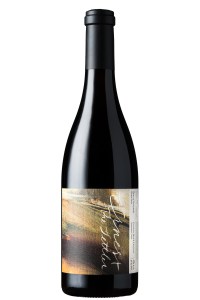
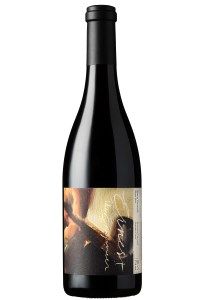
A small producer, Ernest has stayed focused on relationships with growers and on making the wines they like.  However, it’s always nice to be appreciated.  Last week, they received word that Robert Parker’s Wine Advocate awarded four 2015 pinot noir releases with 90+-point ratings, including 95-points to the Ernest “Cleary Ranch Vineyard” Pinot Noir 2015, aka “The Settler.”

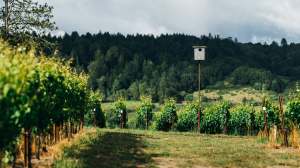
“The Settler” is sourced from a vineyard in Freestone, located in the coastal portion of the expansive Sonoma Coast appellation.  Relentless fog and no wind to burn it off pushes temperatures lower, extending the ripening period. The result here is expressive, spicy aromatics and flavors with low alcohol (12.5%).

2015 Cleary Ranch Vineyard

I recently had an opportunity to sit down with Erin Brooks as she curated a tasting of her current releases, including a single-vineyard pinot noir with a distinct profile. To begin, she poured a 2016 Aligoté from their more experimental Edaphos label, sourced from a vineyard near my home in Bennett Valley, south of Santa Rosa.  I knew nothing of the aligoté grape other than it was a rare Burgundian varietal that produced dry wines. My interest was heightened.

Dave McIntyre, in a Washington Post article, called aligoté, “an explorer’s wine,” there only for those willingly to look past chardonnay in Burgundy.  Everyone should try an aligoté once in their lifetime and this one is nearby.

Having previously enjoyed a bottle of the Ernest Black Emerald Vineyard Chardonnay Russian River 2014, today we tasted the final vintage Ernest Green Valley Ranch Chardonnay 2015, aka “The Farmer,” and the Ernest Fallenleaf Vineyard Chardonnay 2015, aka “The Jester,”  two very different releases.

“The Farmer” is sourced from a Russian River Valley vineyard near the town of Graton.  Aged in equal parts stainless steel, neutral and new oak, the result is a crisp, more austere wine.  “The Jester” originates from a warmer inland vineyard near the town of Sonoma.  With full malolactic fermentation and aging in 60% new French oak, it expresses more stone fruit flavors with mineral notes, all soft on the palate.

The fog is a real influence on the organically farmed Rayhill Vineyard that sits 500-ft. above it in the Sebastopol Hills. I found that the Ernest Rayhill Vineyard Pinot Noir 2014, aka “The Grandfather,” was the most unique pinot noir of the four we tasted.  Herba

Ernest Pinot Noir Romanini Vineyard 2016

l and wet stone hints in the bouquet continued with a rich mouthfeel and eloquent dark fruit and white pepper flavors. Erin suggested that it was bold enough to pair with beef.

Two other single-vineyard pinot noir releases were tasted, both with 90+ scores from Robert Parker.  Green Valley is known as “the coolest, foggiest region in the Russian River Valley” and is the source of the nicely defined Ernest App Road (Bush) Vineyard Pinot Noir 2015, aka “The Artist.”  From a tiny vineyard blocks from the Sonoma Plaza, the Ernest Romanini Vineyard Pinot Noir 2015 aka “The Engineer” parlays warm days and cool nights into intense fruit flavors.

My first introduction to Ernest Vineyards came by enjoying a bottle of the Edaphos Grenache 2014 from the Steel Plow Vineyard in the Sonoma Valley.  I discovered that grapes in the vintage 2014 and the current Edaphos Grenache 2015 are carbonically fermented, exposing the uncrushed grapes to carbon dioxide before being transferred to a concrete amphora for aging. This process pushes the fruit forward and lowers the tannins. The layered flavors and rich texture of this wine defy its price.

Another fine value is the Edaphos Barbera 2015 sourced from the Madhaven Vineyard in Glen Ellen.  The winemaker feels that barbera has enough tannins, so there is no oak in this one.  It is hatched from a concrete egg and has a rich, soft texture.

Ernest Vineyards currently produces 3,000 cases per year.  Their growth depends upon building more relationships with quality vineyards and growers and they seem to be moving in the right direction.


Launching BACA Wines


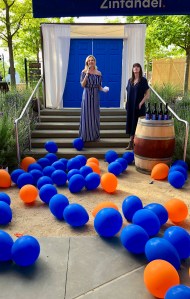
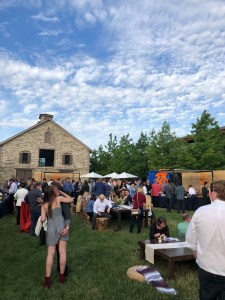
We entered Hall Wines in Saint Helena on a gorgeous May evening, looking forward to a walk through the sculpture garden as the sun set over the vineyards. However, the focus of the evening was HALL/WALT Wines announcement for the launching of their newest brand.  It had been such a secret that the attendees were asked to guess the new varietal by putting a marble in one of four glasses marked riesling, zinfandel, syrah and merlot.  I incorrectly guessed syrah.

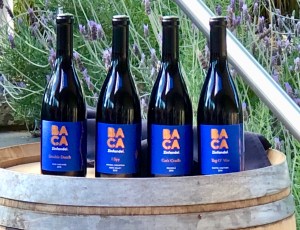
Soon, Kathryn Hall, amid blue and orange balloons, stood by the symbolic large blue door and introduced her daughter Jennifer Brown who will be spearheading, with winemaker Alison Frichtl Hollister, the new BACA Wines brand that features zinfandel from vineyards in four prime California AVAs.  BACA, latin for “berry” honors the fruit from which it all begins.

Jennifer Brown and winemaker Alison Frichtl Hollister launch BACA

BACA will follow the WALT platform by sourcing grapes from established and proven zinfandel vineyards instead of pinot noir. The Paso Robles, Russian River Valley, Howell Mountain and Rockpile AVAs are among the finest growing regions for California zinfandel and each enhances BACA’s goal of making nuanced wines.

The origins of zinfandel are not totally clear, although the Wine Institute states that the primitivo in Italy and something called Crljenak Kastelanski from Croatia are an identical match to zinfandel in California. The grape, according to the California Department of Agriculture, is grown in 45 of our 58 counties.  American zinfandel comes from California soil and the diversity of our terroir is on display with the BACA releases.

I am very familiar with the Dante Dusi Vineyard, adjacent to Highway 101 between Templeton and Paso Robles, having enjoyed their zinfandel through several producers in the local region.  A few years ago, I had the pleasure to walk through the vineyard with the late Mr. Dusi, a WWII veteran and seasoned fsrmer.

As with other wines from this vineyard, the full-bodied BACA Zinfandel Dusi Vineyard ($50) aka

BACA Releases

“Double Dutch” is bold with concentrated fruit and spice on the palate and a classic licorice finish.  It is aged for ten months in French oak, 35% new.

The Rockpile Vineyard, in the northeast corner of Sonoma County, sits at high elevations above Lake Sonoma with soils and climate described as “wild and rugged.”  Higher heat, less fog and rocky, somewhat stressed soils are what zinfandel vines thrive on. The medium-bodied BACA Zinfandel Rockpile Vineyard 2016 ($50) aka “Cat’s Cradle” is quite complex with floral hints on the nose, a pleasant minerality that combines with the red fruit flavors and spicy finish.  It is aged for ten months in French oak, 35% new.

The historic Maffei Vineyard has produced zinfandel grapes in the flat, easterly portion of the Russian River Valley for nearly 100 years. Over the past few decades they have sourced their crop to many highly recognized wineries.  The loamy soils and foggy marine layer can stress the vines, resulting in fruit-forward wines.  The healthy tannins and acidity of the full-bodied BACA Zinfandel Maffei Vineyard 2016 ($50) aka “Tug O’War are offset by layered flavors of strawberry and blueberry. It is aged ten months in French oak, 30% new.

In a dry-farmed vineyard high above the valley floor, rich with volcanic soil, the BACA Zinfandel Howell Mountain Napa Valley

BACA Launch Party

2016 ($50) aka “I, Spy” was born. A perfume quality on the bouquet precedes softer tannins and full-bodied dark berry flavors with herbal, floral and spice hints through the finish.

The BACA zinfandels are each nicknamed after games that require agility, dexterity, mental acuity and brut strength. The assorted skills seem to be metaphors for the distinctive four releases.

Due to very limited production, BACA will distribute their wines primarily through a membership list that enables members to purchase up to a case of each, compared to a three-bottle limit for the public.  Options include shipments of two, four or six bottles twice a year.  BACA will also host a variety of events at the HALL winery site, a benefit of its own.

Among it advantages, BACA Wines offer, for zinfandel lovers, an opportunity for one-stop comparisons of the grape’s expression in different terroir. My first choice is still the Dusi Vineyard, but I can always be convinced otherwise.


Grand Cru in Windsor


At its core, Grand Cru Custom Crush founded by Robert and Erin Morris and Todd and Erin Gottula, is a great idea, one that reflects modern day business and lifestyle trends.  It provides state-of-the-art technology and production equipment as well as individualized tasting rooms to be shared by small, boutique winemakers. The co-operative concept itself is clean and efficient and opens doors for producers who work under the premise that “less is better” to pursue their passion and connect with the consumer.  Grand Cruprojects t

20171109-_DSC8964

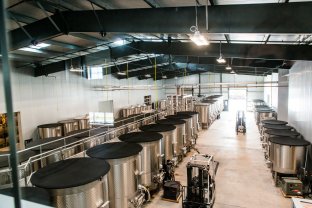
Co-op production facilities

hat, in 2018, 25,000 cases will be produced by a baker’s dozen local winemakers who are current members.

As we toured the production facilities, Morris and Erin Brooks(Gottula) discussed the attention to detail that would accommodate multiple winemakers and reduce common problems. By providing the best crush equipment, a variety of small fermentation tanks, barrel rooms and an on-site lab, all designed to match the needs of their “target client production,” the Grand Cru Custom Crush plan optimizes success and sustainability.

Although the exterior design was inspired by the Boradorri Garage, a 1932 historical building overlooking the ocean in Cayucos, CA, the modern-day, aesthetically pleasing interior includes several individual spaces where guests can sample specific wineries or hand-pick a variety among all member releases.

20171109-_DSC8850-Edit

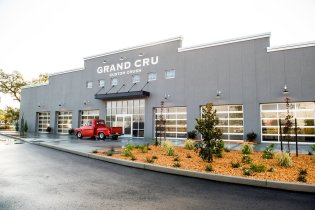
Grand Cru Custom Crush in Windsor

Another advantage for Grand Cru Custom Crush is that they are part of the growing Windsor Beverage District that currently houses DuMol and Marcassin wineries with others on the horizon.  Participating businesses also include the Sonoma Brothers Distillery, local fire captain Aron Levin’s St. Florian’s Brewery and Tilted Shed Ciderworks, makers of local specialty ciders.  A 22,000 square foot restaurant and tasting center, currently under construction by the popular, Santa Rosa-based Russian River Brewing Company, promises to add another attraction.

Robert and Erin could not say enough about their experience in dealing with the Town of Windsor, calling them a role model for other government entities seeking to be business friendly and creating public-private partnerships. The beverage district concept, in my opinion, will flourish, building on the wine and spirits tourism that exists in the region.

bar_pic-2

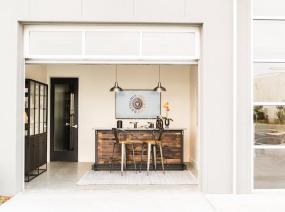
One of the many tasting rooms

The current member wineries of Grand Cru Custom Crush are Black Kite Cellars, Bruliam Wines, Bydand, Cleary Ranch Vineyard, Ernest Wines, Eric Kent, Flambeaux, Kesner Wines, Lando, Magnolia Blossom, Mila Family Vineyards, Mueller Wines and Smith and Story Wine Cellars.  Some have received accolades for pinot noir, chardonnay and rose’ while others offer rarer varietals to the region like grenache, sémillon, and cabernet sauvignon.

Reservations can be made to taste wines from any of the members or one can experience an eclectic sampling from a hand-picked menu. I had the opportunity to sit down with Erin Brooks to sample all the current releases from Ernest Wines, which she owns with

KimCarroll.com-MILA-41-e1510112881876

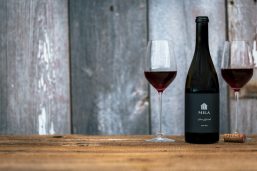
Mila Family Vineyards Prima Grenache

her husband Todd.  They will be featured in a future column.  However, if I returned to Grand Cru tomorrow, I would hand-select the following wines.

Produced by Ernest Wines under their Eugenia label, a little known Rhone grape is showcased in the 2017 San Lucas Vineyard Rosé of Cinsault 2017 Central Coast “The Country Wife,” providing a unique beginning.  The 2016 Smith and Story Lakota’s View Sémillon Sonoma Mountain gives us an alternative white varietal and the whole-cluster pressed Mila Family Vineyards Prima Grenache an alternative red from their 54 acre wine farm in northeast Sonoma County.

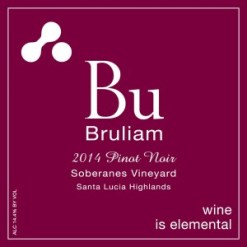
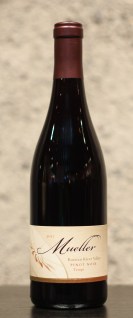
We would continue by comparing two pinot noir releases:  the 2014 Mueller “Tempi” Pinot Noir that has received good reviews and the 2014 Bruliam Pinot Noir Soberanes Vineyard from a Central Coast vineyard that has sourced grapes to many fine producers.

66063_-6-14-PN-Sob-Frt-TTB-300x300

2014 Bruliam Pinot Noir Soberanes Vineyard

My tasting would end with the 2014 Flambeaux Dry Creek Cabernet Sauvignon that has received consistent 90+plus ratings.  It’s not everyday that cinsault, semillon,

marcietempi

Mueller Russian River Valley Pinot Noir

grenache, pinot noir and cabernet sauvignon would be together in one tasting. The quality and variety of member produced wines affords opportunities to sample new ones for many future visits.

The Grand Cru Custom Crush is an ambitious effort that seems to be a win-win situation for all aspects of the wine experience.  It promotes the expanded production of fine boutique wines and one stop shopping for the consumer.  The evolution of Grand Cru and the entire Windsor Beverage District is something to watch.


Springtime for Rose’


Although modern rose’ wines are designed to pair with food and be enjoyed year-round, they still come to mind when the spring air

Chateau d’ Esclans in Provence

begins to warm.  While some are “bled off” from juice destined for a red wine, a process known as the Saignee method, others are planted and field blended specifically for the rose’.

While Provence remains the world-wide leader in the production of fine rose’, I have discovered several releases from California and

the Pacific Northwest that are composed of Burgundian, Rhone and Bordeaux varietals.

I first tasted the Whispering Angel rose’ from Chateau d’ Esclans at a 2006 tasting of Cote de Provence wines.  A blend of grenache, cinsault, vermentino, syrah and tourben, the Chateau d’ Esclans Whispering Angel 2017 ($22) is clean with dense flavors and a

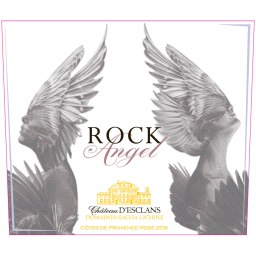
Chateau d’ Esclans “Rock Angel” Rose’

rich mouthfeel, the result of regular lees stirrings. Another release, the Chateau d’ Esclans Rock Angel Rose’ 2016 ($35) has an herbal/mineral character that is exceptional with food.

From Oregon’s Willamette Valley, the full whole cluster pressed 2017 Gran Moraine

2016 Gran Moraine Rose’ of Pinot Noir

Yamhill-Carlton Rose’ of Pinot Noir ($28) is crafted from designated stock in two vineyards.  Once it opened up in the glass, the floral hints in the bouquet heightened and the crisp, complex berry and melon flavors were revealed.

Grenache is among my favorite varietals, as a red wine, in a Rhone blend or as a rose’. Recent tastings of grenache rose’ from Santa Barbara, Napa and Sonoma counties showcase the grape’s adaptability and the welcoming terroir throughout California.

From the estate Colson Canyon Vineyard in the Santa Ynez Valley, grapes were purposely harvested early to retain the bright acidity in the 2017 Tensley Colson Canyon Grenache Rose’ ($22).  Nicely structured, it

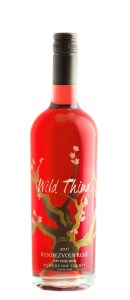
Carol Shelton Rendezvous Rose’

expressed complex, balanced tropical fruit, melon and citrus flavors.

Sharon Kazan Harris sources the grapes for her Rarecat Rose’ 2017 ($36) from a Davis, CA vineyard with, as she describes, poor, rocky soil, perfect for the core grenache.   Aside from the soothing salmon color, the floral aromas are pronounced and pink grapefruit dominates the palate.  It has a noticeable acidity that will compliment seafood and shellfish.

I’m told that the inspiration for the 2017 Limerick Lane Rose’ ($24) came from eating mussels and drinking rose in the village of Cassis, along the French Meditteranean, something I can relate to.  The syrah (62%) and grenache (38%) grapes for this Russian River Valley blend were specifically designated and harvested. The rich citrus and strawberry flavors set up a nice, long mineral finish.

Produced from Mendocino County carignane grapes that are bled off after three long days with skins, the 2017 Carol Shelton “Rendezvous” Rose’ ($15) has a darker red color than most.  There are spice notes on the nose and rich, expressive fruit flavors that peak through the finish. It pairs well with Thai food or BBQ, but I prefer it by itself.

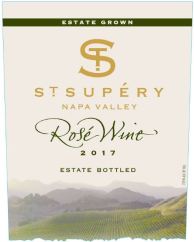
2017 St. Supery Napa Valley Rose’

St. Supery Winery, in the heart of the Napa Valley, has produced a variety of Bordeaux-style wines for nearly three decades.  With a darker cherry color, the St. Supery Rose’ 2015 ($29), a merlot-dominant blend, features five Bordeaux varietals that covey elegant flavors of red berries, currants and herbs.  It pairs well with seafood and rich sauces.

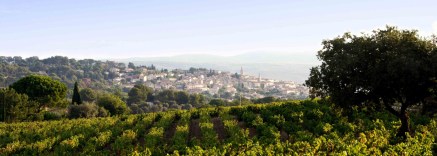
Bandol, in southern France, is one of the premier wine regions in Provence with soils and climate fitting for the mourvedre grape that imparts structure to wine.  All red and rose’ wines from the region must contain at least 50% mourvedre. The highly acclaimed 2016 Domaines Ott “Château Romassan” Bandol Rosé ($47), is 60% mourvedre with added cinsault, grenache and syrah  Earning reviews in the mid-nineties, the bouquet is a scented flower garden and the vibrant hints of pink grapefruit remain

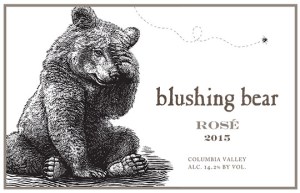
2016 Dunham Cellars/MacLachlan “Pursued by Bear” Rose’

throughout the lush finish.

From Washington’s Columbia Valley region, the 2016 Dunham Cellars/MacLachlan “Pursued by Bear” Blushing Bear Columbia Valley Rosé $28

is another grenache-dominant release with strong support from cinsault and mourvedre.  “Pursued by Bear” is actor Kyle MacLachlan’s label and he, apparently, was personally involved in the development of this wine. I found it clean and balanced with a diversified and opulent flavor profile.

This list hardly scratches the surface of what is available.  Whatever suits your palate, new rose’, with all the complexities of red wine, is something that should not be overlooked.

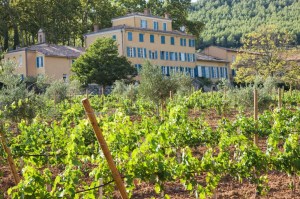
Vineyards in Bandol


Calistoga Culinary Getaway


Not having spent time in Calistoga for years, I recently stayed a few days to discover some wines and enjoy the vibrant, emerging local restaurant scene. The following is a small taste of what we enjoyed.

Breakfast options includes Sarafornia, an old-style cafe with classic comfort food or Bella Bakery for those seeking coffee and an artisan

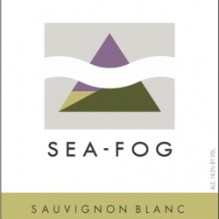
The Grade Cellars “Sea Fog” Sauvignon Blanc

pastry.  My favorite for atmosphere and menu was Sam’s Social Club east of town, where I enjoyed an omelette of cultivated, wild mushrooms, gruyere cheese, black truffle oil and scallions.

We had the opportunity to taste two local sauvignon blanc releases; both impressive, but very different.  The 2015 Petit Coquerel

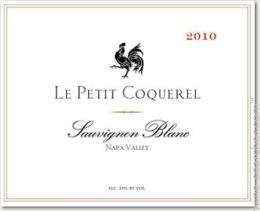
Le Petit Coquerel Sauvignon Blanc

Sauvignon Blanc ($20) had shades of grapefruit on the nose and during the long finish with a dry crispness in the middle.

From the producers of fine Calistoga cabernet sauvignon, The Grade Sauvignon Blanc “Sea Fog” 2015 ($28), barrel-fermented in all neutral oak, delivers a pleasant acidity with degrees of citrus and stone fruit flavors and a soft wet stone finish.

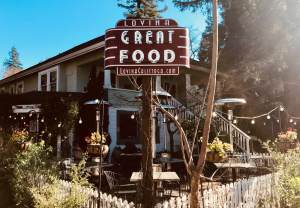
Lovina Restaurant

Formerly Calistoga Kitchen, Lovina is a new restaurant in the old building at the corner of Cedar Street and Lincoln Ave.  The new creative ownership team identifies with being a uniquely suited, diverse group of friends. The menu is also diverse, with vegetarian friendly and gluten-free options available.  Uniquely good was the Grilled Cheese with Chestnut and Celery Root Soup and the Warm Duck Confit Spinach Salad, which we shared along with a special Chicken and Dumpling Soup.

Lovina is open Thursday through Monday for lunch/brunch and dinner.  Their wine list features a variety of North Coast selections and they celebrate “No corkage Thursdays.”

Visiting the historic Chateau Montelena Estate always reminds me of their 1973 chardonnay release that led to an Independence Day

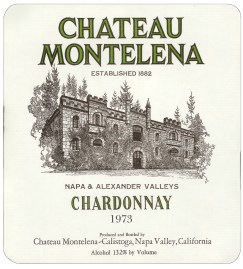
1973 Chateau Montelena Chardonnay

for California wines after winning the famed 1976 Paris Tasting. The 2014 Chateau Montelena Napa Valley Chardonnay ($58), is aged ten months sur lee in oak with no malolactic fermentation. I found complex aromas, crispness and a rich finish of stone fruit and spice flavors, all welcomed by my palate.  The earthy 2014 Chateau Montelena Zinfandel ($39) also stood out with coffee bean, chocolate on the nose and jammy, ripened fruit flavors throughout.

We first discovered Brannan’s by accident, seeking a place to have lunch in town, and were

Bar at Brannan’s Restaurant

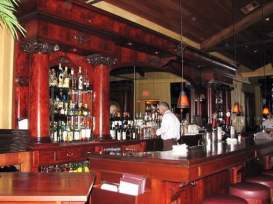
delightfully surprised by their imaginative small plate dishes.  I joined co-owner Ron Goldin at a recent event while chef Colin Curtis prepared farmhand (vegetarian-based), briny (seafood) and chow (the meats), small plate dishes that included Curried Crab Tacos, Moroccan Lamb Chops, Salt and Pepper Scallops and Wild Mushroom Risotto.  Appetizers like Smashed Avocado Toast and Ahi Poke Spoons added to the feast. In an older building on Lincoln Ave., Brannan’s has a large, historic bar, full array of cocktails and an ever-changing menu.

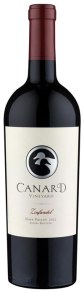
Over thirty years ago when Rich and Carolyn Czapleski purchased the land for their Canard Winery, they got a call from Robert Mondavi, urging them to retain some of the oldest zinfandel vines in the Napa Valley,

Canard old vine zinfandell

dating back one hundred years.  Today, the dry-farmed vineyard continues to produce the 2013 Canard Zinfandel ($45), a balance of strength and elegance.  Smokey flavors of raspberry and spice lead to a rich mouthfeel through the finish.

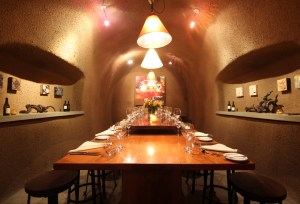
I tasted the Fairwinds 2013 Cabernet Sauvignon, Reserve ($110) deep inside the extensive cave system at Fairwinds Estate Winery. It originates from the volcanic soils of the local Kenefick Ranch Vineyard that sources Bordeaux grapes to many top producers. The fruit flavors are intense and opulent, but nicely balanced with the complex spice elements that dawdle on the finish.

Tasting in the caves at Fairwinds Estate

For another special dining experience, I recommend the highly reviewed Solbar, at the Solage Spa, east of downtown.  Fresh dishes classically prepared by chef Massimo Falsini like Tamales Bay Mussels, Petrale Sole Tacos and Steak Frites appear on Solbar’s lunch menu. Seasonal Cheeses and Seared Hudson Valley Foie Gras begin the ever-changing entrees like Sautéed Wild Steelhead with Foraged Mushrooms and Crispy Liberty Duck with Abalone-prosciutto ragu.

Aside from health and recreation, the Calistoga experience offers an array of fine wines and prodigious culinary choices at all levels.  For a get-a-way, it has it all.


Donum Estate Pairs Wine With Art


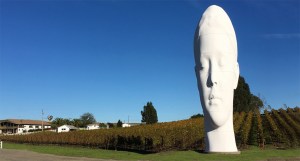
A mid-week pinot noir tasting at Donum Estate, in the heart of the Carneros, quickly turned to an experience that exceeded all my expectations. Entering the property from Ramal Road, we were greeted by Sanna, Giant Head, a huge white sculpture by Jaume Plensa that was peaceful and welcoming. Today would be about pinot noir and art, the latter in the form of magnificent sculpture gardens. As

Sanna, Giant Head by Jaume Plensa

a special treat, we had the opportunity to walk the estate with President/Winegrower Anne Moller-Radke.

Mollar-Radke first arrived on this property in 1981 after German investors purchased what was then the Buena Vista Winery.  In 2001, she sold Buena Vista and began Donum Estate with the single focus of making extraordinary pinot noir and chardonnay in the Burgundian-style.  Since the purchase by investors in 2011, Donum Estate, with Anne still at the helm, has evolved to produce highly reviewed wines from vineyards in three distinct appellations and assemble sculptures by world-class artists like Yayoi Kusama, Ai Weiwei and Louise Bourgeois.

Anne Mollar-Radke, President and Winegrower

Before tasting the pinot noir, we were welcomed with a glass of 2015 Donum Estate Carneros Chardonnay to accompany our walk through the vineyards and grounds.  The only chardonnay produced, this vintage is aged in 40% new French oak with no malolactic fermentation, but stirred on lees regularly over four months. With citrus and floral hints on the nose, the rich stone fruit flavors finish with pleasant honey notes.

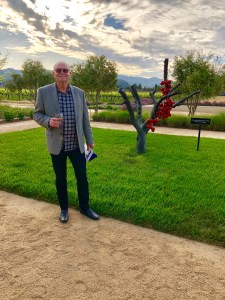
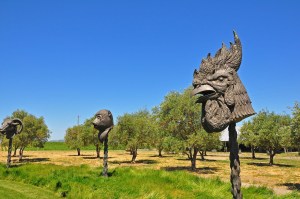
Glass in hand, we walked to the “Circle of Animals/Zodiac Heads” by Ai Weiwei, with the carved head of each symbol atop a pole in a circular ring of wild grasses and daffodils.

Circle of Animals/Zodiac Heads by Ai Weiwei

Before entering the small building that solely housed Bourgeois’s haunting “Spider,” we passed by the compassionate “Care For Oneself,” a large stainless steel depiction of a strong, healthy man, holding his sick, weakened self.

“Care For Oneself” by

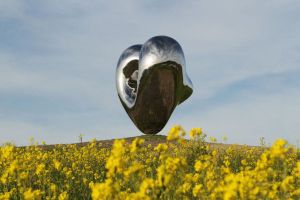
Inspired, we trekked up the hill to sculptor Richard Hudson’s “Love Me,” a huge stainless steel, three-dimensional heart that mirrors back alluring distorted images of the surrounding terrain. Returning to the modern, chic tasting center by way of the “Contemporary Terracotta Warriors” by Yeu Minjun, we met up with our host, Phillipe Herrarte, who would guide us through today’s pouring. The afternoon sun was warm after a light morning rain, so Phillipe opened the entire south-facing wall exposing a view of vineyards, outlaying marshlands and, in the distance, the new San Francisco skyline. I can get used to this.

All the Donum Estate pinot noir that we tasted was exceptional, but that would and should be expected from a team with this pedigree. Today was special.  At one sitting, we savored and

“Love Me” by Richard Hudson

compared flavors and nuance from three-fifths of California’s best pinot noir producing regions:  Carneros, the Russian River Valley and the Anderson Valley to the far north.

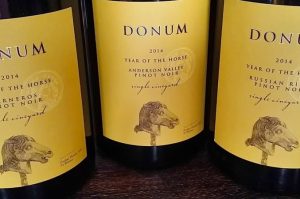
We began with two releases from the Carneros estate.  The 2014 Donum Estate Carneros Pinot Noir is blended from the best of three blocks while the earthy, single block 2014 Donum Estate Carneros West Block Pinot Noir, from arguably the best terroir in the appellation, delivered a spiced, red fruit and cherry bouquet with rich, layered flavors and a drawn-out finish.

Farmed by Anne since its inception in 1997, the Winside Vineyard is the source for the

Donum Estate pinot noir

2014 Donum Estate Russian River Reserve Pinot Noir, combining Pommard and Dijon 667 clones, aged in 71% new French oak.  Very aromatic, the red fruit flavors are acute, but nicely structured with a forest floor element through the finish.

Mendocino County’s Angels Camp Vineyard, near the Pacific Ocean, is planted with ten different clones, seven of which were used in the 2014 Donum Estate Angel Camp Vineyard Anderson Valley Pinot Noir.  Aged separately, the best barrels were selected and blended before bottling. The rich flavors were ripe and spirited with definite

Donum Estate vineyard

oak influences. I would definitely recommend all the wines, but when asked, I chose to re-visit the Russian River Valley Reserve.

Donum Estate is building a new production facility that will bring the entire operation on-site.  The experience here is rare; there is no other like it in the region.  It also brings the exclusivity that befits such a property.  Due diligence is required to decide if it’s all for you.  As for me, I want to go back soon.


Tasting Tensley Wines


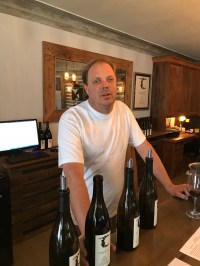
My first impression was that Joey Tensley is one laid back dude.  Only after discussing his various projects did I understand that this is one busy guy.  He has released the 20th vintage of his Rhone-style Tensley Wines, serves as winemaker for Paso Robles’ Carina Cellars and is expanding his “Fundamental” series, a tier of big value, everyday wines, each priced under $20.

Knowing that I would be in the area and always looking for an excuse to hang out in picturesque Los Olivos, I reached out to Joey. I had

Joey Tensley

read some recent good reviews and wanted to taste his Santa Ynez Valley syrah, sourced from vineyards on the eastern side of the Santa Barbara County wine region.

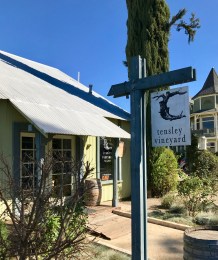
Tensley’s Los Olivos tasting room is on Alamo Pintado, just off the main intersection, the one with the old flagpole in the middle of the street.  The authentic charm of this place makes managing stress easier with good food and art to pair with the wine.  Today, tasting Tensley’s wines was at the top of my agenda.

By way of introduction, we began with the 2017 Tensley Colson Canyon Grenache Rose’ ($22), the first from this vineyard using grapes that were farmed and picked specifically for it. It is a tightly woven fabric of floral aromas with crisp, complex flavors.  With production limited to three barrels, it is hard to find.

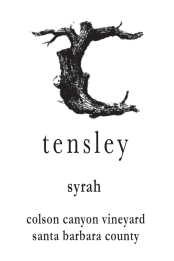
Joey has been sourcing grapes from the Colson Vineyard since the millennium, finally purchasing it in 2016.  New farming techniques and surgical watering have produced the 2016 Tensley Colson Canyon Syrah ($42), described as

Tensley Syrah Colson Canyon Vineyard

a balance of power and finesse and awarded 94-points from Wine Spectator magazine.  The deep dark color was alluring and the earthy qualities and firm tannins were balanced with forward fruit flavors. Previous vintages of this wine were named to Wine Spectator’s Top 100 list, #22 in 2009 and #17 in 2010.  If you’re partial to syrah, you should try this one.

While priced under $30, the 2016 Tensley Santa Barbara County Syrah ($28), sourced from three Santa Ynez vineyards, offers intense, concentrated dark fruit flavors with hints of peppery spice.  For me, it had a soft, accessible mouthfeel with attributes that will lead to more recognition.

A partiality to grenache peaked my interest in the 2016 Tensley “All Blocks” Red Wine ($34) where it is dominant (85%) and blended with syrah (14%) from the Colson Canyon Vineyard and a smidge of mourvedre (1%)from the Tensley Estate.  It has an earthy character that is balanced with expressions of dark fruit, all delivered with a luscious mouthfeel. Wine Spectator was also impressed, awarding it 94-points.

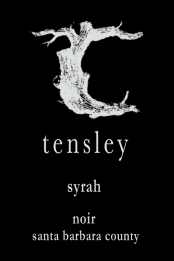
Comprised from the best barrels from both estate vineyards, the small production 2016 Tensley Syrah “Noir” ($55) is aged in 80% thirsty new French oak for sixteen months.  The flavors are

Tensley Syrah Noir

complex and layered with equal expressions of dark stone fruits, spice and minerality.  The tannins are evident and this wine will age gracefully in the cellar.

Joey has plans to expand his value-priced “Fundamental” series with a chardonnay, cabernet sauvignon and the white Rhone blend.  For now, he feels that his full-bodied 2016 Tensley “Fundamental” Red Blend ($18), combining syrah, mourvedre, petite sirah, grenache and viognier can compete with any other similarly priced release.  He’s probably right.

Tensley also serves as the winemaker for Carina Cellars with vineyards in the western hills of Paso Robles.  The grapes are transported south and wine is made at the production facility in the Santa Ynez Valley.  His work with Carina mostly focuses on Rhone-style blends, but I was impressed by the 2011 Carina Cellars

Tensley tasting room in Los Olivos

Zinfandel Paso Robles ($29), with intense, concentrated flavors and a luscious mouthfeel.  There seems to be a zinfandel style for every mood.  This one is more about Zumba than yoga.

First-class syrah and other Rhone blends have come out of Santa Barbara County for decades and current Tensley releases are earning recognition.  The ones we tasted ranged in price from $18 to $55 and there is enough diversity for most palates. I expect them to be among the top wines of this year.