Category Archives: Wine

Plumpjack and Terroir


I have wanted to visit Plumpjack Winery in Oakville for some time, interested in tasting their estate syrah whose past two vintages appeared on Wine Spectator’s Top 100 List.  Spending a few hours with winemaker Aaron Miller, I learned that Plumpjack is a lean and mean operation that focuses on doing the very best with what the land gives them.

A 1992 partnership between Gavin Newsom and Gordon Getty established Plumpjack Wine and Spirits, which stills thrives at different locations in San Francisco.  From that, Plumpjack Winery began in the Napa Valley, offering a menu of nearly twenty wines.  After joining the team, President John Conover persuaded the staff to limit production and concentrate on what the local terroir supports:  cabernet sauvignon and syrah. They have achieved this while expanding a family of wines that highlight different micro-climates throughout the Napa Valley

The 2015 Plumpjack Syrah ($60) was everything I thought it would be and comes with an interesting story.  It is sourced from two distinctive vineyards, the Stagecoach that sits above the Napa Valley floor and the Hudson in the cooler Carneros region.  The higher
Plumpjack Syrah Napa Valley

elevation adds intensity of fruit and cooler climates help retain the varietal character.  Balanced and powerful, the smokey, spice flavors nicely overlaid those of baked fruit for a rich mouthfeel

The 2015 Syrah is 30% pressed whole cluster and, according to Aaron is often done barefoot, “I Love Lucy”-style.  Sounding natural and authentic, he described it as exhausting, while creating small, painful acidic scratches on the feet and ankles.  I urged him to work through the pain and continue what he is doing.

The Plumpjack family now includes two other nearby wineries that exhibit distinct terroir and persona.  The Cade Winery, located on Howell Mountain to the North, experiences warm days and cool, windy nights while Odette, in the historic Stag’s Leap District is naturally cooler, known for combinations of clay, loam and volcanic soils.  We compared the characteristics of current cabernet sauvignon releases from each winery, all with recent reviews in the mid-nineties.

Plumpjack winemaker Aaron Miller

With minimal pruning to the vines,  Miller lets the fruit do the talking with his Oakville 2015 Plumpjack Estate Cabernet Sauvignon ($130), adding touches of petit verdot and malbec. Expressive, fruity aromas extend into jammy berry and cherry flavors with herbal notes, silky tannins and spice on the finish.

The soils up on Howell Mountain consist of more rock and less clay. In both aromas and
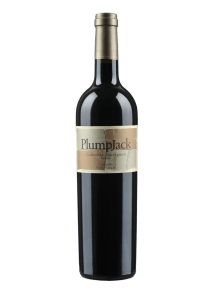
Plumpjack Cabernet Sauvignon

flavors, winemaker Danielle Cyrot’s 2015 Cade Estate Cabernet Sauvignon ($110), with small amounts of petit verdot and merlot added, has an earthy quality with hints of tobacco, coffee and cassis.  Muscular tannins are softened by a very rich mouthfeel.

Jeff Owens is a veteran winemaker who began with Plumpjack, became an assistant winemaker at Cade, before being named as head winemaker at Odette.  His 2015 Odette Cabernet Sauvignon Stag’s Leap District ($140) epitomizes the balance of power and elegance. Rich, concentrated dark fruit and spice on the nose and palate are nicely restrained throughout a lengthy finish.

Selecting one of these wines over another is like picking a favorite child.  In the end, they’re all great.  It isn’t a competition, but a rare opportunity to discover, first hand, the nuances of distinctive terroir that exist in a region simply known as the Napa Valley.

Among the reds, we managed to taste the 2016 Plumpjack Reserve Chardonnay Napa Valley ($50) that, again, is sourced from two unique appellations:  cool Carneros and warm St. Helena.  Aged in stainless steel (65%) and French oak (35%) with no malolactic fermentation, it has a crisp acidity with citrus, tropical and stone fruit flavors and a pleasant, creamy vanilla on the finish.
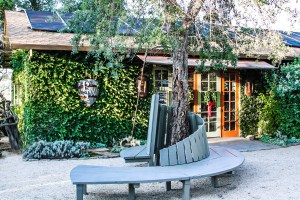
Plumpjack tasting room

Various tastings range from $50-$80 per person, but are not for everyone. Nonetheless, those with serious palates and an interest in education of the local terroir will be amply rewarded.

Plumpjack is in a good place.  They are happy with their growers and the estate vineyards are performing well. The plan is to continue with the current format, respect the land, treat each vintage as its own and strive to make extraordinary wines.

I
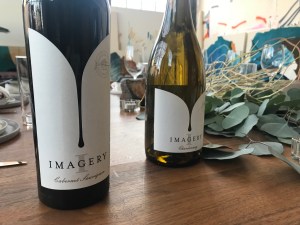

Pairing Imagery


Life is good. On a Tuesday evening, I explored the emerging Dogpath neighborhood in San Francisco, was introduced to young entrepreneurs and enjoyed a sublime dinner at Studio Table hosted by Jamie Benziger to introduce her new tier of Imagery wines.

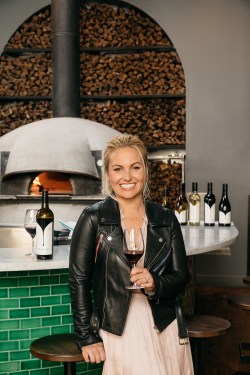
After discovering that we were neighbors in Santa Rosa, Jamie, 29,  and I discussed her new endeavor.  She was passionate and articulate in describing  her wines and their target markets. Yes, she is the daughter of Joe Benziger who started the Benziger winery thirty-five years ago.  The children, however, don’t get special treatment and are expected to earn any role that they play in the business

New Tier of Imagery wines

Jamie’s story is one of a young woman who grew up in the wine industry, went off to study at Loyola Marymount University before transferring to Sonoma State to study wine marketing.  She has paid her dues inside and outside the family business, including a stint in New Zealand, and is now partnering with her dad to create tasteful, affordable, food-friendly wines intent on broadening the palates of the next generation or anyone seeking a good value enhancement to their next dinner party table.

By all accounts, she has succeeded. From my perspective, the pivotal needs of her market have been addressed:  artistic labels,(c’mon,

how many of us have purchased wine solely for the label art?), screw caps that fit the modern lifestyle better than corks, affordability

Jamie Benziger

($16.99 per bottle) and complex wines that leave you with that “big bang for my buck” feeling.  Let’s speak to the wine in the context of the food pairing with comments by me and Chef Ben Roche.


First Course

Wine: 2016 Imagery Sauvignon Blanc

Winter Nicoise — “a hearty salad of frisee, scallops, and potato cream to complement the minerality and citrusy acidity of the Sauvignon Blanc.”

The sauvignon blanc blends 20% muscat from Lake County.  In the New Zealand-style, I found floral notes on the nose and  balanced, fruit-forward flavors with hints of grapefruit and a soft mouthfeel.  I enjoyed it solo as an introductory wine and with the scallops in potato cream.

Second Course

Wine: 2016 Imagery Chardonnay

Butter-poached vegetables, buttermilk and Buddha’s Hand  — “a buttery-but light dish with a floral touch bring out the mineral-forward quality of this unusual Chardonnay.”

The blended chenin blanc adds to the crispness and citrus elements of this wine that paired well with the vegetables.

Third Course

Wine:  2016 Imagery Pinot Noir

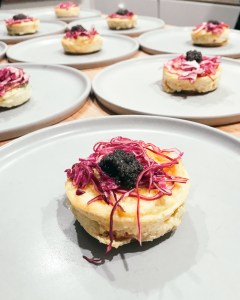
Pancetta & Leek Quiche with cabbage and caviar — “rich, caramelized pancetta and eggs from the land and the sea make this Pinot Noir sing.”

The addition of 20% petit verdot to pinot noir is unusual, but here it adds structure and body while softening the tannins for an accessible wine.  A terrific value.

Pancetta ans Leek Quiche was cabbage and caviar

Fourth Course

Wine: 2016 Imagery Cabernet Sauvignon

Duck Breast with cherry, mushroom, spinach — “earthy, savory flavors, bright cherry puree and robust duck come together for this big Cabernet.”

The enhanced spice element from the blended 15% petit sirah is evident throughout and there are soft “code blue” and cherry notes on the palate.  It would be difficult to find a better cab under $20.

Fifth Course

Wine: Port

Hazelnut Brownie with goat cheese and raisins — “a rich and savory dessert, finished with olive oil and a sprinkle of flakey sea salt, help the chocolate and dried fruit notes of this delightful port shine”.

This is a Sonoma County non-vintage blend of zinfandel, petite sirah and touriga nacional that is shipped direct to consumer.  The high 18% alcohol level was balanced and paired well with both the sweet and savory aspect of the dessert.

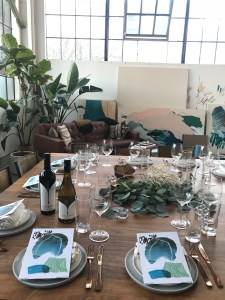
Studio Table is located in the loft and working studio of artist Heather Day. She has partnered with Michelle Wei and Chef Ben Roche in creating a unique, artistic fine dining concept with stated goals “to challenge expectations and create conversations.”  Jamie’s wines, with the design representation of a drop of paint running

Imagery wines at Studio Table

down the label, matched the elegance of the table with Heather’s hand-painted menus.

These are the finest $16.99 food-friendly wines that I have tasted in a long while.  The new tier of Imagery releases will help to grow interest in wine through good taste, quality and value.  I recommend that you try them.


Richard Longoria Wines


Years ago, while enjoying a dinner with friends at the Ballard Inn in the Santa Ynez Valley, we selected a local wine, the Richard Longoria Fe Ciega Vineyard Pinot Noir from the Santa Rita Hills.  The wine began my appreciation for cool-climate chardonnay and pinot noir from this appellation and of Richard as a winemaker who works the land.

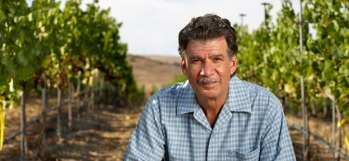
Richard and Diana Longoria established their winery in 1982 after building a résumé with other local producers.  Richard’s desire to make wines in the Burgundian style and the

Richard Longoria

unique terroir of the region remains a successful partnership.

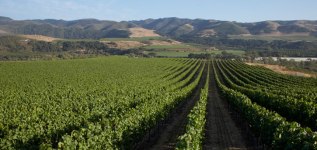
The Santa Rita Hills lie forty minutes up the coast from Santa Barbara on the north side of Point Concepcion, California’s only east-west coastal mountain range. The vineyards are directly exposed to cool nights, moderately warm days, wind and fog, protected only by the hills and valleys.  The soils are rocky, somewhat stressed and infused with marine sediment that helps to define the wines.

The Fe Ciega Vineyard is a great property in a prestigious neighborhood that includes Fiddlestix, Sweeney Canyon and Seasmoke vineyards among others.  The 2014 Longoria Chardonnay Fe Ciega Vineyard Santa Rita Hills ($50) is sourced from a few rows of Mt. Eden clone and is aged sur lee in only 26% new French oak.  Although Richard usually avoids malolactic

Fe Ciega Vineyard

fermentation in his chardonnay releases, nearly three-quarters of this juice went through it.  There is a distinctive herbal, earthy quality to the flavors and a balanced acidity on the finish.

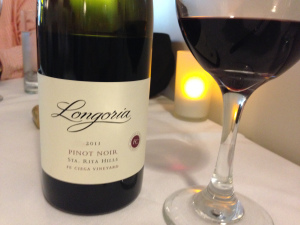
Longoria is cautious with new oak and doesn’t make any determinations until he analyzes the juice.  His signature wine, the 2014 Longoria Pinot Noir Fe Ciega Vineyard Santa Rita Hills ($55) was aged fifteen months in 40% new French oak resulting in complex herbal, fruit-forward flavors and soft, but clear tannins.  The “Fe Ciega,” which translates to “blind faith,” expresses the finer qualities of pinot noir in the appellation.

Whole-clustered pressed, the 2016 Longoria Chardonnay “Cuvee’ Diana” Santa Rita Hills ($45), with juice sourced from two vineyards, is aged separately for 14 months in 23% new oak, then blended before bottling.  The rich, creamy texture and baked fruit flavors explode on the palate and last through

Longoria” Fe Ciega” Pinot Noir

the finish.

What a difference a vineyard can make.  Sanford and Benedict is one of the oldest and most respected vineyards in the Santa Rita Hills.  In contrast to the Fe Ciega release, the 2014 Longoria Pinot Noir Sanford and Benedict Vineyard Santa Rita Hills ($50), aged fifteen months in 39% new French oak, exudes big, bold cherry pie aromas and flavors.  Drinkable now, this wine will get even better with some time on the shelf.

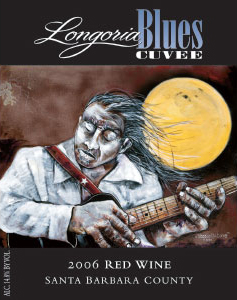
Richard’s favorite varietal from the region is actually cabernet franc.  The problem with cabernet franc is that it suffers from an ailment called “cabernet sauvignon love.”  It can’t compete. Years ago, he began using it in a unique Bordeaux blend with added syrah.  Are the French scorning or just envious?  Re-launching the disguised cabernet franc, he called the annual blend, “Blues Cuvee’ to honor his love of blues and jazz.  Each label has original blues-themed artwork, a perfect gift for those passionate about vino and vibes.

2006 Longoria Syrah Alisos Vineyard

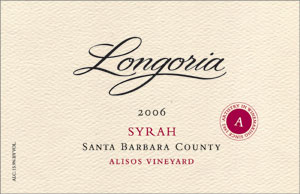
To my fortune, Richard pulled out a twelve-year-old bottle of syrah from the Alisos Vineyard, cooler than most that produce it.  The 2006 Longoria Syrah Alisos Vineyard Santa Barbara County ($40) had spice notes, but the expressive flavors were so integrated and soft, I was surprised to find an alcohol level of 15.9 percent.

Two very different varietals, both sourced from the Clover Creek Vineyard in the Santa Ynez Valley, are worthy of mention. The 2016 Longoria Albarino Clover Creek Vineyard ($25), offers a spirited acidity and clean stone fruit on the palate.  In the late-harvest, dessert wine category, the 2012 Longoria Syrah “Vino Dulce” Santa Barbara County ($23) is at the top of my list.  Albeit

Longoria Blues Cuvee’ label

sweeter, the herbal, spice qualities of the grape, along with rich fruit and berry flavors, are expressed throughout.  To sip it after dinner is captivating, but to pair it with chocolate is simply decadent.

Tonight, in honor of Richard, his 2014 “Fe Ciega” pinot noir was perfectly paired with the 1979 Bill Evans’ “Paris Concert, Edition One” recording.  It’s always a pleasure to sip and listen to “Quiet Now.”


Charbono!


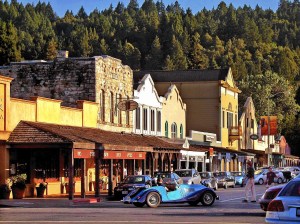
Calistoga in north Napa Valley is a distinctive place to visit with surrounding mountain vistas, a quaint downtown, specialty shops and increasingly fine dining, geysers, mud baths, petrified forests and, of course, world-class wine.  Fine cabernet sauvignon, chardonnay and sauvignon blanc are still on top but local winemakers have experimented with other varietals since the early 1900s, including charbono, grown almost exclusively in the Calistoga area.  A vast majority of the sixty-five California acres planted in charbono are

Calistoga

minutes from town.

Introduced to California as charbonneau and also known globally as douce noir, corbeau or bonarda, the origin of charbono is Savoie, part of the French Alps near the Swiss border where it was harvested as a food friendly red varietal used to soften blends.  Late-ripening California charbono is generally simple in structure, fruit-forward and soft on the palate.

Charbono began as an Italian varietal in the Savoie region before it shifted to France in 1860. Today, it is behind only Malbec as the second most abundantly planted grape in Argentina where it is known as bonarda.  Several winemakers in Calistoga have adopted the grape and seem determined to keep it alive including Larry Summers who calls it “the Rodney Dangerfield of wine,” noting that few people know of its existence.

The old Inglenook winery imported barbera to the region, only to discover later that it was charbono, first bottling it in 1941. They remained the largest producer of charbono in the 1970s when vines also began to appear in Mendocino County

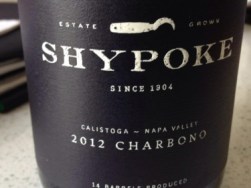
2012 Shypoke Calistoga Napa Valley Charbono

Pizza and charbono were on the menu at an event hosted by T-Vine Winery tasting room in Calistoga.  It began with a rare and earthy 1985 Inglenook Charbono.  The dark color and the deep, rich forest floor and tobacco leaf flavors were proof that the varietal benefits from aging.  Surprisingly, I have found this vintage on-line and at a local San Francisco outlet.

Winemaker Peter Heitz, great-grandson of immigrants who originally planted the vineyard in 1904, combined grapes with one planted in 1984 to produce nine barrels of the 2014 Shypoke Charbono Napa Valley Calistoga ($35) Herbal on the nose, the rich, tart fruit flavors exercise the palate.

Summers Winery, where I tasted my first Calistoga charbono years ago, was pouring two wines including the Summers Rose’ of Charbono 2014 ($30) that had a refreshing sweet and savory quality with hints of strawberries throughout.  It’s easy to recommend this unique wine.

Summers Rose’ of Charbono

Volcanic soil is prevalent throughout the Calistoga appellation including the estate Villa Andriana Vineyard that produced the nicely structured Summers Charbono 2014($34) with nutty aromas and restrained, complex flavors.  Some of these vines were affected by the recent Tubbs Fire that could impact future releases.

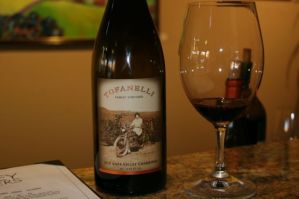
Dry-farmed and organic, the Tofanelli Family Vineyards in Calistoga has produced estate wines on this land since 1929. Their 2014 Tofanelli Estate Charbono ($43) blends 15% petite sirah for a richly textured wine that delivers a floral bouquet, ripened blueberry flavors and a slate finish.

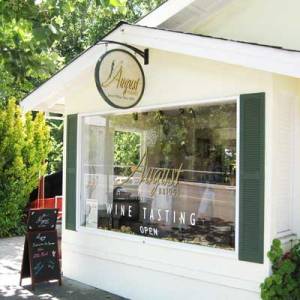
A Calistoga boutique winery, August Briggs produces small lot wines in a prolific way.  Today, they have fifteen different releases with various varietals, all produced in

Tofanelli Vineyards Napa Valley Charbono

small amounts.  From two local vineyards, the August Briggs Calistoga Napa Valley Charbono 2014($38) was self-described as their best vintage.  It is an impressive 100% charbono and at the top of those tasted.  Rich texture, concentrated blueberry flavors and soft tannins bring an intricacy to the wine.

After tasting the August Briggs Calistoga Napa Valley Charbono 2006, I may differ with their assessment of the vintage 2014 as the best ever. The deep color and lush mouthfeel were beyond compare.  Enjoying the integrated, complex flavors, doughy tannins and long finish outweighed any need to dissect it.  I can only imagine tasting the vintage 2014 in 2026.

Whether you choose Calistoga for the natural beauty, exercise and health opportunities, fine dining or the wine, be reminded that it is the only place in the United States where we can spend a day exploring the charbono grape and the expressive wines it produces.

August Briggs Tasting Room in Calistoga

Charbono deserves our respect and wine lovers everywhere have a self-serving obligation to keep it alive and thriving.


Sojourn in Sonoma


The Sonoma Square is a peaceful place.  I’m rarely in a hurry there and, aside from finding a weekend parking spot, the surroundings bode well for managing stress. In addition to the quaintness, the California history and fine restaurants like Cafe Le Haye, Girl and the Fig and El Dorado Kitchen, it’s about another treat described as “Pinot on the Square.”  Within the next several weeks, I will feature local spots for tasting fine pinot noir and cool-climate chardonnay, each offering a private, stylish setting and hosts that are passionate about the wines and their story.

Our first stop is Sojourn Cellars on East Napa Street where I met with Director of sojourn-cellars1Marketing Sherrie Perkovich.  My first introduction to Sojourn was in 2007 at an annual Pinotfest event in Pasadena and I have closely followed their releases since. This tasting would include a chardonnay from a noted vineyard, three pinot noir releases and a Napa cabernet sauvignon.
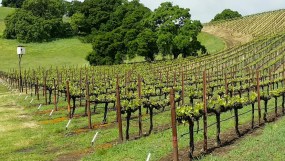
In the past month, I have tasted four chardonnay releases from the Durell Vineyard, all from separate wineries. It straddles the boundaries of the Sonoma Valley, Sonoma Coast and Carneros AVA’s and has produced highly sought after juice for decades. The well rated 2015 Sojourn Durell Vineyard Chardonnay Sonoma Coast($48) is 100% Wente clone stock, pressed whole cluster with full malolactic fermentation, aged in forty percent new French oak and has the known

durell-2

Durell Vineyard

qualities of low-yield vines. There is a restrained intensity in the bouquet with complex, layered stone fruit flavors and a soft “wet stone” finish.

Terroir defines the wines. It starts with the stock, then the dirt and the winemaker only comes in at the end. To that point, we tasted a flight of vineyard-designate pinot noir, each with distinctive qualities.

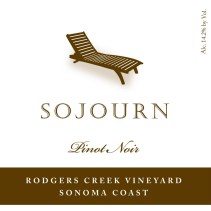
Located at the foot of the Petaluma Gap, the Rogers Creek Vineyard is, interestingly, the furthest east, but the coolest and last one harvested.  The cool winds thicken the skins, the grapes struggle and the result is deep, more intense flavors.  Using the Pommard clone, the 2016 Sojourn Rogers Creek Vineyard Pinot Noir Sonoma Coast ($48), 140576hyounger than the others, had the most expressive aromas and flavors of the flight.
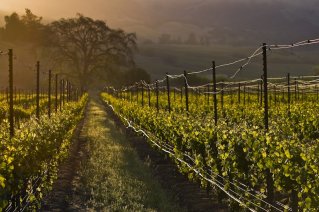
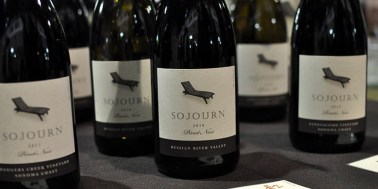
From a popular local Sonoma vineyard, the 2015 Sojourn Pinot Noir Sangiacomo Vineyard Sonoma Coast ($59) offered definitive pinot noir aromas and flavors with shades of spice. More earthy and textural than the Rogers Creek, the Sangiacomo experienced low yields in 2015, that enhanced its fruit flavors.

28787731

Sangioacomo Vineyard

The earthiness and the savory side of the 2015 Sojourn Pinot Noir Reuling Vineyard Sonoma Coast ($69) made it the most distinctive wine we tasted.  I enjoy many Sonoma Coast designated pinots but the name is deceiving in that the appellation extends to vineyards miles inland.  The Reuling Vineyard is located between Forestville and Graton, next to the northerly Russian River Valley. The stock is Calera clone and some so-called “suitcase clones” smuggled in from Burgundy.

With the Reuling, typical vanilla spice bouquet and cherry flavors defer to those more earthy and herbal.  Head winemaker Eric Bradley is said to prefer unpretentious, natural wines and this release is a fine example.

Our last tasting reconfirmed my opinion that the 2015 Sojourn Cabernet Sauvignon post-sojourn-cellarsHome Ranch Cuvée Sonoma Valley ($59), and earlier vintages, is one of the best value cabs in the state.  From a vineyard originally planted by Sojourn proprietor Craig Haserot in 2007, the flavors of the “Home Ranch” are intense, but balanced and smooth tannins surface throughout the finish.  It has received many rating in the low to mid-nineties.

For those with more discerning palates, Sojourn produces a few cases of high-end cabernet sauvignon from well-known Napa Valley vineyards including the 2014 Sojourn Cabernet Sauvignon Beckstoffer Georges III Rutherford ($125), awarded 95-points by Robert Parker, the Wine Advocate.

Any wine tasting excursion on the Sonoma Square should include the little house on East Napa Street where Sojourn provides enlightened comparable tastings in a private setting, complete with Reidel stemware. As with other local wineries, there is a $35 tasting fee but your minds and palates will be broadened.


Mumm’s The Word

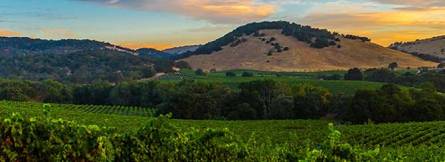
View from Mumm Napa tasting room

There is the intriguing story of how Mumm Napa Estate was established on the Silverado Trail in the early 1980s and how that has lead to their current production of over 450,00 cases per year, all in the acclaimed methode traditionelle.  However, after sitting down with winemaker Ludovic Dervin, I found that the real story is how Mumm Napa Estate has become engrained into the fabric of the Bay Area.

Mumm Napa emerged from an idea and partnership between Champagne Mumm of France and Joseph F. Seagram and Sons of New York to research the best location in the U.S. to make sparkling wine.  They hatched a secret plan called “Project Lafayette” in honor of the friendship between the Marquis de Lafayette and Thomas Jefferson and dispatched seasoned Champagne master Guy Devaux to lead the search.

With the only rule requiring that the wines be made from traditional

Champagne grapes chardonnay, pinot noir and pinot meunier, Devaux traveled from New York to Oregon to Texas before declaring, in 1984, the Napa Valley as the premier appellation in America.

The sublimely inviting Rutherford site was completed in 1987 in a serene setting that co-exists with the Napa Valley vineyards off to the west. Secure in their ability to source outstanding grapes, Mumm Napa Valley has also established the 112-acre DeVaux Vineyard in the Carneros region, named after the Founding President who passed away in 1995.

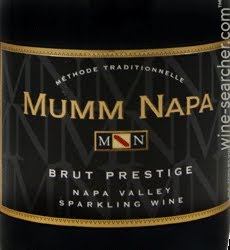
Mumm Napa Brut Prestige

As the tasting began, a smiling Ludovic Dervin said, “I’m partial to the Brut Prestige because it is the wine that will put my kids through college.”  The large production Mumm Brut Prestige Napa Valley ($22), is the one that is readily available in wine outlets and supermarkets, good quality at a reasonable price.  He further described a “four-wheel drive” wine with pinot noir providing the muscle, chardonnay the finesse and a bit of key lime.  Pinot meunier and pinot gris add the stone fruit flavors and the consumer delights in the opportunity to contribute to the kids schooling.

The methode traditionelle in making sparkling wine starts with quality grapes and good harvesting practices.  The grapes are picked at 18-24 brix and to reduce bruising, Mumm presses the grapes in the vineyards, then transports the juice to the winery.  The varietals are fermented individually, then blended prior to tirage, the transfer from the barrel to the bottle for secondary fermentation and aging.

Automated or by hand, the bottles are held at steep angles and rotated for days, a process known as riddling. With the bottles

Lyle with Mumm Napa winemaker Ludovic Dervin

upside-down and the yeast lees sediment settled in the neck, it is frozen to 24 degrees Celsius, encapsulating the yeast deposit in an ice plug.

Disgorging occurs when the temporary cap is removed and pressure forces ice plug out. Finally, a small amount sugar solution is added to each bottle, called dosage, and the final cork and muselet wire is secured.

We tasted ten different sparkling wines at various price points, some readily available, others, like the Mumm Brut Reserve Napa Valley ($39) and the Mumm Sparkling Chardonnay Napa Valley ($48),only at the winery or to club members.

Ludovic hinted that the Mumm Cuvee’ M Napa Valley ($22), with thirty grams of residual sugar, targets Millennials who grew up with a sweet tooth. This wine is all

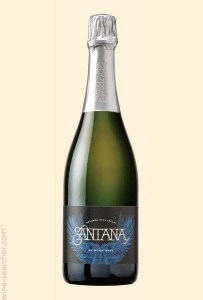
Mumm Napa “Santan”

about peaches and cream with sweetened stone fruit flavors.  Actually, the “M” honors the late-harvest muscat used in dosage, something prohibited in Champagne.  “It’s fun to make sparkling wine in California,” Dervin added.

The vintage specific 2010 Mumm Napa DVX ($65), from the best of the Carneros grapes, is equal parts pinot noir and chardonnay, the perfect balance of power and finesse.  Aged on yeast for five years, the complex and balanced flavors were the highlight of the day.

Two gallery spaces are part of the tour, a permanent Ansel Adams photograph exhibit and a rotating private collection gallery. Always present in the Bay Area lifestyle, Mumm produced all the champagne for each of our San Francisco Giants World Series victories and partners with guitarist Carlos Santana on a special “Santana Series” of releases that benefit his Milagro Foundation.

Mumm Napa DVX

An afternoon at Mumm Napa Valley in Rutherford is time and investment well spent.


Rusack’s Island Wines


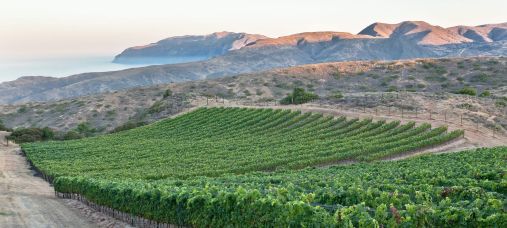
A few miles from the town of Solvang, in north Santa Barbara County’s Ballard Canyon area, lies the estate vines of Rusack Vineyards, a small boutique winery producing well-reviewed syrah, pinot noir, sauvignon blanc and other varietals. Established in 1995, Geoff and Alison Wrigley Rusack have developed a reputation for consistency and innovation.  However, it was an idea and an opportunity years ago that lead to a project truly unique to the wine community.

Alison’s great grandfather, William Wrigley, Jr., of chewing gum fame, headed a company that owned Santa Catalina Island.  While the property was deeded over to the Santa

Rancho Escondido Vineyard on Santa Catalina Island

Catalina Island Conservancy years ago, the family retained ownership of a few parcels, namely the old Rancho Escondido horse ranch site on the westside of the island.  It was there, after some study and research, that the Rusack’s decided the terroir, similar to California’s other Burgundian-style growing regions like the Russian River Valley and Santa Rita Hills, was ripe for pinot noir and cool-climate chardonnay.  In 2007, they established a five-acre vineyard on the old site with 2.5 acres of chardonnay and two acres of pinot noir, leaving a small sliver for something totally out-of-the-box.

Geoff caught wind of a story about some old vines that had survived on Santa Cruz Island, off the coast of Santa Barbara.  He received permission to take some cuttings which were sent to the University of California, Davis and determined to be zinfandel.  Apparently, the vines, planted around the turn of the century, produced wine until Prohibition. More cuttings were taken and planted in the remaining half-acre and, in 2007, an experiment that reached far beyond most people’s imagination, began.

Rusack Santa Catalina Island Pinot Noir

In 2009, amid much anticipation, Rusack released the inaugural vintage of their Santa Catalina Vineyard wines and, those willing to take a risk on a brave idea, committed to an Isla Wine Circle membership, receiving one bottle each of chardonnay, pinot noir and old-vine zinfandel in a monogrammed wooden box.  While the entire story is intriguing, the gauge of success would be the quality and sustainability of the wine. Recently, the seventh rendition in the wooden box was released and, by all accounts, their experiment has been a huge success.


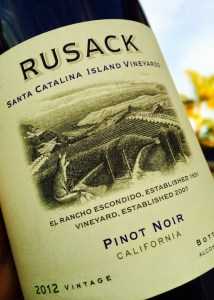
An earthy quality distinguishes the Rusack Catalina Island Pinot Noir 2014($72) from many other fruit forward pinots. Citrus and cinnamon aromas lead to tart, full flavors of cherry and cranberry that soften during the finish.  Wine Enthusiast magazine, awarding the 2014 release 92-points, described a “strong sagebrush quality” that, in my mind, does not distract, but nicely balances the expression of fruit.  Fermented in macro bins and aged in French oak, 50% new, only 1,500 bottles of this unique wine exist.

The island’s highest rated chardonnay release to date is the Rusack Catalina Island Chardonnay 2015 ($60), granted 92-96-points by the major periodicals.  Barrel fermented with 100% malolactic fermentation and multiple lees stirrings, it has a wonderful silky texture that expresses flavors of vanilla, oak, nuts and butterscotch.  Those preferring citrus and tropical fruit qualities might be disappointed except for complexity of the flavors and the rich, soft finish that this wine delivers.

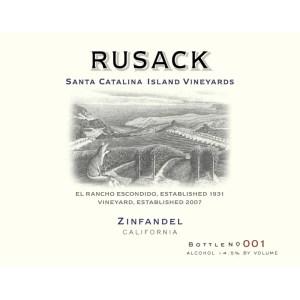
There are many fine California zinfandel releases on the market, none with more history and backstory than the Rusack Catalina Island Zinfandel 2014($72).  In this vintage, the small half-acre planted in zinfandel produced only 205 cases.  Aged sixteen months in a combination of French and American oak, there are strong spice notes in the bouquet followed by flavors of plum, cedar and various spices.  Once the wine opened up, the tannins softened and the lush texture came to the surface.  As with much zinfandel, this wine can be enjoyed immediately or within the next decade.

Rusack Santa Catalina Island Zinfandel

I recently paired the 2013 vintage of the zinfandel with a diverse cheese plate of chèvre goat cheese, smoked gouda and Roncal, a sheep’s cheese from Spain and it was compatible with each.

The seventh vintage, including the 2015 pinot noir and zinfandel along with the 2016 chardonnay, was released last November. Rusack’s Santa Catalina Island project has been a success and answered any questions about the vineyards ability to produce sustainable, high quality fruit.


Where’s WALT


Vintners Craig and Kathryn Walt Hall, purveyors of fine Napa Valley cabernet sauvignon, have developed a large following of wine lovers, enamored by the magnificent grounds and sculpture gardens, events, a state-of-the-art tasting and production facility and, of course, a menu of annual releases for the more discerning palates, including their signature 2014 Kathryn Hall Cabernet Sauvignon.

Inspired by the memory of Kathryn’s parents, longtime growers Bob and Dolores Walt, they embarked upon a new venture a few years ago to produce high quality pinot noir and cool-climate chardonnay, something that required a new mindset.  Perfect terroir is important to all varietals, but essential if there is any chance of success with these two

WALT tasting room at Sonoma Plaza

.

WALT’s perspective is narrow in that they are continually seeking to produce or source the best grapes from specific vineyards, but broad in that they are present in all pinot noir appellations from Oregon to Santa Barbara. They have become a one-stop shop to explore literally “a thousand miles of pinot,” producing 23,000 cases annually of low yield, boutique wines.

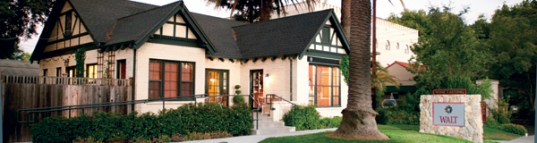
We recently joined our hosts, General Manager Jeff Zappelli and Wine Educator Terry Cush in the small Tudor-style bungalow off the Sonoma Plaza to taste some current releases and to discuss where they are and where they are going.  It was a study in terroir and well-known vineyards.

Full malolactic fermentation and numerous lees stirrings give the creamy, rich texture and soft minerality to our first wine, the 2016 WALT Sonoma Coast Chardonnay, with fruit from their estate Bob’s Ranch Vineyard east of Sebastopol.  Sur lees aging and French oak give us creamy California-style texture with balanced citrus and stone fruit flavors.

Sheas Vineyard

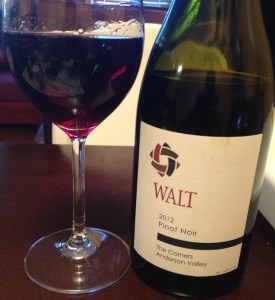
From one of Oregon’s best known vineyards, sourcing grapes to the likes of Bergstrom Wines and Penner-Ash, the 2015 WALT “Shea” Willamette Valley Pinot Noir offers dense, concentrated flavors with spice on the finish.  Similar to Shea, “The Corners” Vineyard in the Anderson Valley has sourced grapes to many wineries.  The vineyard, now owned by WALT, is in Booneville, south of the valley’s more northern marine-influenced vineyards. More heat means more flavor, better mouthfeel and the 2015 WALT “The Corners” Anderson Valley Pinot Noir may be your only opportunity to enjoy it.

The Sierra Mar Vineyard is owned by Gary and Rosella Franscioni, pioneer growers in the Santa Lucia Highlands, arguably California’s best appellation for pinot noir. The vineyard is at high altitude and exposed to the elements, producing a bright acidity to the 2015 WALT “Sierra Mar” Santa Lucia Highlands Pinot Noir that exudes a rich mouthfeel and concentrated plum flavors with spices overtones. Wines from this appellation deserve our attention.

At nearly one thousand feet elevation, the Rita’s Crown Vineyard, recently acquired by Seasmoke Cellars, is exposed and

2012 WALT “The Corners” Pinot Noir Anderson Valley

windswept, facing due west only seven miles from the Pacific Ocean. From diatomaceous soil and slightly stressed vines, the 2015 WALT “Rita’s Crown Santa Rita Hills Pinot Noir has an earthy quality with silky tannins, expressive fruit and minerality on the finish. Seasmoke plans to continue sourcing grapes to fine producers like WALT, so we can expect more of this exceptional release.

Now that WALT is leasing and managing Santa Barbara’s iconic Clos Pepe Vineyard, just off highway 246 in the Santa Rita Hills appellation, we can expect more fine releases.  From the dark color to the rich, bold flavors, the 2015 WALT “Clos Pepe” Santa Rita Hills Pinot Noir was, without question, the most masculine wine of the tasting.  The flavors were lush and complex with enough earthy tones on the finish to pair well with most food.

WALT has an aggressive business plan that has given them access and a strong presence in all major pinot noir growing regions. Their pedigree and commitment to quality are good indications of continued growth and success.  Jeff Zappelli spoke of plans for a large, “green” production and tasting facility in Sebastopol that can continue to grow the brand in a sensitive and sustainable manner. This sounds pleasingly familiar to the Hall’s style of doing it the right way.

Clos Pepe Vineyard

For today, visiting WALT in the small bungalow on First Street is a must when visiting the Sonoma Plaza, but with a reservation.  Take the opportunity to refine your pinot noir palate by exploring all of its diverse and stunning terroir.


Why Grüner Veltliner?


Just when we’ve become comfortable with the pronunciation and flavors of chardonnay, sauvignon blanc, viognier, roussanne and others, someone suggests a grüner veltliner (grew-ner velt-LEENER). Some may ask, “What is this?,” others merely, “Why?”

Domaine Wachau along the Danube River

To the first question, it is the most indigenous and abundant grape in Austria.  Miles outside of Vienna, in regions like Wachau, Kamptal and Kremstal within the broader Lower Austria, grüner veltliner vines grow, side by side, with riesling on terraced slopes above the Danube River.  To the second question, that terroir with traditional winemaking practices make concentrated and expressive wines not to be overlooked.

Grüner Veltliner is Austria’s national grape, accounting for one-third of their total production. With nearly 43,000 acres under vine, they understand the need for deep, loose soil that maintains moisture, climate that retards disease and willingly accept the required commitment of closely regulated pruning.

Austrian releases are significant white wine options that often fall under the radar. However, plantings of grüner veltliner by U.S. winemakers has increased awareness and availability. Grown in many California regions, other releases from Oregon and New York state are also on the rise.

My interest in the varietal peaked a few months ago when I tasted the 2011

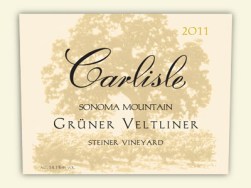
2011 Carlisle Gruner Veltliner Steiner Vineyard

Carlisle Grüner Veltliner Steiner Vineyard (92-pt), sourced from the mountains in southeast Sonoma County.  It actually served as the opening to a tasting of zinfandel and syrah, but I was drawn to the complexity of the white wine.  Set between the spice and floral nose and the mineral nuanced finish were citrus, tropical and stone fruit flavors for the palate

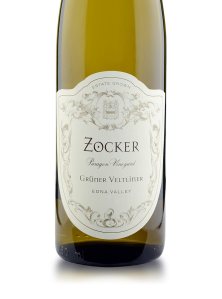
Days later, at Sessions at the Presidio, I paired a glass of Zocker Paragon Vineyard Grüner Veltliner 2015 with grilled fish tacos and cumin slaw. Sourced from the Edna Valley southeast of San Luis Obispo, it’s subtle spice and more concentrated melon and fruit flavors with

Zocker Paragon Vineyard Gruner Veltliner 2015

patented mineral finish was the right wine for my meal.

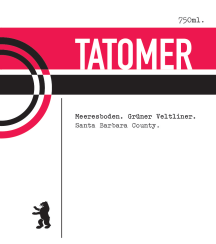
Focusing on riesling and pinot noir from the cooler Santa Barbara climate, Graham Tatomer produces a few grüner veltliner releases. The 2015 Tatomer Grüner Veltliner Meereboden Vineyard (90-pt) offers nice stone fruit flavors with a finish described as “kelp-like.” The vineyard’s name translates to “ocean soil” that, in this case, is a combination of sand, diatomaceous earth and loam.

These three California-grown releases from

northern, central and southern terroir illustrate the diversity of the grape and our state.  Outside of California, this varietal seems to flourish on each coast.

Chehalem Winery in Oregon’s northern Willamette Valley mainly focuses on single-

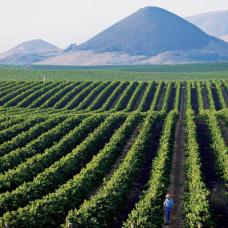
Paragon Vineyard

vineyard pinot noir.  During our last visit, we enjoyed a very nice grüner veltliner from the Ribbon Ridge appellation. Their current release, the 2015 Chehalem Grüner Veltliner Wind Ridge Block uses both stainless steel and neutral oak for fermenting and has been well-reviewed.

In Austria, grüner veltliner and riesling vines are often grown together.  It was only a matter of time that Fingerlakes Lakes, New York, origin of our country’s best riesling, would begin to produce it’s collaborator.  The Herman J. Wiemer Grüner Veltliner 2014, the second

2015 Tatomer Gruner Veltliner Meeresboden Vineyard

release from the noted producer, is available at some Bay Area wine outlets.

In an article debating the merits of grüner veltliner, the author described a friend who was skeptical until he shared “an F.X.” with him.  Afterward, as its told, his friend was hooked forever on the varietal.

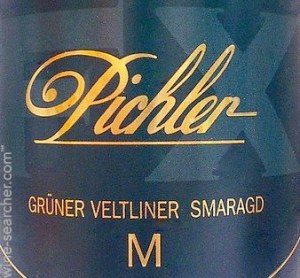
The name F.X. Pichler, from the Wachau region, is associated with, arguably, the world’s finest and most expensive grüner veltliner.  Having tasted an F.X. Pichler wine years ago, I recall the creamy texture that I later learned was created from the batonnage (sur lee) process.  After glowing reviews, Wine Advocate declared that the 2015 F.X. Pichler Steinertal Grüner Veltliner Smaragd Wachau (93-pt) delivered complexity and a balance of “richness with tension and invigoration.”  While not fully comprehending what that means, it does sound intriguing.

2015 F.X. Pichler Steinertal Gruner Veltliner Smaragd Wachau

Last evening, in my American mid-century home,  I enjoyed the Carlisle Sonoma County Grüner Veltliner with a slab of French Comté cheese and a great jazz recording by the Polish-based Marcin Wasilewski Trio. It was the perfect global pairing and I may do it again tomorrow.  Why not?


Wines For Dessert


While entertaining during this season, many are ditching the traditional apple or pumpkin pie for a thoughtful fruit and cheese

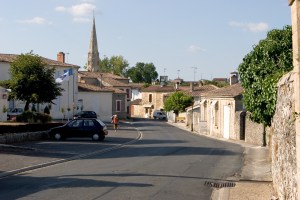
Village et vignobles de Sauternes

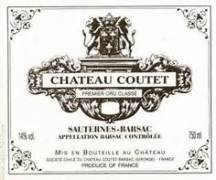
plate paired with a port-style or late-harvest dessert wine. The most famous and expensive dessert wines on the planet are from Sauternes and Barsac, south of Bordeaux France.  For the past two years, the Chateau Climens Barsac 2013 ($68/97-pt) and the Chateau Coutet Barsac 2014 ($37/96-pt) are among Wine Spectator magazine’s top five releases worldwide. They are both a blend of Semillon and Sauvignon blanc, the same grapes used in the classic Bordeaux white wines. The difference lies in something nicknamed the “noble rot.”

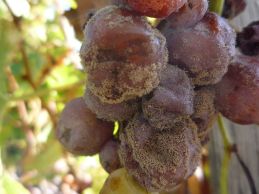
Mold is a natural enemy in the vineyards and can quickly destroy plants.  However, the renowned Sauternes are among those “botrytized” wines, that oddly benefit from

Chateau Coutet Barsac

the encouragement of a mold called Botrytis Cinerea.  High humidity make the plant susceptible to the rot which, primarily during late growth, turns the grapes to raisins and sweetens the juice.  Botrytis may sugar-coat the Sauternes, but they maintain the complex flavor profile and other attributes of traditional white wine from the region.

Although the Sauternes I have tasted are unmatched, the typical $50-75 per bottle cost is beyond mine and many budgets.  Albeit difficult to dissuade someone from experiencing these great releases, common sense suggests that we look to more affordable and accessible choices

Grapes with Botrytis Cinerea

in California.  Pairing any of these dessert wines with rich cheeses like Rogue River Bleu from southern Oregon or Point Reyes Bay Blue with some sage honey and a bit of chocolate may draw you closer to nirvana.

Vincent Arroyo Winery in north Napa Valley has produced their petite sirah port-style wine for over twenty years in the authentic method of using grapes from one vintage only.  Petite sirah is compatible with many palates and some of the best comes from this region.  Clearly identified by a striking silver embossed label, one remaining 2012 Vincent Arroyo Port sits in my cellar.  It is a rich, balanced, age-worthy port and I trust the current vintage is as well

.

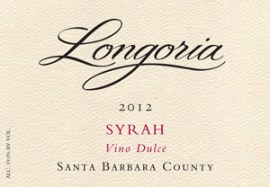
After I first tasted the full-bodied 2010 Richard Longoria “Vino Dulce” Syrah Santa Barbara County ($23) paired with fine chocolate, I lost all self-control and had seconds.  What I love about this port-style, single-varietal wine is that, although fortified, the complexities in the syrah are still evident.  The spice aromas are protuberant and the cherry flavors are baked,

2012 Longoria Vino Dulce Syrah

balanced and expressive.

Wines sourced from San Benito County vineyards are interesting because of the heavy limestone influence in their soil. Vista Verde Vineyard, south of Hollister, is a familiar one.  The Williams Selyem Port Vista Verde Vineyard 2010 ($30), and earlier vintages are rich and complex, aged forty months in oak barrels. Look for fig and floral aromas, dark berries flavors with a nice “Snickers Bar” finish that romances the palate.

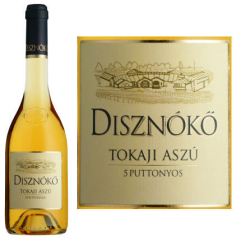
Last week at a dinner party with friends, I shared the Hungarian “botrytized” wine, Disznókő, Tokaji Aszú 5 Puttonyos 2008 ($45), a classified first growth release and considered the finest wine in the Tokaji region. After initial hints of citrus,

Disznoko Tokaji Aszu Puttonyos 5

the other elaborate flavors melded into a potently polished rich mouthfeel. While this special after dinner wine pairs well with a variety of cheeses and chocolates, it can be dessert on its own.

For those curious about Sauternes, I did a quick net search of local Bay Area wine outlets and found several priced in the $20-$30 range.  The top-rated wine was a 2001 Guiraud Sauternes ($60), which received a 96-pt rating from Wine Spectator and was on their “Top 100 Wines of 2004” list describing flavors of “butterscotch and vanilla with hints of ripe apples.”  It’s there for the taking, but, as we have discovered, there are many delectable options to choose from.