Category Archives: Wine

Wine Spectator’s Top Wines of 2016


Envelopes, please. ’Tis the season for Wine Spectator magazine to release their Top 100 Exciting Wines Of 2016, an annual tradition since 1988.  Although there are other reputable lists, the Spectator’s Top 100 is like the Oscars, much suspense, but if one reads the monthly, many of them are not surprises.  Differing from their standard reviews, this list has a criteria, one that needs to be understood for the whole thing to make sense.  Wines are ranked by the editors based upon quality (wines with 90-point
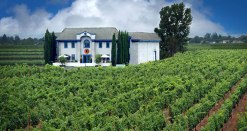
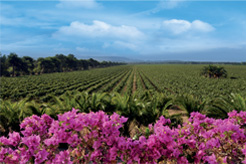
Lewis Cellars and vineyard

Lewis Cellars and vineyard

or above ratings only), value (cost), availability and excitement, the last criteria rumored to generate the most spirited discussions. This may explain why the Hartford Family Zinfandel Russian River Valley Old Vine 2014 (93-pt/$38) was ranked #10 on the list and the A. Clape Cornas (96-pt/$120) number 87.  I can go to nearby Healdsburg to taste and purchase our local zinfandel while the French Rhone blend is more expensive, more difficult to find and won’t be ready for drinking until 2020.

With the criteria in mind, the magazine has selected the Lewis Cabernet Sauvignon
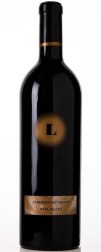
Lewis Cabernet Sauvignon Napa Valley 2013

Lewis Cabernet Sauvignon Napa Valley 2013

Napa Valley 2013 (95pt/$90) as the seventh Napa Valley cabernet sauvignon to be named Wine Of The Year in its nearly three decade history. The Lewis’ cabernets have been on the radar of wine experts since their inaugural vintage, the best ones deemed and recognized as special.  This wine has been named to Wine Spectator and other periodicals Top 100 and Top 10 lists on many occasions.

Randy Lewis was a former Formula One and Indy 500 race car driver
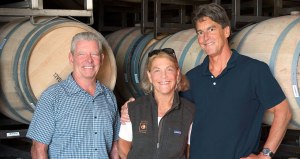
Randy, Debbie and Dennis Lewis

Randy, Debbie and Dennis Lewis

.  A crash into the wall during trials in the early nineties helped channel racing partners Randy and Debbie Lewis into winemaking partners, releasing their first vintage in 1994. Lewis is known for being patient with the vines, preferring the grapes fully ripened.  The result has been rich, elegant, lengthy wines and the 2013 vintage, described by Senior Editor James Laube as “a hedonistic wine experience from a spectacular vintage,” apparently, is one of their best.

The other top ten wines are equally interesting featuring two Oregon releases in the top five, whites from Bordeaux, a more obscure Italian region, a historic vineyard, a history family and a consistently good blend from California.

I am quite familiar with the Domaine Serene Winery in Oregon’s Willamette Valley, especially their 2012 vintage pinot noir releases.  Owners Ken and Grace Evenstad, who have produced fine pinot noir grapes for years, began in 2010 to combine choice barrels
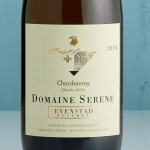
Domaine Serene Chardonnay Dundee Hills Evenstad Rserve 2014

Domaine Serene Chardonnay Dundee Hills Evenstad Rserve 2014

from single vineyards to create the Domaine Serene Chardonnay Dundee Hills Evenstad Reserve 2014 (95-pt/$55), Wine Spectator’s #2 wine. I am intrigued by descriptions of minerality with layered and lengthy flavors, all pointing to elements of a Burgundian white. From a terrific winery, this wine will soon be in my search engine. It is back to back Oregon releases with the #3 Beaux Frères Pinot Noir Ribbon Ridge The Beaux Frères Vineyard 2014 (95-pt/$90)from a respected producer, also from the northern
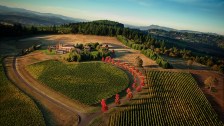
Evenstad Vineyard

Evenstad Vineyard

Willamette Valley.  Senior Editor Harvey Steiman’s characterization of “supple, expressive and multilayered flavors” is enough to peak my interest.

That two Bordeaux wines placed in the Top 10 is somewhat normal, the fact that they are both white wines is anything but.

The #4 Château Climens Barsac 2013 (97-pt/$68) is a sweet wine made from
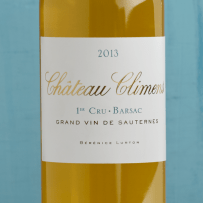
Chateau Climens Barsac 2103

Chateau Climens Barsac 2103

semillon grapes, produced at a biodynamically farmed, certified organic winery located south of Bordeaux along the left bank of the Gironde River, north of the famous Sauternes region.  The first Barsac named to the Top 10, this wine used only sémillon grapes infected with Botrytis cinerea, the “noble rot” and is described as balanced, with ample stone and tropical fruit flavors and a creamy mouthfeel.

A few miles south of Bordeaux lies the Pessac-Léognan appellation, the home of the #9 Château Smith-Haut-Lafitte Pessac-Léognan White 2013 (96-pt/$106), a highly rated, expensive blend of sauvignon blanc, sauvignon gris and sémillon. Senior editor James Molesworth’s descriptive words like “gorgeous,” “opulent,” “shortbread,” “white peach,” and “tarragon-laced” are, indeed, exciting.

In the late 1950s, four Stanford Research Institute scientists purchased an old winery in the Santa Cruz Mountains, 2300 feet on Monte Bello Ridge high above the current technologies of Cupertino. Years later, the Ridge Monte Bello Santa Cruz
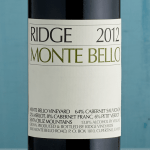
Ridge Monte Bello Santa Cruz Mountains 2012

Ridge Monte Bello Santa Cruz Mountains 2012

Mountains 1971 helped re-shape the wine industry by placing fifth in the 1976 Paris tasting, then ranking first in the 2006 Reprise Tasting, judging the aged versions of the original vintages.  Described as an old-school cabernet, the Ridge Monte Bello Santa Cruz Mountains 2012 (94-pt/$175) adds merlot, cabernet franc and petit verdot to take its place among our finest meritage blends.

From the Piedmont region, produced with a co-operative managed by Aldo Vacca, the #5 Produttori del Barbaresco Barbaresco Asili Riserva 2011 (96-pt/$59) comes from an appellation that is
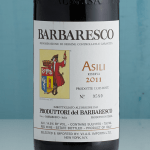
Produttori del Barbaresco Asili Reserve 2011

Produttori del Barbaresco Asili Reserve 2011

smaller than Barolo and the wines are accessible sooner. Asili is one of nine single vineyards that lies atop the hills where it’s generally cooler. Fermented in stainless steel after the malolactic process, it is highly reviewed for concentrated, elegantly balanced flavors and is the best value within the Top
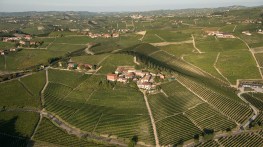
vineyard_4047544_1600

Asili Vineyard, Barbaresco, Italy

10. The sangiovese-dominant #8 Antinori Toscana Tignanello 2013(95-pt/$105) comes from a pioneering winery who was a leader in introducing French varietals to the Tuscan varietals, labeling them “Super Tuscans.”  The addition of cabernet sauvignon and cabernet franc is said to add ”power, depth and structure.”  Always consisting of the same blend, this is the highest rated vintage from IGT Toscana designated Tignanello Vineyard, over one hundred acres high above sea level.

The Orin Swift Winery, founded in 1998 is derived from winemaker Dave Phinney,s fathers middle and mother’s maiden names.  I have enjoyed his zinfandel-based “The Prisoner” wine for years, a brand he sold in 2010 to concentrate on new blends with
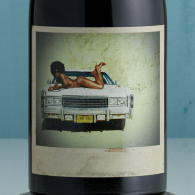
Orin Swift "Machete" 2013

Orin Swift “Machete” 2013

names that include “Papillon,” “Machete” and “Abstract.”  I was pleased when the #6 Orin Swift Machete California 2014 (94-pt/$48) received such lofty recognition.  Having tasted previous vintages, this is a big, earthy wine with ample tannins and rich flavors.  A good value, but now harder to find.

California dominated the list with 21 wines and after the addition of ten more from the Pacific Northwest (Oregon-4, Washington-6) and one from the Fingerlakes region of New York, the #70 Ravines Riesling Fingerlakes dry 2014 (90-pt/$18), the US contributed 32 wines.  France provided 16 releases, divided evenly throughout their diverse regions and Italy placed 18 wines, mostly from Tuscany. Spain was the only other country in double figures with 10 wines, including two standards from the Haro wine loop in northern Rioja that we visited in 2010. Returning to the list are the #22 Cune Rioja Gran Reserva 2010 (94-pt/$33), after the vintage 2004 Imperial Gran Reserva was named the 2013 Wine of the Year and the #65 La Rioja Alta Rioja 904 Gran Reserva 2007 (93-pt/$55), both good values.

Tzora Judean Hills White 2014

Tzora Judean Hills White 2014

Israeli winemakers are beginning to show their diversity by setting two wines, a red and a white, into the fold.  A kosher chardonnay-sauvignon blanc blend, the #79 Tzora Judean Hills White 2014 (92-pt/$30)relies on winemaker Eran Pick and his world of experience for the complex flavors and and the north region #93 Galil Mountain Yiron Galilee 2013 (92-pt/$32), the winery’s flagship release,  blending cabernet
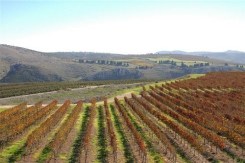
Yiron Vineyard, Galil Mountain

Yiron Vineyard, Galil Mountain

sauvignon, merlot, syrah and petit verdot.

The 2016 list is filled with old veterans, a few grace or have graced my cellar.  Having long described it as my favorite food-pairing sauvignon blanc, the #17 Merry Edwards Sauvignon Blanc Russian River Valley 2014 (93-pt/$32) signals an extraordinary vintage.  I have enjoyed single-vineyard zinfandel from Paso Robles’ Ueberroth Vineyard since the mid-1990s when grapes were
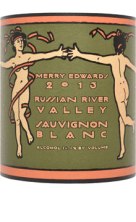
2013 Merry Edwards Sauvignon Blanc Russian River Valley

2013 Merry Edwards Sauvignon Blanc Russian River Valley

sourced to the now defunct Martin Weyrich Winery. Turley has continued to honor it with the #20 Turley Zinfandel Paso Robles Ueberroth Vineyard 2013 (94-pt/$48).  Ancient vines and limestone slopes are the key to the vineyard’s rich expressions.

I savor each vintage of the Sojourn Cellars pinot noir from Gap’s Crown Vineyard in the cold, breezy Petaluma Gap. The #35 Sojourn Pinot Noir Sonoma Coast Gap’s Crown Vineyard 2014 (94-pt/$59) caught the Spectator’s attention with a high rating and moderate price.  We recently shared a bottle of the #47 Hall Cabernet Sauvignon Napa Valley Eighteen Seventy-Three 2013 (94-pt/$80) with friends,
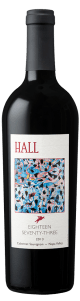
Hall Cabernet Sauvignon Napa Valley Eighteen Seventy-Three 2013

Hall Cabernet Sauvignon Napa Valley Eighteen Seventy-Three 2013

pairing it with an Abbaye de Belloc cheese from southern France.  It has the depth, balance and richness expected from Hall, but this one is their most moderately priced.

I am actively searching for the #31 Tenshen White Central Coast 2015 (92-pt/$20), celebrating its second appearance on the list. In fact, the wine has appeared in

Tenshen White Central Coast 2015

Tenshen White Central Coast 2015

periodicals and is generating excitement for winemakers Joey Tensley and Alex Guarachi.  From a white Rhone blend of viognier, roussanne,grenache blanc with a touch of chardonnay, we expect it all:  body, texture and expressive, balanced flavors.

South America was well represented with seven wines total from Chile and Argentina, including a wine that meets all the criteria and I feel compelled to mention, the #74 Bodega Norton Malbec Mendoza Reserva 2014 (90-pt/$19).  Retailing for less than $20, each vintage of this nicely structured wine from the Mendoza region of Argentina seems to be readily available in most wine outlets and, in the best years, extolled as an exciting wine.

Finally. a special mention goes to Sonoma County, especially the Russian River Valley appellation that contributed six wines.  Known for pinot noir and cool climate chardonnay, the 2016 releases expressed more diversity than normal with two zinfandels and a sauvignon blanc in the top 20 and one each of syrah, chardonnay and pinot noir. The Russian River Valley appellation is a leader among leaders.
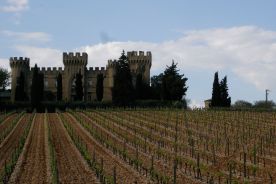
A Tasting in Chateauneuf-du-Pape


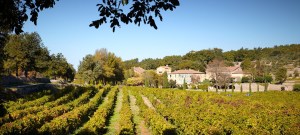
The opportunity to experience the extraordinary blends in France’s Chateauneuf-du-

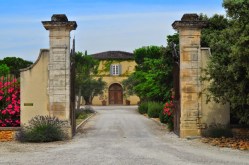
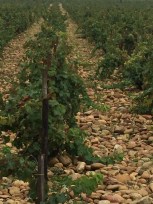
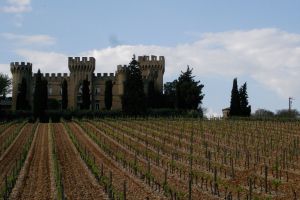
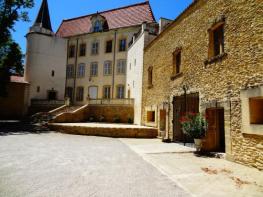
vineyard in Chateauneuf-du-Pape

vineyard in Chateauneuf-du-Pape

Pape is a rare treat for anyone serious about wine.  Blessed with near perfect terroir and climate, the area is always in the discussion of the world’s best appellation.  Nearly all the 280 wineries in Chateauneuf-du-Pape are owned by small families, not the case in Bordeaux or Burgundy.  There are thirteen grapes approved for the appellation by the governing AOC, which also requires that they are all hand-pruned, hand-picked and essentially dry-farmed, allowing two irrigations per season during drought years.  The famous “La Mistral” winds blow 100 days per year, a benefit during wet vintages and a challenge in dry ones.  The production of rose’ or sparkling wine is also prohibited in Chateauneuf-du-Pape, allowing winemakers to focus on the best blend of grapes that most align with the terroir.

Translated “the Pope’s new castle” or “Chateau of the Popes,” Chateauneuf-du-Pape became a significant winemaking region in the 14th Century after the papacy was relocated to the town of Avignon.  The “Avignon Popes” appreciated their

Chateau de Vaudieu

Chateau de Vaudieu

wine and were first to promote viticulture in this area, 10 miles northeast of their palace residence.  It’s esteemed terroir has continued to produce superb local wines for eight centuries and is still revered today. With all the acclaim that Chateauneuf-du-Pape gets, one would expect them to be promoting tourism.  They do not. It is authentic, a relatively small area with family farmers doing what they have done for centuries, create near perfect wines.

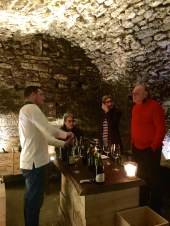
October was a busy month for winemakers, following up on the recent harvest.  It was off-season and our time was limited, so we chose Saint Charles Cave,in the heart of the village, for our first tasting. Located in a 13th Century cave, Saint Charles represents

Tasting in Saint Charles Cave

Tasting in Saint Charles Cave

many of the producers and offers selections of the best the region has to offer.  In addition, it also houses the La Cour Des Papes Restaurant that could extend our experience through mid-afternoon. Sitting on wooden benches in the cave, our young, knowledgeable host began to take us through his selection of wines from the region.

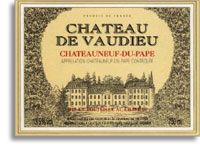
The Château de Vaudieu is one of the genuine 18th Century castles left in Chateauneuf-du-Pape, operated by the Brechet Family since the mid-1980s.  Described as “a real mosaic of terroirs,” the vast vineyards of the Chateau represent very distinct micro-climates and elevations. Our tasting at Saint 3efcc0ec2827a487028818f55a178c90Charles Cave began with the Chateau de Vaudieu Blanc 2012 ($32), a mostly grenache blanc and roussanne blend that expressed a complex bouquet and rich citrus and mineral notes on the palate.  The varietals were fermented separately in oak and stainless steel to form a dry wine that would be a perfect pair with seafood or shellfish.

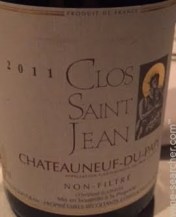
The grenache dominant 2011 Clos Saint Jean Chateauneuf-du-Pape ($35-40), our second pour, is a classic wine from the region, full-bodied, dry, herbal with deep fruit and savory flavors. The grenache is aged in cement tanks while the syrah, clos-saint-jean-chateauneuf-du-pape-rhone-france-10675487mourvedre and bits of other varietals get the benefit of oak.  Brothers Vincent and Pascal Maurel took over the winery from their father in 2003 and have produced very good vintages since.  Robert Parker awarded this one, that I found online at klwines.com, with a 92-point score.

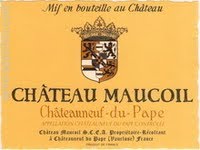
Covered by the famous diluvial red pebbles that protect them from the dry climate and La Mistral winds, the vineyards at Chateau Maucoil are said to consist of all chateau-maucoil-chateauneuf-du-pape-rhone-france-10293833tChateauneuf-du-Pape soil types.  The 2011 Chateau Maucoil Chateauneuf-du-Pape ($30-40) is an old vine grenache dominant blend that adds 20% syrah, 10% mourvedre and cinsault, very fruit forward and balanced.  This wine is produced only when the vintage is good and the 2011 was a very good one.

Our next wine was a big, earthy release, the only one created by the Barrot Family, long-standing growers producing 5,000 cases annually on 16 hectares in the appellation, divided among 24 different parcels.  The 2011 Domaine Lucien Barrot et Fils Chateauneuf-du-Pape ($50), with 80% grenache, 10% syrah and five percent each cinsault and mourvedre, is made whole cluster, fermenting in large cement vats before aging up to 36 months in oak. Significant aromas of spices, herbs and earth are followed by deep, dried cherries and anise flavors of great length.

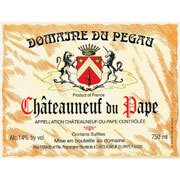
Their family has farmed the land since the 17th Century, but Domaine du Pegau was 160164lformed in 1987 by father, daughter team, Paul and Laurence Ferard. The grenache dominant Domaine du Pegau Chateauneuf-du-Pape Cuvee Reservee 2013 ($70), our next wine,is produced whole cluster and was the most masculine wine that we tasted. Aromas of ripe fruits and pepper precede rich, earthy flavors with soft tannins on the finish.  All the major periodicals rate this wine in the 90-95 point range.

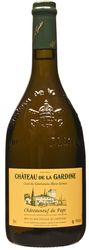
From another family with local roots dating back to the 17th Century, the Chateau de la Gardine was established in 1945 by Gaston Brunel, producing great red Rhone blends and a special roussanne-dominant white, the Chateauneuf-du-Pape Château de la Gardine Cuvée des Générations Marie-Léoncie 2013 ($30).  The 60-year old

The "Gardine Bottle"

The “Gardine Bottle”

vines lay atop limestone soil and, with early rains followed by a warm 2013 summer, the roussanne was allowed to fully ripen, creating a rich, buttery texture and full flavors. Although there is no malolactic fermentation, the wine is fermented and aged in new French oak. Many wineries in Chateauneuf-Du-Pape can be identified by the shape of their unique bottles and this wine is exclusively released in the “Gardine bottle,” broad at the bottom with long, narrow neck. Counter to tasting wine in the States, it is tradition in Chateauneuf-du-Pape to end with a white blend and this one was memorable.  Approximately 70% of the Chateau’s wine is exported, so these wines can probably be found with a little effort.  The group was enamored by all six wines and immediately discussed shipping a case home to the US. Soon, our practical sensibilities prevailed and we settled on a 2011 Chateau Maurcoil Chateauneuf-du-Pape to accompany our lunch.

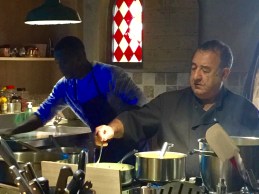
Lunch at La Cour Des Papes was both distinct and memorable. Firstly, the large dining table is in the chef’s kitchen and guests are welcome to stand, roam and question the chef while he is cooking. The partly set menu in French was intriguing with dishes described as “filet de Canette e au marine au soja et champignons” or “Hachis parmentier d’epaule d’agneau et sa sauce de Chateauneuf-du-Pape” that were translated fullsizerenderto “Filet of female duckling, pickled and raw with soy beans and mushrooms” and “Shepherd’s Pie with lamb and Chateauneuf-du-Pape sauce.” I opted for the raw duckling entree and “Cabillau” or codfish with butter and saffron as my “plat” or main course.  Our chef, Julien, was not only patient with our questions, but serenaded us with song and entertained us with his humor throughout the entire meal that included a rich crème brûlée’ dessert.

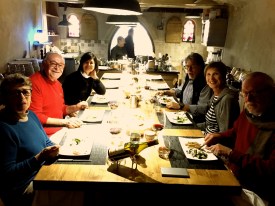
La Cour Des Papes also offer cooking classes where patrons can learn new dishes that they prepare for their own meal. Our once in a lifetime luncheon was a bit extravagant but the Browns Valley Fork and Cork Society, six people strong, saved their pennies and were ready.

Chateauneuf-du-Pape and other nearby towns located between the cities of Avignon andimg_3780 Orange boasts nearly 8,000 acres of vineyards and produces as much wine as any other region in France.  Those lucky enough to visit the area will be rewarded with beauty, history and the ability to purchase these remarkable wines at local prices.  They are a bargain as long as you drink them locally.


Chateau de Beaucastel


Two-hundred forty-thousand contiguous vines, dry-farmed, hand pruned and picked, in the middle of France’s famed Chateauneuf-du-Pape appellation is what defines the family owned Chateau de Beaucastel, the region’s largest.  Eighty-percent of the

270,000 bottles produced annually are exported to the United States and Canada and

Chateau de Beaucastel

Chateau de Beaucastel

they contain iconic French Rhone wines for discerning palates.  Traveling through the region in October, we had the opportunity to visit Chateau de Beaucastel to tour their vineyards and production facility before tasting current and past releases.

The estate includes a quarter of a million vines that, aside from being cultivated by hand, are all organically grown and de-stemmed before fermentation.  The Chateau produce and use all thirteen grapes permitted by the governing AOC, seven white and six red.  The white grapes, namely roussanne, picpoul, muscardin, picardan, clairette and bourboulenc, are fermented in separate rooms from the red grapes, mostly in large concrete tanks with

Diluvial deposits (stones) in the vineyards

Diluvial deposits (stones) in the vineyards

tile floors.  Among the red grapes, syrah and mourvedre are aged in oak, grenache, vaccarese, terret noir, cinsault and couniose in similar concrete tanks. All varietals are fermented separately and blended only after the malolactic fermentation process is completed for each, giving the wine a softer, more balanced mouthfeel.

While visiting the estate, we soon understood that we were visiting French Rhone royalty, one that has been a force among the world’s magnificent Rhone blends for the past

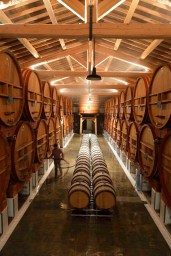
barrel room at Chateau de Beaucastel

barrel room at Chateau de Beaucastel

107 years.  The bottles in the cellars are enigmatic, the huge, meticulous barrel rooms look like they belong in Architectural Digest and each of the tall concrete vats had beautiful tile flooring. After seeing the immaculate grounds, we were assured there were no shortcuts at Chateau de Beaucastel.

In 1687, the land where the Chateau exists today was given to Pierre Beaucastel by Louis XIV after he converted to Catholicism. In 1909, Pierre Tramier transferred ownership of the property to his son-in-law, Pierre Perrin who established the Chateau de Beaucastel.  Pierre’s son Jacque

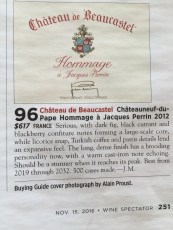
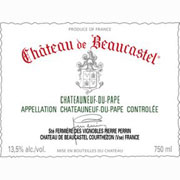
Chateau de Beaucastel Chateauneuf-du-Pape Hommage a Jacques Perrin 2012

Chateau de Beaucastel Chateauneuf-du-Pape Hommage a Jacques Perrin 2012

Perrin took over operations shortly after and spearheaded its growth and reputation until 1978 when it was transferred to his children who collaboratively operate the estate today. The recently released Chateau de Beaucastel Chateauneuf-du-Pape Hommage a Jacques Perrin 2012 ($617), is a very serious wine produced only during great vintages, that pays respect to the long-time winemaker and innovator.  The experts have rated this wine in the high nineties and I will just have to take their word for it.

image_resize-php

Chateau de Beaucastel Chateauneuf-du-Pape Blanc 2015

We began the tasting with the Chateau’s only white release, using all permitted varietals.  The Chateau de Beaucastel Chateaunuef-du-Pape Blanc 2015 ($70) will be released in January 2017, ready for consumption and peaking within the first two years. They had experienced more heat and less rain in 2015 that allowed the roussanne, 80% of the blend, to fully ripen.  Small amounts of grenache blanc, picardan, clairette and bourboulenc help add a beautiful golden color with the stone fruits and spice on the nose and nice mineral notes on the finish.  The estate describes the terroir as “molasses seabed of the Miocene period covered by diluvial deposits (rolled pebbles)”.  The diluvial deposits are actually medium reddish stones, two-inches in diameter, that covered the soils throughout the vineyard. Representing the limited plantings of the white varietals, the nicely structured, balanced “Blanc” is not excitable, but subtle and elegant.

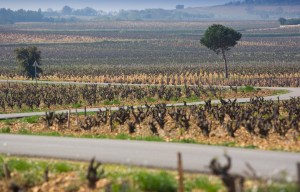
Out to the west, the vineyards are dissected by a small, but significant road. Any vines located outside the road are not within the Chateauneuf-du-Pape boundaries and cannot, according to AOC regulations, be identified with the name.  Therefore, the

Coudoulet de Beaucastel Cotes du rhone

Coudoulet de Beaucastel Cotes du rhone

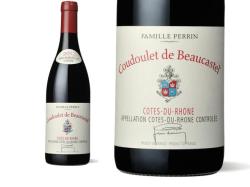
Chateau created the Condoulet de Beaucastel Cote du Rhone blend to give these grapes a home.  A grenache, mourvedre, syrah (GSM) blend with 20% cinsault added, the Condoulet de Beaucastel Cote du Rhone Rouge 2013 was rich with wild berry flavors and hints of pepper and herbs. This was another refined and balanced release.

The white varietals across the road produce the Coudoulet de Beaucastel Cote du Rhone Blanc 2014 with a zesty, citrus quality, revealing apples flavors mid-palate. A blend of marsanne, viognier, clairette and bourboulenc, aged half in oak, half in steel, this is one for the patio on a summer evening. Bourboulenc is a white grape grown in southern France, primarily the Rhone, Provence and Lanquedoc. Its challenge is that it is a late-ripening grape that must be fully ripened to achieve full body, citrus aromas and smoky flavors it is known for.

The flagship release of the estate is the Chateau de Beaucastel Chateauneuf-du-Pape Rouge, considered an adolescent until it is aged 20 years or more. Today we tasted a flight of the 2013, 2007 and 2001 vintages, each with very distinctive structure and flavors.

101438lThe young Chateau de Beaucastel Chateauneuf-du-Pape Rouge 2013 ($60), mostly grenache and mourvedre has concentrated berry flavors with some nice spice throughout. Our host said that it would take another 4-5 years before the wine is taken seriously, but the balance and structure was already evident. The vintage 2007 was a great one for the Chateauneuf-du-Pape appellation and the Chateau de Beaucastel Chateauneuf-du-Pape Rouge 2007 ($90-100), awarded 96-pt by Wine Spectator, expressed a deep ruby color and delivered loads of spice, licorice and burnt wood flavors on the palate, more earthy than the recent release. We missed the 2005 vintage that was #8 on Wine Spectator’s Top 100 wines of 2008 with a 98-pt rating.

Although still described as a young wine, the Chateau de Beaucastel Chateauneuf-du-Pape Rouge 2001 ($60-75) was balanced with a very earthy quality that set it apart from the other two. With an aromatic nose, the wine was complex and spicy with flavors of licorice, roasted herbs and, what was described as “cigar box”. Aside from the main three varietals, the 2001 vintage adds counoise, cinsault and a small percentage of other red and white grapes.  This wine began to express what an aged Chateau de Beaucastel wine could taste like and it was for serious consumers.
The presence of the Chateau de Beaucastel in the United States goes far beyond importing their wines. The well-respected Tablas Creek Winery in Paso Robles,

perrin_la_route_menant_au_chateau_de_beaucastel_2_jpg_11453 producer of terrific Rhone-style wines is a 30-year partnership between the Perrin and Haas families.  Attracted to the limestone laden soils and similar climate to Chateauneuf-du-Pape, the partnership purchased land in 1989 and imported clones from the French estate.  Today, Tablas Creek, similar to the patriarch, produces Rhone blends from their “Espirit de Beaucastel” and “Cotes de Tablas” labels. Tablas Creek Winery is organic and sustainable and their wines are well-rated, best represented by the 2006 Tablas Creek Espirit de Beaucastel Paso Robles (93-pt/$45) that was named #50 on Wine Spectator’s Top 100 Wines of 2008.  The Mourvedre, grenache, syrah and counoise blend is full-bodied with earthy flavors of ripened berries and nutmeg.  The best example of Rhone-style wines outside of Chateauneuf-du-Pape is Paso Robles, centrally located for access by all Californians.

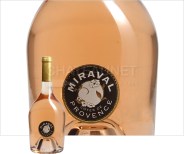
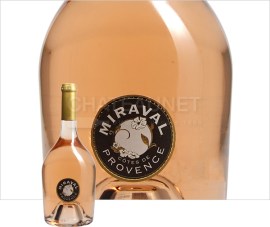
Another partnership with the Miraval estate in Provence, owned by Angelina Jolie and Brad Pitt, produces the Jolie-Pitt and Perrin Cotes de Provence Rose’ Miraval

Chateau Miraval 2015

Chateau Miraval 2015

2012 ($25)that landed the 84th spot on the Wine Spectator Top 100 Wines of 2013 list, leading their marketing staff to hail it as the world’s best. There is a bit of uncertainty about future vintages but we were told that Brad is mostly involved.

Visiting the Chateauneuf-du-Pape appellation in southern

The vines are manicured by hand

The vines are manicured by hand

France is a special treat for anyone serious about wine.  But, the opportunity to spend time at a historical and refined producer like Chateau de Beaucastel, to observe their methods and facilities, is truly a memorable learning experience.


“Zen for Zin”: The Wines of Carol Shelton


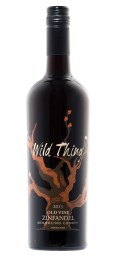
Speaking with an iconic winemaker, one that strives to create a zinfandel for every palate, I asked her to describe her wines in one word. In the small lunch room at her northwest Santa Rosa production facility, Carol Shelton responded, “Balance.”  Within a few minutes I would agree with her answer after tasting a zinfandel flight, each from distinct vineyards throughout the state.  With Wine Spectator magazine including her 2011 Carol Shelton “Wild Thing” Zinfandel (90pt/$19)on their 2014 Top 100 wines list, there has been increase attention to her releases.

Carol Shelton "Wild Thing" Zinfandel

Carol Shelton “Wild Thing” Zinfandel

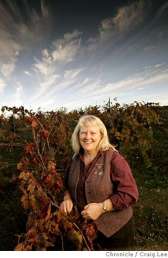
Carol Shelton believes that the long journey to becoming a

Carol Shelton

Carol Shelton

winemaker and owning a winery began with an “identify the scent” game her mother played when she was a young girl.  Later, as an English student at UC Davis, the scent of a Sonoma County barrel room persuaded her to change career goals and complete a degree in Enology.

Her early career began working with winemakers in California and Australia, later returning to Sonoma County where she worked at Rodney Strong and 19 years with Windsor, honing her style and concentrating on the zinfandel varietal.  Carol has not missed a harvest since 1978 and in 2000, she and her husband founded Carol Shelton Wines, selling barrel futures to finance the bottles for the first vintage.

Like other successful winemakers, one of the main factors in her success is the ability to discover and partner with exceptional vineyards throughout the state.  She sources grapes from Mendocino County, the Alexander Valley, Lodi and Paso Robles. In

Florence Vineyard

Florence Vineyard

addition to the premier Dry Creek and Russian River Valleys in Sonoma County, she has discovered vineyards in the Fountaingrove District in north Santa Rosa and as far south as the old vines of the Lopez Vineyard, located where Highways 210 and 15 intersect in Rancho Cucamonga, south of Los Angeles.

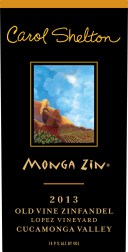
Rancho Cucamonga’s dry-farmed Jose Lopez Vineyard, sourcing grapes for the 2014 Carol Shelton “Monga” Old Vine Zinfandel Cucamonga Valley ($19) was established nearly

2013 Carol Shelton "Monga Zin" Zinfandel Cucamonga Valley

2013 Carol Shelton “Monga Zin” Zinfandel Cucamonga Valley

a Century ago and is currently certified organic. Located adjacent to two major freeways, these vines define the tough conditions that zinfandel can thrive in.  From the Florence Vineyard in the Rockpile AVA, high above Lake Sonoma, the 2013 Carol Shelton “Rocky Reserve” Zinfandel ($35) is a fragrant wine with rich earth and mineral elements and nicely balanced fruit and spice throughout. The addition of petite sirah (14%) adds depth to this wine.  The last of our zinfandel flight peaked my interest because the grapes were sourced from a vineyard in the new Fountaingrove District AVA in north Santa Rosa, minutes from my home. The PeaceLand Vineyard, a translation of the German owners name, Friedland, sits in a fairly wild setting, overlooking at city of 160,000 people.  With seven-percent petite sirah added, I found the 2013 Carol Shelton “Peaceland” Zinfandel($30) to be the richest, most jammy of the three.  Spice flavors and hints of chocolate enhance the complexity of this wine that will age gracefully.

We actually began our tasting with three current white wines including a wonderful

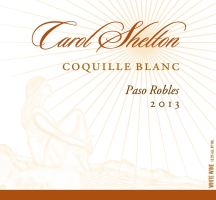
Rhone blend.  Known for craft zinfandel, Carol has created a complex, layered white wine that will pair well with shellfish, scallops, fish and even some chicken dishes. A blend of grenache blanc, roussane, viognier and marsanne, sourced from Paso Robles

2013 Carol Shelton "Coquille Blanc"

2013 Carol Shelton “Coquille Blanc”

vineyards, the 2014 Carol Shelton Coquille Blanc ($24) delivers floral, stone fruit aromas and tart, but creamy, balanced flavors.  This “coquille” is deserving of its consistent 90-point ratings.
Shelton’s quest for obscure vineyards led her Auburn, CA in Placer County where the Damiano Vineyard is burrowed into the heat and elevation of the foothills.  The 2014 Carol Shelton Viognier ($20) delivers a full expression of fruit, both mango and grapefruit, soft and tart. Produced in both oak barrels and stainless steel with no malolactic fermentation, it is regularly stirred sur lee to add a creamy texture. Part of her wild yeast selections, the 2014 Carol Shelton “Wild Thing” Chardonnay ($18), with small amounts of viognier, muscadelle, sauvignon blanc and roussane, fermented equally in oak and stainless steel, is a crisp and balanced wine, sourced from Mendocino County.  Carol recommends Thai food as a nice pairing.
In addition to the numerous accolades and awards for her wines, Carol has been personally recognized as the San Francisco Chronicle 2005 Winemaker of the Year and is one of eight designated Pioneer Women of Winemaking in Sonoma County, a list that includes iconic names like Merry Edwards and Helen Turley.

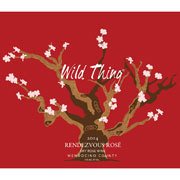
2014 Crol Shelton "Wild Thing" Rendezvous Rose'

2014 Crol Shelton “Wild Thing” Rendezvous Rose’

Carol also dabbles in red varietals other than zinfandel and the best way to begin tasting them is the 2014 Carol Shelton “Wild Thing” Rendezvous Rose’ ($15), a blend of mostly old vine carignane with a little viognier. A full-bodied, food friendly, dark pink wine, the “Rendezvous” is crisp and dry with cranberry, strawberry and watermelon on the nose and palate.

No one is certain, but it is common belief that the first carignane vines were planted at the dry-farmed Oat Valley

Oat Valley Vineyard

Oat Valley Vineyard

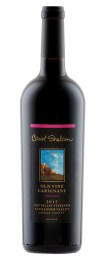
Vineyard in the Alexander Valley around 1890.  Carol used these grapes when she was making wine at Windsor and now has them back to craft her own style. In winemaking, “brix” measures the concentration of sucrose by percentage of the mass.  Shelton feels that the brix in carignane must reach 25% to unleash the complex flavors which explains why her 2012 Carol Shelton Old Vine Carignane Oat Valley Vineyard ($28) is at 25.7%.  With two-percent each of petite sirah and

2012 Carol Shelton Old Vine Carignane

2012 Carol Shelton Old Vine Carignane

alicante bouschet added for good measure, the flavors are creamy and smoky with spice, fruit and at bit of chocolate at the end.  This is a bold wine with multi-layered flavors and is a good value for the price.

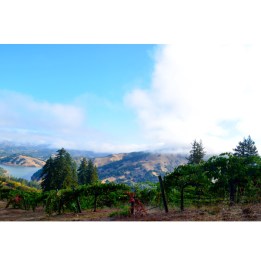
The well-known Rockpile Vineyard has been the source of grapes for many fine wines throughout the region.  A unique micro-climate and hard work from many people resulted in a recent AVA designation for the area.  The Rockpile AVA vineyards are at 1,000-2,000 foot elevation above Lake Sonoma.  They enjoy full morning sun and cool afternoon breezes off the lake, the opposite of the nearby Russian River Valley AVA.  As one of my favorite varietals that combines

Rockpile Vineyard

Rockpile Vineyard

complexity and accessibility, the 100% 2012 Carol Shelton Petite Sirah, Rockpile Vineyard ($40) does not disappoint with black pepper spice, concentrated, aromatic blue and black berry flavors and heavy oak influences.  The flavors are intricate, but balanced after 20 months aging in the barrel.

Describing the opportunity to obtain a ton of cabernet sauvignon grapes from the esteemed Showket Vineyard in Napa valley’s Oakville District, Carol poured a taste of her 2009 Carol Shelton Napa Reserve Cabernet Sauvignon ($50), a 100% cabernet sauvignon, all from a specific vineyard, aged 26 months in 100% new French oak. The depth and flavors of this wine seem to be ever ending and include herbs, currants, tobacco with some vanilla creme at the finish.

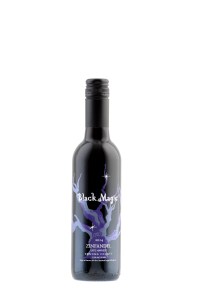
Zinfandel grapes seem to adapt well to late harvest, maintaining some structure before they begin to rot and turn to sugar.  Once again, Carol has achieved balance and complexity in her 2014 Carol

2014 Carol Shelton "Black Magic" Late Harvest Zinfandel

2014 Carol Shelton “Black Magic” Late Harvest Zinfandel

Shelton “Black Magic” Late Harvest Zinfandel ($20), even with a brix of 31.7%, six-percent residual sugar and 15.4% alcohol. After admiring the deep color, I enjoyed the jammy flavors and texture, the not too sweetness and more vanilla at the finish.  The wine is a perfect pair with savory cheeses or the most decadent chocolate dessert imaginable. The “Black Magic” label replicates the “Wild Thing” image in purple, black and white and glows in the dark.  It is an impressive gift for someone who enjoys late harvest wines.

I thoroughly enjoyed Carol Shelton’s wines and she was true to her word that balance is what best defines them.  Her focus is zinfandel and unique vineyard partnerships throughout California, but the white and other red varietal wines deserve equal attention from wine consumers.  There are hundreds, maybe thousands of good wineries in California.  If one were to drink Carol Shelton Wines exclusively, they would have a well-rounded experience.  I don’t often recommend joining wine clubs, but would make an exception because of her diverse releases.

Carol feels that “wine has a responsibility to be entertaining” as she strives to create a zinfandel for every palate. Her wines emerge from distinct vineyards and a small production facility in Santa Rosa, but her reputation is expanding and worth exploring on your own.


Trending Rose’


The fact that the popularity of rose’ is rising is not a new trend, it has occurred for over a decade.  The emergence of rose’ is still being discussed by sommeliers in 2016, but the real story is about its evolution.  Today, it has become a priority, not an afterthought for winemakers.  Good, specifically designed rose’ has fueled the market which, in turn, has channeled more energy to create the next best release.

Another trend is that consumers are less discerned with color and are breaking with traditional values toward what types of foods pair with red or white wine.  Rose’ has

Provence vineyards

Provence vineyards

stepped up as a wine that belongs at the dinner table, as well as the patio on a summer afternoon.  Many restaurants now include rose’ on their wine lists year-round, not just the summer months.  Blended from Rhone varietals including syrah, mourvedre and grenache, Spanish tempranillo, Italian sangiovese and California pinot noir, modern rose’ can compliment food from raw oysters and sushi to roasted chicken and pork.  Yesterday’s rose’ wines were sweet and simple.  Today, they are versatile, friendly but complex and readily recommended in tapas bars and most trendy restaurants.

All wine grape juice is clear, generating its color from various degrees of contact with red grape skins.  With rose’, the juice is separated or “bled” away from the skins very early in a process known as the “Saignée method.”  The normal deep ruby color of the fine reds

Chateau Miraval Provence France

Chateau Miraval Provence France

turn to what are known as “pink wines.”  Rose’ is also mostly produced in stainless steel with little or no oak, resulting in higher acidity with crisp, invigorating texture.

Due to its diversity, fine rose’ is now produced in all the world’s wine regions. At the top is Provence, located south of France’s great appellations and north of the classic Spanish blends from Rioja, whose winemakers have focused their production almost exclusively on rose’.  The current rose’ inventory in most fine wine outlets is generally between fifty and seventy percent from Provence. The selections are so vast that a decision could be overwhelming, so, let me recommend a few good ones that are readily available.

With multiple ratings in the nineties, the 2015 Chateau Miraval Cote de Provence Rose’ ($20) first earned recognition when the 2012 vintage was named to Wine

Chateau Miraval 2015

Chateau Miraval 2015

Spectator magazine’s Top 100 wines and became the world’s best rose’ of that year. Produced through a partnership between Brad Pitt, Angelina Jolie and the Perrin Family of Chateau du Beaucastel in Chateaunef-du-Pape, the current vintage expresses wonderful floral and fruit aromas, soft berry flavors and a nice minerality on the finish. A high quality for the price, the Miraval is available at wine outlets and on-line. Another rose’ from a large

2014 Cotes du Rhone Rose'

2014 Cotes du Rhone Rose’

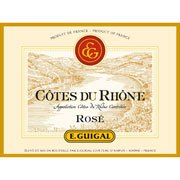
producer in the Rhone Valley, the 2014 Guigal Cotes du Rhone Rose’ is a blend of grenache, syrah and cinsault that make it dry, but fruity.  This vintage has an acidic finish that compliments spicy foods.

WholeCluster_Stolpman_HighRes

Whole cluster grapes at Stolpman Winery

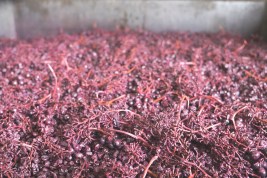
Fine rose’ wines are produced in all California wine regions, from the Santa Ynez Valley in north Santa Barbara County to the Anderson Valley in Mendocino County.  Diversity in varietals and terroir make for a broad palate of selections and new rose’ production is vital across the state.  For example, grapes from the Stolpman Vineyard in Santa Ynez have been sourced to other wineries for decades. They have an impeccable reputation and have begun producing wines under their own label like the 2015 Stolpman Santa Ynez Valley Rose’ ($17), a soft, fruity pink wine from 100% grenache grapes, a portion undergoing the carbonic maceration process that introduces them to a carbon dioxide rich environment prior to crushing. The whole grape begins to ferment while in the skins.  This rose’ can be a nice summer sipper as well as a food wine.

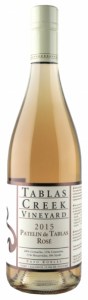
Tablas Creek Winery, a patriarch among the California Rhone Rangers in Paso Robles,

2015 Patelin de Tablas Rose'

2014 Patelin de Tablas Rose’

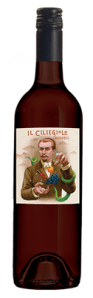
produce what many believe is the best rose’ in California, the 2014 Tablas Creek Patelin de Tablas Rose’ ($20).  A Rhone blend of grenache, mourvedre and counoise, this wine is fresh, floral and balanced, expressing cherries and watermelon throughout a long finish.  To the north, in the Santa Lucia Highlands appellation comes the 2015 Luli Central Coast Rose’ ($14),  produced through a partnership between Master Sommelier Sarah Floyd and the Pisoni Family who have contributed to and created many great wines from the region. A distinct blend of pinot noir and grenache, it has balanced flavors that will compliment food very well.  Bonny Doon’s Randall Grahm, another patriarch among California Rhone Rangers, has always been willing to push the envelope in finding obscure vineyards to produce rare wines like 2015 Bonny Doon Il Ciliegiolo Rosato ($24) from the Mt. Oso Vineyard in the hills above Tracy, CA in San Joaquin County.  Ciliegiolo is actually a little known Tuscan varietal related to sangiovese. Randall spoke of the grape, “While it can be brilliant as a

2015 Bonny Doon Il Ciliegiolo Rosato

2015 Bonny Doon Il Ciliegiolo Rosato

powerful red, one might argue that it is uniquely well suited to haunt the palate as a fragrant, delicate pink.” It is actually a light red, as opposed to a pink wine and I find it to be the boldest rose’ that I’ve have tasted, one that I would not hesitate to pair with roasted pork.

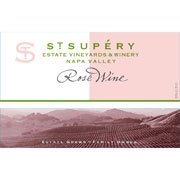
St. Supery Vineyards and Winery in Napa Valley produces mostly estate grown and sustainably-farmed Bordeaux varietals from vineyards on the valley floor.  With a darker color, the 2015 St. Supery Estate Rose’ Wine Napa Valley ($18) is all about fresh berry aromas and flavors.  It is a merlot-dominant Bordeaux blend that also includes cabernet sauvignon, malbec, cabernet franc and petit

2015 St. Supery Napa Valley Rose'

2015 St. Supery Napa Valley Rose’

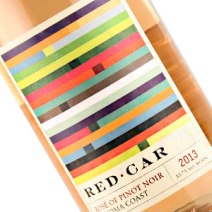
verdot, blended after fermentation. It exudes strawberries, raspberries, blueberries, cranberries and watermelon throughout and, at under twenty dollars, is an exceptional value. Another winery using cool-climate pinot noir from Sonoma Coast vineyards and a significant percentage from a biodynamically-farmed vineyard outside of Sebastopol, CA, the 2013 Red Car Rose’ of Pinot Noir 2014($22) is fermented without any contact with the skins, creating what the winemaker calls, “A pale melon pink wine.”  It is bone dry, zesty, very aromatic with herbal and berry flavors.  Referring to the finish,

2013 Red Car Pinot Noir Rose'

2013 Red Car Pinot Noir Rose’

Antonio Galloni of Vinous says this wine, “Smoothly plays power off finesse and finishes with resonating florality.” It is a suitable pair with sushi or grilled salmon.

Carol Shelton has made her own wines since 2000, mostly zinfandel sourced from some of the finest Sonoma County vineyards. She also creates limited amounts of pinot noir, petit sirah, cabernet sauvignon and carignane, a varietal that dominates the Carol Shelton 2015 Wild Thing Rendezvous

Carol Shelton Wild Thing Rendezvous Rose'

Carol Shelton Wild Thing Rendezvous Rose’

Rose’ ($15), a crisp, dry wine from Mendocino County expressing strawberry-watermelon aromas and flavors with mineral hints on the finish.  Half of the pink juice is bled off after brief contact with the carignane skins, resulting in the color of a light pinot noir.  Consistently rated in the 90s, the “Rendezvous” has the complexity necessary to accompany any food, from sushi to BBQ ribs.

Very good rose’ wines can be found throughout Oregon and Washington State as well as South Africa, South America, Australia and New Zealand where the 2015 Elephant Hill Tempranillo Rose’ Hawkes Bay ($29) originates. As with many red varietals, the warm climate of wine regions below the equator accentuates the flavors of tempranillo.  This dry, zesty small-production wine, consisting of 92% tempranillo and eight percent syrah is citric, fruit-forward and spicy with a very clear

Elephant Hill Winery New Zealand

Elephant Hill Winery New Zealand

minerality on the finish

The end of summer no longer breeds disappointment among rose’ fans.  Today, it is a year-round alternative when serving appetizers, a three-course dinner or enjoying a glass with friends.  Rose’ has emerged and will continue to evolve as it renews the spirit of winemakers everywhere to commit to exploring the potential of pink wines.  Maybe there is a rose’ wine on this list for you.


Zinfandel Keeps Good Company


Zinfandel is America’s wine grape. Sure, there is primitivo, a distant cousin from Italy, but zinfandel is the only grape that truly has roots here.  When friends from San Francisco had to make a “zinfandel run” to northern Sonoma County and suggested we accompany them for some tastings and lunch, we freed our calendars and made it happen.  It had been some time since we did this and our companion’s quarterly allocations were

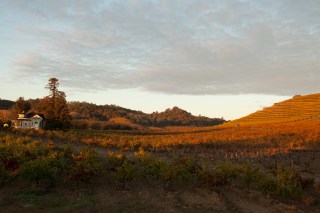
Seghesio Home Ranch Vineyard

Seghesio Home Ranch Vineyard

building up at two separate wineries, each producing very diverse styles of zinfandel.  Anticipating that the tastings would be very distinctive, I was also interested in releases of other varietals.

The Dry Creek Valley, located fifteen miles north of Santa Rosa, has the warmest climate in the area, sandwiched between the Russian River and Alexander Valleys.  The terroir in this region is more conducive to zinfandel than pinot noir or chardonnay, typical in most of the county.  Today’s stops, Mazzocco Sonoma, part of the Wilson Family Wines empire, and historical Seghesio Family Vineyards in Healdsburg, both construct highly acclaimed zinfandel with completely divergent views on how the varietal should be expressed.

Worth mentioning, Wilson Family Wines own eight different wineries in Sonoma County, as far south as St. Anne’s Crossing in Kenwood to Jaxon Keys Winery in Hopland, CA to the north.  Four

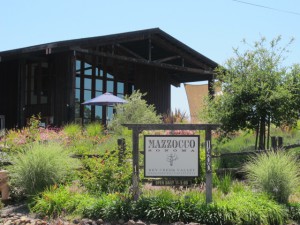
Mazzocco Winery

Mazzocco Winery

wineries focus on zinfandel, two on cabernet sauvignon in the Alexander Valley, one daring soul pursues pinot noir and the matriarch Wilson Winery produces a variety including petite sirah and syrah.  Many of their wines were awarded gold medals in Sonoma Harvest Fest and the San Francisco Chronicle Wjine Competition.

Edoardo Seghesio first planted his Home Ranch Vineyard, north of Geyserville, in 1895, following his instincts that it was the right terroir for zinfandel, petite sirah and many Italian varietals.  “Today, Seghesio owns over 300 acres of estate vineyards and farms nearly one hundred acres of outside vineyards making them one of the largest producers in the region. History and a commitment to the land has been rewarded with an ideal platform for producing consistent quality wines.  We didn’t know what Spring releases they were pouring, but foresaw that some special single vineyard and reserves would be included.

In the land of zinfandel, the first three wines we tasted were Italian varietals, including the dry, herbal 2015 Seghesio Vermentino ($22), a rare white varietal, dry with nice expressions of fruit and a minerality that defined its character.  Excepting those from Burgundy, European white varietals are unfairly overlooked and many consumers are missing opportunities to add diversity to their taste buds.  Also dry, but fruity, the 2013 Seghesio Sangiovese ($30) is soft, with a nice creamy structure carried through the finish.  There are many very fine releases of sangiovese, used to produce chianti from Tuscany.  This is another good one.

With roots in the Barolo wines from Italy’s Piedmont region, barbera typically shows deep colors and earthy flavors.  When I unexpectedly encounter a good California barbera, I often take a bottle home including the 2013 Seghesio Barbera ($30).  Deep, ruby hues and soft,

Seghesio Barbera

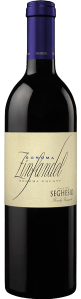
Seghesio Sonoma County Zinfandel

102017b_11Barbera_F

Seghesio Family Vineyard Barbera Alexander Valley

accessible flavors are enhanced by a balanced structure and deep color that seemed to glow when held up to the light.  This one will pair perfectly with pasta or mushroom risotto. Seghesio also produces other Italian varietals, arneis, pinot grigio and fiano, in estate-owned vineyards, both in the Russian River and Alexander valleys.

“The Cortina Vineyard, named after the loamy soil that exists on the site, has been farmed by Seghesio since 1957. Known for its subtle, elegant flavors, the 2013 Seghesio Zinfandel Cortina Vineyard ($40) was awarded 94-points by Wine Spectator magazine. In addition to the soft flavors, I found great bouquet and texture to this exceptional wine.

Using old zinfandel vines and a small amount of petite sirah grapes from their flagship Alexander Valley Home Ranch Vineyard and gnarly vines from the Saini Beach Vineyard in the Dry Creek Valley, the 2013 Seghesio “Old Vine” Zinfandel ($40) is a dry, austerely luscious wine with balanced structure and a nice spice character to the flavor. Enjoy the wine by itself or try BBQ meats that would enhance the spice.

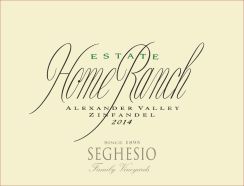
Using a blend of old and young zinfandel vines and a small touch of petite sirah for color and softer flavors, the 2013 Seghesio Zinfandel Home Ranch Vineyard (58) expresses an earthy bouquet that transcends into the flavors.  The “Home Ranch” had the softest creamy texture of all the wines tasted, leaving me no choice but to take a bottle home to my cellar.

Seghesio Home Ranch Zinfandel

Seghesio Home Ranch Zinfandel

Sonoma Valley’s Pagani Vineyard has been literally deeply rooted in the soil and the fabric of the regional zinfandel community since 1887.  It is dry-farmed, creating deep-rooted vines and fruit that produce rich, potent flavors, yet express a lighter structure than the other zinfandels we tasted. This defines the 2012 Seghesio Zinfandel Pagani Vineyard ($48). It is fascinating when the special, unchanged characteristics of an old vineyard can produce uniquely identifiable wines, vintage to vintage.

Seghesio produces many wines at different levels, many are available at local outlets.  The single vineyard releases, at a higher price, are available online, from the winery and wine shops, offering the truest picture of their finest efforts. After lunch, we would drive north a few miles to the heart of the Dry Creek Valley where Mazzocco Sonoma specializes in a different style of zinfandel.

Mozzacco is a very welcoming place, located on Lytton Springs Road, north of Healdsburg.  It does produce cabernet sauvignon, chardonnay and other varietals but its focus is on high alcohol, lively and fruity zinfandel, mostly from designated vineyards.  To prepare our palates, the tasting opened with a 100% sauvignon blanc, a white wine sourced from the Alexander Valley.

ZIN_RES_SMITH

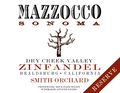
Mazzocco Reserve Zinfandel Smith Orchard

The crisp and fragrant 2015 Mazzocco Sauvignon Blanc ($28) created in a New Zealand style, was a very nice beginning that expressed stone fruit aromas with vibrant grapefruit flavors and mineral elements on the finish.  As one who usually prefers a softer, creamy style, I liked the grapefruit accents and would recommend this refreshing wine for hot, summer afternoons.  This was a good beginning, but it was time to enjoy four single vineyard zinfandel releases, all highly acclaimed.

Awarded gold medals over the past three years by the San Francisco Chronicle Wine Competition, the 2013 Mazzocco Zinfandel Briar Vineyard ($29), estate-owned with seven percent petite sirah, was intense from bouquet to palate with wild berry flavors and a hint of spice on the finish.  Another highly acclaimed zinfandel in both the San Francisco Chronicle and Sonoma Wine Competitions, the 2013 Mazzocco

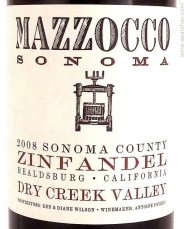
Mazzocco Zinfandel Dry Creek Valley

Mazzocco Zinfandel Dry Creek Valley

Zinfandel Reserve, Warms Springs Ranch ($52) conveys a myriad of aromas and flavors ranging from floral hints to roasted nuts and spice from mid-palate through finish, jammy, but at the same time, elegant.  The “Warm Springs” was the best illustration of their signature fruit-forward Mazzocco wines.

From the heart of the Dry Creek appellation, with deep volcanic soils, the 2013 Mazzocco Zinfandel Reserve West Dry Creek Vineyard ($52) delivers concentrated, balanced fruit and berry flavors with accents of cocoa and pepper throughout the finish. This wine is meant to be enjoyed outdoors with some nice gorgonzola cheese.

They saved one of their best reserve zinfandels for our last wine. From their highest elevation vineyard at 2,400-foot, with iron-rich soils that allow the fruit to mature slowly, the 2013 Mazzocco Zinfandel Reserve Smith Orchard Vineyard ($52) expressed rich, diverse flavors ranging from currant jam and anise to chocolate and creme brûlée.  This is truly a luscious zinfandel that caught the attention of Robert Parker/Wine Advocate who awarded it 91-points, citing a combination of intensity and balance.

Wine Spectator, National Geographic Traveler and Sunset magazines have recently published articles recommending travel to Sonoma County for its rich food, wine, culture and open space.  While the world-famous pinot noir and cool-climate chardonnay are the stars of this region, travelers should not miss an opportunity to experience the zinfandel and other varietals in the north end.  Along with Paso Robles, Lodi and Calaveras County, the Dry Creek Valley is at the table with California’s best and these two wineries afford a fine   opportunity to enjoy different styles, each excellent in their own way.


The Wines of Kelowna

Photos by Ron Siddle 

An interest in wine and golf led us to southern British Columbia to explore the delights of Kelowna and

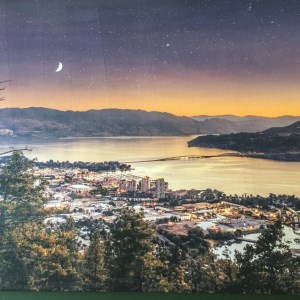
Kelowna skyline

Kelowna skyline

surrounding areas that boast of their numerous wineries and challenging golf courses, an abundance of lakes and a nearby ski resort.  While nine rounds of golf in six days topped our itinerary, we found time to explore one of Kelowna’s wine trails, tasting some very nice releases and discovering several new varietals.

With nearly 180,000 permanent residents, Kelowna is the warmest and driest part of British Columbia, making it a great destination for summer water sports on Okanagan Lake, voted “#2 Best Beaches in Canada” by the 2011 Trip Advisor Readers Choice Awards. There are eighteen championship golf courses in Kelowna and many more majestic mountain lakes north in Vernon.  In the winter months, Big White Ski Resort, less than an hour from town, is known for great powder and available rentals.

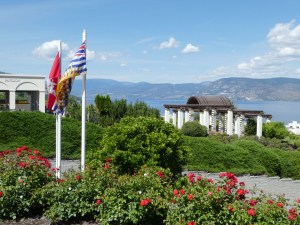
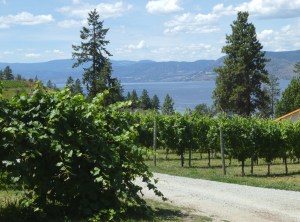
The view from Cedar Creek Estate Winery in Kelowna British Columbia, looking towards Lake Okanagan. RON SIDDLE/Valley Press

The view from Cedar Creek Estate Winery in Kelowna British Columbia.

In addition to vineyards, Kelowna also produces wonderful organic fruits in acres of orchards and is Canada’s’ major producer of goat cheese.  Locally, around the lake, there are five distinct wine trails and over thirty wineries. We began our exploration along the western shore of Okanagan Lake, among hillside vineyards, beautiful vistas and beaches, at one of the pioneer wine producers of the region.

Established in 1987 and twice recognized as Canada’s Winery of the Year, Cedar Creek Winery is a magnificent property with nineteen current releases on their menu. Most of them were

Cedar Creek Ehrenfelser

Cedar Creek Ehrenfelser

available for tasting including an 100% ehrenfelser that, outside of Germany, is produced primarily in Kelowna and sparsely in Washington State.  A grape with lineage to riesling and silvander, the 2014 Cedar Creek Ehrenfelser ($17) is a fresh white wine that expresses stone fruits on the nose and multi-layered ripe fruit flavors on the palate.  Others preferred the 2014 Cedar Creek Pinot Gris ($18) that is slightly more acidic with less residual sugar.  Aged in French oak for 35 days, the pinot gris, common to the Pacific Northwest, revealed ”floral fruit” and melon flavors. A Gold Medal Winner at he 2015 All Canadian Wine Championships, the sweeter 2014 Cedar Creek Gewürztraminer ($16) added aromas of ginger and anise to the mid-palate flavors.

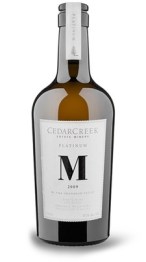
Fermented three separate ways, in stainless steel, large foudre casks and traditional oak barrels, the Cedar Creek

Cedar Creek Platinum M

Cedar Creek Platinum M

Estate Chardonnay ($17), the first of a flight, conveyed soft tropical fruit flavors with a buttery nut finish.  The second wine, the 2014 Cedar Creek Platinum Block 5 Chardonnay ($28) expressed strong hints of green apple on the nose and palate with a nice minerality on the finish. The last wine of the flight, the 2010 Cedar Creek Platinum M ($53) is clearly a sweet dessert wine with over 70% residual sugar.  Fortified with spirits, small amounts of chardonnay are placed in miniature casks and baked in the sun for five years resulting in rich, concentrated fruit flavors.

Onward to the red wines, beginning with two pinot noir releases.

Surprisingly, pinot noir grows well in Cedar Creek’s estate vineyards, mostly those near the water.  To achieve rich, fuller flavors, the vines are thinned during the growing season, eliminating all but the best clusters.  As a result, the small production 2013 Cedar Creek Estate Pinot Noir($23) has classic mushroom and cherry aromas with more hints of strawberry on the palate.  From the vineyards best spot, the 2013 Cedar Creek Platinum Block 4 Pinot Noir ($56) is more muscular with aromas and flavors of spice and mocha throughout.

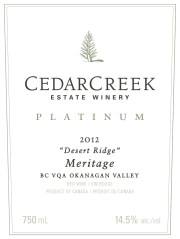
Cedar Creek has eleven acres of vineyards in nearby Osoyoos with rocky, well draining soil that force the vines to struggle during the growing period.  There is something about these “tough love” soils that push the vines to greatness.  This is the case with the 2013 Cedar Creek Platinum Desert Ridge Merlot ($37) that

Cedar Creek Desert Ridge Meritage

Cedar Creek Desert Ridge Meritage

expresses spicy aromas, rich dark berry flavors with nuances of coffee on the finish.  For my palate, this is an extraordinary merlot that would stand up nicely to blue cheese. From the same Osoyoos vineyard, the 2013 Cedar Creek Platinum Desert Ridge Meritage ($40) is a Bordeaux blend of 58% cabernet sauvignon, 22% cabernet franc, 14% merlot and 6% malbec that is fruit driven with all the structure necessary for a good wine.  It will pair well with a big, juicy steak.

Cedar Creek Winery is an impressive property suitable for fancy picnicking, sortable events and further exploration through vineyard tours.  We were very excited about tasting their wines and recommend it as a “must stop” when in Kelowna.

The view from St. Hubertus

The view from St. Hubertus

Historical, with first vine plantings in 1928, a stable 30-year ownership and sustainable farming practices all describe the St. Hubertus and Oak Bay Estate Winery, our next stop along the wine trail. The grounds of St. Hubertus are more rustic than Cedar Creek, but quaint and charming, suitable for picnics and gatherings.  The wines are low production and estate grown with attention to detail at every step of the process.

To begin, I enjoyed my first taste of the popular Swiss grape, chasselas.  The 2014 St. Hubertus Chasselas ($20) is light and crisp with very accessible flavors and a nice lemon zest finish.  A perfectSt-Hubertus-Riesling pair with Swiss raclette cheese or sushi.  Aside from the floral aromas, the major characteristic of the 2013 St. Hubertus Riesling ($17) is the nicely balanced green apple flavors, not overpowering, but forever present.

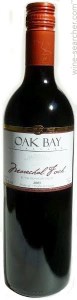
Still surprised to see the pinot noir varietal in British Columbia, we had to taste the 2012 Oak Bay Pinot Noir ($20).  It’s hard to compare it with the opulent pinot noir from Sonoma County or Oregon, but I found this wine to be a nice well-structured, medium-bodied pinot with classic vanilla and cherry aromas and flavors.  Continuing to experience varietals rare to the United States, the 2012 Oak Bay Marechal Foch ($22), with dark ruby color, was the biggest and boldest wine of the day.  Marechal Foch is a varietal mostly grown in the Loire Valley of France, with some plantings in Oregon’s

Oak Bay Marechal Foch

Oak Bay Marechal Foch

Willamette Valley. This vintage was rich and jammy with dark fruit, plum, spice and hints of tobacco everywhere.  The winery suggests pairing marechal foch with Coffee and Chocolate Braised Short Ribs, a sign of its power.  A small amount of chamboucin, a readily available French-American hybrid grape, is blended to enhance the characteristics of marechal foch.

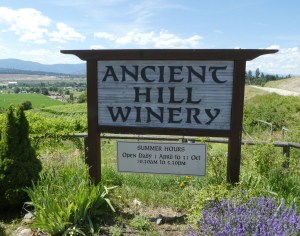
Our last stop was the relatively new Ancient Hill Winery, a rural property located near the Kelowna Airport. There were vineyards on the property in the 1950s and 1960s that were converted to orchards.  The current

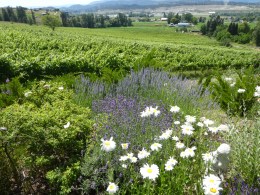
The vineyards at Ancient Hill Winery

The vineyards at Ancient Hill Winery

owners migrated to this region from the Netherlands in 2005 and re-planted vines on the property.  Today, they produce many varietals uncommon to California and the Pacific Northwest, not the case with our first tasting.

Fine pinot gris releases are common, especially in Oregon and we found that wineries in Kelowna produce very good ones at sensible prices.  The 2014 Ancient Hill Pinot Gris ($16) had a rich mouthfeel and spice flavors that followed fragrant floral aromas with hints of peaches and papaya, a good value at $16.

Having avoided rose’ thus far, I found the 2014 Ancient Hill Rose’ ($15)  too intriguing to pass up. Comprised of nearly 75% zweigelt with added gewürztraminer, baco noir and pinot noir, this rose’ has a vibrant color with complex spice and berry flavors, fruity, but not overly sweet.

A rare blend of two popular Austrian grapes, Zweigelt and Lemberger, the 2011 Ancient Hill “Lazerus” ($15)

 Ancient Hill Winery

Ancient Hill Winery

is a light red wine, aged entirely in stainless steel, that reveals the dark cherry and spice flavors of each varietal.  The blend changes each vintage, but the 2011 can be enjoyed by itself or with a light cheese.  Producing only 220 cases,  the 2012 Ancient Hill Pinot Noir ($17) is a lighter wine with some tannins that delivers nice spice and dark berry flavors mid-palate.

Abandoned by the French, the muscular baco noir varietal can now be mostly found in Canada and Washington State.  The bold 2012 Ancient Hill Baco Noir ($22) has become their flagship red delivering rich flavors of black cherry and plum with spice and hints of chocolate on the finish.  Aged in oak, this moderately price wine would stand up to any lamb and beef dish.

The Okanagan Valley wine region has much to offer any wine tourist, an abundance of wineries, great venues, different micro-climates that produces unique varietals at reasonable prices.  We barely scratched the surface of viticultural opportunities in the region.  My recommendation is to take advantage of the many wine tour options with pre-determined stops along the five wine trails, all with a designed driver.  Wine lovers must include British Columbia in a future vacation, especially if they enjoy, gorgeous mountains, lakes, food and all the recreational opportunities one can imagine.


The Many Faces of Grenache


The grenache grape is many things to many wines.  It is one of the most prolifically planted grapes in the world, a dominant component in some of the most famous blends, yet, individually, it is shy, content to support other grapes in famous blends from the Rhone Valley in southern France, the Rioja region in northern Spain and the “GSM” blends from southern Australia.  It is diverse, known as granacha in Spain, cannonau on the island of

Vineyard in Chateaunef-du-Pape

Vineyard in Chateaunef-du-Pape

Sardinia and grenache in France, each proclaiming it as their own. In fact, for centuries, all of these regions were under the Crown of Aragon which my research shows began in the 10th Century with the marriage of Petronilla of Aragon and Ramon Bereguer of Barcelona.

By the 14th and 15th Centuries, the Crown of Aragon controlled regions of Catalonia (northern Spain), Athens (Greece),Majorca (Spain), Provence (southern France), Naples, Sardinia, Sicily (Italy) and others. With plantings of grenache dating back that far, it is probable that the proliferation of plantings happened during this time period.  It seems that Petronilla and Ramon shared the wealth.  Simply put, grenache was born on both sides of the Pyreness Mountains where it is still grown abundantly today.

Best from low yield vines, grenache is berry-flavored, mostly strawberry and raspberry, peppery, soft on the palate and produces wine with a high alcohol content.  It also lacks acid, tannins and color which is why it most often blended with other varietals that can support its deficiencies. Although, grenache is the most dominant varietal in eighty-percent of the blends from the Chateaunef-du-Pape appellation in southern France, known throughout as one of the world’s best.  In all the southern Rhone Valley appellations, grenache, syrah and mourvedre, sometimes with support from cinsault and counnoise are blended to form, arguably, the finest wines on the planet, with apologies to Burgundy, Bordeaux, Tuscany and California.

E. Guigal is a notable wine producer in the Rhone Valley whose releases range from value to collectible wines and are accessible to the U.Sconsumer.  For those interested in experiencing a good Rhone blend, the grenache dominant 2010 E Guigal Chateaunef-du-Pape($40)is

E. Guigal Chateaunef-du-Papa

available on-line and at many wine shops.  This wine had lengthy bottle aging prior to release and received ratings in the mid-nineties from Wine Spectator and Robert Parker.

In South Australia, grenache is abundantly planted and is, again, a major player in their “GSM” blends or, as I refer to them, Rhone blends on steroids.  The heat and overall warmer climate in the southern hemisphere enhances the fruit flavors of grenache, syrah, mourvedre and Spain’s tempranillo.  The Aussies even call their syrah by a different name to accentuate the difference in styles.  The new name, shiraz, has a flamboyancy that fits its persona.  An Australian “GSM” blend is, generally, a soft, fruit-forward, accessible wine to enjoy with friends, but the more austere Rhone Valley wines are by far the best to pair with food.  One of the San Francisco Bay Area’s top restaurants, Sonoma’s, “The Girl and the Fig,” has an extensive wine list, all from the Rhone Valley.

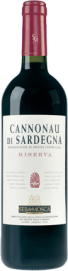
In Spain, granacha is the common varietal that is blended with tempranillo to create those popular and acclaimed wines from the Rioja region, south of Bilbao.  Cannonau wine from Sardinia is available for very reasonable prices.  Years ago I had to opportunity to taste a vintage of the Cannonau di Sardegna ($16), a wine that Robert Parker proclaimed one of the world’s best wines under $25, and my memory is of floral,

Cannonau de Sardegna from Sardinia

Cannonau de Sardegna from Sardinia

perfumed aromas and a lighter texture.

In California, Rhone Rangers from Paso Robles, the Santa Ynez Valley and other regions are using grenache to produce the best blends outside of the Rhone Valley.  Paso Robles wineries like Linne Colado, Terry Hoague and Tablas Creek produce excellent

Vineyard on the island of Sardinia

Vineyard on the island of Sardinia

blends, using grenache, in varying degrees, as the dominant grape.  The best Rhone blend in California and, possibly the planet comes from west Paso Robles’ Saxum Winery.

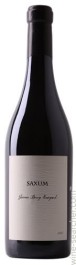
Among other highly touted Rhone blends, Justin and Heather Smith have produced a grenache dominant blend for the past ten years that has given them great reviews and notoriety.  Wine Spectator magazine, after placing the 2006 Saxum “Broken Stones”($45/96pt) twelfth of the 2009 list, awarded the rich and layered 2007 Saxum James Berry Vineyard ($68) blend a 98-point rating, naming it their 2010 Wine of the Year. I treat myself to a few bottles of Saxum releases each year and the consistent quality is extraordinary, as good as any blend from Chateaunef-du-Pape.  In addition to the James Berry Vineyards, Saxum produces

Saxum James Berry Vineyard blend

Saxum James Berry Vineyard blend

two other blends:  “Bone Rock” and “Broken Stones,” also exceptional, but there is a downside.  With the accolades, Saxum wines have become difficult to acquire and now cost nearly $100 per bottle.

The signature of many California wineries is releasing single-varietal wines, including grenache.  It has emerged from several regions of the state, but mostly from the Santa Ynez Valley in Santa Barbara County, Paso Robles, Calaveras County in the gold country and Monterey County.

From one of Paso Robles’ most distinguished producers, The 2013 Adelaida Grenache Anna’s vineyard ($36) is a personal favorite.  I have tasted several vintages of this wine and it alway has classic aromas of strawberry and spice, adding black cherry flavors.

Just blocks off the main square, in an old train depot, the local family owned Anglim Winery produces a variety of wines including the 2012 Anglim Grenache Willow Creek District ($38), boasting wild strawberry on the nose and palate.

Bonny Doon Cellars is a leader in producing California Rhone blends and, has recently added some very fine vineyard designate

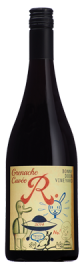
2012 Bonny Doon Cuvee' "R" Grenache

2012 Bonny Doon Cuvee’ “R” Grenache

syrah, mourvedre and three all grenache releases from vineyards in Monterey County, all currently in my cellar.  With a 92-point rating, Planet Grape described the 2014 Bonny Doon Grenache Cuvee’“R” ($48) as “pure, expressive, old-vine grenache.” The newly released, limited production 2014 Bonny Doon Grenache ($24) is a nicely balanced wine that was born to accompany grilled seafood like ahi tuna or salmon.  Detailed as a “food and wallet friendly” wine, each vintage, including the 2014 Bonny Doon “Clos du Gilroy” Grenache ($20), with small amounts of syrah and mourvedre added, is consistently listed as a top value wine.

2014 Bonny Doon Grenache

2014 Bonny Doon Grenache

The success of  Santa Ynez Valley’s production of quality grenache releases prompted a “Grenache Wars” event in Los Angeles last year, pitting their wines against Paso Robles releases intended to promote the varietal that has had limited respect over the years. Among the best include the 2010 Tercero Grenache Larner Vineyard ($35)from the Ballard Canyon area near Solvang and the 2012 Jaffurs Grenache ($34), a well rated, supple wine made from grapes in three area vineyards.

Several years ago, I had an opportunity to walk with Ampelos Cellars owner/winemaker Peter Work through his organic/biodynamic Ampelos Vineyard in the renowned Santa Rita Hills appellation near Lompoc.  A rare varietal in this region, the 2012 Ampelos Santa Rita Hills Grenache-Delta ($37) is an exceptional wine that benefits from its extended growing period, great soil and 33 months aging in the barrel.

2012 Jaffurs Grenache Santa Ynez Valley

2012 Jaffurs Grenache Santa Ynez Valley

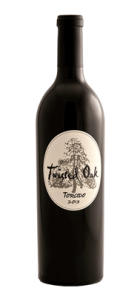
A lesser known region, Calaveras County has been producing high quality wines for decades, including many Rhone varietals.  I am familiar with two grenache releases from this area that represent very  distinctive styles.  Each year, Twisted Oak Winery, near Angels Camp produces a 100% granacha and the recent 2013 Twisted Oak “Torcido” Granacha ($37) is a bold wine with dark ruby colors that pairs well with meats like spicy sausage.  Grapes from the Dalton Vineyard in San Andreas are sourced for the 2013 Val du Vino “Giselle” Grenache Dalton Vineyard ($27), a lighter wine that pairs well with turkey. Offering Rhone and other varietals at the tasting room in Murphys, CA, I first discovered Val du Vino wines at a private winemakers dinner, hosted by owner/winemakers Jonathan Phillips and Jeannine Hebel, a renowned French chef.

2013 Twisted Oak "Torcido"

2013 Twisted Oak “Torcido”

Grenache is everywhere, a major part of the masterfully woven Rhone blends, the well-aged wines from Rioja, the fruit-forward “GSM” blends from South Australia, the fragrance of cannonau and California, where it is pushed in many different directions.  Its expressions of fruit and spice are always evident but never overbearing.  Grenache has withstood the test of time and continues to prove its worthiness as one of the world’s most significant wine grapes.


Wine Pairing Challenge


Pairing wines with a special dinner is challenging, but fun, especially when it supports a good grassroots cause.  Having lived in the coastal community of Pacifica, south of San Francisco in the early seventies, we still have DSCN4282friends there, many of whom are involved in a long-standing  non-profit organization called “Pacificans Care.”  Made up of all volunteers, the group raises funds to support various projects that enhance the city, aesthetically and culturally.  Participating in a wine pairing dinner to support them seemed like a worthy endeavor.

When I was informed that the chefs would be serving a herbed pork tenderloin as one of the courses, several wonderful pairings came to mind.  Depending on sauces and other ingredients, pork tenderloin can be complimentary to a range of varietals, from chardonnay to syrah.

However, this menu flavor profile was so diverse that it made selecting the wine difficult.  For example, the pork tenderloins were wrapped in prosciotto inviting a medium-bodied pinot noir or bolder syrah, but was served with an apple chutney that would normally favor a chardonnay.  With any challenge comes an opportunity to be

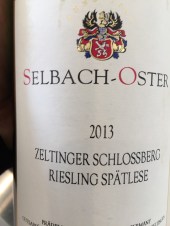
2013 Selbach-Oster Zeltlinger Schlossberg Riesling Spatlese

2013 Selbach-Oster Zeltlinger Schlossberg Riesling Spatlese

creative, to do something unexpected, then hope that it all works.  Let’s review what we chose and why.

Appetizers

Cheeses:  Garrotxa (Spain) raw goat’s milk

                    Raclette (Switzerland) cow’s milk

Wine:        2013 Selbach Oster Zeitinger Schlossberg Riesling Spatlese    

                    Mosel (Germany)

Asked to select an introductory wine paired with cheese, we settled on an all European pairing that began with a highly rated, rich 2013 Selbach Oster Zeltlinger Schlossberg Riesling Spatlese from the Mosel region of Germany. A style of German riesling, Spatlese, translated, means “late harvest” but cannot be confused with our late harvest sweet dessert wines.

Garrotxa

Garrotxa

Among the styles of German riesling, Kabinett is more austere, less fruit forward, pairing well with food, Spatlese is more rich and creamy with a soft minerality and Auslese can be compared to our later harvest dessert wines.  The medium-bodied Selbach Spatlese came to my attention when Wine Spectator magazine rated it 93-points, citing complex flavors of red peach, apple pear and anise.  I felt that the rich minerality and petrol nuances of the wine helped express the creamy Garrotxa from northern Spain and Raclette, the national cheese of Switzerland

1st Course:  Cream of Mushroom Soup, Creme Fraiche, Parmesan

                         Crisps     

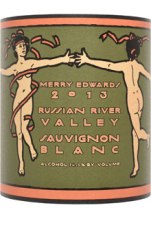
 Wine:            2013 Merry Edwards Sauvignon Blanc (Russian River Valley)

Creme fraiche, a French cultured cream available at most  markets, adds richness to soups and sauces. In this instance I anticipated enhancement to a soup that was already creamy. Needing to avoid  rich, buttery

2013 Merry Edwards Sauvignon Blanc Russian River Valley

2013 Merry Edwards Sauvignon Blanc Russian River Valley

chardonnay or other acidic white wines, this was actually are easiest choice.

The Merry Edwards Sauvignon Blanc from the Russian River Valley in Sonoma County is, arguably, one of the good food wines ever produced.  The flavors of the 2013 vintage, fairly austere not to compete with the richness of the soup, still express white peach, pear, citrus and melon on the palate preceded by floral aromas.  Awarded 93 points by Wine Spectator magazine, this sauvignon blanc is a “foodies” dream and was a perfect pair with our first course.

2nd Course:  Shaved Fennel and Herb Salad with Baby Radishes

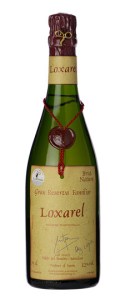
Wine:   2009 Can Mayol Loxarel “Gran Reserva de Familia” Brut

               Nature Penedes (Spain)


This pairing definitely took some “risk-taking” and was, without a doubt, the evenings most unique. Although a sparkling wine, this is not a Spanish cava produced in the “methode champenoise” because there is no dosage.  Dosage, pronounced with the accent on the second syllable, is a sweet mixture of wine and sucrose added, in small measure, to each bottle designed to enhance the flavor. French champagne, Italian proscecco, Spanish cava and other sparkling wines made in the “methode champenoise” have dosage.  Those with none are known as “brut nature” wines and generally have a more herbal flavor profile that compliments food.

The 2009 Can Mayol Loxarel “Gran Reserva de Familia” Brut Nature originates from the Penedes region, south of Barcelona, which is the oldest wine region in Europe. It consists of Xarel-lo grapes, common to the sparkling and still wines from Penedes and is aged 51 months on its lees, using the dead yeast to add texture.

2009 Can Mayol Loxeral "Gran Reserva"

2009 Can Mayol Loxeral “Gran Reserva”

In awarding this wine 93-points, Robert Parker described fennel as one of its flavors which was enough for me to take a chance on the pairing.  Our guests were a little surprised at the choice of a sparkling wine, expecting champagne flavors, but the “brut nature” complimented rather than overpowering the salad.

Although this 2009 vintage was the oldest wine we served, it was recently released, six years after harvest.  This is an extraordinary amount of time in comparison to wines produced in the states, that age 20-24 months.  European wine maker’s comfort with extended aging is primarily based on financial reasons. Most European wineries have been family owned for centuries whereas those in the states commonly are owned by the bank and the pressure to get the product to market is higher.

3rd Course:  Herbed Pork Tenderloins, Apple Chutney, Honey-Roasted Carrots

                          with Tahini Yogurt, Potato Stacks

Wine:              2012 Williams Selyem “Foss Vineyard” Pinot Noir RRV

Pork pairs well with a range of wine varietals depending how it is prepared.  This specific recipe was difficult because the pork tenderloins were wrapped with prosciotto, favoring syrah or other deep red varietals, but the apple chutney and honey roasted carrots would prefer a rich California chardonnay.  I settled for a specific medium-bodied pinot noir from the Russian River Valley in Sonoma County that, hopefully, would balance this complexity.

2012 Williams Selyem Pinot Noir "Foss Vineyard" Russian River Valley

2012 Williams Selyem Pinot Noir “Foss Vineyard” Russian River Valley

Williams Selyem is one of the state’s finest producer of Burgundian-style pinot noir and cool-climate chardonnay.  They have estate vineyards, but mostly source grapes from some of the finest vineyards in the Russian River Valley and beyond.  The nearby west-facing Foss Vineyard benefits from afternoon sun after the morning fog has lifted which results in some of the warmest soils in the valley, allowing the grapes to fully ripen for bolder flavors.

The elegant flavors of pinot noir can pair with complex flavors, including prosciotto and chutney if it also has rich texture and solid structure such as the 2012 Williams Selyem “Foss Vineyard” Pinot Noir RRV or equally fine releases from wineries such as Roar in the Santa Lucia Highlands and Loring Wines in the Santa Rita Hills appellation.


Dessert:  Bittersweet Chocolate Truffle Cake

                   Rogue River Blue (Oregon) with sage honey

Wine:       2007 Val du Vino “Opportunity” (Amador County)

                   2009 Longoria Syrah Port (Santa Ynez Valley)

Dessert was the easiest pair of the evening, adding my favorite Rogue River Blue from southern Oregon with sage honey as an option to the chef’s wonderful truffle cake.  Rogue River Blue has a rich and creamy texture that lacks the bite of most blue cheeses and is always a good dessert alternative.  It is exclusively a fall cheese and I had

Rogue River Blue

Rogue River Blue

some difficulty finding it in March.  After some effort, I finally was able to purchased some through a unique online gourmet cheese source call amazon.com.

Our two aged port-style dessert wines spanned California regions, from Amador County in the North to Santa Ynez Valley in the South.  Personal favorites, the 2007 Val du Vino “Opportunity” is a true port, sourced

2009 Longoria "Vino Dulce" Syrah Port

2009 Longoria “Vino Dulce” Syrah Port

from Amador and aged eight years in French oak and the Longoria “Vino Dulce” Syrah Port from Santa Ynez Valley both express rich flavors of dark berries, spices of vanilla and pepper and, of course, chocolate.  They can and did pair equally well with the chocolate and the cheese.

Everyone had fun, a good cause was supported and we all discovered more about the wonderful partnership of food and wine.


Ancient Vines Of Limerick

Oakley_ghost_vineyard

Ancient vines in Oakley, CA

“Old Vines” or “Ancient Vines” is an uncommon designation, often synonymous with rich wines with great texture and character.  Aside from some “old vine” designates in the Rhone Valley in France, the overwhelmingly vast majority appear in California with the zinfandel varietal.

Most research shows that vines of popular varietals like chardonnay, cabernet sauvignon and sauvignon blanc have a life span of approximately 50 years and the terroir, rather than the age of the vines, is what translates into quality.  However, leave no doubt that the ancient California zinfandel vines uniquely translate into a higher standard.

The distinct life of a zinfandel vine goes through several decade-long productive transitions until reaching maturity in 70-80 years.  This is when they begin to produce dramatically lower yields which as we know, equates to heavily concentrated flavors and overall high caliber wines.  We see this with many varietals during times of

Gnarly "Old Vines"

Gnarly “Old Vines”

destructive weather impacts such as a late frost when the damaged grapes must be sacrificed for the good of the others.  In these years, volume and profits are low but, as many wine makers have told me, it’s the time to submit wines for critical review.  With zinfandel vines, reduced yield, or lower tonnage, occurs naturally, appealing to those consumers who prefer big, luscious zinfandel releases and are willing to pay a premium price.

Ancient vines are as physically identifiable as the rich flavors they produce. In dormancy, they are thick and gnarly, looking like headless ogres waving their

Limerick Lane estate vineyard

Limerick Lane estate vineyard

arms in all directions, otherwise appearing lifeless.  They become more majestic in late spring, serving as a strong foundation for what is proportionally, moderate leaf and fruit growth.

France, Germany, Australia and other countries boast “ancient vines,” but old California zinfandel vines, from Sonoma County, Napa Valley, Lodi and Paso Robles afford us the opportunity, firsthand, to experience what the excitement is all about.

Cline Cellars produces a series of reasonably priced  “ancient vine” wines from their Oakley vineyards in Contra Costa County, first planted over a Century ago by Italian and Portuguese immigrants.  Among many consistent vintages, the 2013 Cline Ancient Vines Zinfandel Contra Costa County ($20) adds a combined 10% of petit sirah,

Cline "Ancient Vines" Zinfandel

Cline “Ancient Vines” Zinfandel

carignane and syrah to the blend that delivers ripe fruit flavors and a creamy mouthfeel.  Used primarily to add structure and texture to the Rhone Valley blends in France, the 2013 Cline Ancient Vines Mourvedre Contra Costa County ($22) is a rare solo release with hints of chocolate and a luscious deep plum flavor.  Equally rare, the 2013 Cline Ancient Vines Carignane Contra Costa County ($23) adds a degree of spice to the rich flavors.

The iconic Napa Valley Rombauer Vineyards produces old vine zinfandel from a historic vineyard in the Sierra Foothills of Amador County.  The 2012 Rombauer “Fiddletown” Zinfandel ($43) comes from Gino Rinaldi’s 100+ year-old vineyard, located some 1,800 feet above sea level, producing very low yields and a wine both intense and complex.

For observing “ancient vines,” I recommend a drive along the Valley of the Moon Highway, connecting Sonoma with Santa Rosa, north of San Francisco.  A gorgeous site during any season, but the late winter vines, interspersed with yellow mustard plants, using the Mayacama Mountains as a backdrop, are breathtaking.  Tasting the fruits of these vines is available at a plethora of valley wineries along the road including Landmark Cellars and Ledson Winery.

The classic ancient vine zinfandel story comes from Geoffrey and Alison Wrigley Rusack of Rusack Vineyards in

Rusack Zinfandel Santa Catalina Island

Rusack Zinfandel Santa Catalina Island

the Ballard Canyon area of the Santa Ynez Valley, north of Santa Barbara.  Geoffrey received permission to explore and excavate cuttings from some ancient vines discovered on Santa Cruz Island off the coast of Ventura.  The University of California, Davis confirmed that the vines were zinfandel, most likely left by missionaries over a century ago.  The zinfandel vines have been re-planted on Santa Catalina, another of the Channel Islands, as part of Rusack’s Santa Catalina Island program that includes pinot noir and chardonnay.  Having recently enjoyed the rare 2012 Rusack Santa Catalina Island Zinfandel ($72)), these ancient vines certainly delivered a rich texture and complex flavor profile that will continue to improve with age.

LIMERICK LANE CELLARS

My recent curiosity in “old vine” or “ancient vine” zinfandel was peaked when a small, little known Sonoma County winery with vineyards adjacent to the Redwood Highway, south of Healdsburg placed their vintage 2012 Limerick Lane Zinfandel Russian River Valley (94-pt/$32) in the #12 spot

Limerick Lane Zinfandel Russian River Valley

Limerick Lane Zinfandel Russian River Valley

on Wine Spectator’s Top 100 wines of 2015.  A very high ranking of a zinfandel from a local winery within 10 miles of my home led me to investigate further.

The year 1910 was when the Del Fava family planted the oldest vineyard on the property in the northeastern Russian River Valley.  They saw potential in this site that has less fog and considerably warmer soils.  The family owned and farmed the original vineyards for over 65 years, sourcing grapes to many wineries before they sold it in 1977 to locals, Michael and Tom Collins.

The Collins operated the small winery on Limerick Lane for 34 years, making significant strides to improve the property, including the new dry-farmed, 25-acre Collins Vineyard, directly across the road.  Also, during their stewardship, the Limerick Lane Cellars label was created to produce estate wines.

When the Collins brothers decided to sell the winery in 2011, they rejected any corporate interest, handpicking local Jake Bilbro and his brother Scot as the best team to maintain the small family operation that had been productive over the past 101 years.  After some preliminary challenges, the sale was consummated and the Bilbro brothers sought out on a journey through Limerick’s most recent evolution.  We sought to taste some of their new 2013 vintages following up on the 2012 estate zinfandel that put them on the map.

With some mourvedre and petit sirah to provide complexity, the most high production 2013 Limerick Lane Zinfandel Russian River Valley ($36), with 1,900 cases, had a chalky, earth element, nice minerality and luscious mouthfeel, a good value.

From the original ancient plantings,the 2013 Limerick Lane “1910 Block” Zinfandel ($48) has a distinct

Limerick Lane Syrah/Grenache

Limerick Lane Syrah/Grenache

herbal nose with concentrated fruit flavors and a smooth, balanced finish.  Combining Rhone varietals, the 2103 Limerick Lane Syrah/Grenache ($36) offer healthy spice in the bouquet and does not disappoint mid-palate with berry pie, pepper flavors and evident tannins.

We finished the tasting with two very small production releases, one highly rated and another resulting from a unique process.

With 94-point ratings from both Wine Spectator and Robert Parker, the 2013 Limerick Lane “Head-pruned Block” Syrah ($48) is a full=bodied syrah with a fragrant bouquet and intricate white pepper, plum and blackberry on the palate with balanced tannins throughout.

Clearly the most unique wine of the day, the 2013 Limerick Lane “Hail Mary” Syrah ($48)uses carbonic maceration, where whole cluster grapes are fermented in a carbon dioxide-rich setting, to create complex flavors and soft

Limerick Lane "Hail Mary" Syrah

Limerick Lane “Hail Mary” Syrah

mouthfeel.  Grapes, leaves and stems are placed in open top stainless steel tanks, layered with dry ice and gently walked on every few days.  With the exception of those on the bottom, the grapes are not crushed, oddly leaving the skins intact during fermentation.

Initially, the “Hail Mary,” with 94% syrah and 6% grenache, displays a beautiful deep ruby color, then earth and candied fruit on the nose followed by rich flavors and silky tannins.  This is the one I took home.

Producing quality juice for more than a Century, it took that 2012 vintage “old vine”zinfandel to uncover Limerick Lane’s wonderful wines and their story of handwork and commitment to the land.  All of the wines we tasted had high character and, although cost is relative to our personal budgets, all current releases are a value at their price.  This and the other small boutique wineries on Limerick Lane are definitely worth exploring on an afternoon.

As for these mature zinfandel and other varietals, look for the “ancient vine” or “old vine” designations on the labels of wines at all levels.  Your research will assure more expression of fruit and a softer texture in the glass.